Pankaj Shashi K, Wan Zifan, Keener Kevin M
Center for Crops Utilization Research, Iowa State University, Ames, IA 50011, USA.
Foods. 2018 Jan 1;7(1):4. doi: 10.3390/foods7010004.
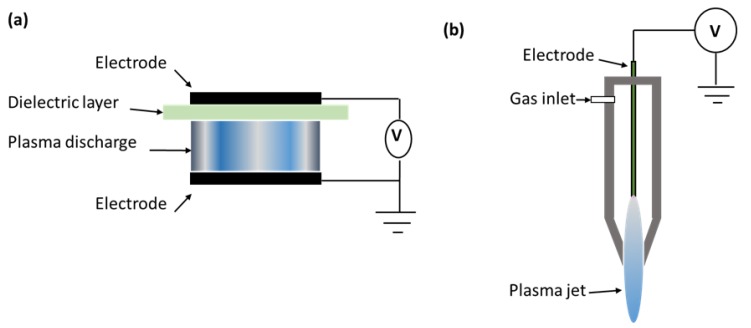
Cold plasma (CP) technology has proven very effective as an alternative tool for food decontamination and shelf-life extension. The impact of CP on food quality is very crucial for its acceptance as an alternative food processing technology. Due to the non-thermal nature, CP treatments have shown no or minimal impacts on the physical, chemical, nutritional and sensory attributes of various products. This review also discusses the negative impacts and limitations posed by CP technology for food products. The limited studies on interactions of CP species with food components at the molecular level offers future research opportunities. It also highlights the need for optimization studies to mitigate the negative impacts on visual, chemical, nutritional and functional properties of food products. The design versatility, non-thermal, economical and environmentally friendly nature of CP offers unique advantages over traditional processing technologies. However, CP processing is still in its nascent form and needs further research to reach its potential.
冷等离子体(CP)技术已被证明是一种非常有效的替代工具,可用于食品去污和延长保质期。CP对食品质量的影响对于其作为替代食品加工技术被接受至关重要。由于其非热性质,CP处理对各种产品的物理、化学、营养和感官特性没有影响或影响最小。本综述还讨论了CP技术对食品产品造成的负面影响和局限性。关于CP物种与食品成分在分子水平上相互作用的研究有限,这提供了未来的研究机会。它还强调了进行优化研究以减轻对食品产品视觉、化学、营养和功能特性负面影响的必要性。CP的设计通用性、非热、经济和环境友好性质使其相对于传统加工技术具有独特优势。然而,CP加工仍处于初期阶段,需要进一步研究以发挥其潜力。