Department of Biochemistry and Molecular Biology, Mayo Clinic College of Medicine, Rochester, MN 55905, USA.
Division of Biomedical Statistics and Informatics, Mayo Clinic College of Medicine, Rochester, MN 55905, USA.
Nucleic Acids Res. 2018 Feb 28;46(4):1895-1911. doi: 10.1093/nar/gkx1306.
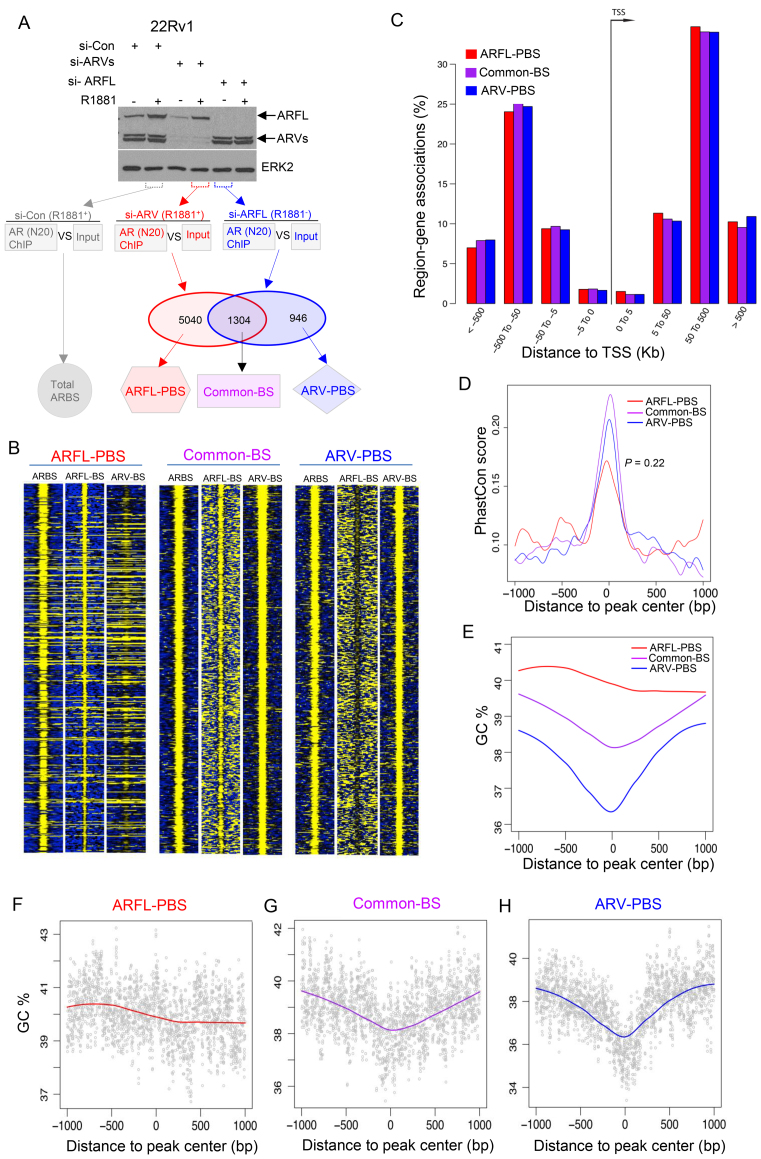
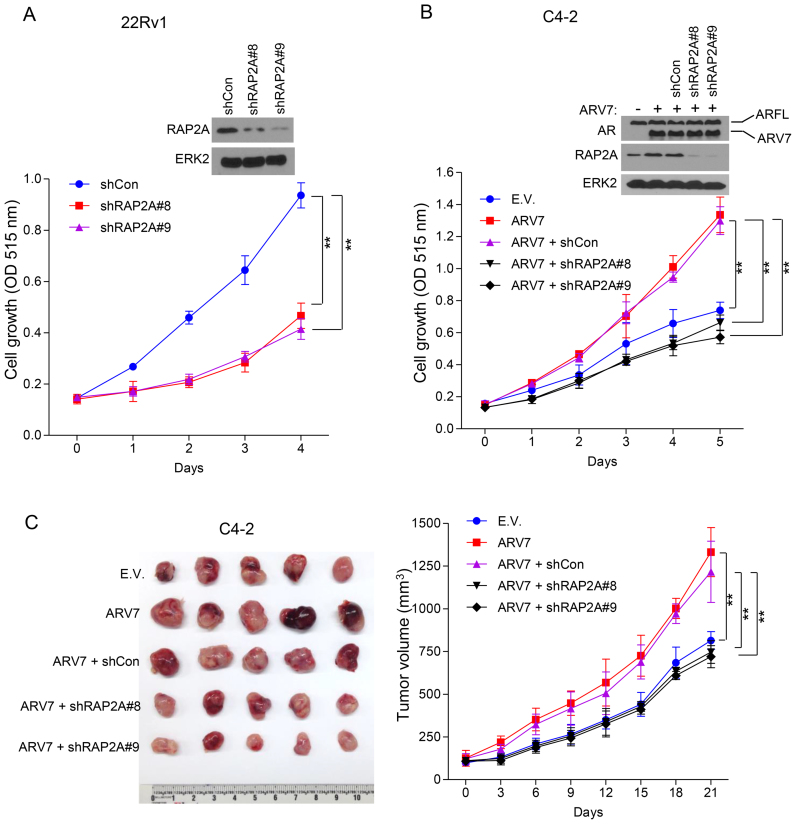
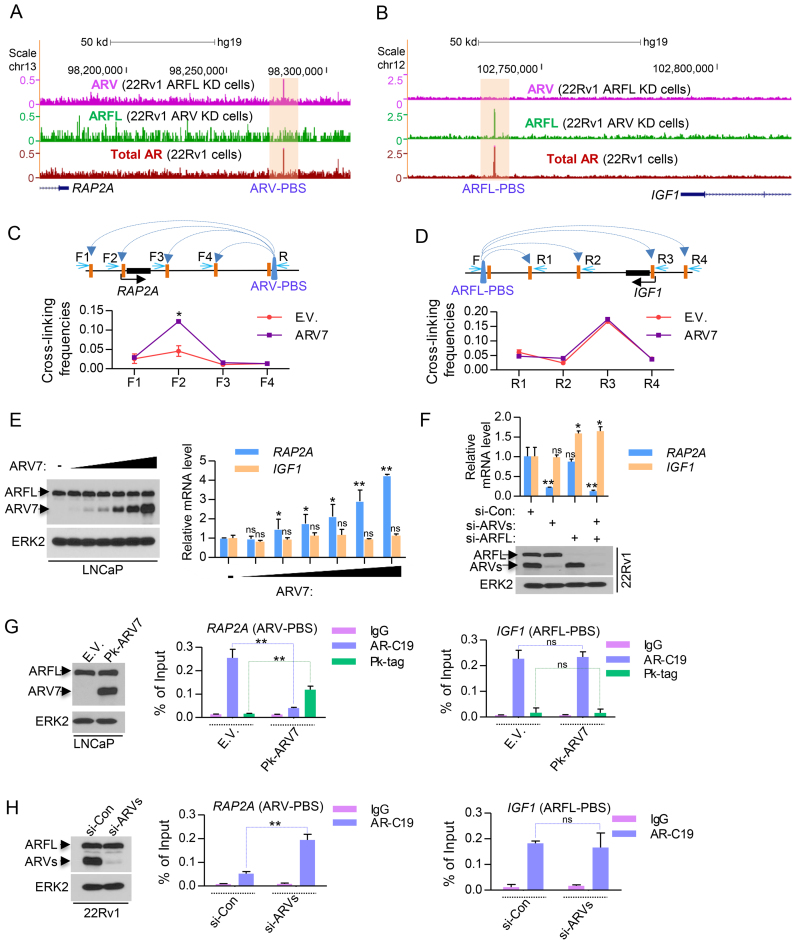
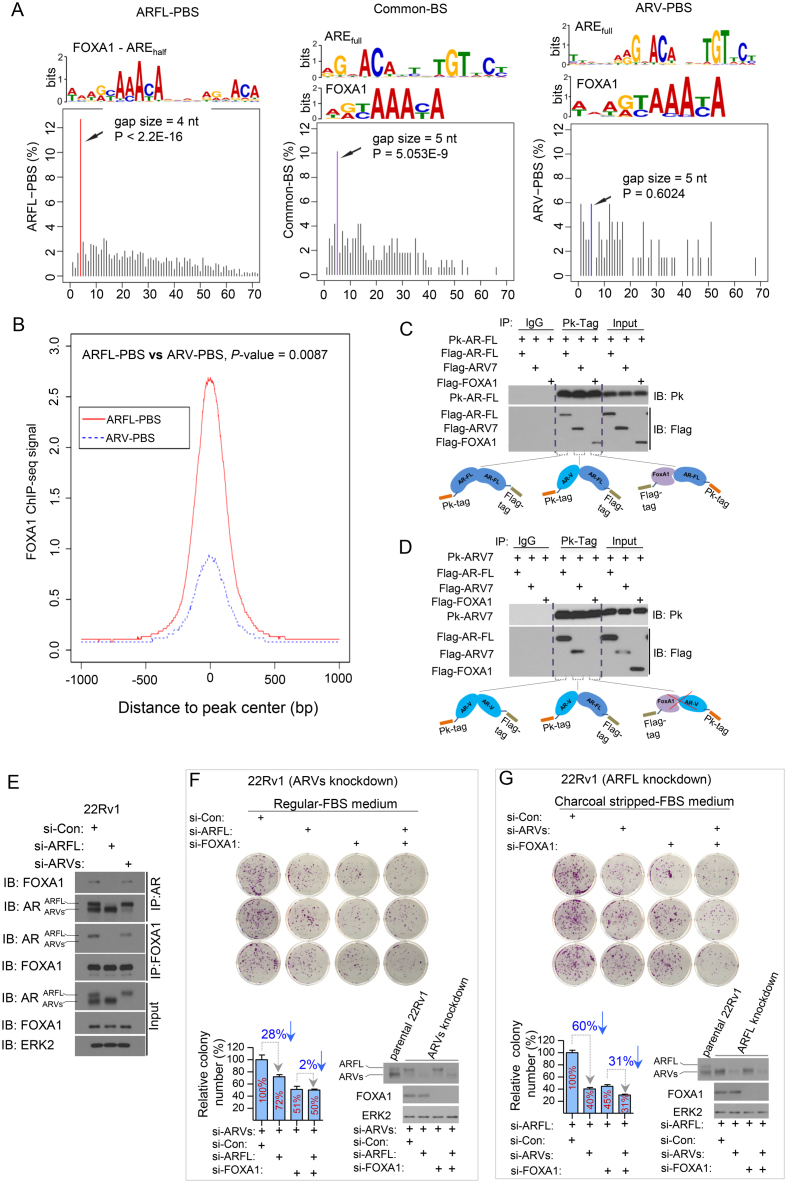
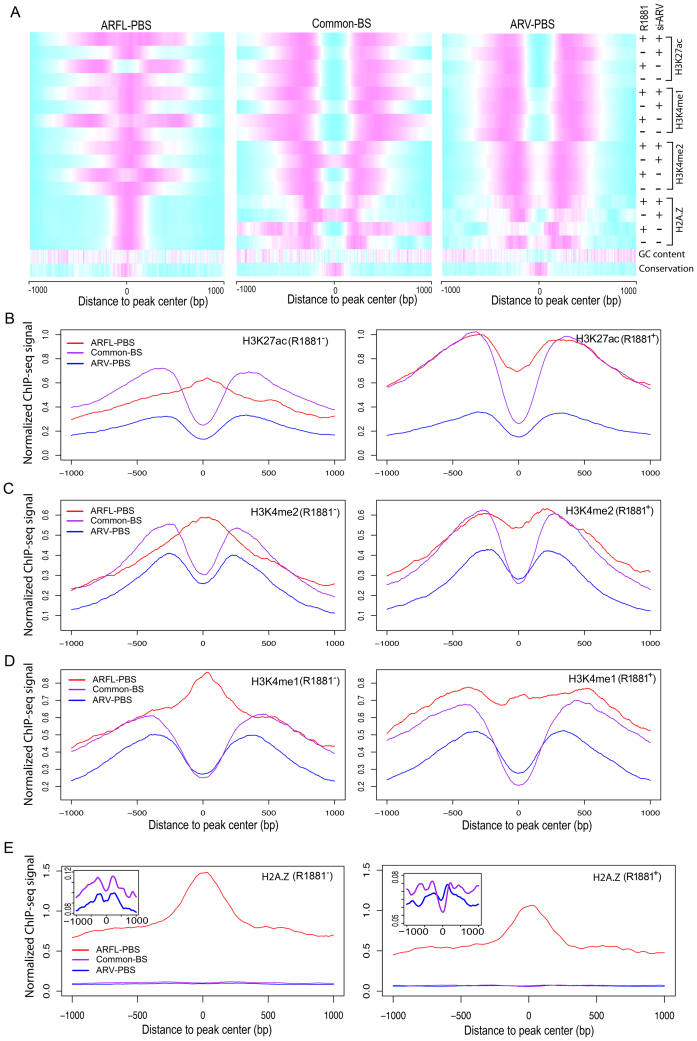
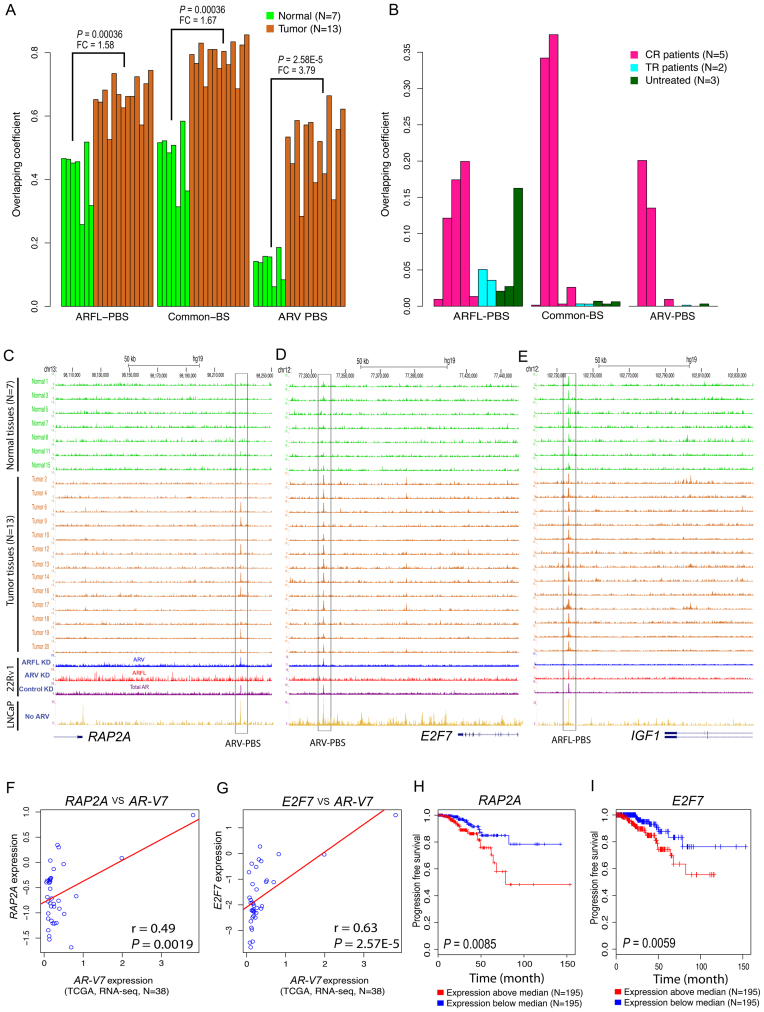
Androgen receptor (AR) splice variants (ARVs) are implicated in development of castration-resistant prostate cancer (CRPC). Upregulation of ARVs often correlates with persistent AR activity after androgen deprivation therapy (ADT). However, the genomic and epigenomic characteristics of ARV-dependent cistrome and the disease relevance of ARV-mediated transcriptome remain elusive. Through integrated chromatin immunoprecipitation coupled sequencing (ChIP-seq) and RNA sequencing (RNA-seq) analysis, we identified ARV-preferential-binding sites (ARV-PBS) and a set of genes preferentially transactivated by ARVs in CRPC cells. ARVs preferentially bind to enhancers located in nucleosome-depleted regions harboring the full AR-response element (AREfull), while full-length AR (ARFL)-PBS are enhancers resided in closed chromatin regions containing the composite FOXA1-nnnn-AREhalf motif. ARV-PBS exclusively overlapped with AR binding sites in castration-resistant (CR) tumors in patients and ARV-preferentially activated genes were up-regulated in abiraterone-resistant patient specimens. Expression of ARV-PBS target genes, such as oncogene RAP2A and cell cycle gene E2F7, were significantly associated with castration resistance, poor survival and tumor progression. We uncover distinct genomic and epigenomic features of ARV-PBS, highlighting that ARVs are useful tools to depict AR-regulated oncogenic genome and epigenome landscapes in prostate cancer. Our data also suggest that the ARV-preferentially activated transcriptional program could be targeted for effective treatment of CRPC.
雄激素受体 (AR) 剪接变异体 (ARVs) 与去势抵抗性前列腺癌 (CRPC) 的发生有关。ARVs 的上调通常与去势治疗 (ADT) 后持续的 AR 活性相关。然而,ARV 依赖性顺式作用元件的基因组和表观基因组特征以及 ARV 介导的转录组与疾病的相关性仍不清楚。通过整合染色质免疫沉淀测序 (ChIP-seq) 和 RNA 测序 (RNA-seq) 分析,我们鉴定了 ARV 优先结合的位点 (ARV-PBS) 和一组在 CRPC 细胞中由 ARVs 优先转录激活的基因。ARVs 优先结合位于富含完整 AR 反应元件 (AREfull) 的核小体缺失区域的增强子,而全长 AR (ARFL)-PBS 则位于含有复合 FOXA1-nnnn-AREhalf 基序的封闭染色质区域的增强子。ARV-PBS 仅与患者的去势抵抗 (CR) 肿瘤中的 AR 结合位点重叠,并且在阿比特龙耐药的患者标本中,ARV 优先激活的基因上调。ARV-PBS 靶基因的表达,如癌基因 RAP2A 和细胞周期基因 E2F7,与去势抵抗、生存不良和肿瘤进展显著相关。我们揭示了 ARV-PBS 的独特基因组和表观基因组特征,强调 ARVs 是描绘前列腺癌中 AR 调节的致癌基因组和表观基因组景观的有用工具。我们的数据还表明,ARV 优先激活的转录程序可以作为治疗 CRPC 的有效靶点。