1 Department of Biology, California State University, Northridge, CA, USA.
2 Celavie Biosciences LLC, Oxnard, CA, USA.
Cell Transplant. 2017 Nov;26(11):1811-1821. doi: 10.1177/0963689717723637.
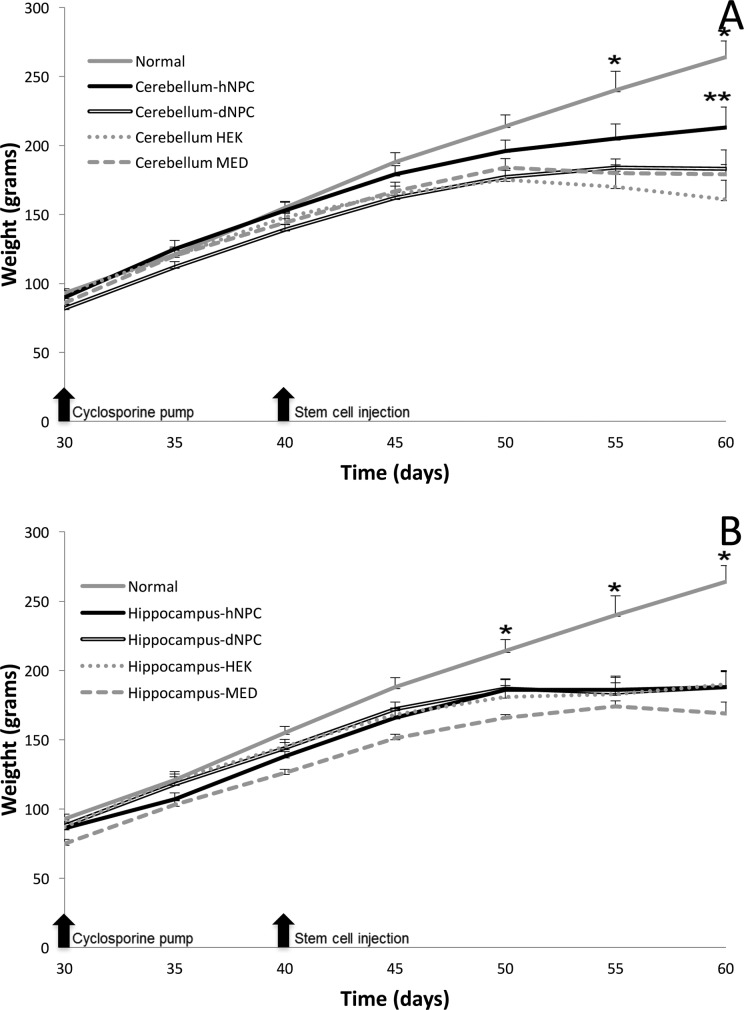
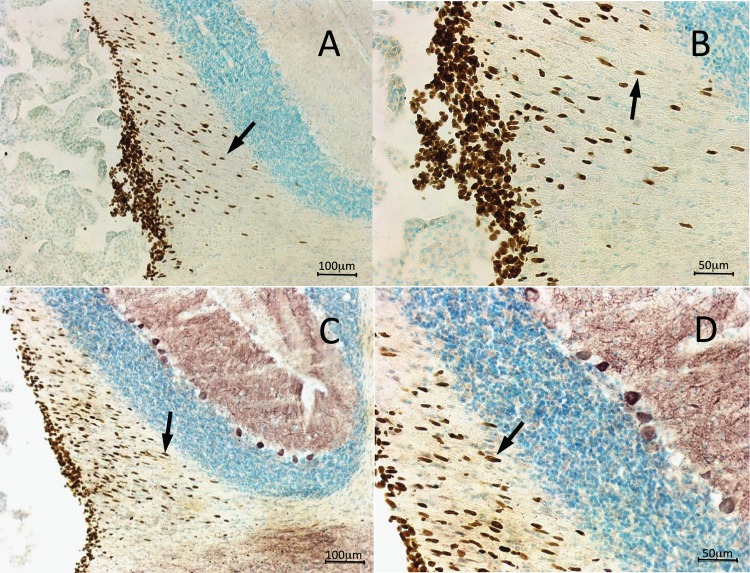
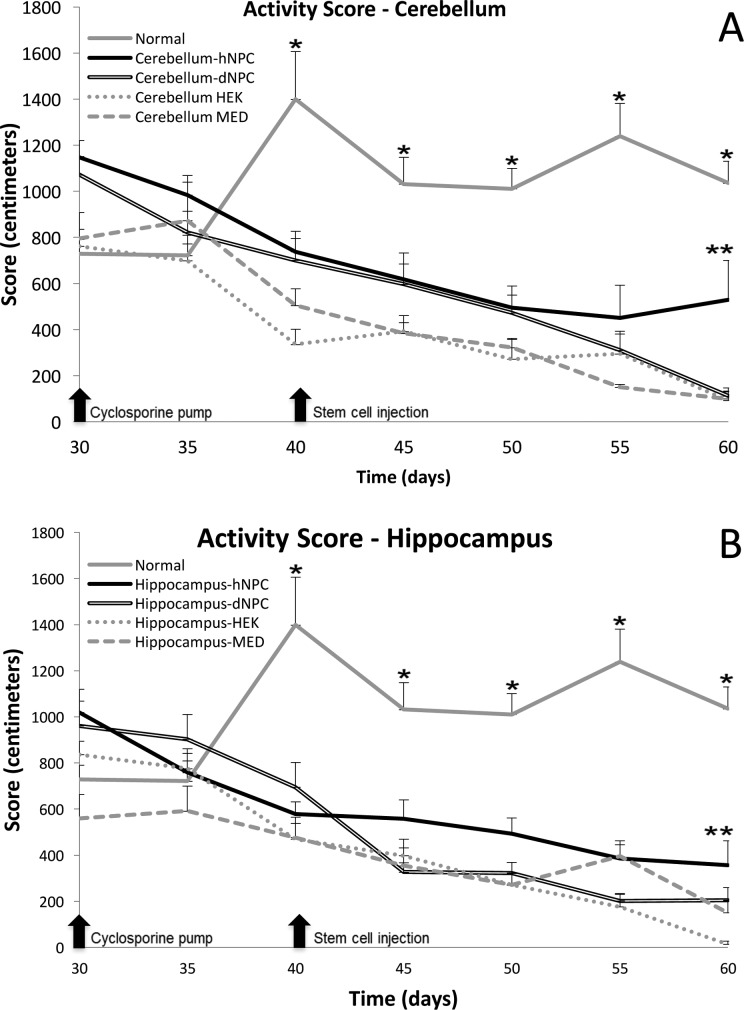
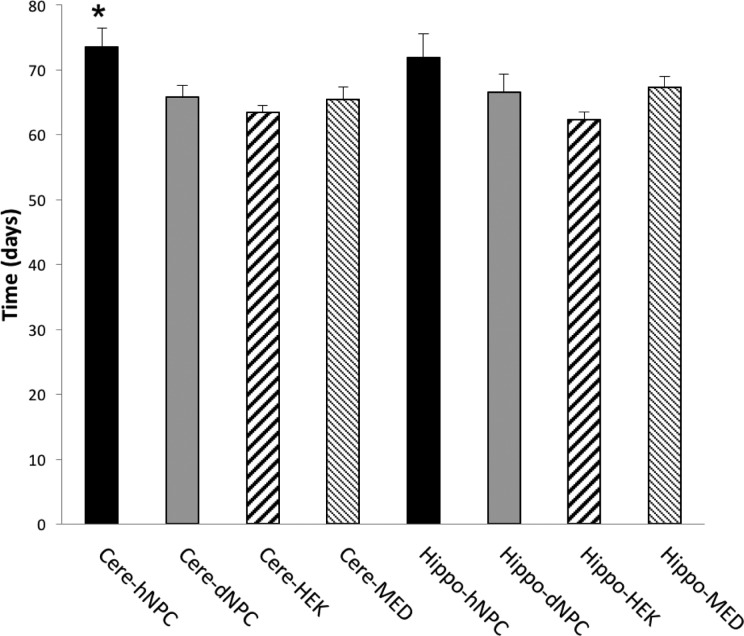
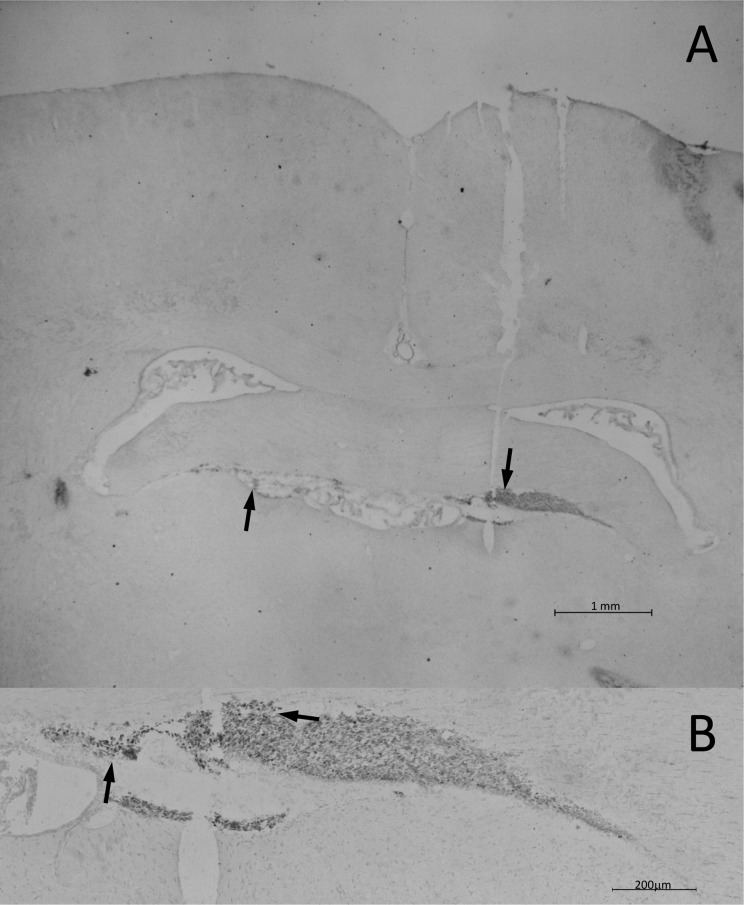
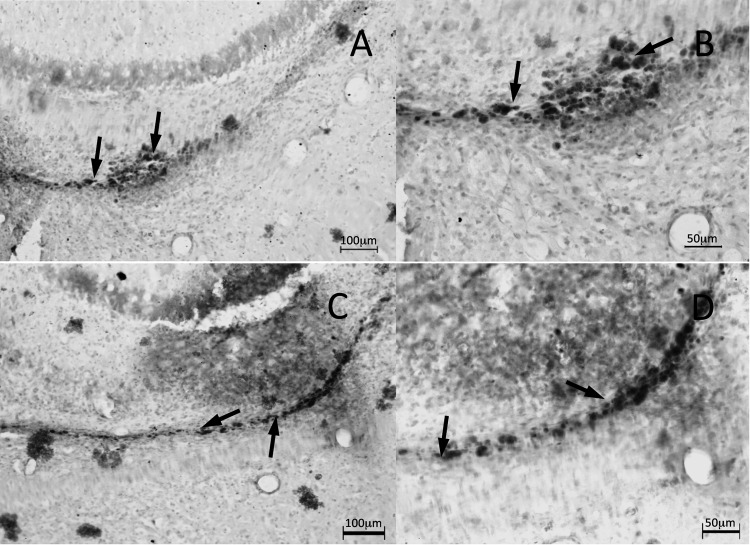
The use of regenerative medicine to treat nervous system disorders like ataxia has been proposed to either replace or support degenerating neurons. In this study, we assessed the ability of human neural progenitor cells (hNPCs) to repair and restore the function of dying neurons within the spastic Han-Wistar rat (sHW), a model of ataxia. The sHW rat suffers from neurodegeneration of specific neurons, including cerebellar Purkinje cells and hippocampal CA3 pyramidal cells leading to the observed symptoms of forelimb tremor, hind-leg rigidity, gait abnormality, motor incoordination, and a shortened life span. To alleviate the symptoms of neurodegeneration and to replace or augment dying neurons, neuronal human progenitor cells were implanted into the sHW rats. At 30 d of age, male sHW mutant rats underwent subcutaneous implantation of an Alzet osmotic pump that infused cyclosporine (15 mg/kg/d) used to suppress the rat's immune system. At 40 d, sHW rats received bilateral injections (500,000 cells in 5 µL media) of live hNPCs, dead hNPCs, live human embryonic kidney cells, or growth media either into the cerebellar cortex or into the hippocampus. To monitor results, motor activity scores (open-field testing) and weights of the animals were recorded weekly. The sHW rats that received hNPC transplantation into the cerebellum, at 60 d of age, displayed significantly higher motor activity scores and sustained greater weights and longevities than control-treated sHW rats or any hippocampal treatment group. In addition, cerebellar histology revealed that the transplanted hNPCs displayed signs of migration and signs of neuronal development in the degenerated Purkinje cell layer. This study revealed that implanted human progenitor cells reduced the ataxic symptoms in the sHW rat, identifying a future clinical use of these progenitor cells against ataxia and associated neurodegenerative diseases.
利用再生医学来治疗诸如共济失调等神经系统疾病,其目的是要么替换要么支持退化神经元。在这项研究中,我们评估了人神经祖细胞(hNPCs)修复和恢复痉挛 Han-Wistar 大鼠(sHW)中死亡神经元功能的能力,sHW 大鼠患有特定神经元的神经退行性变,包括小脑浦肯野细胞和海马 CA3 锥体神经元,导致观察到的前肢震颤、后腿僵硬、步态异常、运动不协调和寿命缩短等症状。为了缓解神经退行性变的症状并替换或增强死亡神经元,将神经元人祖细胞植入 sHW 大鼠中。在 30 天龄时,雄性 sHW 突变大鼠接受皮下植入 Alzet 渗透泵,该泵输注环孢素(15mg/kg/d),用于抑制大鼠的免疫系统。在 40 天龄时,sHW 大鼠接受双侧注射(5µL 培养基中 50 万个活 hNPCs、死 hNPCs、活人胚胎肾细胞或生长培养基),要么注入小脑皮质,要么注入海马。为了监测结果,每周记录动物的运动活动评分(旷场测试)和体重。在 60 天龄时将 hNPC 移植到小脑的 sHW 大鼠,其运动活动评分明显更高,体重和寿命也比对照处理的 sHW 大鼠或任何海马治疗组都要长。此外,小脑组织学显示,移植的 hNPCs 在退化的浦肯野细胞层中表现出迁移和神经元发育的迹象。这项研究表明,植入的人祖细胞减少了 sHW 大鼠的共济失调症状,为这些祖细胞在治疗共济失调和相关神经退行性疾病方面的未来临床应用提供了依据。