Martín-Granado Víctor, Ortiz-Rivero Sara, Carmona Rita, Gutiérrez-Herrero Sara, Barrera Mario, San-Segundo Laura, Sequera Celia, Perdiguero Pedro, Lozano Francisco, Martín-Herrero Francisco, González-Porras José Ramón, Muñoz-Chápuli Ramón, Porras Almudena, Guerrero Carmen
Instituto de Biología Molecular y Celular del Cáncer, USAL-CSIC, Salamanca, Spain.
Instituto de Investigación Biomédica de Salamanca (IBSAL), Salamanca, Spain.
Oncotarget. 2017 Nov 6;8(67):110994-111011. doi: 10.18632/oncotarget.22339. eCollection 2017 Dec 19.
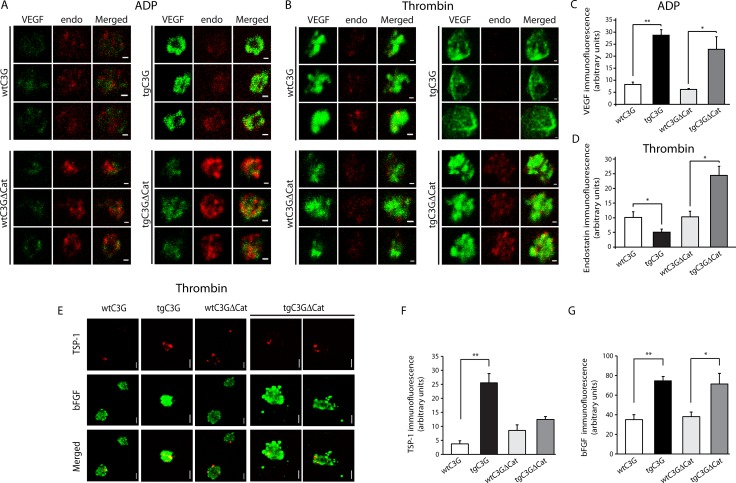
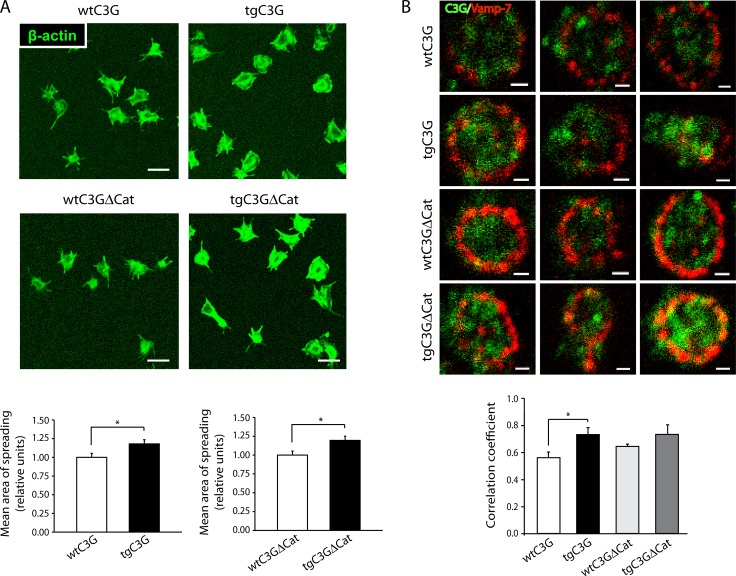
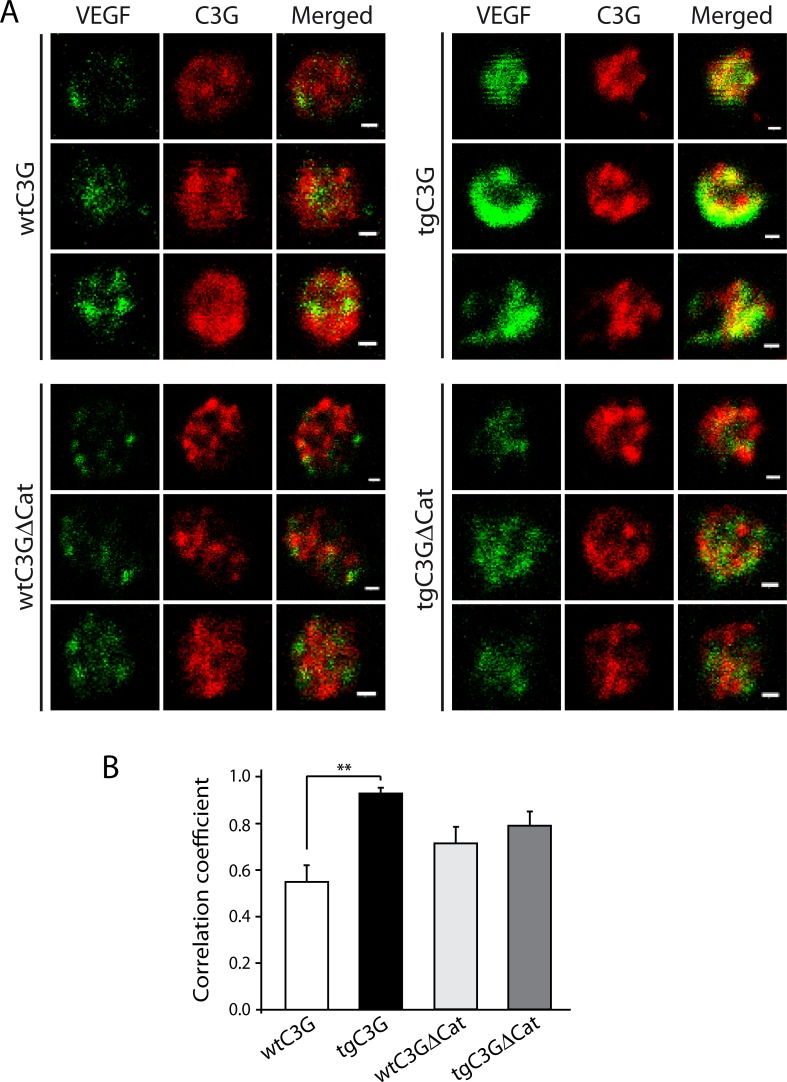
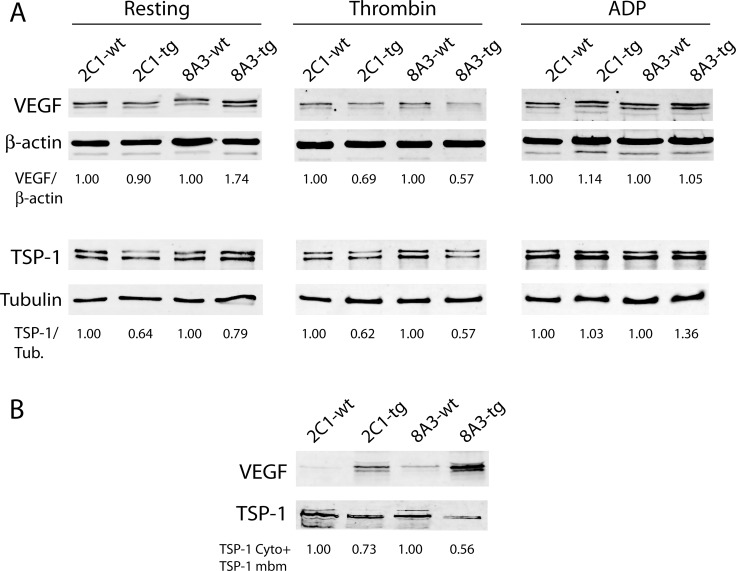
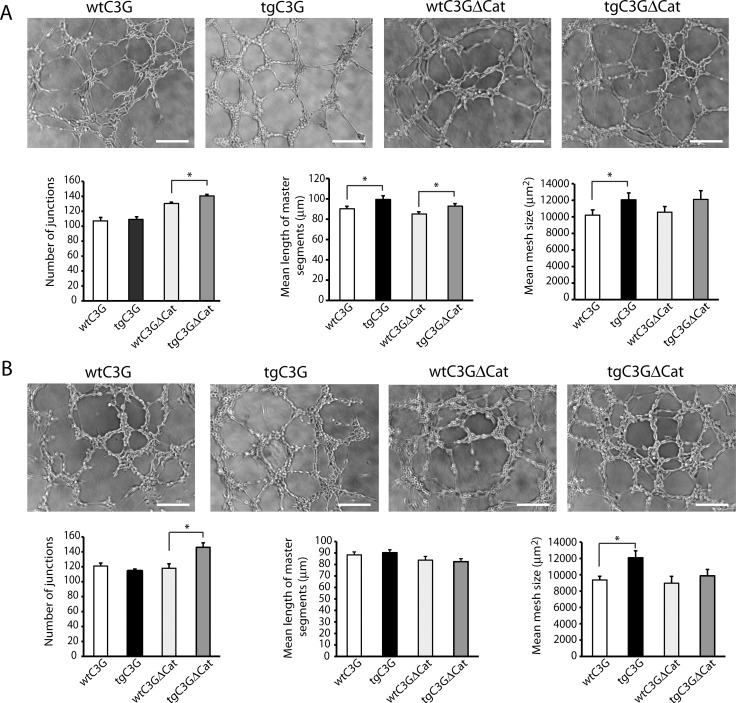
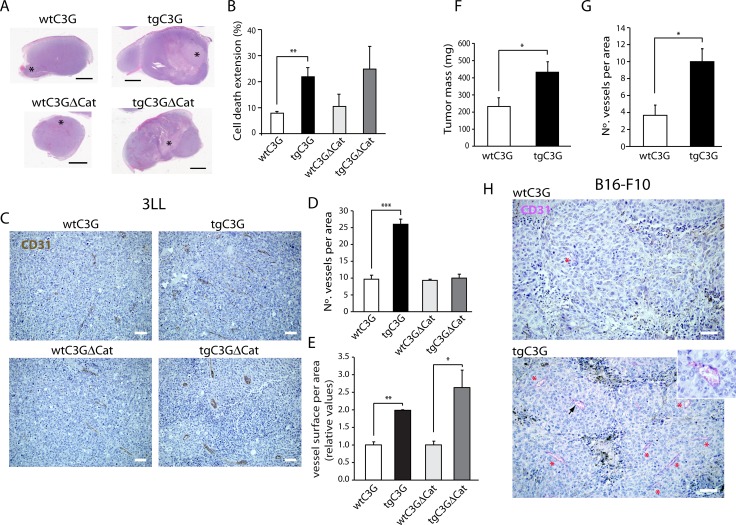
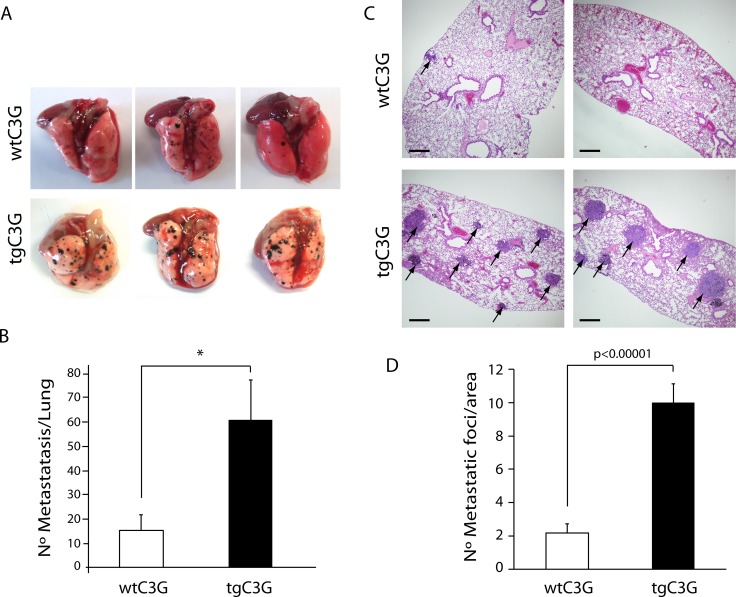
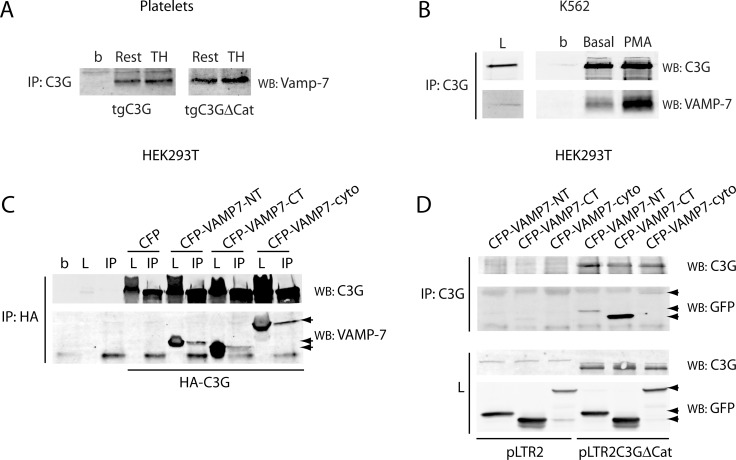
Previous observations indicated that C3G (RAPGEF1) promotes α-granule release, evidenced by the increase in P-selectin exposure on the platelet surface following its activation. The goal of the present study is to further characterize the potential function of C3G as a modulator of the platelet releasate and its implication in the regulation of angiogenesis. Proteomic analysis revealed a decreased secretion of anti-angiogenic factors from activated transgenic C3G and C3G∆Cat platelets. Accordingly, the secretome from both transgenic platelets had an overall pro-angiogenic effect as evidenced by an capillary-tube formation assay with HUVECs (human umbilical vein endothelial cells) and by two models of heterotopic tumor growth. In addition, transgenic C3G expression in platelets greatly increased mouse melanoma cells metastasis. Moreover, immunofluorescence microscopy showed that the pro-angiogenic factors VEGF and bFGF were partially retained into α-granules in thrombin- and ADP-activated mouse platelets from both, C3G and C3GΔCat transgenic mice. The observed interaction between C3G and Vesicle-associated membrane protein (Vamp)-7 could explain these results. Concomitantly, increased platelet spreading in both transgenic platelets upon thrombin activation supports this novel function of C3G in α-granule exocytosis. Collectively, our data point out to the co-existence of Rap1GEF-dependent and independent mechanisms mediating C3G effects on platelet secretion, which regulates pathological angiogenesis in tumors and other contexts. The results herein support an important role for platelet C3G in angiogenesis and metastasis.
先前的观察表明,C3G(RAPGEF1)可促进α颗粒释放,血小板激活后其表面P-选择素暴露增加就证明了这一点。本研究的目的是进一步阐明C3G作为血小板释放物调节剂的潜在功能及其在血管生成调节中的作用。蛋白质组学分析显示,活化的转基因C3G和C3G∆Cat血小板分泌的抗血管生成因子减少。因此,两种转基因血小板的分泌产物总体上具有促血管生成作用,这通过用人脐静脉内皮细胞(HUVECs)进行的毛细管形成试验以及两种异位肿瘤生长模型得到了证实。此外,血小板中转基因C3G的表达大大增加了小鼠黑色素瘤细胞的转移。而且,免疫荧光显微镜检查显示,在来自C3G和C3GΔCat转基因小鼠的凝血酶和ADP激活的小鼠血小板中,促血管生成因子VEGF和bFGF部分保留在α颗粒中。观察到的C3G与囊泡相关膜蛋白(Vamp)-7之间的相互作用可以解释这些结果。同时,凝血酶激活后两种转基因血小板中血小板铺展增加,支持了C3G在α颗粒胞吐作用中的这一新功能。总体而言,我们的数据表明,介导C3G对血小板分泌作用的Rap1GEF依赖性和非依赖性机制并存,这在肿瘤和其他情况下调节病理性血管生成。本文的结果支持血小板C3G在血管生成和转移中起重要作用。