Wang Yan, Sun ZhongSheng, Szyf Moshe
CAS Key Laboratory of Mental Health, Institute of Psychology, Chinese Academy of Sciences, Beijing, China.
Department of Pharmacology and Therapeutics, McGill University Montreal, Quebec, Canada.
Oncotarget. 2017 Dec 5;8(67):111866-111881. doi: 10.18632/oncotarget.22942. eCollection 2017 Dec 19.
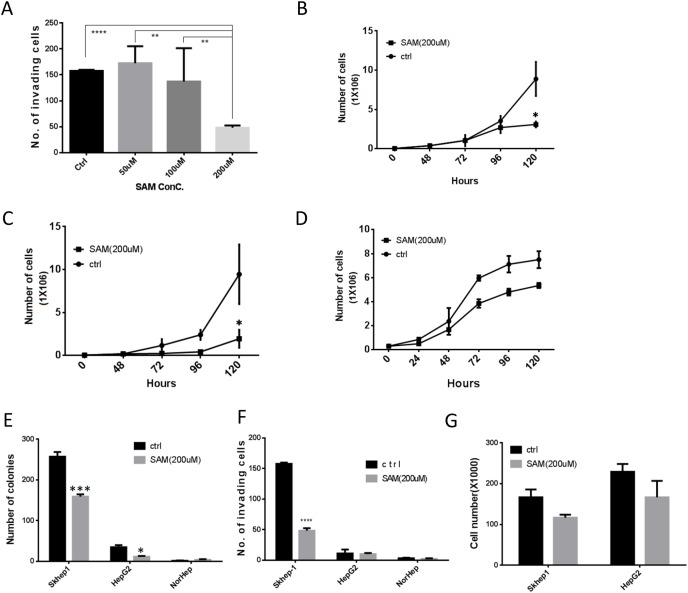
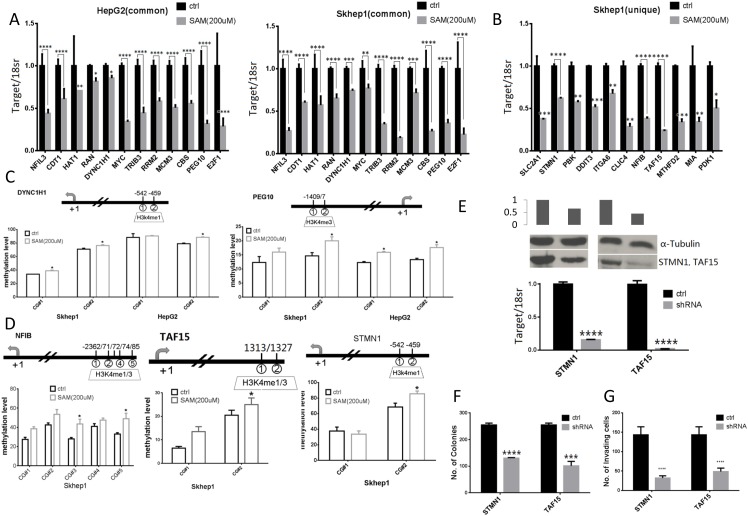
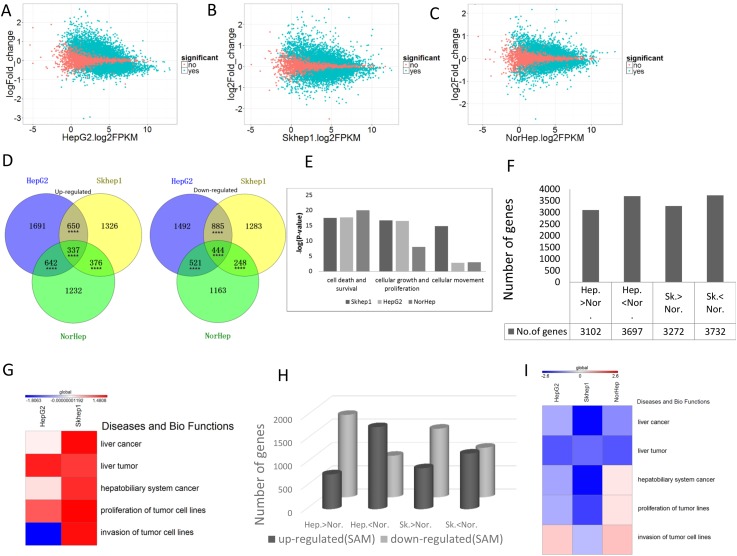
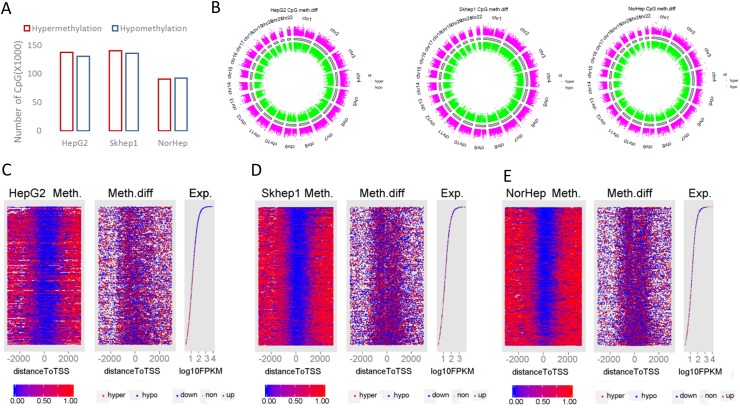
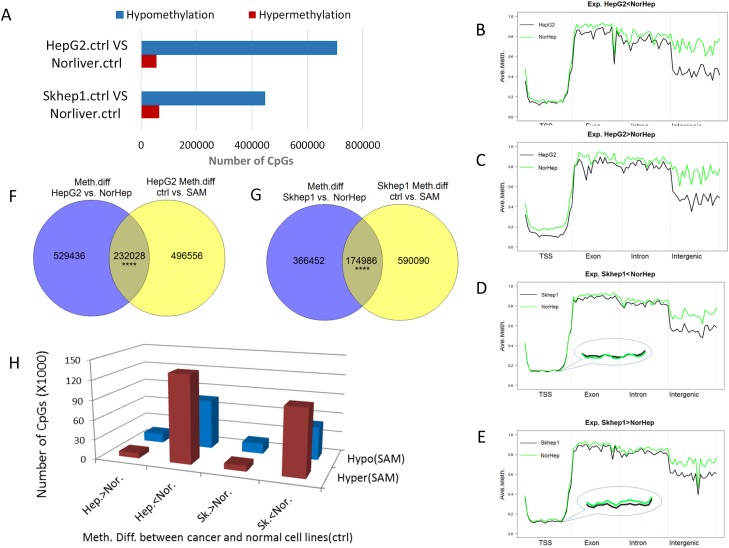
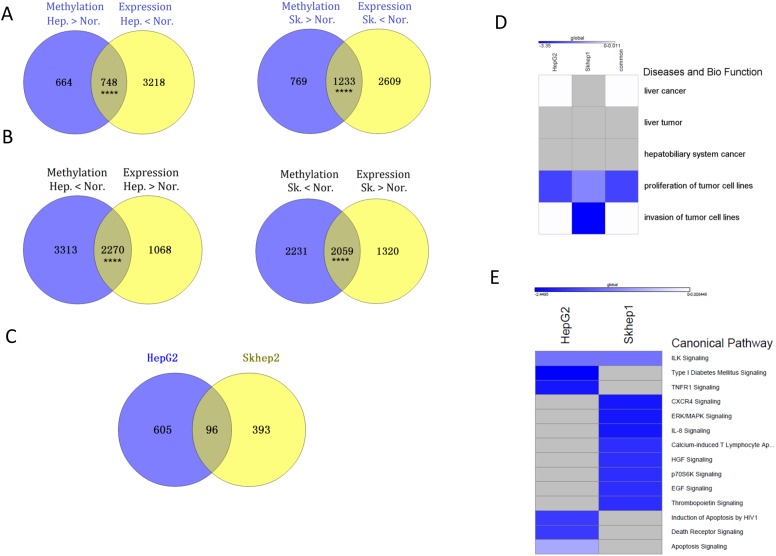
S-adenosyl methionine (SAM) is a ubiquitous methyl donor that was reported to have chemo- protective activity against liver cancer, however the molecular footprint of SAM is unknown. We show here that SAM selectively inhibits growth, transformation and invasiveness of hepatocellular carcinoma cell lines but not normal primary liver cells. Analysis of the transcriptome of SAM treated and untreated liver cancer cell lines HepG2 and SKhep1 and primary liver cells reveals pathways involved in cancer and metastasis that are upregulated in cancer cells and are downregulated by SAM. Analysis of the methylome using bisulfite mapping of captured promoters and enhancers reveals that SAM hyper-methylates and downregulates genes in pathways of growth and metastasis that are upregulated in liver cancer cells. Depletion of two SAM downregulated genes and reduces cellular transformation and invasiveness, providing evidence that SAM targets are genes important for cancer growth and invasiveness. Taken together these data provide a molecular rationale for SAM as an anticancer agent.
S-腺苷甲硫氨酸(SAM)是一种广泛存在的甲基供体,据报道它对肝癌具有化学保护活性,然而SAM的分子作用机制尚不清楚。我们在此表明,SAM能选择性抑制肝癌细胞系的生长、转化和侵袭能力,但对正常原代肝细胞无此作用。对经SAM处理和未处理的肝癌细胞系HepG2和SKhep1以及原代肝细胞的转录组分析揭示了参与癌症和转移的信号通路,这些通路在癌细胞中上调,而被SAM下调。使用捕获的启动子和增强子的亚硫酸氢盐图谱对甲基化组进行分析表明,SAM使肝癌细胞中上调的生长和转移信号通路中的基因发生高甲基化并下调其表达。两个被SAM下调的基因的缺失会降低细胞转化和侵袭能力,这证明SAM的作用靶点是对癌症生长和侵袭至关重要的基因。综上所述,这些数据为SAM作为抗癌剂提供了分子理论依据。