Liu Bing, Wang Hui, Qin Qing-Hua
College of Civil Engineering and Architecture, Henan University of Technology, Zhengzhou 450001, China.
State Key Laboratory of Structural Analysis for Industrial Equipment, Dalian University of Technology, Dalian 116024, China.
Materials (Basel). 2018 Jan 14;11(1):133. doi: 10.3390/ma11010133.
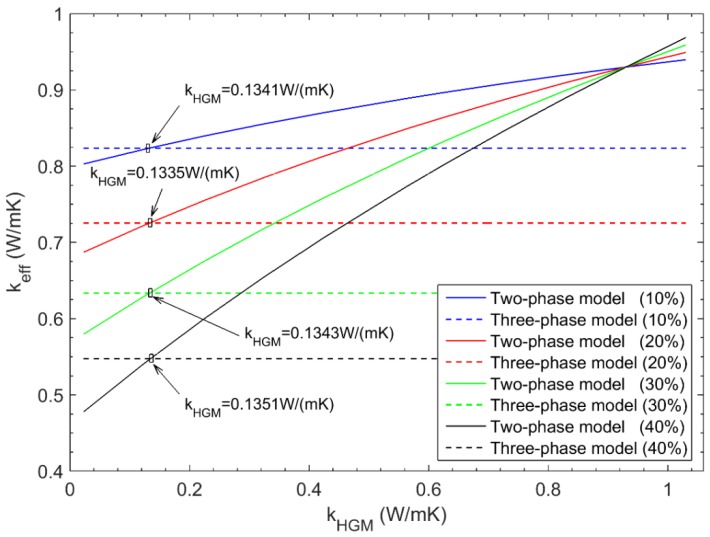
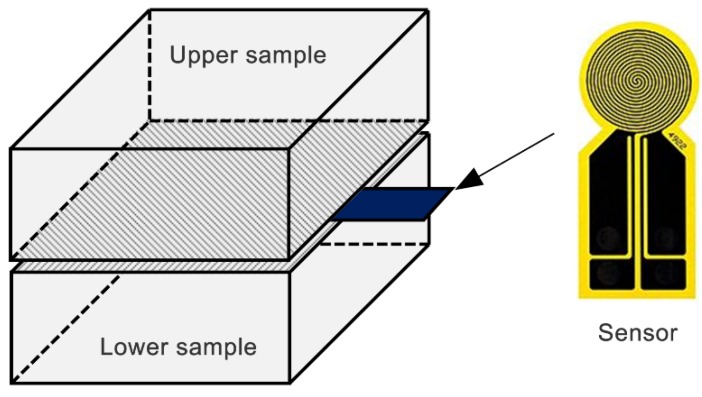
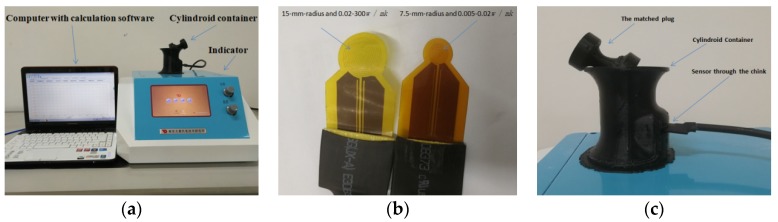
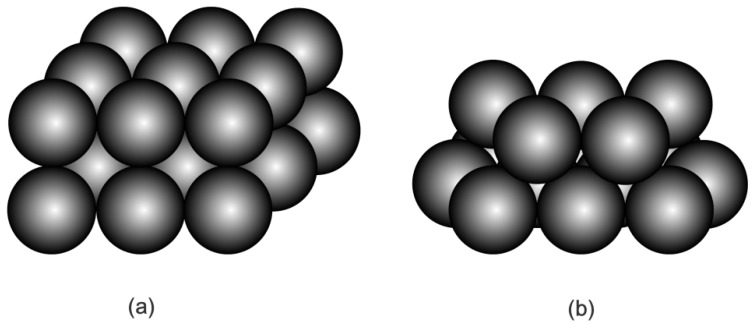
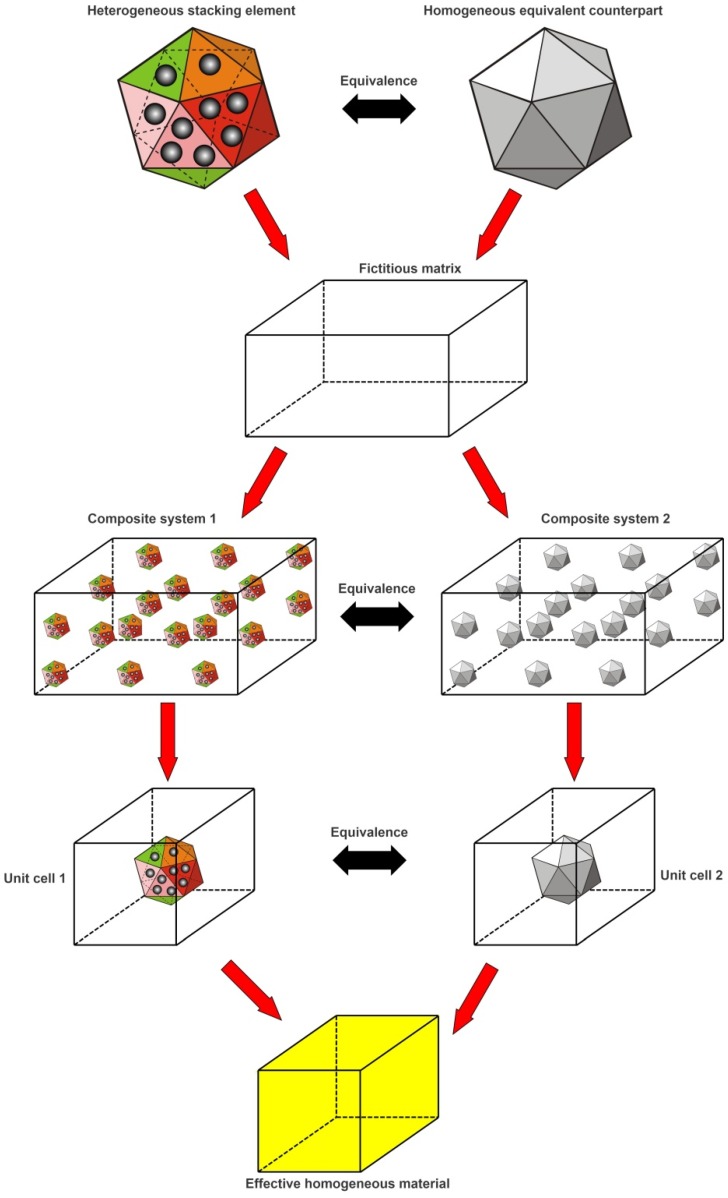
Tiny hollow glass microsphere (HGM) can be applied for designing new light-weighted and thermal-insulated composites as high strength core, owing to its hollow structure. However, little work has been found for studying its own overall thermal conductivity independent of any matrix, which generally cannot be measured or evaluated directly. In this study, the overall thermal conductivity of HGM is investigated experimentally and numerically. The experimental investigation of thermal conductivity of HGM powder is performed by the transient plane source (TPS) technique to provide a reference to numerical results, which are obtained by a developed three-dimensional two-step hierarchical computational method. In the present method, three heterogeneous HGM stacking elements representing different distributions of HGMs in the powder are assumed. Each stacking element and its equivalent homogeneous solid counterpart are, respectively, embedded into a fictitious matrix material as fillers to form two equivalent composite systems at different levels, and then the overall thermal conductivity of each stacking element can be numerically determined through the equivalence of the two systems. The comparison of experimental and computational results indicates the present computational modeling can be used for effectively predicting the overall thermal conductivity of single HGM and its powder in a flexible way. Besides, it is necessary to note that the influence of thermal interfacial resistance cannot be removed from the experimental results in the TPS measurement.
微小空心玻璃微球(HGM)由于其空心结构,可作为高强度核心用于设计新型轻质隔热复合材料。然而,很少有研究致力于独立于任何基体来研究其自身的整体热导率,因为通常无法直接测量或评估。在本研究中,对HGM的整体热导率进行了实验和数值研究。通过瞬态平面热源(TPS)技术对HGM粉末的热导率进行实验研究,为数值结果提供参考,数值结果通过一种改进的三维两步分层计算方法获得。在本方法中,假设了三种代表粉末中HGM不同分布的非均质HGM堆积单元。每个堆积单元及其等效的均质固体对应物分别作为填料嵌入虚拟基体材料中,形成两个不同层次的等效复合体系,然后通过两个体系的等效性数值确定每个堆积单元的整体热导率。实验结果与计算结果的比较表明,目前的计算模型可用于灵活有效地预测单个HGM及其粉末的整体热导率。此外,需要注意的是,在TPS测量中,热界面电阻的影响无法从实验结果中消除。