Dipartimento di Scienze Farmacologiche e Biomolecolari, Università degli Studi di Milano, Milano, Italy.
Department of Neuroscience, IRCCS-Mario Negri Institute for Pharmacological Research, Milano, Italy.
Biol Sex Differ. 2018 Jan 19;9(1):6. doi: 10.1186/s13293-018-0164-z.
Disruption of axonal transport plays a pivotal role in diabetic neuropathy. A sex-dimorphism exists in the incidence and symptomatology of diabetic neuropathy; however, no studies so far have addressed sex differences in axonal motor proteins expression in early diabetes as well as the possible involvement of neuroactive steroids. Interestingly, recent data point to a role for mitochondria in the sexual dimorphism of neurodegenerative diseases. Mitochondria have a fundamental role in axonal transport by producing the motors' energy source, ATP. Moreover, neuroactive steroids can also regulate mitochondrial function.
Here, we investigated the impact of short-term diabetes in the peripheral nervous system of male and female rats on key motor proteins important for axonal transport, mitochondrial function, and neuroactive steroids levels.
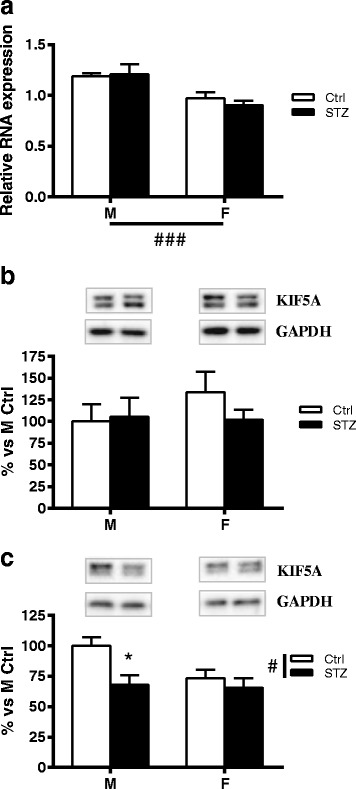
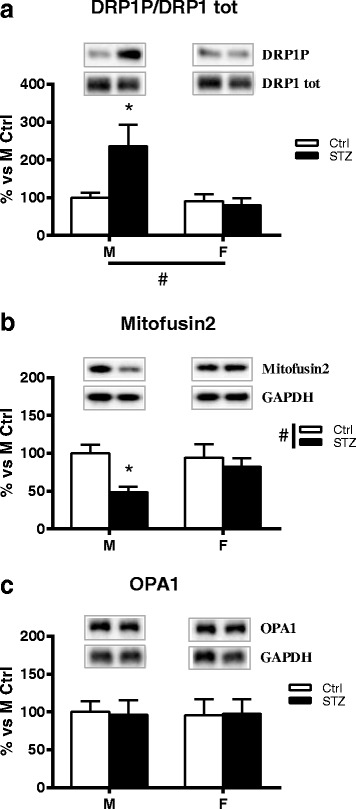
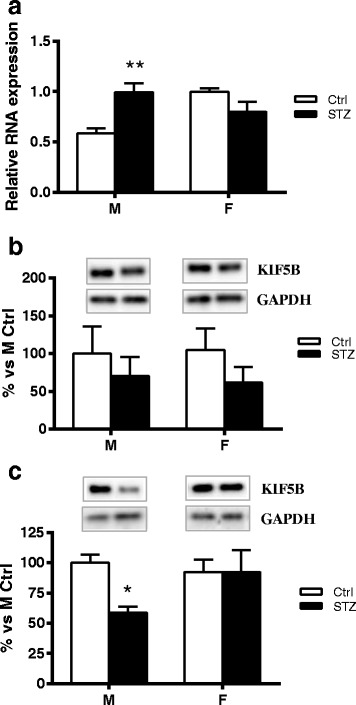
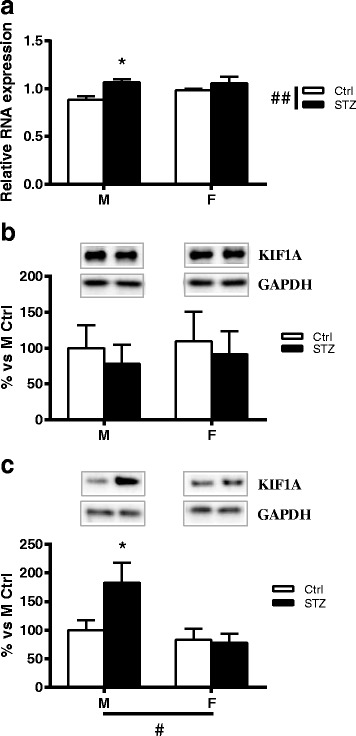
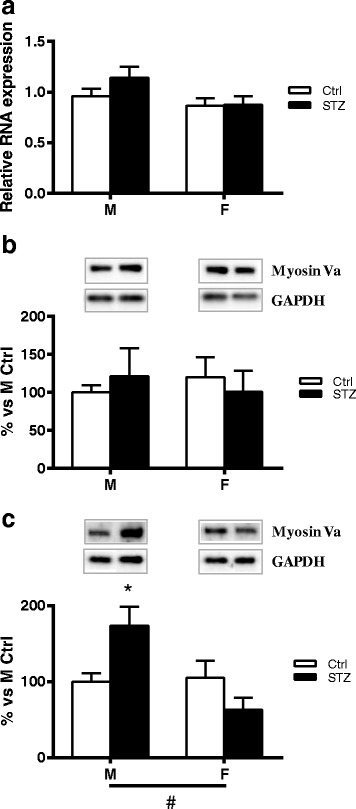
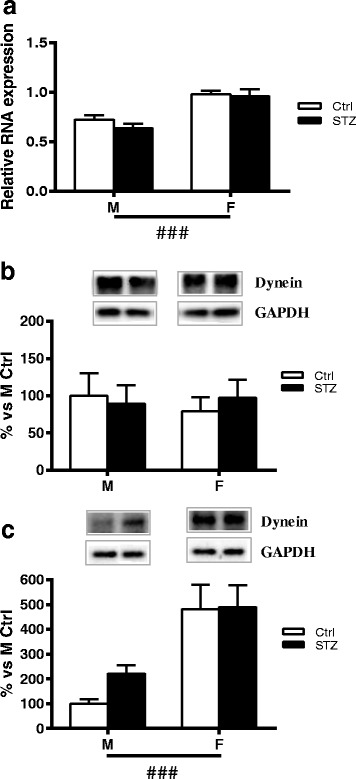
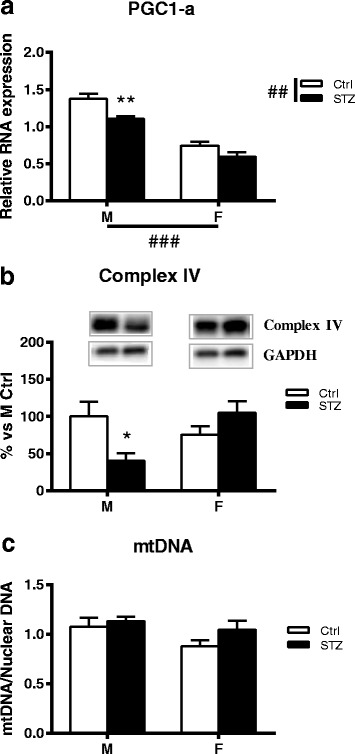
We show that short-term diabetes alters mRNA levels and axoplasm protein contents of kinesin family member KIF1A, KIF5B, KIF5A and Myosin Va in male but not in female rats. Similarly, the expression of peroxisome proliferator-activated receptor γ co-activator-1α, a subunit of the respiratory chain complex IV, ATP levels and the key regulators of mitochondrial dynamics were affected in males but not in females. Concomitant analysis of neuroactive steroid levels in sciatic nerve showed an alteration of testosterone, dihydrotestosterone, and allopregnanolone in diabetic males, whereas no changes were observed in female rats.
These findings suggest that sex-specific decrease in neuroactive steroid levels in male diabetic animals may cause an alteration in their mitochondrial function that in turn might impact in axonal transport, contributing to the sex difference observed in diabetic neuropathy.
轴突运输的中断在糖尿病性神经病中起着关键作用。糖尿病性神经病的发病率和症状存在性别差异;然而,迄今为止,尚无研究探讨早期糖尿病中轴突运动蛋白表达的性别差异以及神经活性类固醇的可能参与。有趣的是,最近的数据表明线粒体在神经退行性疾病的性别二态性中起作用。线粒体通过产生电机的能量源 ATP,在轴突运输中起着根本作用。此外,神经活性类固醇也可以调节线粒体功能。
在这里,我们研究了短期糖尿病对雄性和雌性大鼠周围神经系统中对轴突运输、线粒体功能和神经活性类固醇水平很重要的关键运动蛋白的影响。
我们表明,短期糖尿病改变了雄性大鼠而非雌性大鼠中驱动蛋白家族成员 KIF1A、KIF5B、KIF5A 和肌球蛋白 Va 的 mRNA 水平和轴浆蛋白含量。同样,过氧化物酶体增殖物激活受体 γ 共激活因子 1α(呼吸链复合物 IV 的一个亚基)、ATP 水平和线粒体动力学的关键调节剂的表达在雄性大鼠中受到影响,但在雌性大鼠中没有受到影响。对坐骨神经中神经活性类固醇水平的同时分析显示,糖尿病雄性动物的睾酮、二氢睾酮和别孕烯醇酮水平发生变化,而雌性大鼠则没有变化。
这些发现表明,雄性糖尿病动物中神经活性类固醇水平的性别特异性降低可能导致其线粒体功能发生改变,进而可能影响轴突运输,从而导致糖尿病性神经病中观察到的性别差异。