Cotter Eric J, Frank Rachel M, Trenhaile Scott W
Department of Orthopaedic Surgery, Rush University Medical Center, Chicago, Illinois, U.S.A.
CU Sports Medicine, Department of Orthopedics, University of Colorado School of Medicine, Boulder, Colorado, U.S.A.
Arthrosc Tech. 2017 Sep 18;6(5):e1587-e1591. doi: 10.1016/j.eats.2017.06.040. eCollection 2017 Oct.
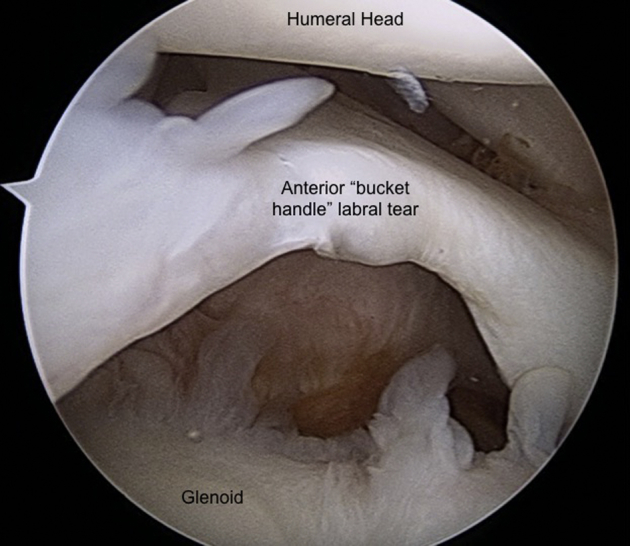
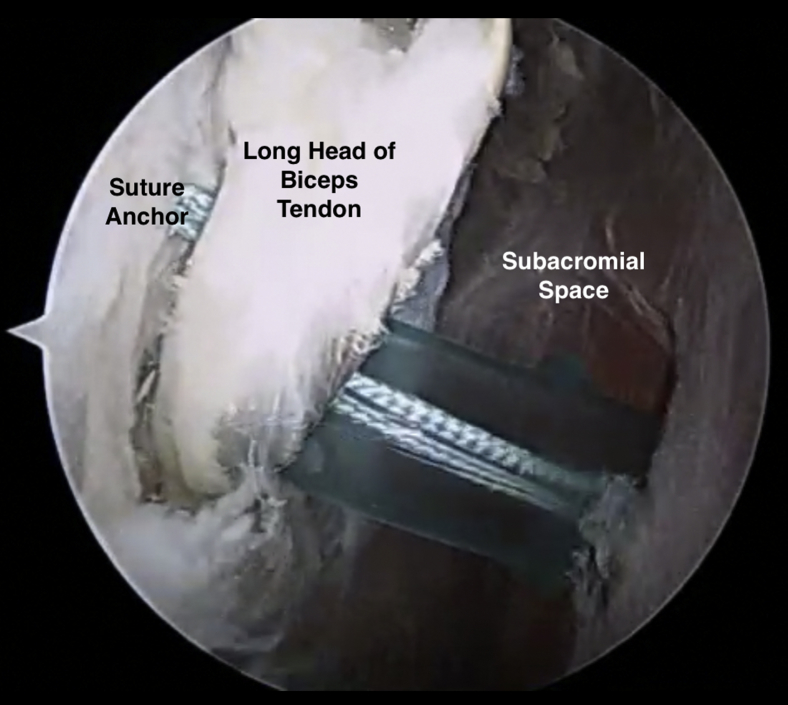
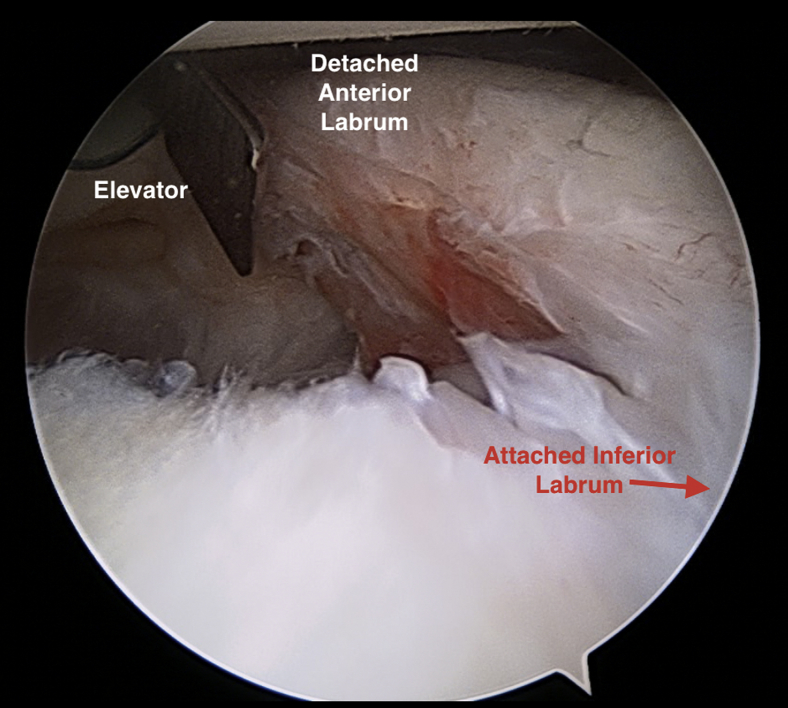
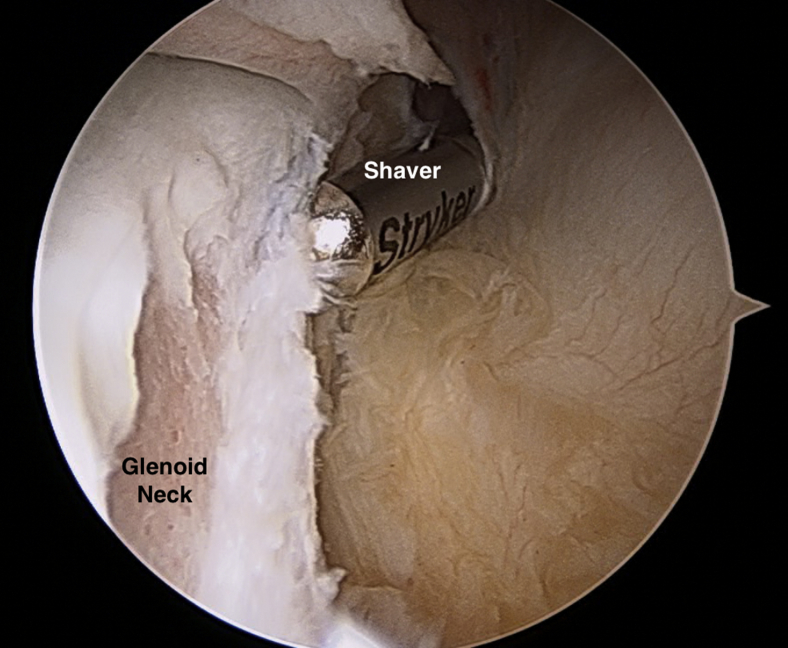
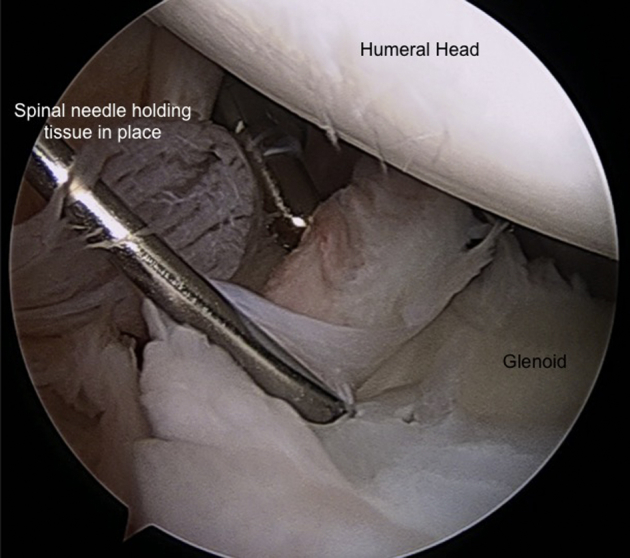
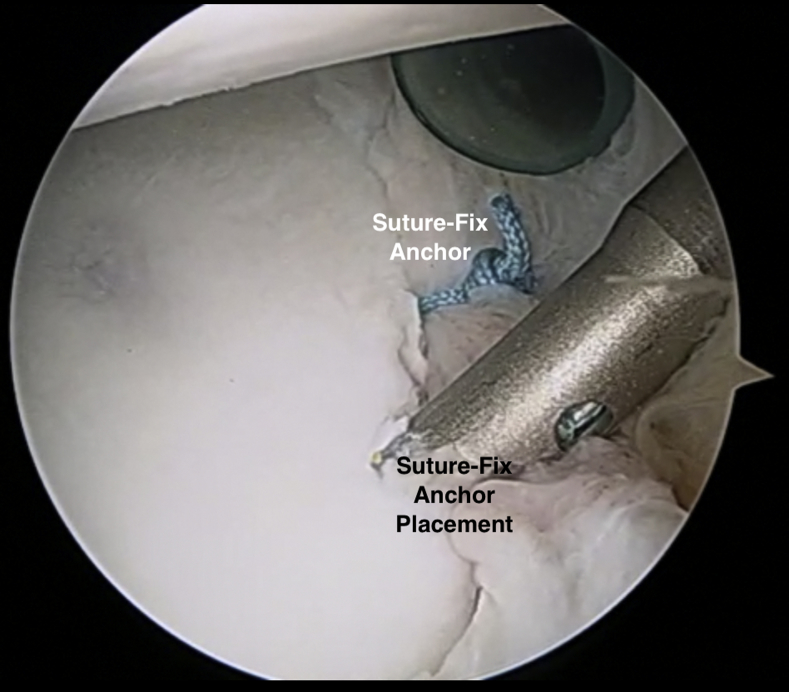
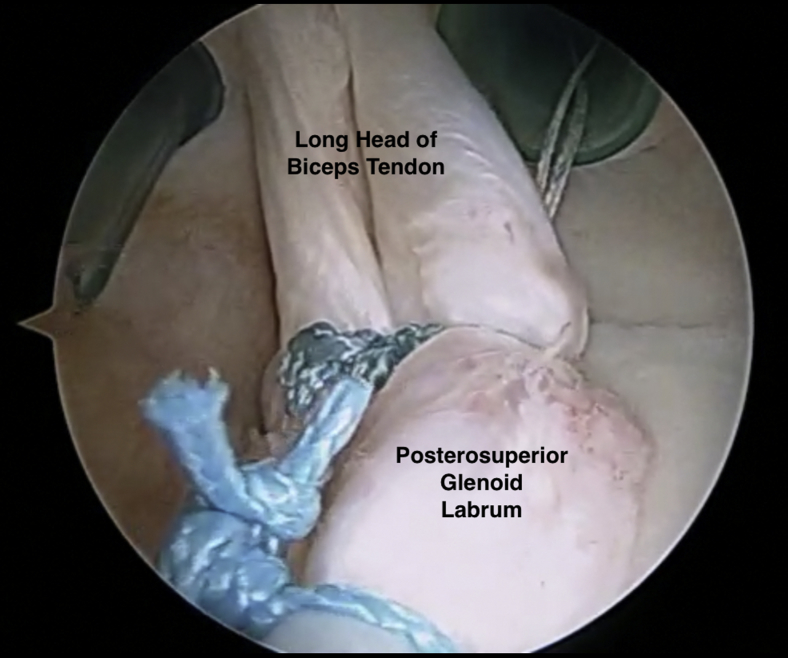
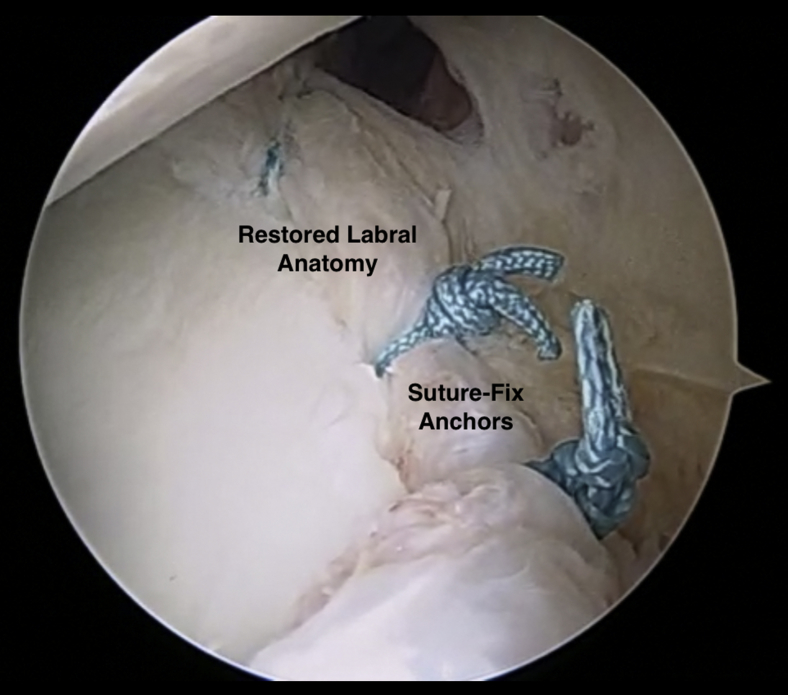
Traumatic glenohumeral dislocations often result in significant injury to the anterior-inferior labrum, most commonly leading to recurrent anterior instability. While in skeletally immature patients, shoulder trauma more commonly results in fracture versus a true dislocation, shoulder instability does occur and can be difficult to manage in the setting of open physes. In any event, the goal of treatment is to reduce the risk of recurrence and allow full participation in activities, including sports. Arthroscopic stabilization has been shown to be an effective treatment option for young patients, with good return to sport rates; however, the vast majority of literature on shoulder instability in the youth patient population focuses on anterior instability. Concomitant lesions of the anterior, posterior, and superior labrum have been rarely described in youth athletes and present a formidable clinical challenge, particularly in skeletally immature patients. In this Technical Note, we describe the authors' preferred technique for arthroscopic repair of a traumatic triple labral tear, including anterior, posterior, and type IV SLAP components, in adolescent patients.
创伤性肩关节前脱位常导致前下盂唇严重损伤,最常见的是导致复发性前向不稳定。在骨骼未成熟的患者中,肩部创伤更常导致骨折而非真正的脱位,但肩部不稳定确实会发生,并且在开放骨骺的情况下可能难以处理。无论如何,治疗的目标是降低复发风险,并允许患者充分参与包括运动在内的活动。关节镜下稳定术已被证明是治疗年轻患者的有效选择,恢复运动的比例良好;然而,关于青少年患者肩部不稳定的绝大多数文献都集中在前向不稳定上。青少年运动员中前、后和上盂唇的合并损伤很少被描述,并且带来了巨大的临床挑战,尤其是在骨骼未成熟的患者中。在本技术说明中,我们描述了作者针对青少年患者关节镜修复创伤性三联盂唇撕裂(包括前、后和IV型SLAP损伤)的首选技术。