Faculty of Science, Health, Education and Engineering, University of the Sunshine Coast, Maroochydore DC, QLD 4558, Australia.
Australian Institute for Bioengineering and Nanotechnology (AIBN), University of Queensland, St Lucia, QLD 4072, Australia.
Molecules. 2018 Jan 25;23(2):234. doi: 10.3390/molecules23020234.
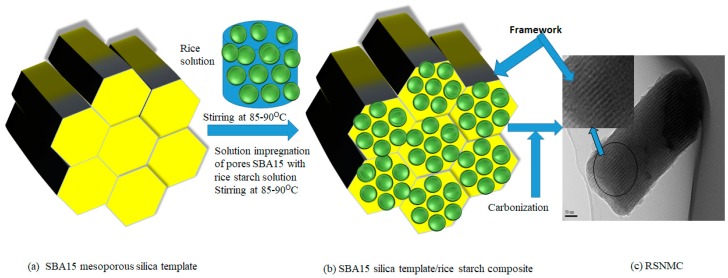
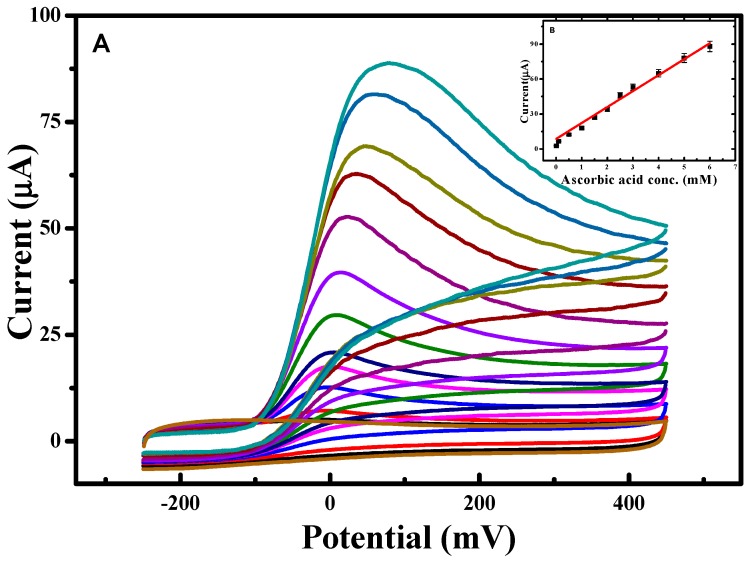
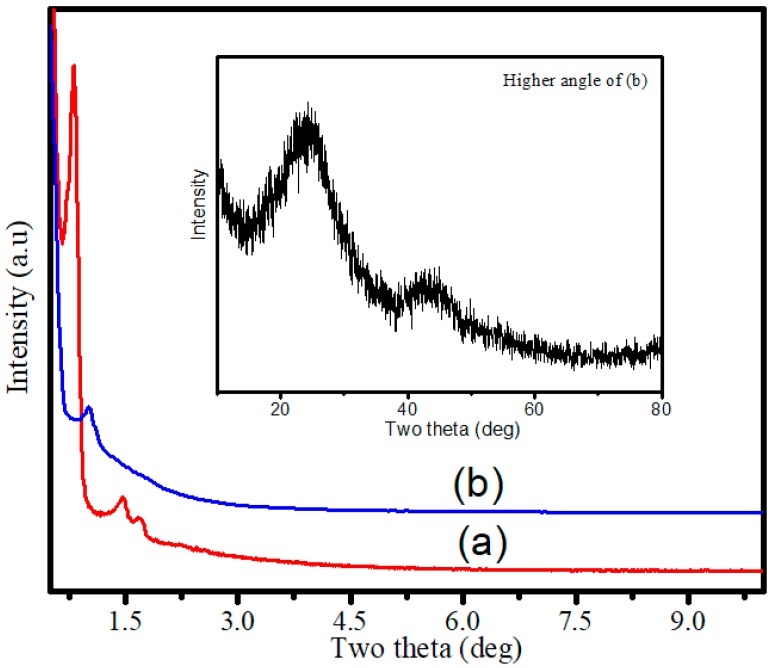
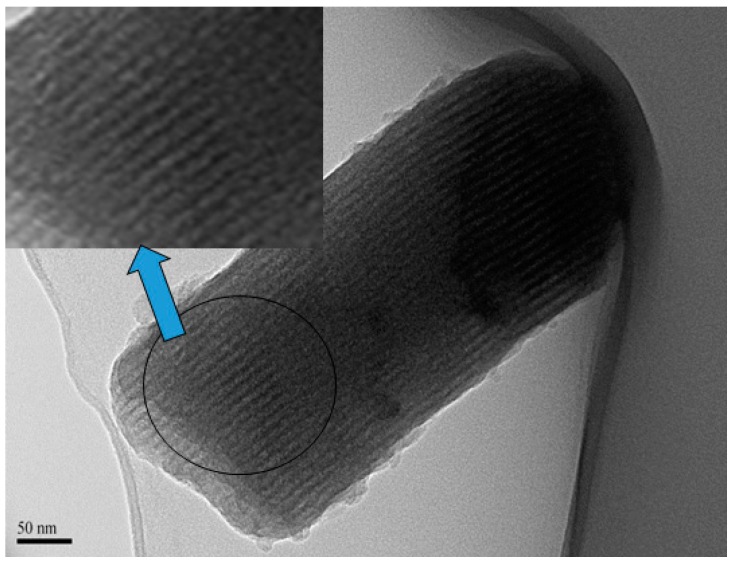
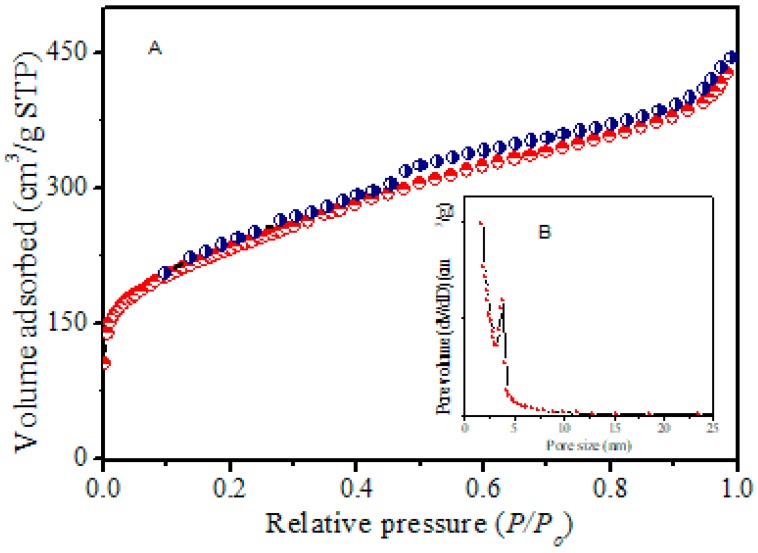
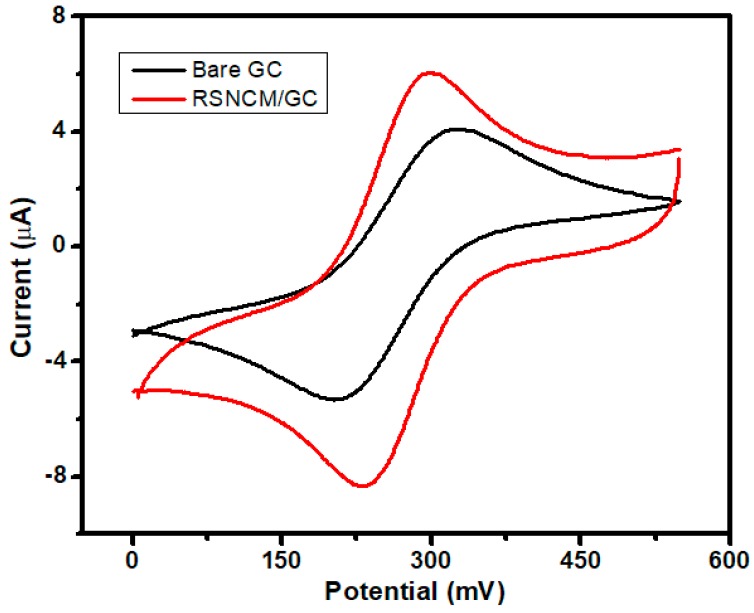
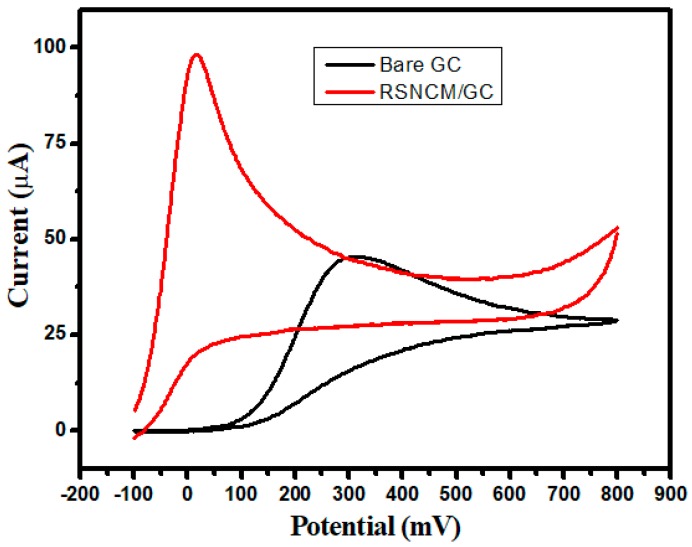
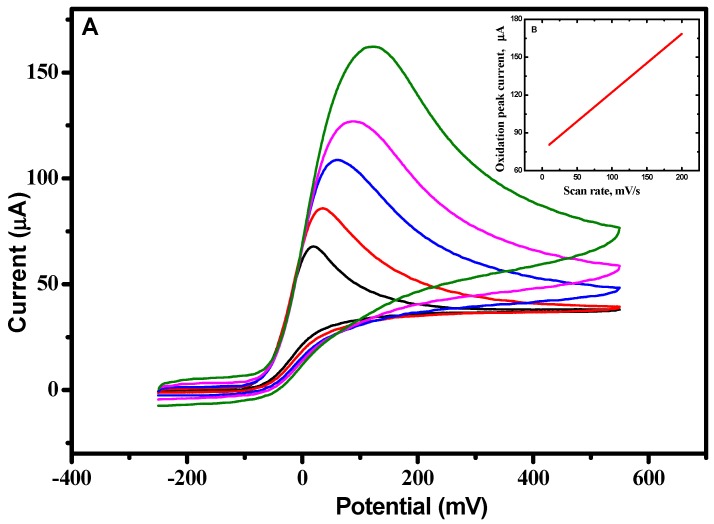
Rice starch (RS-)based nano/mesoporous carbon (RSNMC) was prepared via a hard-templating route using cheap rice starch as a carbon source. XRD and TEM characterization indicated the formation of organized nanoporous RSNMC. Nitrogen absorption-desorption studies revealed a high surface area of up to 488 m²∙g, uniform pore size of 3.92 nm, and pore volume of 1.14 cm³∙g. A RSNMC-modified glassy carbon (GC) electrode was employed for the determination of ascorbic acid (AA) and exhibited a linear response in the concentration range of 0.005-6.0 mM with a detection limit of 0.003 mM. These results demonstrate that RSNMC has potential as an advanced and cheap electrode material for electrochemical sensing and other electrocatalytic applications.
以廉价的大米淀粉为碳源,通过硬模板法制备了基于大米淀粉的纳米/介孔碳(RSNMC)。XRD 和 TEM 表征表明形成了具有组织的纳米多孔 RSNMC。氮吸收-解吸研究表明,比表面积高达 488 m²∙g,孔径均匀为 3.92nm,孔体积为 1.14cm³∙g。将 RSNMC 修饰的玻碳(GC)电极用于测定抗坏血酸(AA),在 0.005-6.0mM 的浓度范围内呈现线性响应,检测限为 0.003mM。这些结果表明,RSNMC 作为电化学传感和其他电催化应用的先进廉价电极材料具有潜力。