Al-Yateem Nabeel, Rossiter Rachel Cathrine, Robb Walter Frederick, Slewa-Younan Shameran
1College of Health Sciences, University of Sharjah, Sharjah, United Arab Emirates.
2Research Institute for Medical and Health Sciences (RIMHS), University of Sharjah, Sharjah, United Arab Emirates.
Int J Ment Health Syst. 2018 Jan 22;12:6. doi: 10.1186/s13033-018-0184-4. eCollection 2018.
To support promotion, prevention and early intervention for mental illness school nurses need to be mental health literate.
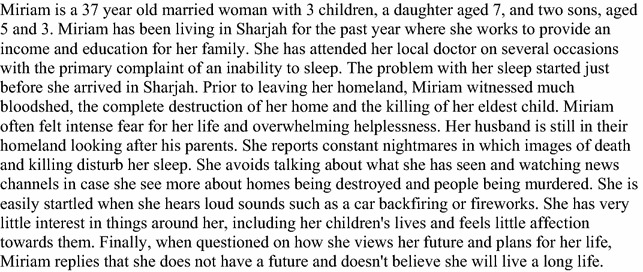
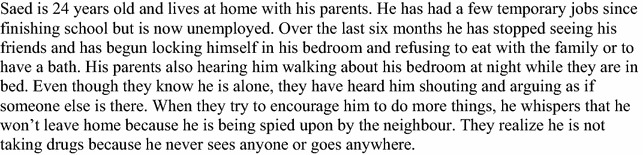
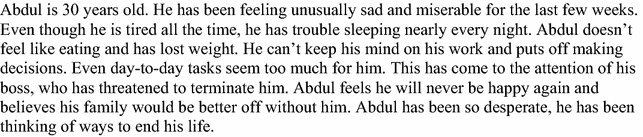
Three hundred and thirty-nine school nurses employed in government and private schools from three Emirates in the UAE were surveyed. A culturally adapted Mental Health Literacy questionnaire comprising three vignettes of fictional characters meeting diagnostic criteria for the target conditions along with the Kessler Psychological Distress Scale (K10) was administered to ascertain school nurses' ability to correctly identify the conditions and to elicit beliefs about helpfulness of treatment interventions and of health care providers for these conditions.
Less than 50% of the respondents correctly identified the disorders presented, while accurate identification of evidence-based interventions was also limited. Correlations between level of psychological distress and level of inaccurate survey responses was also revealed, respondents who correctly identified the correct diagnosis of the vignette and the most appropriate interventions were those who had a significantly lower K10 score.
Low levels of mental health literacy amongst respondents in combination with potential religious and cultural factors as reported in the literature, highlight the need for curriculum enhancements for future health professionals and a targeted program of culturally appropriate professional development focused on mental health promotion for those in clinical practice. The level of psychological distress noted in this cohort also signals a need to ensure that appropriate supports are available for clinical staff employed in schools.
为支持精神疾病的推广、预防和早期干预,学校护士需要具备心理健康素养。
对阿联酋三个酋长国政府和私立学校雇佣的339名学校护士进行了调查。采用一份经过文化改编的心理健康素养问卷,其中包括三个符合目标疾病诊断标准的虚构人物小案例,以及凯斯勒心理困扰量表(K10),以确定学校护士正确识别这些疾病的能力,并引出他们对治疗干预措施以及医疗服务提供者对这些疾病的帮助作用的看法。
不到50%的受访者正确识别了所呈现的疾病,同时对循证干预措施的准确识别也很有限。还揭示了心理困扰程度与不准确调查回答程度之间的相关性,正确识别小案例的正确诊断和最合适干预措施的受访者,其K10得分显著较低。
受访者心理健康素养水平较低,再加上文献中报道的潜在宗教和文化因素,凸显了对未来卫生专业人员加强课程设置的必要性,以及针对临床实践人员开展一项注重心理健康促进的、符合文化背景的针对性专业发展计划的必要性。该队列中所指出的心理困扰程度也表明需要确保为学校雇佣的临床工作人员提供适当的支持。