Yang Qian, Roehrl Michael H, Wang Julia Y
Department of Laboratory Medicine and Pathobiology, University of Toronto, Toronto, Canada.
Ontario Cancer Institute, University Health Network, Toronto, Canada.
Oncotarget. 2017 Dec 22;9(3):3996-4019. doi: 10.18632/oncotarget.23583. eCollection 2018 Jan 9.
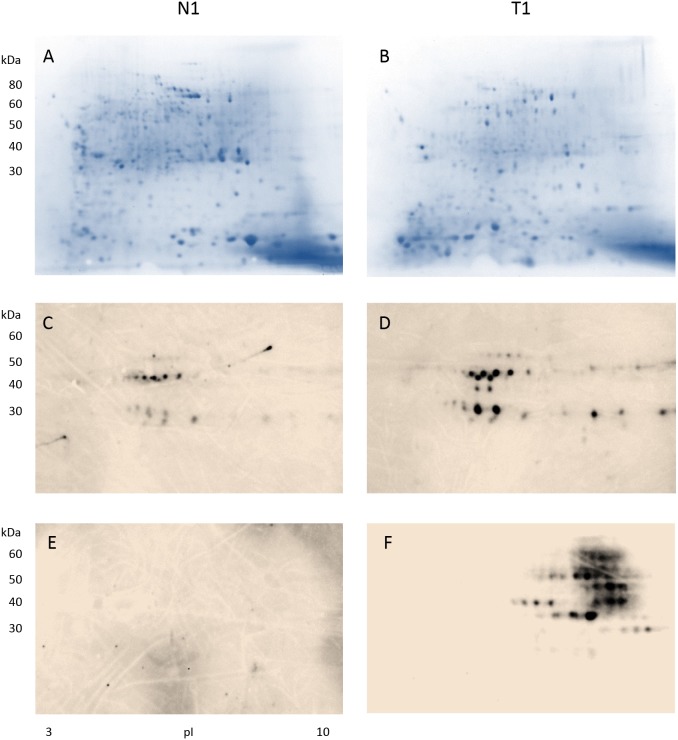
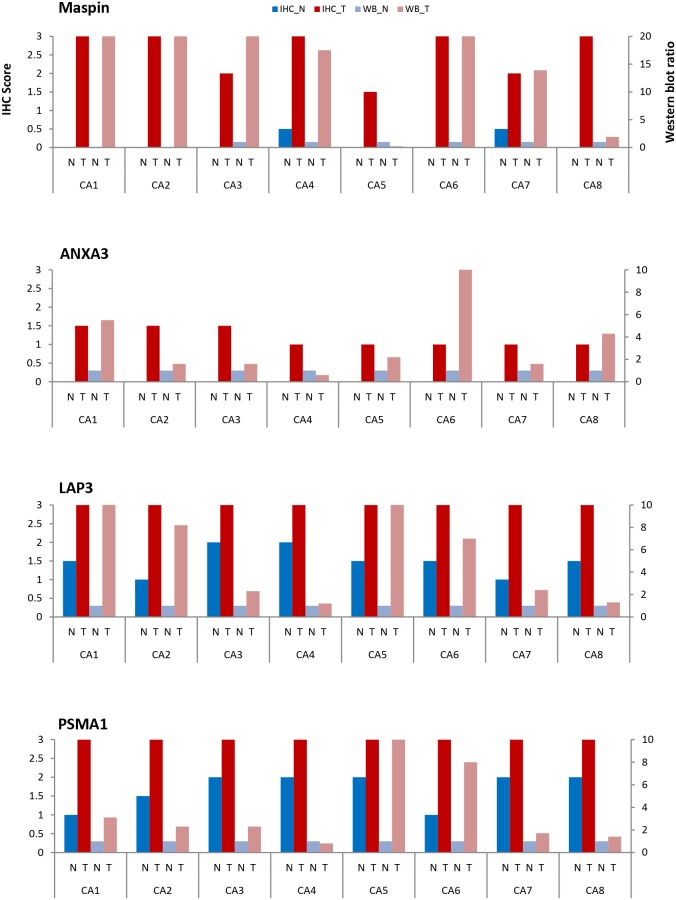
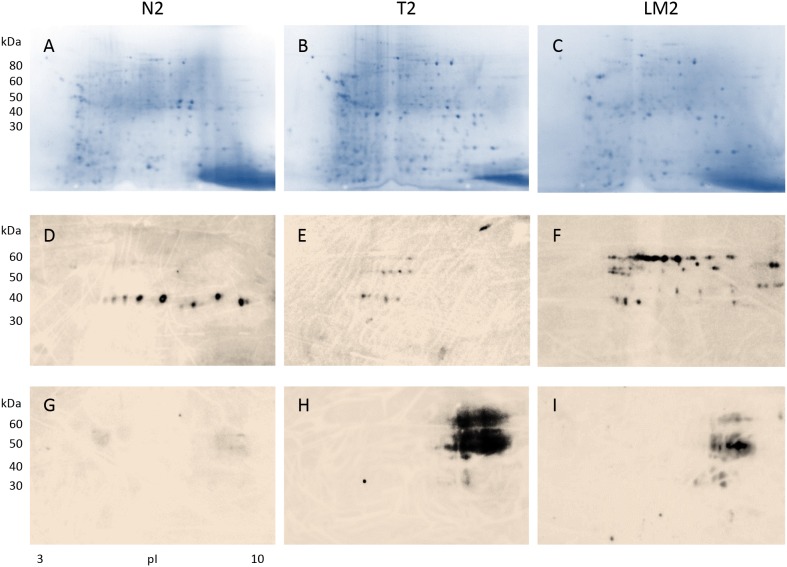
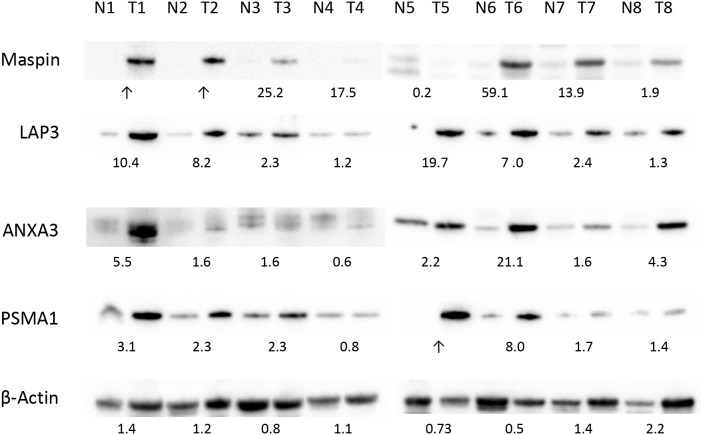
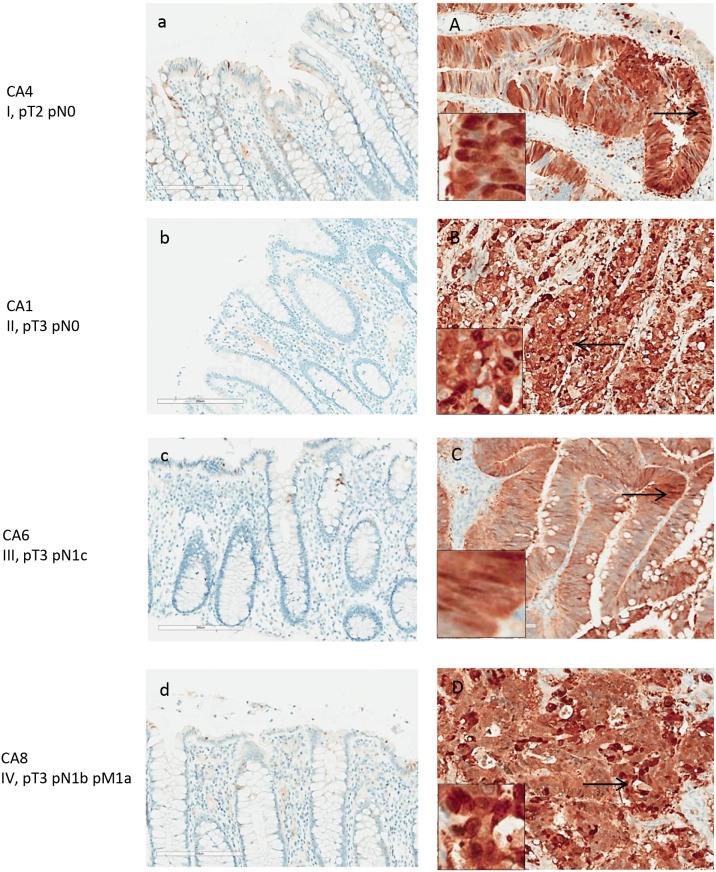
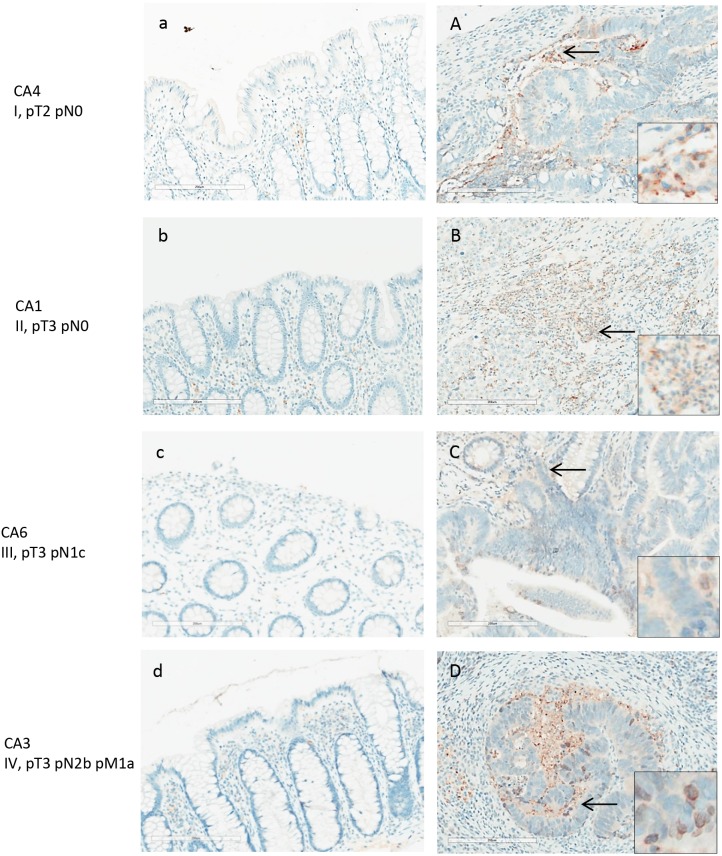
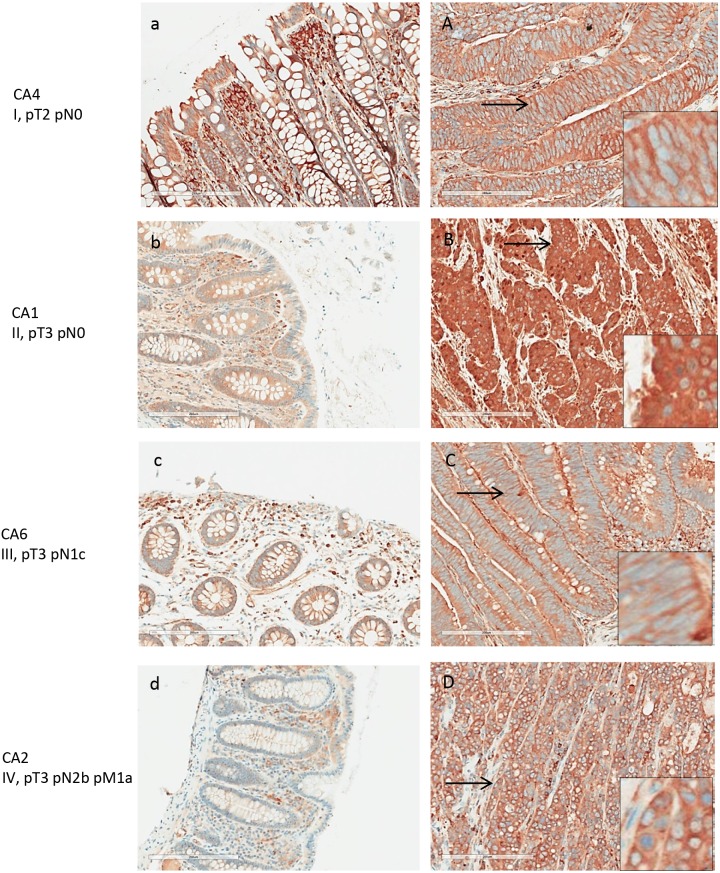
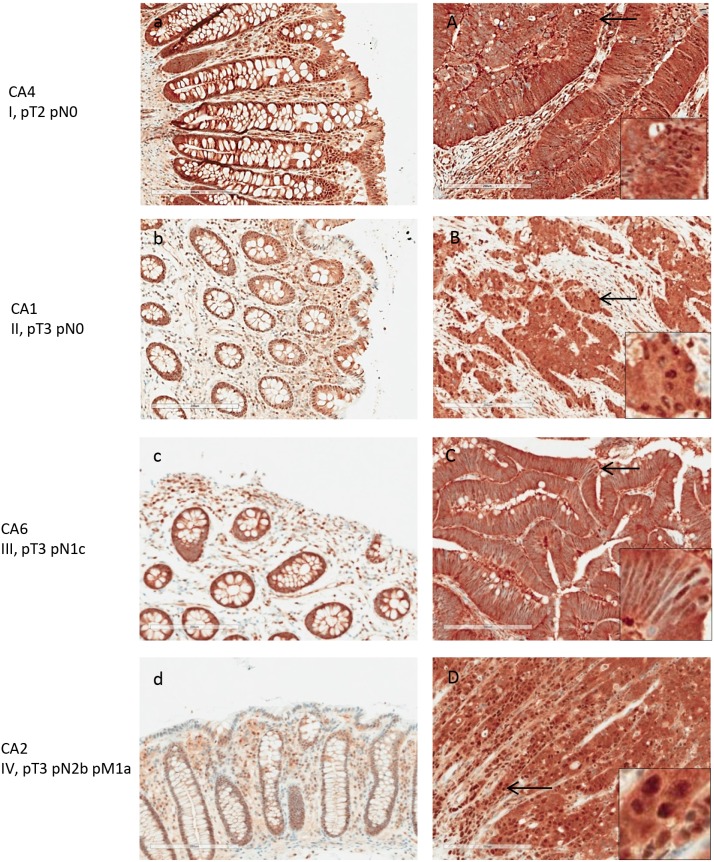
We hypothesized that cancer tissue immunogens - antigens capable of inducing specific antibody production in patients - are promising targets for development of precision diagnostics and humoral immunotherapies. We developed an innovative immuno-proteomic strategy and identified new immunogenic markers of colon cancer. Proteins from cancers and matched normal tissues were separated by 2D gel electrophoresis and blotted with serum antibodies from the same patients. Antibody-reactive proteins were sequenced by mass spectrometry and validated by Western blotting and immunohistochemistry. 170 serum antibody-reactive proteins were identified only in cancerous but not matched normal. Among these, proteasome subunit alpha type 1 (PSA1), leucine aminopeptidase 3 (LAP3), annexin A3 (ANXA3), and maspin (serpin B5) were reproducibly found in tissues from three patients. Differential expression patterns were confirmed in samples from eight patients with various stages of colon adenocarcinoma and liver metastases. These tumor-resident proteins and/or their associated serum antibodies may be promising markers for colon cancer screening and early diagnosis. Furthermore, tumor tissue-specific antibodies could potentially be exploited as immunotherapeutic targets against cancer. More generally, proteomic profiling of antibody-inducing cancer-associated immunogens represents a powerful generic method for uncovering the tumor antigen-ome, i.e., the totality of immunogenic tumor-associated proteins.
我们推测,癌症组织免疫原——能够在患者体内诱导特异性抗体产生的抗原——是精准诊断和体液免疫疗法开发的有前景的靶点。我们开发了一种创新的免疫蛋白质组学策略,并鉴定出了结肠癌新的免疫原性标志物。通过二维凝胶电泳分离癌症组织和匹配的正常组织中的蛋白质,并用同一患者的血清抗体进行印迹。对抗体反应性蛋白进行质谱测序,并通过蛋白质免疫印迹和免疫组织化学进行验证。在仅癌组织中鉴定出170种血清抗体反应性蛋白,匹配的正常组织中未发现。其中,蛋白酶体亚基α1型(PSA1)、亮氨酸氨肽酶3(LAP3)、膜联蛋白A3(ANXA3)和乳腺丝抑蛋白(丝氨酸蛋白酶抑制剂B5)在三名患者的组织中可重复检测到。在八名患有不同阶段结肠腺癌和肝转移的患者样本中证实了差异表达模式。这些肿瘤驻留蛋白和/或其相关血清抗体可能是结肠癌筛查和早期诊断的有前景的标志物。此外,肿瘤组织特异性抗体有可能被用作抗癌免疫治疗靶点。更一般地说,对诱导抗体的癌症相关免疫原进行蛋白质组分析是揭示肿瘤抗原组(即免疫原性肿瘤相关蛋白的总体)的一种强大的通用方法。