Rodrigues Antonia T, McKechnie Iain, Yang Dongya Y
Ancient DNA Laboratory, Department of Archaeology, Simon Fraser University, Burnaby, British Columbia, Canada.
Department of Anthropology, University of Victoria, Victoria, British Columbia, Canada.
PLoS One. 2018 Feb 13;13(2):e0192716. doi: 10.1371/journal.pone.0192716. eCollection 2018.
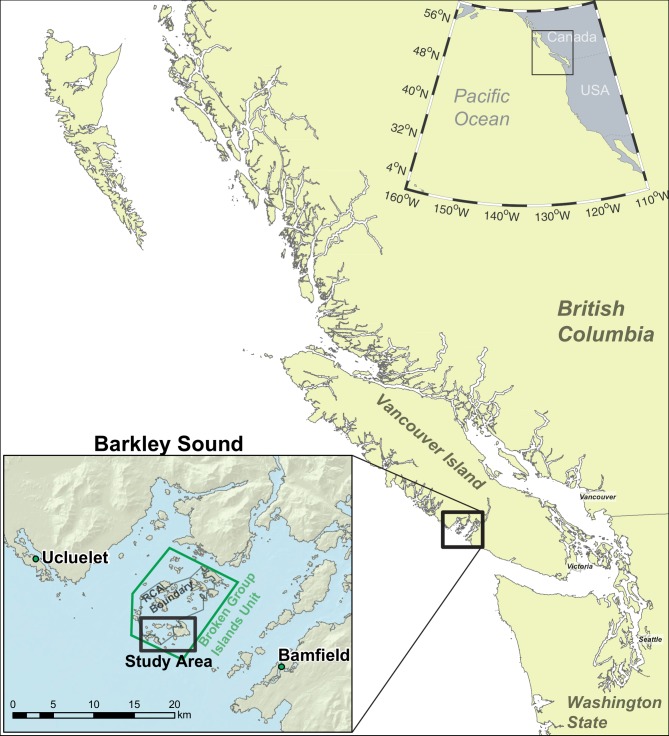
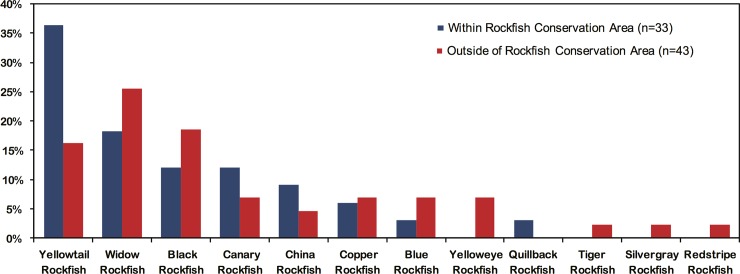
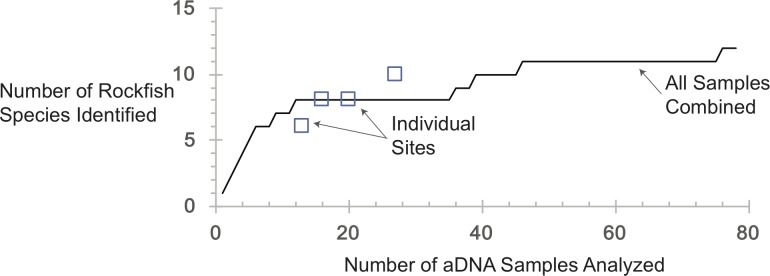
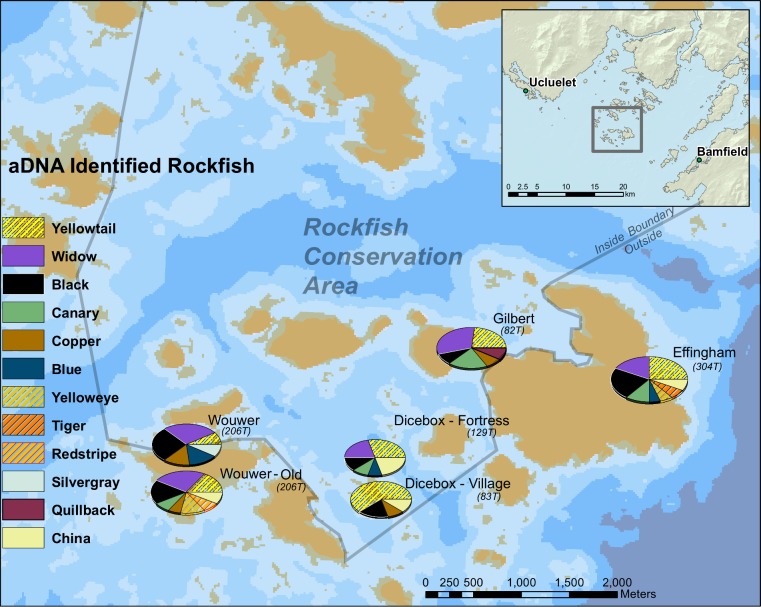
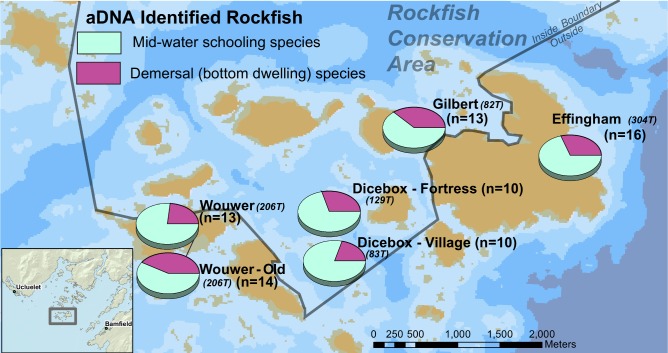
Rockfish (Sebastes spp.) are a common marine fish in nearshore and continental shelf environments in the North Pacific Ocean. They are frequently identified in coastal archaeological sites in western North America; however, the morphological similarity of rockfish species limits conventional zooarchaeological identifications to the genus level. This study applies ancient DNA analysis to 96 archaeological rockfish specimens from four sites on separate islands in an archipelago on western Vancouver Island, British Columbia, Canada. Two of the archaeological sites are located within a marine protected area specifically designed to facilitate the recovery of inshore rockfish populations; two sites are located outside this boundary and remain subject to considerable fishing pressure. Using mitochondrial 16S and control region DNA sequences, we identify at least twelve different rockfish species utilized during the past 2,500 years. Identification of rockfish at closely spaced and contemporaneously occupied sites confirms that a variety of Sebastes species were consistently exploited at each site, with more exposed areas having a higher number of species present. Identification results indicate that four of the twelve species did not occur within the conservation area boundary and, instead, were found in sites where commercial and recreational fishing continues to be permitted. This study demonstrates that ancient DNA identifications of archaeological assemblages can complement and expand perspective on modern day fisheries conservation and management in this National Park Reserve and First Nations ancestral territory.
岩鱼(Sebastes属)是北太平洋近岸和大陆架环境中常见的海洋鱼类。它们在北美西部沿海的考古遗址中经常被发现;然而,岩鱼物种的形态相似性将传统的动物考古学鉴定限制在属的水平。本研究对来自加拿大不列颠哥伦比亚省温哥华岛西部一个群岛中四个不同岛屿上的96个考古岩鱼标本进行了古DNA分析。其中两个考古遗址位于一个专门为促进近岸岩鱼种群恢复而设计的海洋保护区内;另外两个遗址位于该保护区边界之外,仍然面临着相当大的捕捞压力。利用线粒体16S和控制区DNA序列,我们识别出在过去2500年中至少有12种不同的岩鱼被利用。在距离相近且同时有人居住的遗址对岩鱼进行的鉴定证实,每个遗址都持续开发利用了多种Sebastes属物种,暴露程度更高的区域存在的物种数量更多。鉴定结果表明,这12个物种中有4个不在保护区边界内,而是在仍允许商业和休闲捕鱼的遗址中被发现。这项研究表明,对考古组合进行古DNA鉴定可以补充并拓展对这个国家公园保护区和第一民族祖传土地上现代渔业保护和管理的认识。