Institute for Regenerative Medicine, Molecular and Cellular Medicine Department, College of Medicine, Texas A&M University Health Science Center, College Station, Texas 77843, USA.
Department of Small Animal Clinical Sciences, College of Veterinary Medicine & Biomedical Sciences, Texas A&M University, College Station, Texas 77843, USA.
Theranostics. 2018 Jan 13;8(4):1159-1167. doi: 10.7150/thno.23373. eCollection 2018.
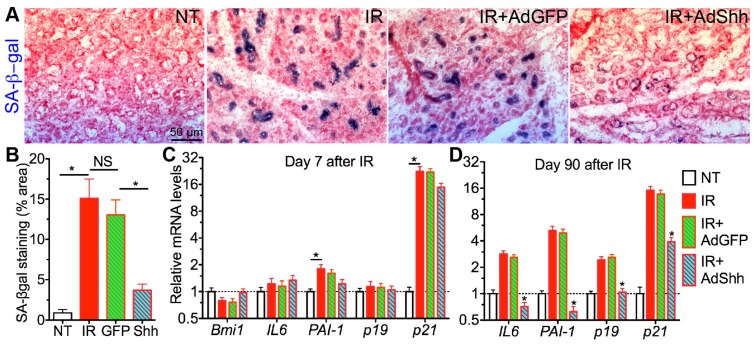
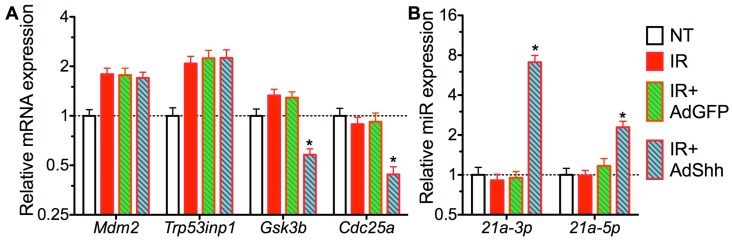
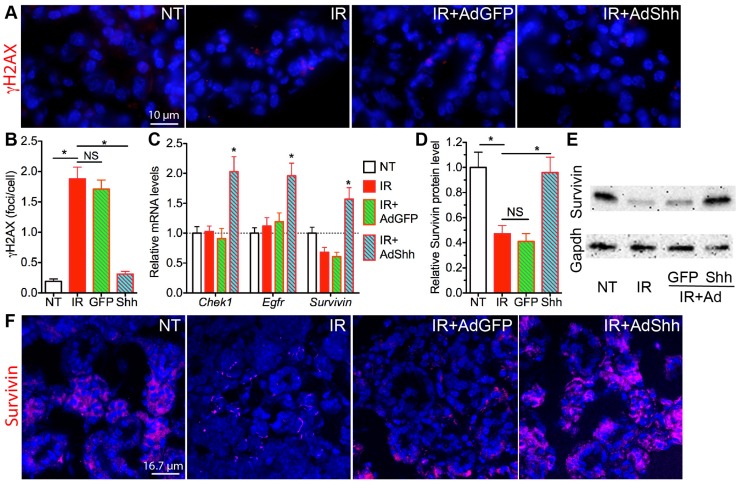
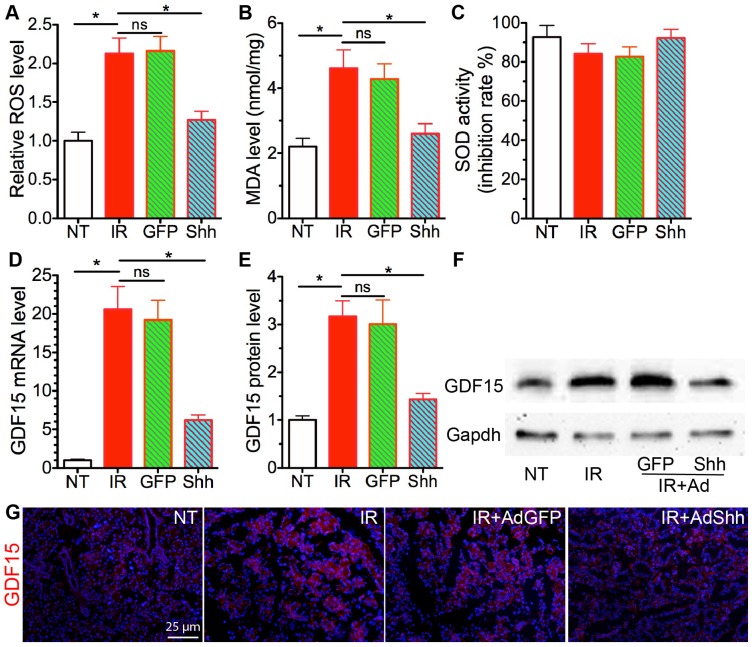
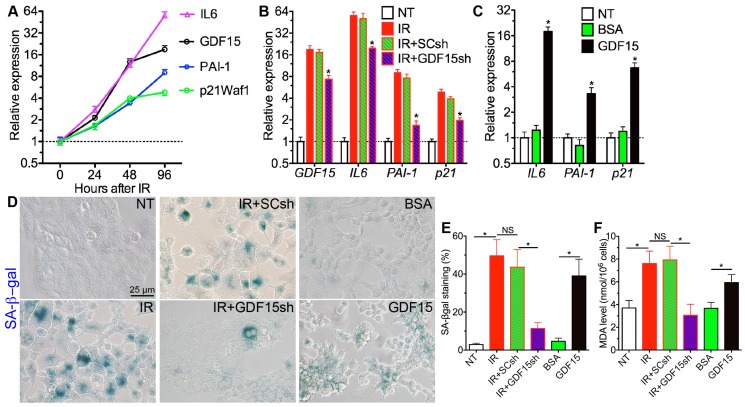
Irreversible hypofunction of salivary glands or xerostomia is common in head and neck cancer survivors treated with radiotherapy even when various new techniques are applied to minimize the irradiation (IR) damage. This condition severely impairs the quality of life of patients and can only be temporarily relieved with current treatments. We found recently that transient expression of Sonic Hedgehog (Shh) in salivary glands after IR rescued salivary function, but the underlying mechanisms are not totally clear. We generated a mouse model of IR-induced hyposalivation, and delivered adenoviral vectors carrying Shh or control GFP gene into submandibular glands (SMGs) via retrograde ductal instillation 3 days after IR. The cellular senescence was evaluated by senescence-associated beta-galactosidase assay and the expression of senescence markers. The underlying mechanisms were explored by examining DNA damage, oxidative stress, and the expression of related genes by qRT-PCR, Western blot and immunofluorescent staining. Shh gene transfer repressed IR-induced cellular senescence by promoting DNA repair and decreasing oxidative stress, which is mediated through upregulating expression of genes related to DNA repair such as survivin and miR-21 and repressing expression of pro-senescence gene Gdf15 likely downstream of miR-21. Repressing cellular senescence contributes to the rescue of IR-induced hyposalivation by transient activation of Hh signaling, which is related to enhanced DNA repair and decreased oxidative stress in SMGs.
放射性治疗后,即使采用各种新技术将照射(IR)损伤降至最低,头颈部癌症幸存者的唾液腺功能仍然不可逆转地降低,导致口干症,这在临床上较为常见。这种情况严重影响了患者的生活质量,而目前的治疗方法只能暂时缓解。我们最近发现,IR 后唾液腺中 Sonic Hedgehog(Shh)的短暂表达可以挽救唾液功能,但潜在机制尚不完全清楚。我们建立了 IR 诱导唾液分泌减少的小鼠模型,并在 IR 后 3 天通过逆行导管内滴注将携带 Shh 或对照 GFP 基因的腺病毒载体递送至颌下腺(SMG)。通过衰老相关β-半乳糖苷酶测定和衰老标志物的表达来评估细胞衰老。通过 qRT-PCR、Western blot 和免疫荧光染色检查 DNA 损伤、氧化应激以及相关基因的表达,来探讨潜在的机制。Shh 基因转移通过促进 DNA 修复和减少氧化应激来抑制 IR 诱导的细胞衰老,这是通过上调与 DNA 修复相关的基因(如 Survivin 和 miR-21)的表达和下调可能下游 miR-21 的促衰老基因 Gdf15 来实现的。短暂激活 Hh 信号转导抑制细胞衰老,有助于挽救 IR 诱导的唾液分泌减少,这与 SMG 中增强的 DNA 修复和减少的氧化应激有关。