Sharpe Michaela E
Cell and Gene Therapy Catapult, Guy's Hospital, Great Maze Pond, London, United Kingdom.
Toxicol Pathol. 2018 Feb;46(2):131-146. doi: 10.1177/0192623317752101.
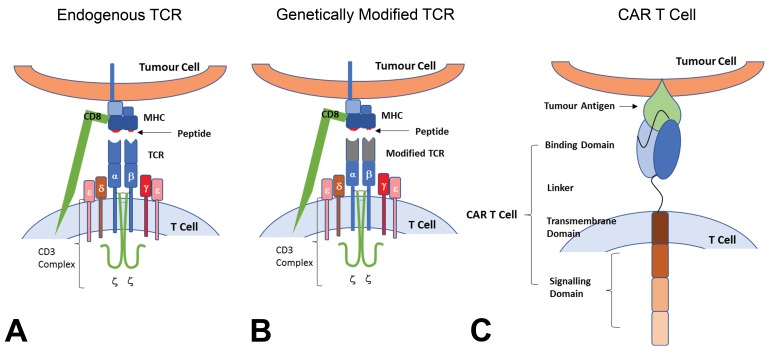
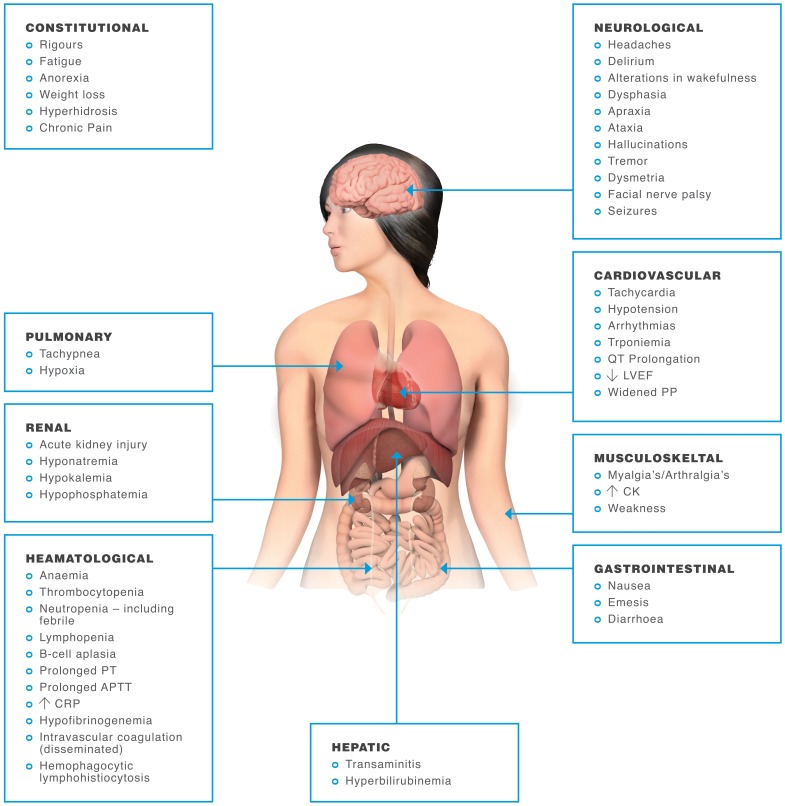
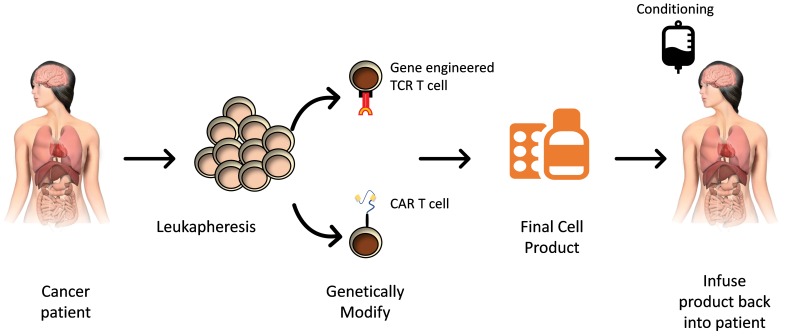
Gene-engineered T-cell therapies have the potential to revolutionize the treatment of cancer. These therapies have shown exceptional clinical efficacy specifically in the field of B-cell malignancies and the first products (Kymriah™ and Yescarta™) have recently been approved in the United States for specific indications. The power of these treatments is also linked with a distinct set of toxicities both predicted and unpredicted, including off-tumor activity, cytokine release syndromes, and neurotoxicity, occasionally with fatal consequences. As these therapies begin to reach more patients, it is critical to develop the nonclinical tools to adequately determine the mechanisms driving these toxicities, to assess the safety risks of candidate products, and to develop strategies for safety management.
基因工程T细胞疗法有潜力彻底改变癌症治疗方式。这些疗法已显示出卓越的临床疗效,特别是在B细胞恶性肿瘤领域,首批产品(Kymriah™和Yescarta™)最近已在美国获批用于特定适应症。这些治疗方法的强大功效还与一系列独特的、可预测和不可预测的毒性相关,包括肿瘤外活性、细胞因子释放综合征和神经毒性,偶尔会导致致命后果。随着这些疗法开始惠及更多患者,开发非临床工具以充分确定导致这些毒性的机制、评估候选产品的安全风险并制定安全管理策略至关重要。