Radboud university medical center, Department of Orthopedics, Physical Therapy, Nijmegen, the Netherlands.
Radboud university medical center, Orthopedic Research Laboratory, Radboud Institute for Health Sciences Nijmegen, Nijmegen, the Netherlands.
PLoS One. 2018 Feb 23;13(2):e0193487. doi: 10.1371/journal.pone.0193487. eCollection 2018.
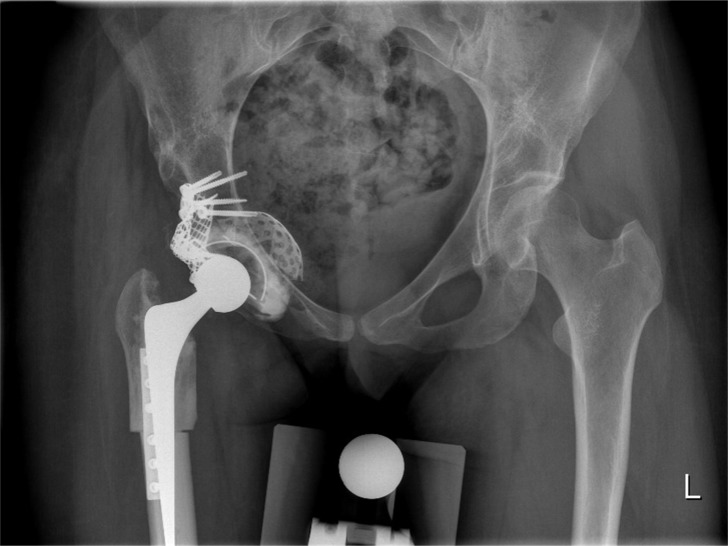
Untreated unilateral developmental dysplasia of the hip (DDH) results in asymmetry of gait and hip strength and may lead to early osteoarthritis, which is commonly treated with a total hip arthroplasty (THA). There is limited knowledge about the obtained symmetry of gait and hip strength after the THA. The objectives of this cross-sectional study were to: a) identify asymmetries between the operated and non-operated side in kinematics, kinetics and hip strength, b) analyze if increased walking speed changed the level of asymmetry in patients c) compare these results with those of healthy subjects.
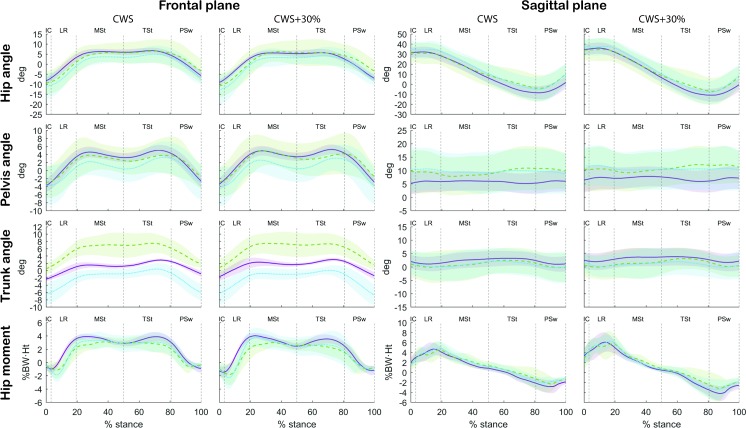
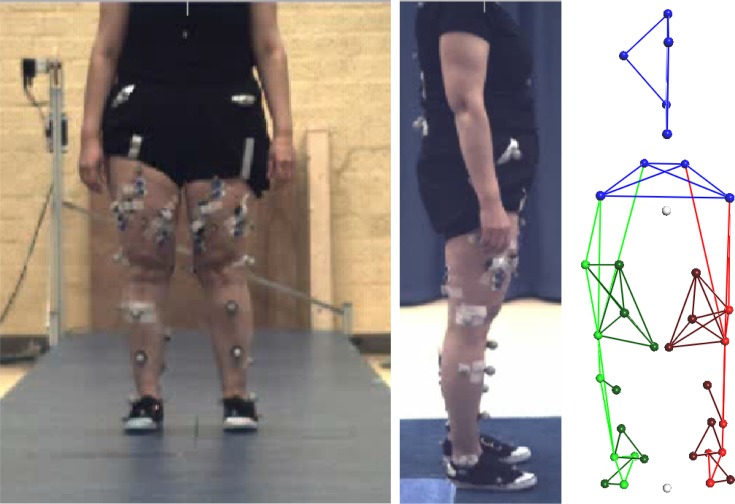
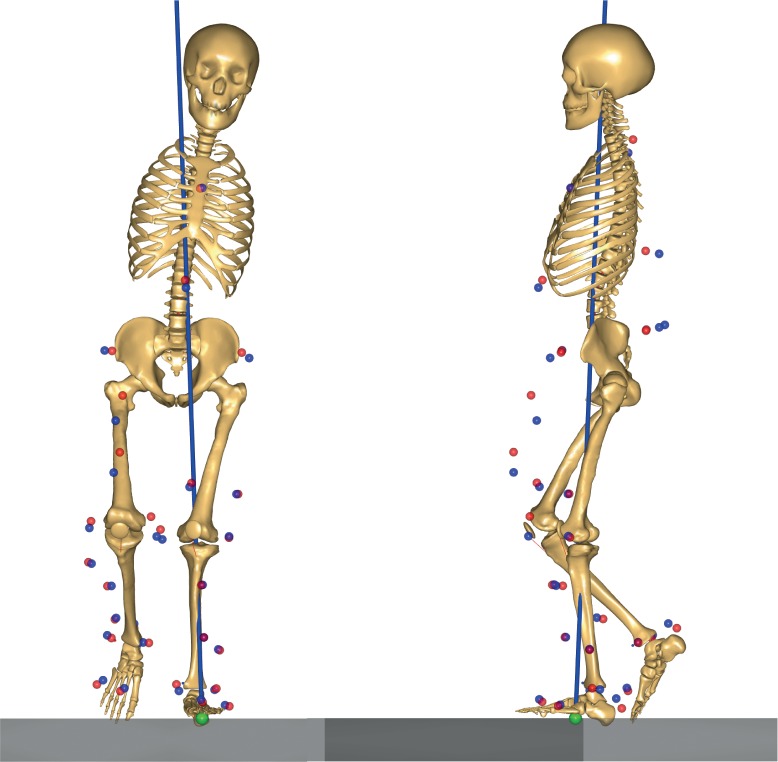
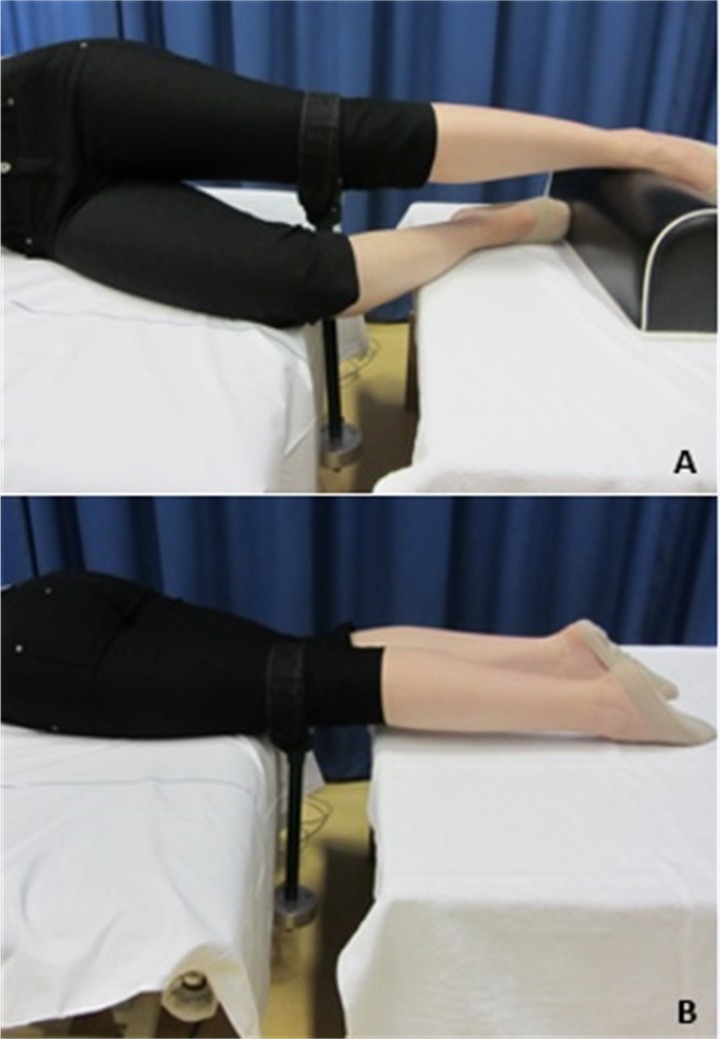
Women (18-70 year) with unilateral DDH who had undergone unilateral THA were eligible for inclusion. Vicon gait analysis system was used to collect frontal and sagittal plane kinematic and kinetic parameters of the hip joint, pelvis and trunk during walking at comfortable walking speed and increased walking speed. Furthermore, hip abductor and extensor muscle strength was measured.
Six patients and eight healthy subjects were included. In the patients, modest asymmetries in lower limb kinematics and kinetics were present during gait, but trunk lateral flexion asymmetry was evident. Patients' trunk lateral flexion also differed compared to healthy subjects. Walking speed did not significantly influence the level of asymmetry. The hip abduction strength asymmetry of 23% was not statistically significant, but the muscle strength of both sides were significantly weaker than those of healthy subjects.
In patients with a DDH treated with an IBG THA modest asymmetries in gait kinematics and kinetics were present, with the exception of a substantial asymmetry of the trunk lateral flexion. Increased walking speed did not result in increased asymmetries in gait kinematics and kinetics. Hip muscle strength was symmetrical in patients, but significantly weaker than in healthy subjects. Trunk kinematics should be included as an outcome measure to assess the biomechanical benefits of the THA surgery after DDH.
未经治疗的单侧发育性髋关节发育不良(DDH)会导致步态和髋关节力量的不对称,并可能导致早期骨关节炎,这通常需要进行全髋关节置换术(THA)治疗。关于 THA 后步态和髋关节力量获得的对称性,目前知之甚少。本横断面研究的目的是:a)确定运动学、动力学和髋关节力量在手术侧和非手术侧之间的不对称性,b)分析增加步行速度是否改变了患者的不对称程度,c)将这些结果与健康受试者进行比较。
单侧 DDH 接受单侧 THA 的女性(18-70 岁)符合纳入标准。使用 Vicon 步态分析系统在舒适步行速度和增加步行速度下收集髋关节、骨盆和躯干的额状面和矢状面运动学和动力学参数。此外,还测量了髋关节外展肌和外展肌的力量。
纳入了 6 名患者和 8 名健康受试者。在患者中,步行时下肢运动学和动力学存在适度的不对称,但躯干侧屈不对称明显。与健康受试者相比,患者的躯干侧屈也存在差异。步行速度并没有显著影响不对称程度。23%的髋关节外展力量不对称无统计学意义,但两侧的肌肉力量均明显弱于健康受试者。
在接受 IBG THA 治疗的 DDH 患者中,存在步态运动学和动力学的适度不对称,除了躯干侧屈的明显不对称。增加步行速度不会导致步态运动学和动力学的不对称性增加。患者的髋关节力量是对称的,但明显弱于健康受试者。躯干运动学应作为评估 DDH 后 THA 手术生物力学获益的结果测量指标。