Joshi Kumud, Hassan Sherif S, Ramaraj Pandurangan
Graduate Student, Bowling Green State University, OH, USA.
Associate Professor of Anatomy, Neuroanatomy, & Medical Education, School of Medicine, California University of Science & Medicine, 217 E Club Center Drive, San Bernardino, CA, USA.
Dermatoendocrinol. 2017 Nov 20;9(1):e1389360. doi: 10.1080/19381980.2017.1389360. eCollection 2017.
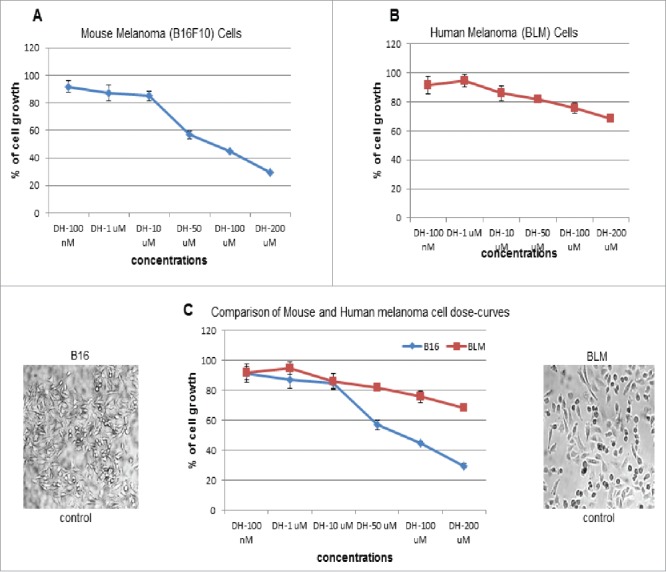
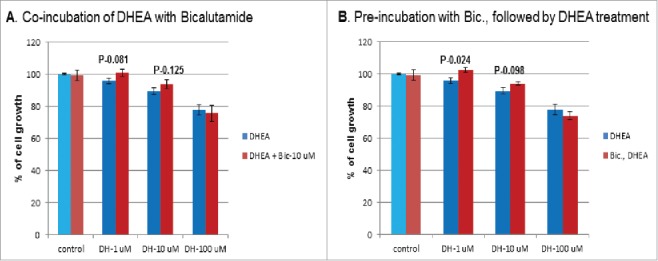
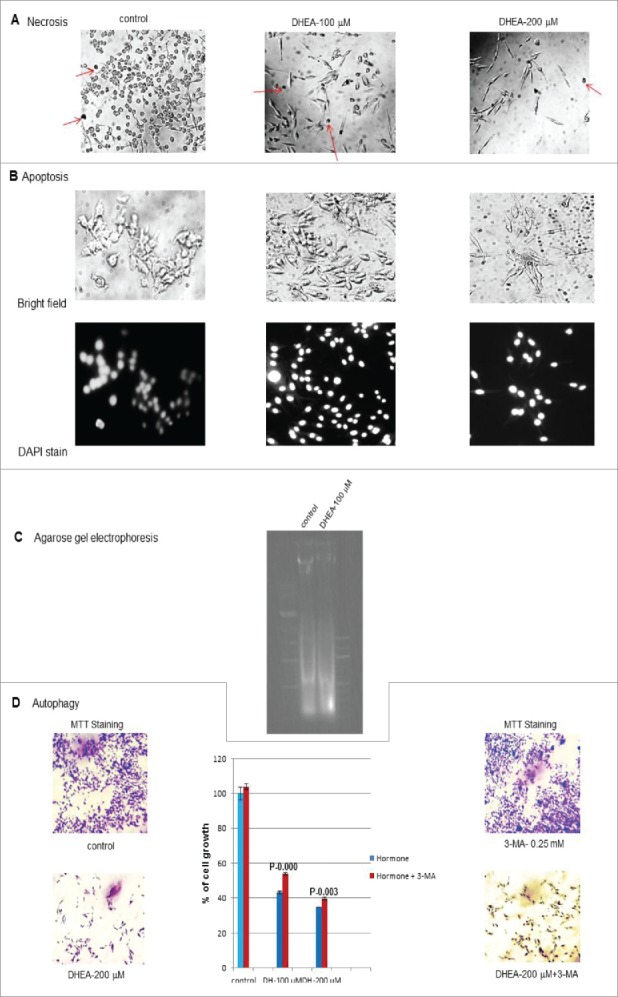
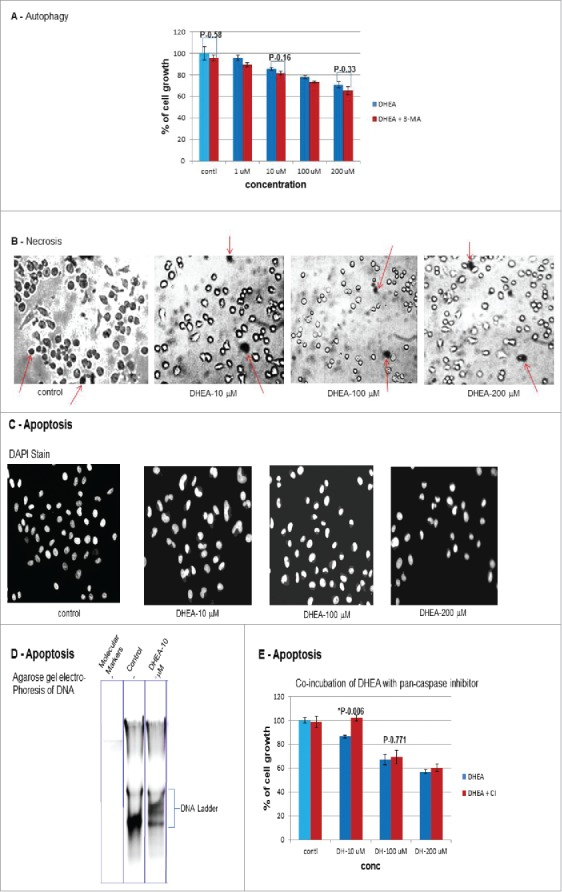
Dehydroepiandrosterone (DHEA) is a weak androgen and had been shown to have anti-cancer, anti-adipogenic and anti-inflammatory effects on mouse and other rodent models, but not on humans, suggesting a systemic level difference between mouse and human. Our previous study on DHEA biological functions involving a variety of cell lines, suggested that the functional differences between mouse and human existed even at the cellular level. Hence, using mouse and human melanoma cell models, effects of DHEA on cell growth, mechanism of cell death and mechanism of DHEA action were studied. Results indicated a differential biological effects of DHEA between mouse and human melanoma cell lines. These studies also suggested that the differential biological effects observed between these two cell lines could be due to the difference in the way DHEA was processed or metabolized inside the cell.
脱氢表雄酮(DHEA)是一种弱雄激素,已被证明对小鼠和其他啮齿动物模型具有抗癌、抗脂肪生成和抗炎作用,但对人类没有这些作用,这表明小鼠和人类在全身水平上存在差异。我们之前关于DHEA生物学功能的研究涉及多种细胞系,表明小鼠和人类之间的功能差异甚至在细胞水平上就已存在。因此,利用小鼠和人类黑色素瘤细胞模型,研究了DHEA对细胞生长的影响、细胞死亡机制以及DHEA的作用机制。结果表明,DHEA对小鼠和人类黑色素瘤细胞系具有不同的生物学效应。这些研究还表明,在这两种细胞系之间观察到的不同生物学效应可能是由于DHEA在细胞内的处理或代谢方式不同所致。