Tsoli Maria, Liu Jie, Franshaw Laura, Shen Han, Cheng Cecilia, Jung MoonSun, Joshi Swapna, Ehteda Anahid, Khan Aaminah, Montero-Carcabosso Angel, Dilda Pierre J, Hogg Philip, Ziegler David S
Targeted Therapies Research Program, Children's Cancer Institute, Lowy Cancer Research Centre, University of New South Wales, Sydney, New South Wales, Australia.
Experimental Therapeutics Program, Children's Cancer Institute, Lowy Cancer Research Centre, University of New South Wales, Sydney, New South Wales, Australia.
Oncotarget. 2018 Jan 8;9(7):7541-7556. doi: 10.18632/oncotarget.24045. eCollection 2018 Jan 26.
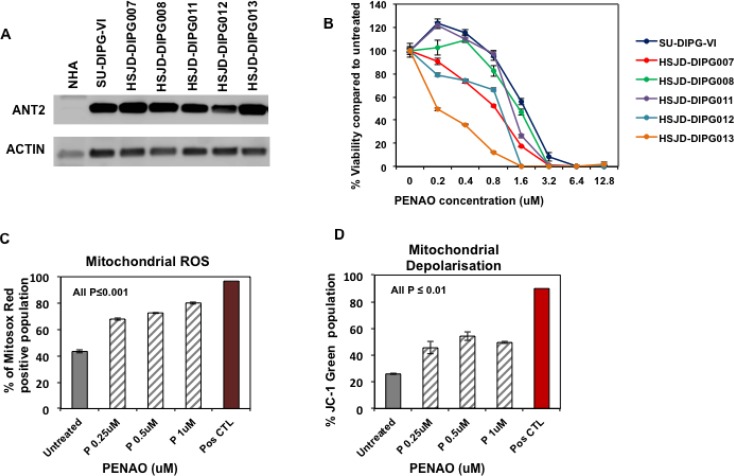
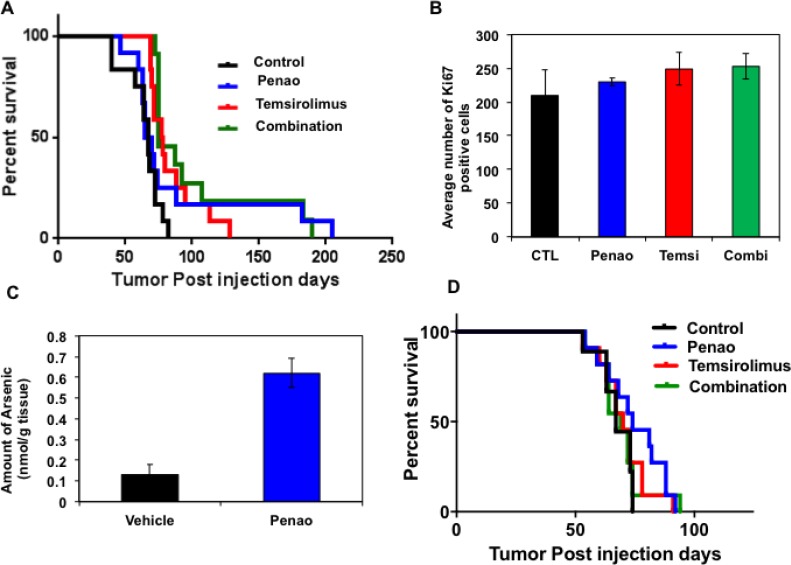
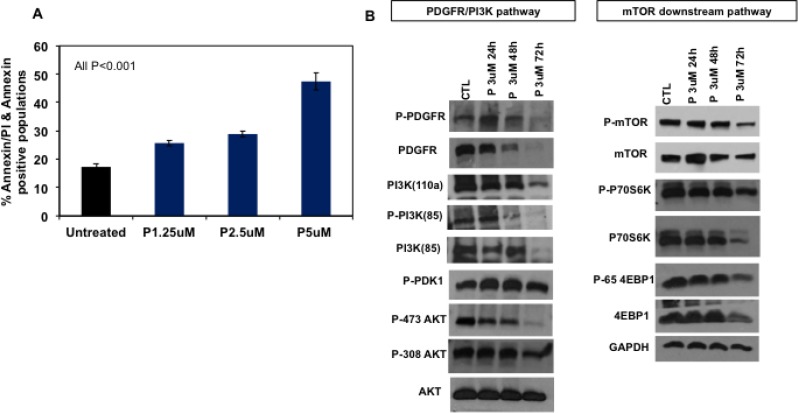
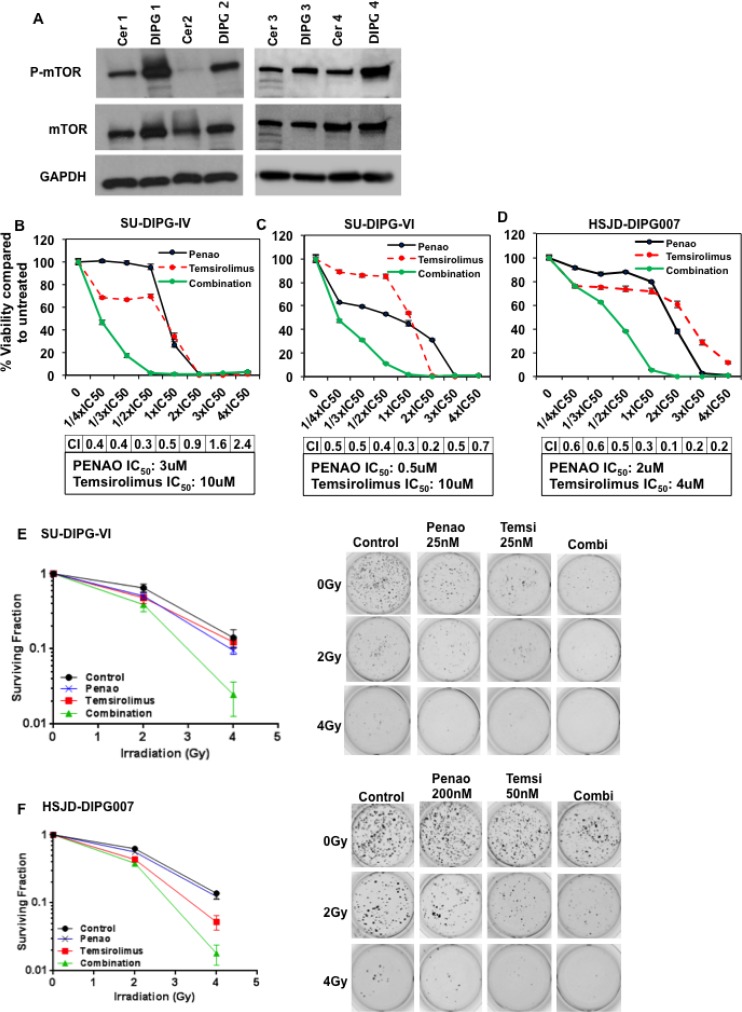
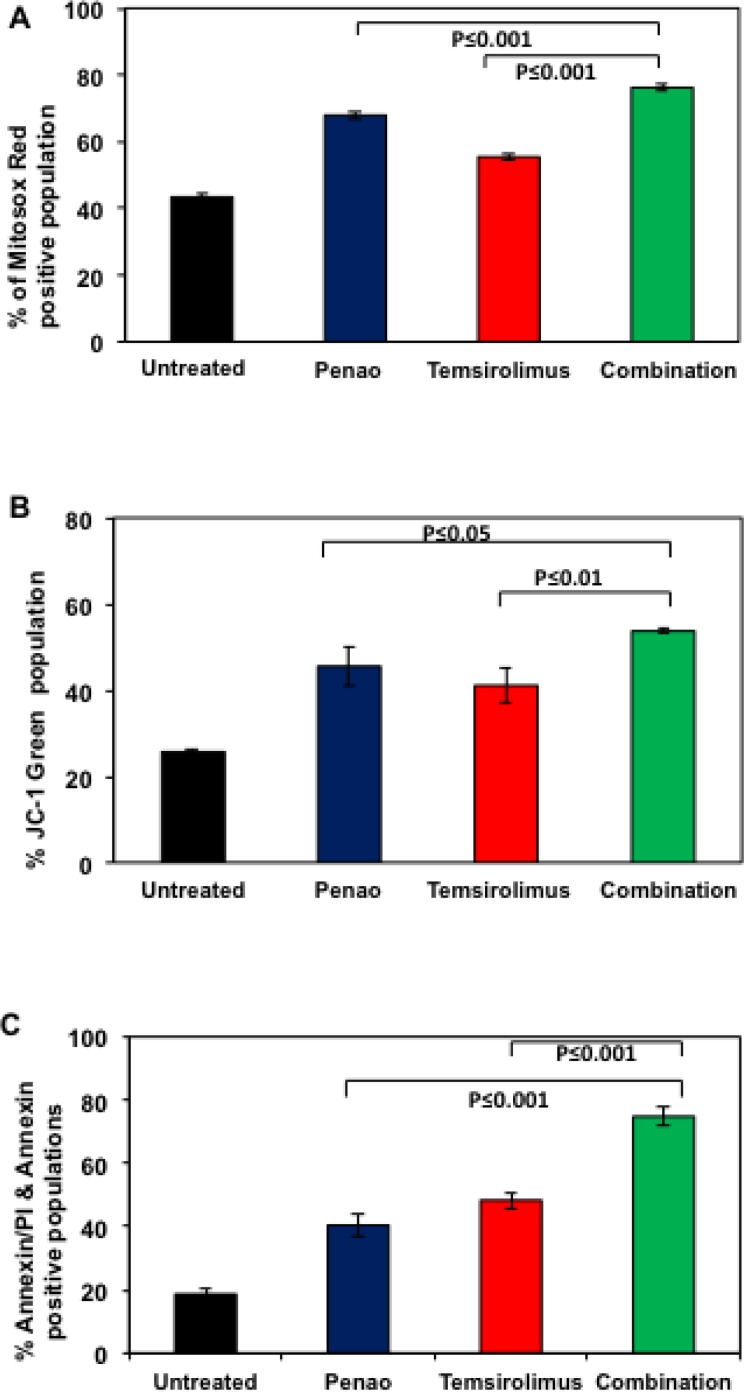
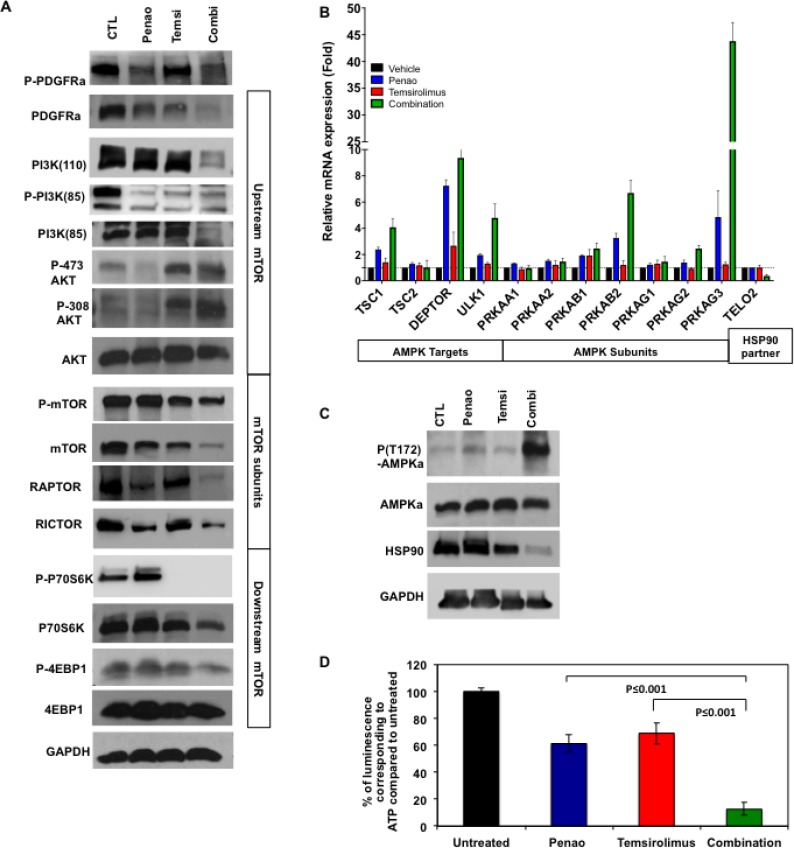
Diffuse Intrinsic Pontine Gliomas (DIPG) are the most devastating of all pediatric brain tumors. They mostly affect young children and, as there are no effective treatments, almost all patients with DIPG will die of their tumor within 12 months of diagnosis. A key feature of this devastating tumor is its intrinsic resistance to all clinically available therapies. It has been shown that glioma development is associated with metabolic reprogramming, redox state disruption and resistance to apoptotic pathways. The mitochondrion is an attractive target as a key organelle that facilitates these critical processes. PENAO is a novel anti-cancer compound that targets mitochondrial function by inhibiting adenine nucleotide translocase (ANT). Here we found that DIPG neurosphere cultures express high levels of ANT2 protein and are sensitive to the mitochondrial inhibitor PENAO through oxidative stress, while its apoptotic effects were found to be further enhanced upon co-treatment with mTOR inhibitor temsirolimus. This combination therapy was found to act through inhibition of PI3K/AKT/mTOR pathway, HSP90 and activation of AMPK. experiments employing an orthotopic model of DIPG showed a marginal anti-tumour effect likely due to poor penetration of the inhibitors into the brain. Further testing of this anti-DIPG strategy with compounds that penetrate the BBB is warranted.
弥漫性脑桥内在型胶质瘤(DIPG)是所有小儿脑肿瘤中最具毁灭性的。它们主要影响幼儿,由于没有有效的治疗方法,几乎所有DIPG患者在诊断后12个月内都会死于肿瘤。这种毁灭性肿瘤的一个关键特征是其对所有临床可用疗法具有内在抗性。研究表明,胶质瘤的发生与代谢重编程、氧化还原状态破坏以及对凋亡途径的抗性有关。线粒体作为促进这些关键过程的关键细胞器,是一个有吸引力的靶点。PENAO是一种新型抗癌化合物,通过抑制腺嘌呤核苷酸转位酶(ANT)靶向线粒体功能。我们发现,DIPG神经球培养物表达高水平的ANT2蛋白,并且通过氧化应激对线粒体抑制剂PENAO敏感,而在与mTOR抑制剂替西罗莫司联合治疗时,其凋亡作用进一步增强。发现这种联合疗法通过抑制PI3K/AKT/mTOR途径、HSP90和激活AMPK发挥作用。采用DIPG原位模型的实验显示出边缘抗肿瘤作用,可能是由于抑制剂对脑的渗透性差。有必要用能够穿透血脑屏障的化合物对这种抗DIPG策略进行进一步测试。