College of Science and Engineering, James Cook University, Townsville, Australia.
Centre for Tropical Water and Aquatic Ecosystem Research, James Cook University, Townsville, Australia.
PLoS One. 2018 Mar 1;13(3):e0193308. doi: 10.1371/journal.pone.0193308. eCollection 2018.
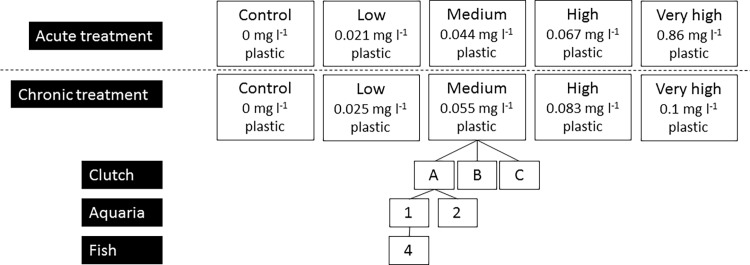
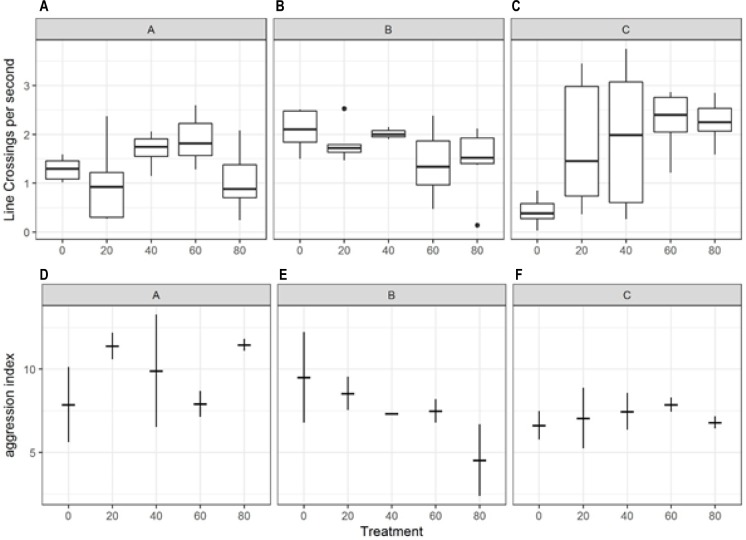
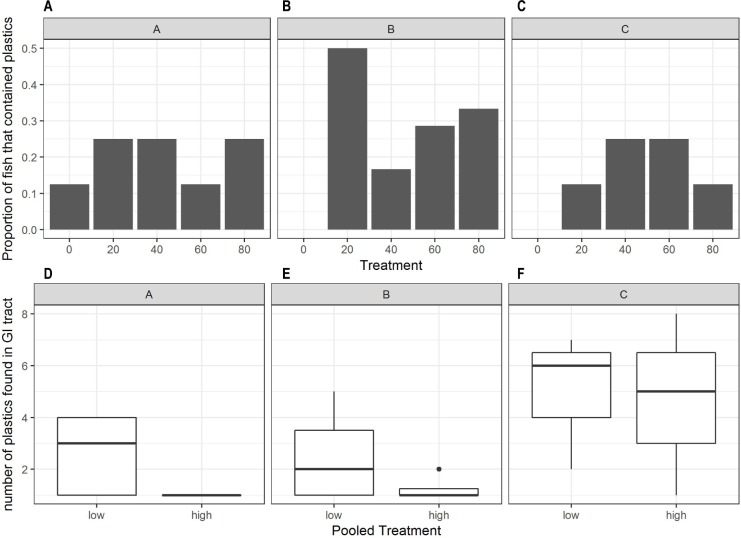
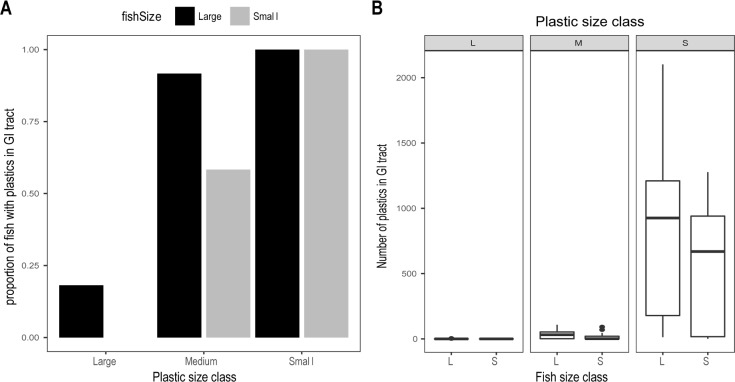
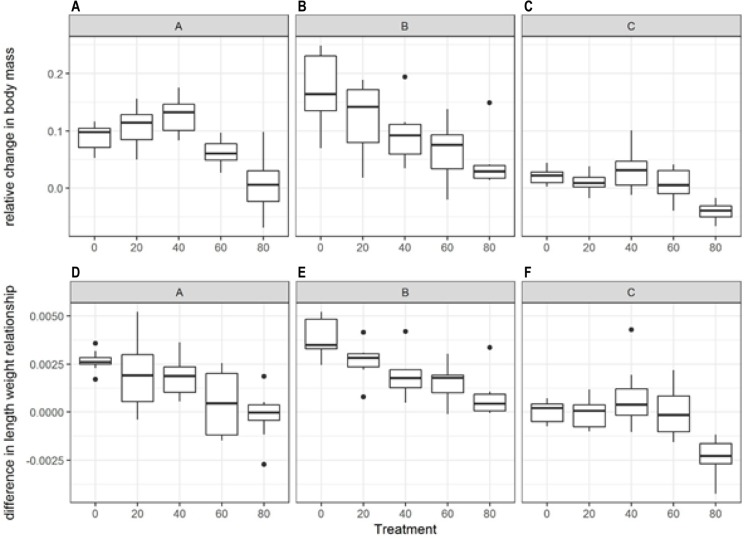
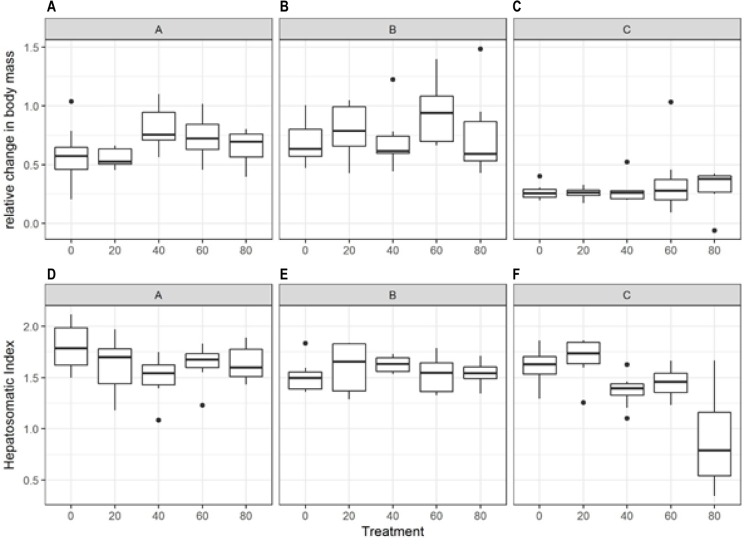
The effect of a pollutant on the base of the food web can have knock-on effects for trophic structure and ecosystem functioning. In this study we assess the effect of microplastic exposure on juveniles of a planktivorous fish (Acanthochromis polyacanthus), a species that is widespread and abundant on Indo-Pacific coral reefs. Under five different plastic concentration treatments, with plastics the same size as the natural food particles (mean 2mm diameter), there was no significant effect of plastic exposure on fish growth, body condition or behaviour. The amount of plastics found in the gastro-intestinal (GI) tract was low, with a range of one to eight particles remaining in the gut of individual fish at the end of a 6-week plastic-exposure period, suggesting that these fish are able to detect and avoid ingesting microplastics in this size range. However, in a second experiment the number of plastics in the GI tract vastly increased when plastic particle size was reduced to approximately one quarter the size of the food particles, with a maximum of 2102 small (< 300μm diameter) particles present in the gut of individual fish after a 1-week plastic exposure period. Under conditions where food was replaced by plastic, there was a negative effect on the growth and body condition of the fish. These results suggest plastics could become more of a problem as they break up into smaller size classes, and that environmental changes that lead to a decrease in plankton concentrations combined with microplastic presence is likely have a greater influence on fish populations than microplastic presence alone.
污染物对食物网基础的影响可能会对营养结构和生态系统功能产生连锁效应。在这项研究中,我们评估了微塑料暴露对一种浮游鱼类(Acanthochromis polyacanthus)幼鱼的影响,该鱼类广泛分布且在印度-太平洋珊瑚礁中丰富。在五种不同的塑料浓度处理下,使用与天然食物颗粒大小相同(平均直径 2 毫米)的塑料,微塑料暴露对鱼类生长、身体状况或行为没有显著影响。在胃肠道(GI)中发现的塑料数量很少,在为期 6 周的塑料暴露期结束时,单个鱼的 GI 中残留的塑料颗粒数量为 1 到 8 个,这表明这些鱼能够检测到并避免摄入这个大小范围内的微塑料。然而,在第二个实验中,当塑料颗粒大小减小到食物颗粒的四分之一左右时,GI 中的塑料数量大大增加,在为期 1 周的塑料暴露期后,单个鱼的 GI 中最多存在 2102 个小的(<300μm 直径)颗粒。在食物被塑料取代的情况下,鱼的生长和身体状况受到负面影响。这些结果表明,随着塑料分解成更小的粒径类,塑料可能会成为一个更大的问题,并且与微塑料存在相结合的导致浮游生物浓度下降的环境变化可能会对鱼类种群产生比微塑料单独存在更大的影响。