Silva Bhagya Nathali, Khan Murad, Han Kijun
School of Computer Science and Engineering, Kyungpook National University, Daegu, 41566, Korea.
Department of Computer Science, Sarhad University of Science and information Technology, Peshawar 25000, Pakistan.
Sensors (Basel). 2018 Feb 25;18(3):685. doi: 10.3390/s18030685.
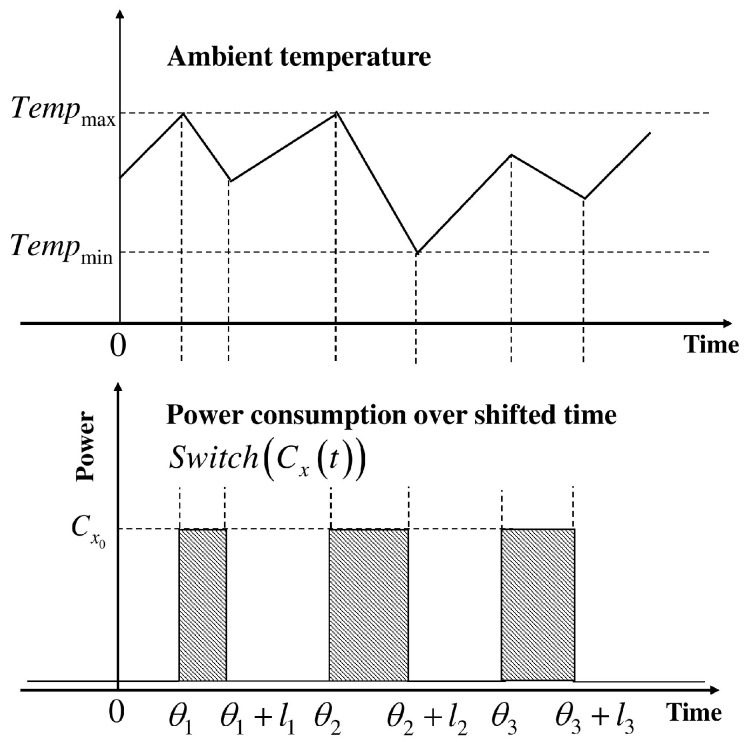
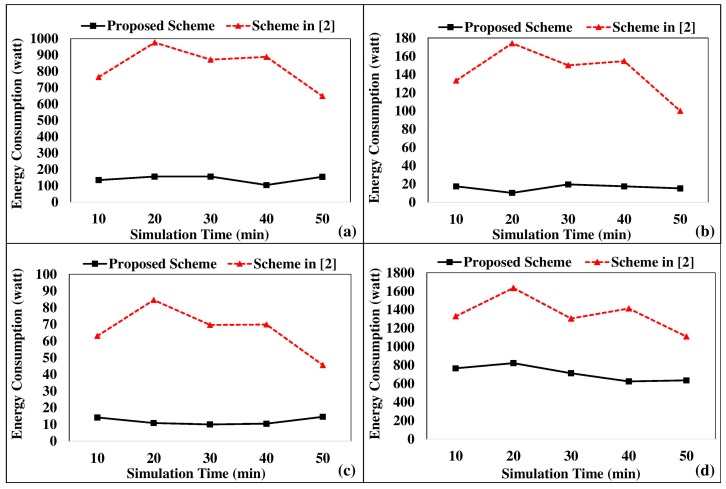
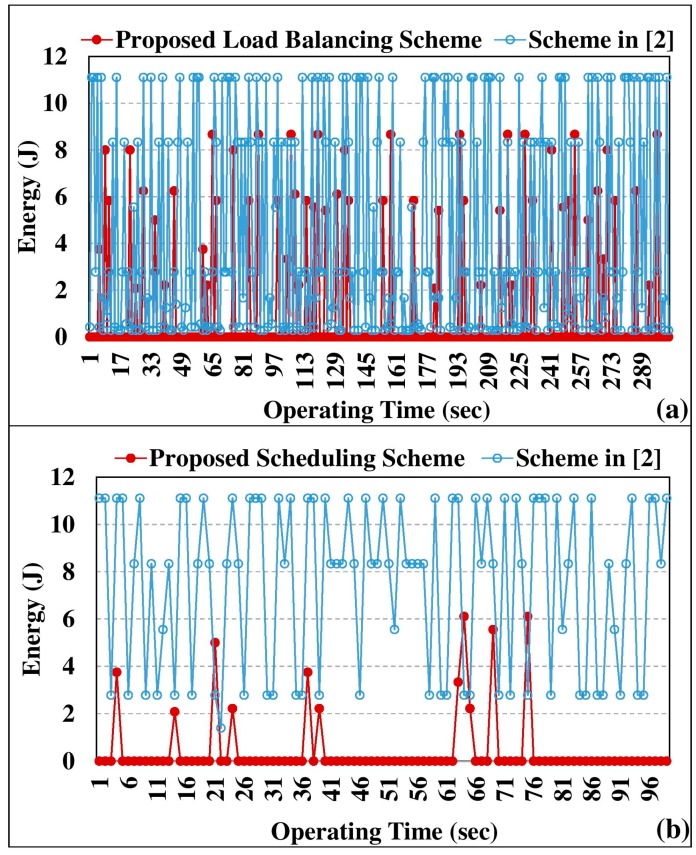
The emergence of smart devices and smart appliances has highly favored the realization of the smart home concept. Modern smart home systems handle a wide range of user requirements. Energy management and energy conservation are in the spotlight when deploying sophisticated smart homes. However, the performance of energy management systems is highly influenced by user behaviors and adopted energy management approaches. Appliance scheduling is widely accepted as an effective mechanism to manage domestic energy consumption. Hence, we propose a smart home energy management system that reduces unnecessary energy consumption by integrating an automated switching off system with load balancing and appliance scheduling algorithm. The load balancing scheme acts according to defined constraints such that the cumulative energy consumption of the household is managed below the defined maximum threshold. The scheduling of appliances adheres to the least slack time (LST) algorithm while considering user comfort during scheduling. The performance of the proposed scheme has been evaluated against an existing energy management scheme through computer simulation. The simulation results have revealed a significant improvement gained through the proposed LST-based energy management scheme in terms of cost of energy, along with reduced domestic energy consumption facilitated by an automated switching off mechanism.
智能设备和智能电器的出现极大地推动了智能家居概念的实现。现代智能家居系统可满足广泛的用户需求。在部署复杂的智能家居时,能源管理和节能备受关注。然而,能源管理系统的性能受到用户行为和所采用的能源管理方法的高度影响。电器调度作为管理家庭能源消耗的有效机制被广泛接受。因此,我们提出一种智能家居能源管理系统,该系统通过将自动关闭系统与负载平衡和电器调度算法相结合来减少不必要的能源消耗。负载平衡方案根据定义的约束条件运行,以便将家庭的累计能源消耗控制在定义的最大阈值以下。电器调度遵循最少松弛时间(LST)算法,同时在调度过程中考虑用户舒适度。通过计算机模拟,将所提方案的性能与现有能源管理方案进行了评估对比。模拟结果表明,所提基于LST的能源管理方案在能源成本方面有显著改善,同时自动关闭机制有助于降低家庭能源消耗。