Cackovic Juliana, Gutierrez-Luke Susana, Call Gerald B, Juba Amber, O'Brien Stephanie, Jun Charles H, Buhlman Lori M
Arizona College of Medicine, Midwestern University, Glendale, AZ, United States.
Department of Biomedical Sciences, College of Health Sciences, Midwestern University, Glendale, AZ, United States.
Front Cell Neurosci. 2018 Feb 15;12:39. doi: 10.3389/fncel.2018.00039. eCollection 2018.
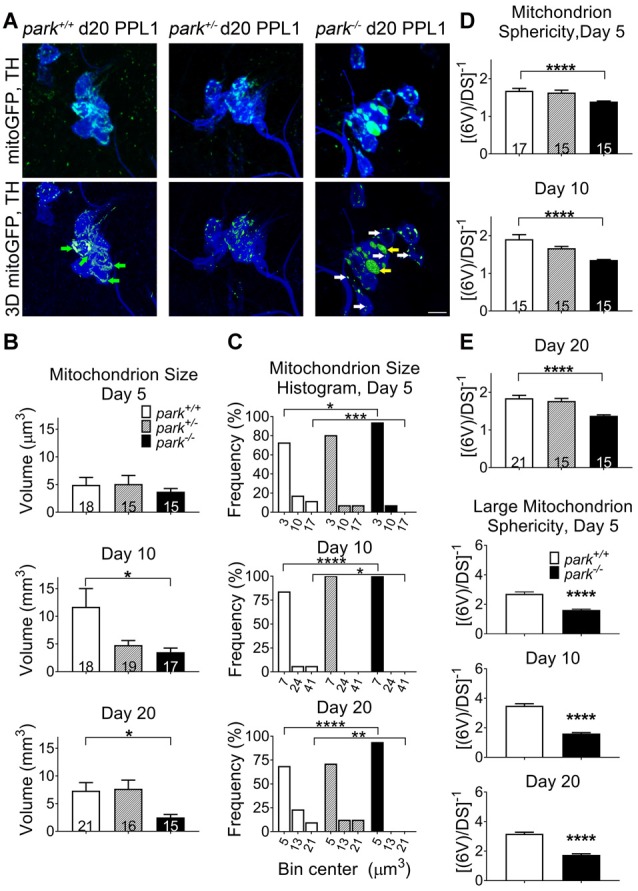
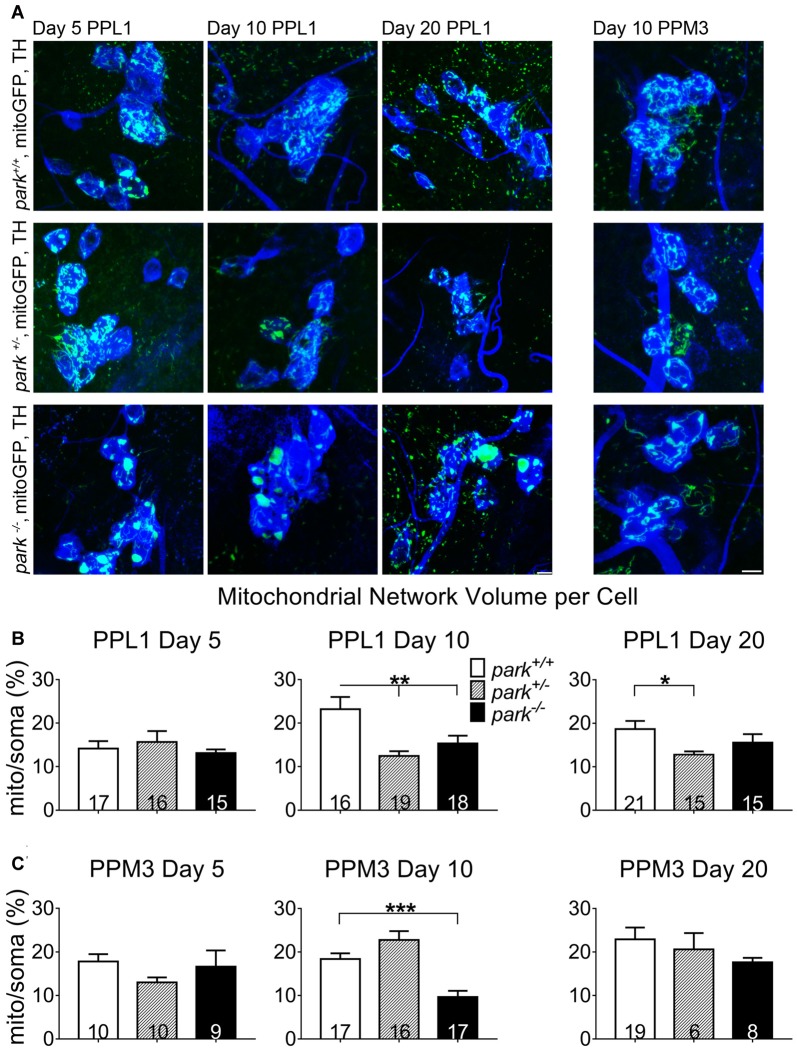
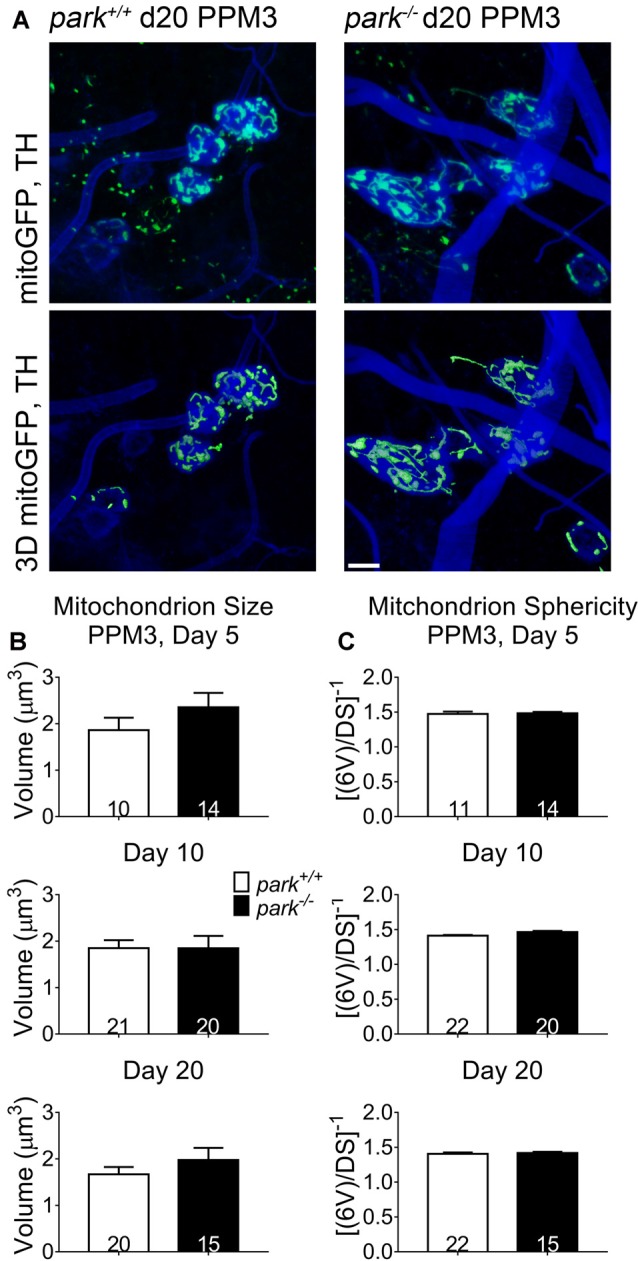
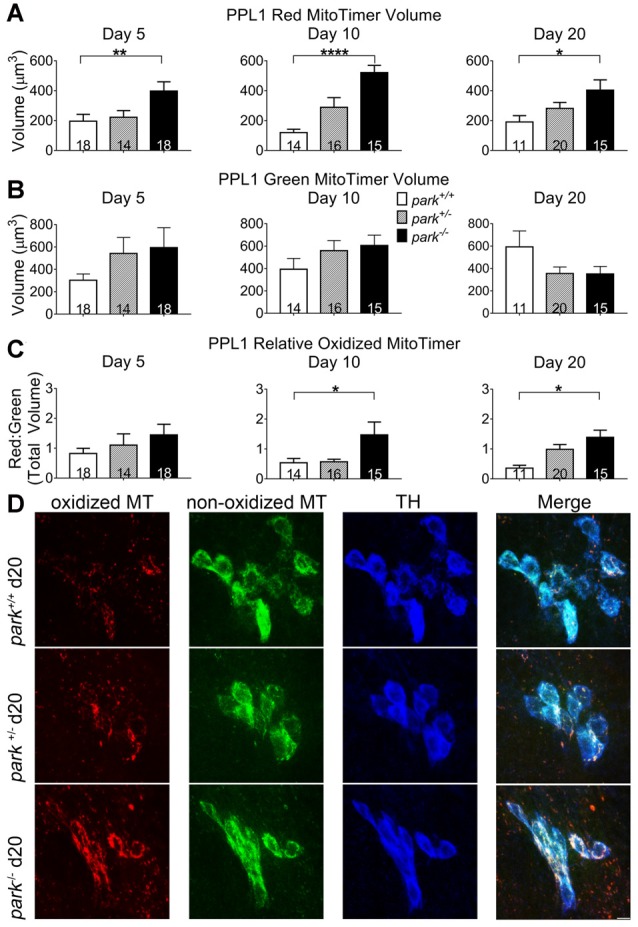
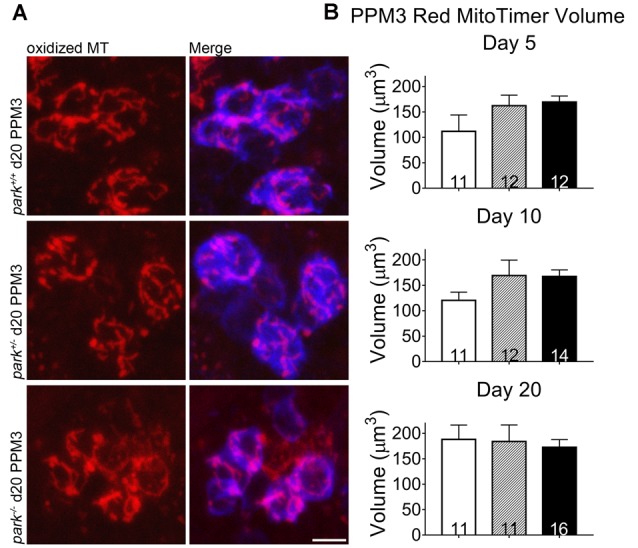
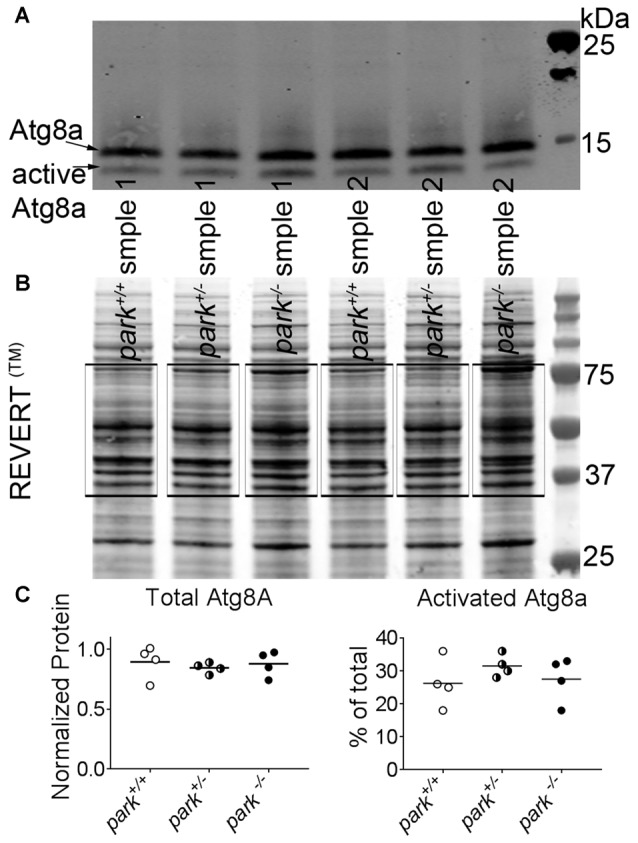
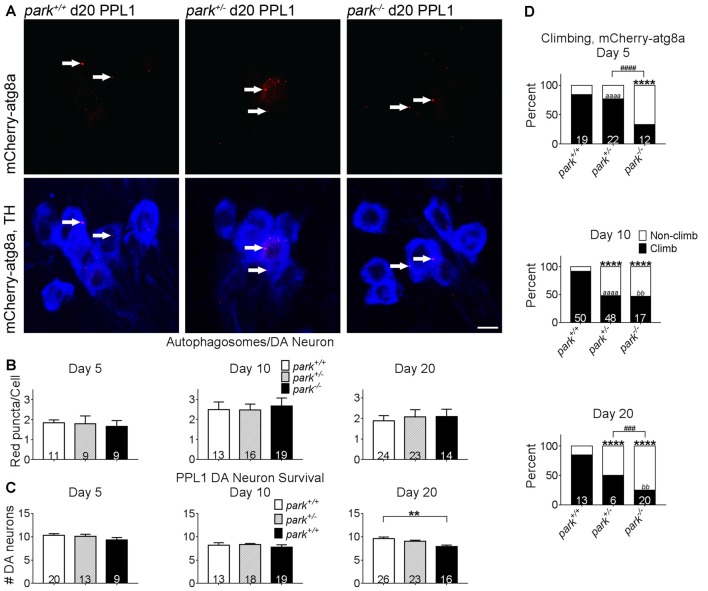
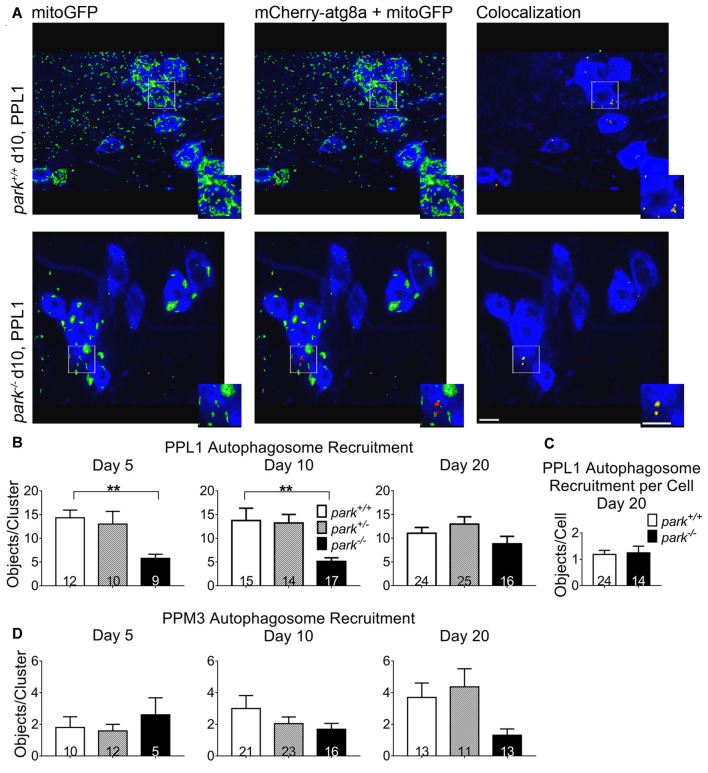
Selective degeneration of substantia nigra dopaminergic (DA) neurons is a hallmark pathology of familial Parkinson's disease (PD). While the mechanism of degeneration is elusive, abnormalities in mitochondrial function and turnover are strongly implicated. An Autosomal Recessive-Juvenile Parkinsonism (AR-JP) model exhibits DA neurodegeneration as well as aberrant mitochondrial dynamics and function. Disruptions in mitophagy have been observed in parkin loss-of-function models, and changes in mitochondrial respiration have been reported in patient fibroblasts. Whether loss of parkin causes selective DA neurodegeneration as a result of lost or decreased mitophagy is unknown. This study employs the use of fluorescent constructs expressed in DA neurons that are functionally homologous to those of the mammalian substantia nigra. We provide evidence that degenerating DA neurons in parkin loss-of-function mutant flies have advanced mitochondrial aging, and that mitochondrial networks are fragmented and contain swollen organelles. We also found that mitophagy initiation is decreased in ( ortholog) homozygous mutants, but autophagosome formation is unaffected, and mitochondrial network volumes are decreased. As the fly ages, autophagosome recruitment becomes similar to control, while mitochondria continue to show signs of damage, and climbing deficits persist. Interestingly, aberrant mitochondrial morphology, aging and mitophagy initiation were not observed in DA neurons that do not degenerate. Our results suggest that parkin is important for mitochondrial homeostasis in vulnerable DA neurons, and that loss of parkin-mediated mitophagy may play a role in degeneration of relevant DA neurons or motor deficits in this model.
黑质多巴胺能(DA)神经元的选择性退化是家族性帕金森病(PD)的标志性病理特征。虽然退化机制尚不清楚,但线粒体功能和周转异常与之密切相关。常染色体隐性青少年帕金森综合征(AR-JP)模型表现出DA神经变性以及异常的线粒体动力学和功能。在parkin功能丧失模型中观察到线粒体自噬的破坏,并且在患者成纤维细胞中报道了线粒体呼吸的变化。parkin的缺失是否由于线粒体自噬丧失或减少而导致选择性DA神经变性尚不清楚。本研究使用在DA神经元中表达的荧光构建体,其在功能上与哺乳动物黑质的荧光构建体同源。我们提供的证据表明,parkin功能丧失突变果蝇中退化的DA神经元具有线粒体衰老加剧的现象,并且线粒体网络碎片化且包含肿胀的细胞器。我们还发现,(直系同源基因)纯合突变体中线粒体自噬起始减少,但自噬体形成未受影响,并且线粒体网络体积减小。随着果蝇衰老,自噬体募集变得与对照相似,而线粒体继续显示损伤迹象,并且攀爬缺陷持续存在。有趣的是,在未退化的DA神经元中未观察到异常的线粒体形态、衰老和线粒体自噬起始。我们的结果表明,parkin对于易损DA神经元中的线粒体稳态很重要,并且parkin介导的线粒体自噬丧失可能在该模型中相关DA神经元的退化或运动缺陷中起作用。