Department of Psychology, Experimental Psychology, University of Groningen, Grote Kruisstraat 2/1, 9712, TS, Groningen, The Netherlands.
Department of Psychology, Centre for Integrative Neuroscience & Neurodynamics, University of Reading, Reading, UK.
Psychopharmacology (Berl). 2018 May;235(5):1497-1511. doi: 10.1007/s00213-018-4861-4. Epub 2018 Mar 3.
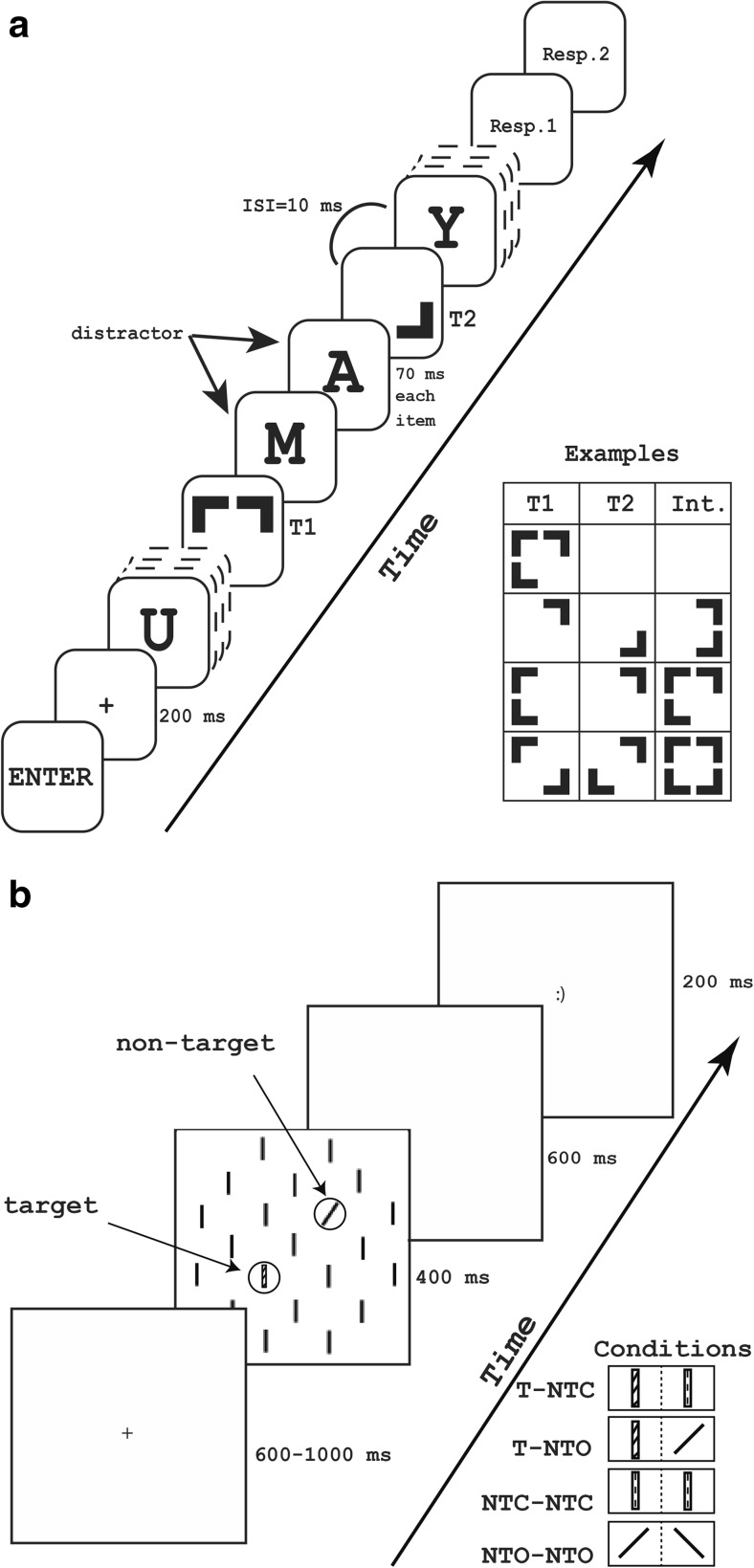
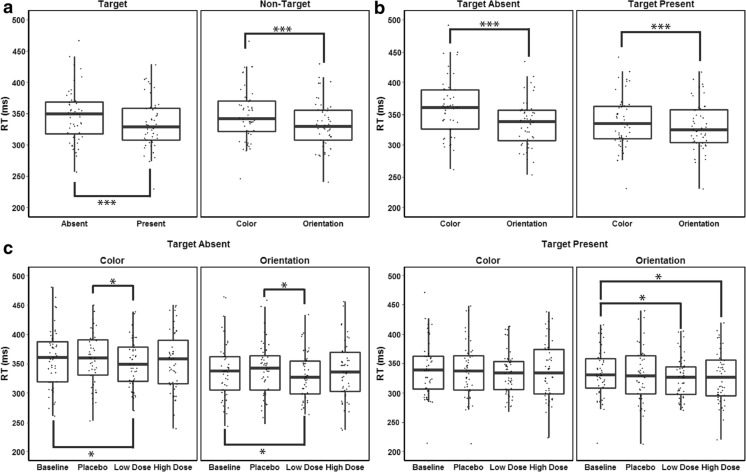
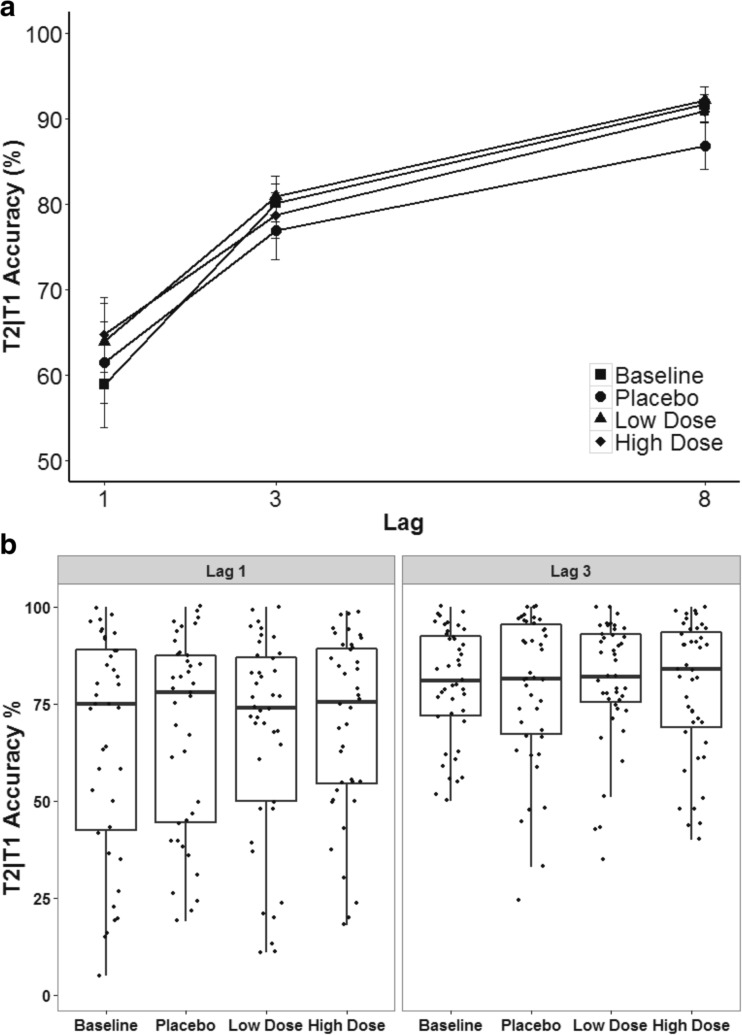
In this study, we investigated how the acute physiological effects of cocoa flavanols might result in specific cognitive changes, in particular in temporal and spatial attention. To this end, we pre-registered and implemented a randomized, double-blind, placebo- and baseline-controlled crossover design. A sample of 48 university students participated in the study and each of them completed the experimental tasks in four conditions (baseline, placebo, low dose, and high-dose flavanol), administered in separate sessions with a 1-week washout interval. A rapid serial visual presentation task was used to test flavanol effects on temporal attention and integration, and a visual search task was similarly employed to investigate spatial attention. Results indicated that cocoa flavanols improved visual search efficiency, reflected by reduced reaction time. However, cocoa flavanols did not facilitate temporal attention nor integration, suggesting that flavanols may affect some aspects of attention, but not others. Potential underlying mechanisms are discussed.
在这项研究中,我们调查了可可黄烷醇的急性生理效应如何导致特定的认知变化,特别是在时间和空间注意力方面。为此,我们预先注册并实施了一项随机、双盲、安慰剂和基线对照的交叉设计。48 名大学生参加了这项研究,他们每个人都在四种条件(基线、安慰剂、低剂量和高剂量黄烷醇)下完成了实验任务,这些条件在单独的会议中进行,间隔一周的洗脱期。快速序列视觉呈现任务用于测试黄烷醇对时间注意力和整合的影响,类似地,视觉搜索任务也用于研究空间注意力。结果表明,可可黄烷醇通过减少反应时间来提高视觉搜索效率。然而,可可黄烷醇并没有促进时间注意力或整合,这表明黄烷醇可能会影响注意力的某些方面,但不是其他方面。讨论了潜在的机制。