Porcu Cristiana, Antonucci Laura, Barbaro Barbara, Illi Barbara, Nasi Sergio, Martini Maurizio, Licata Anna, Miele Luca, Grieco Antonio, Balsano Clara
MESVA Department, University of L'Aquila, L'Aquila, Italy.
F. Balsano Foundation, Rome, Italy.
Oncotarget. 2018 Jan 20;9(10):9325-9343. doi: 10.18632/oncotarget.24282. eCollection 2018 Feb 6.
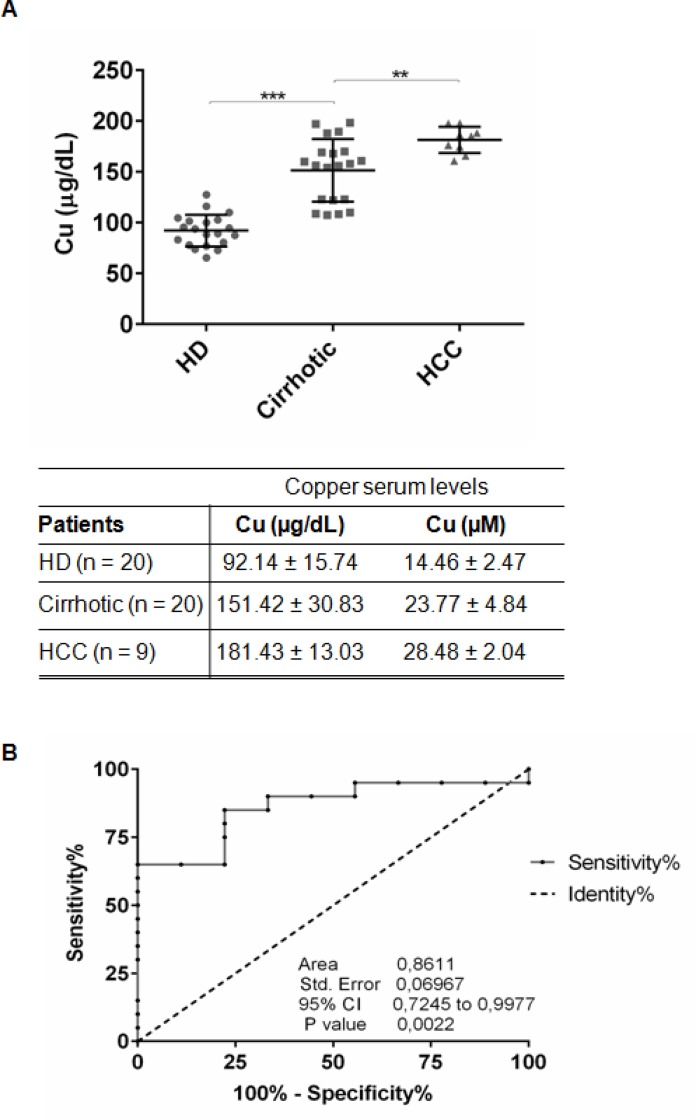
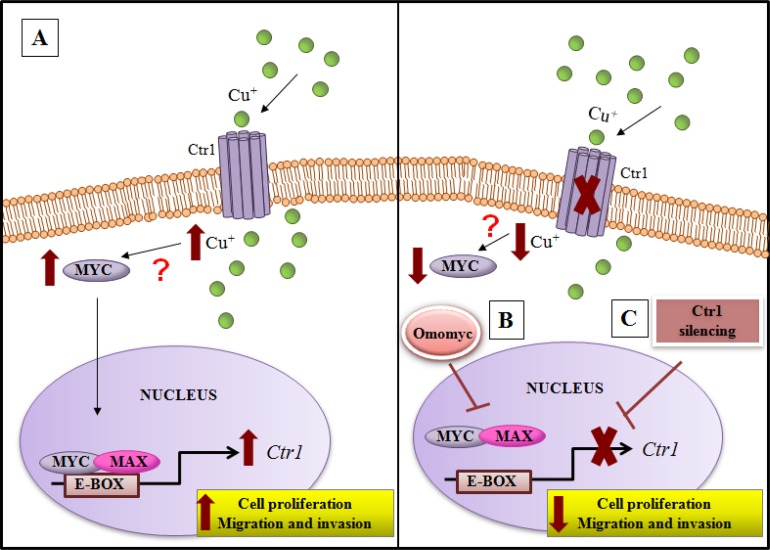
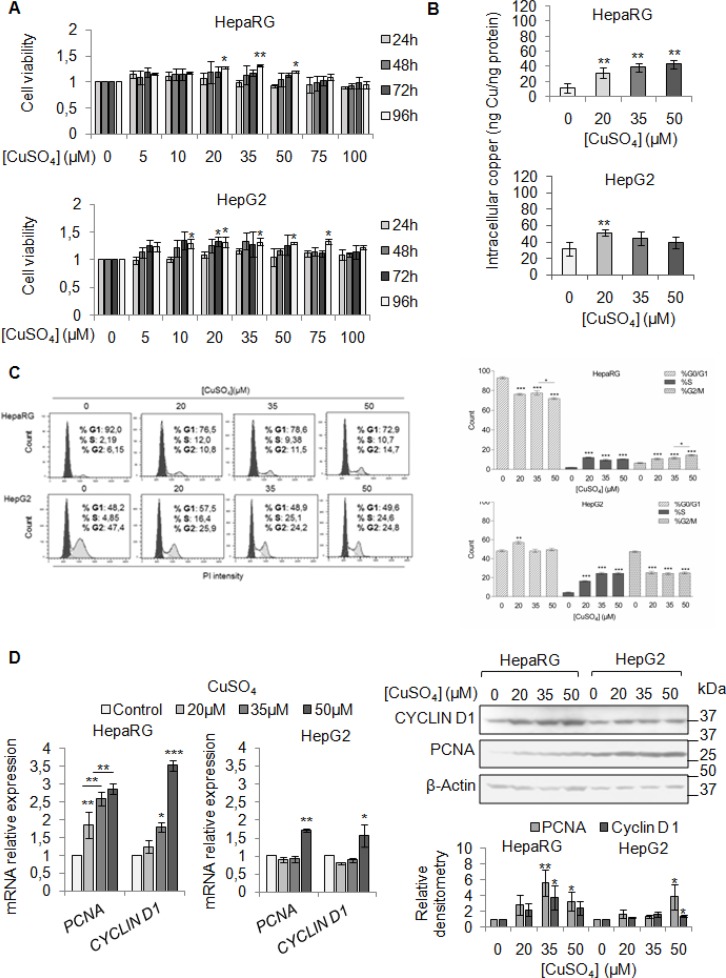
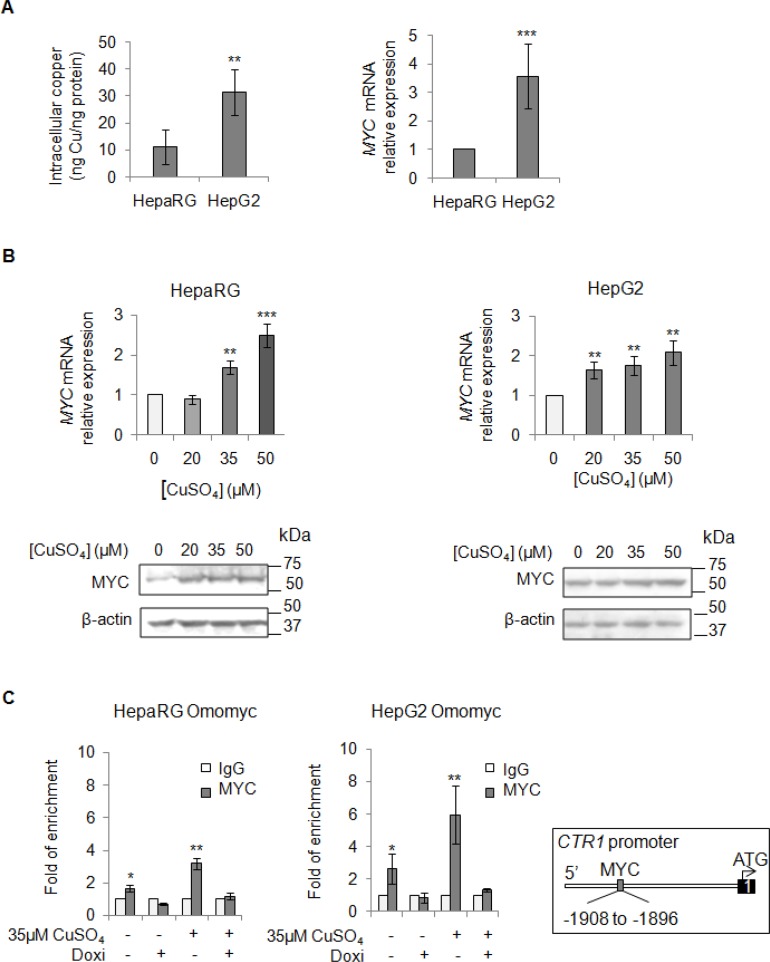
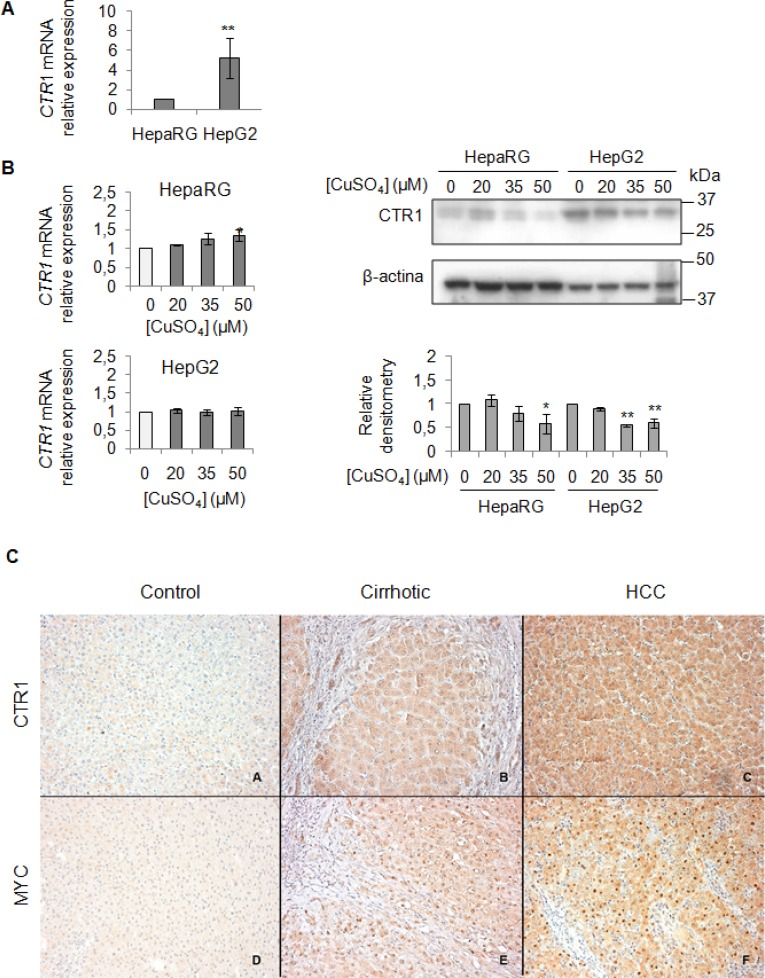
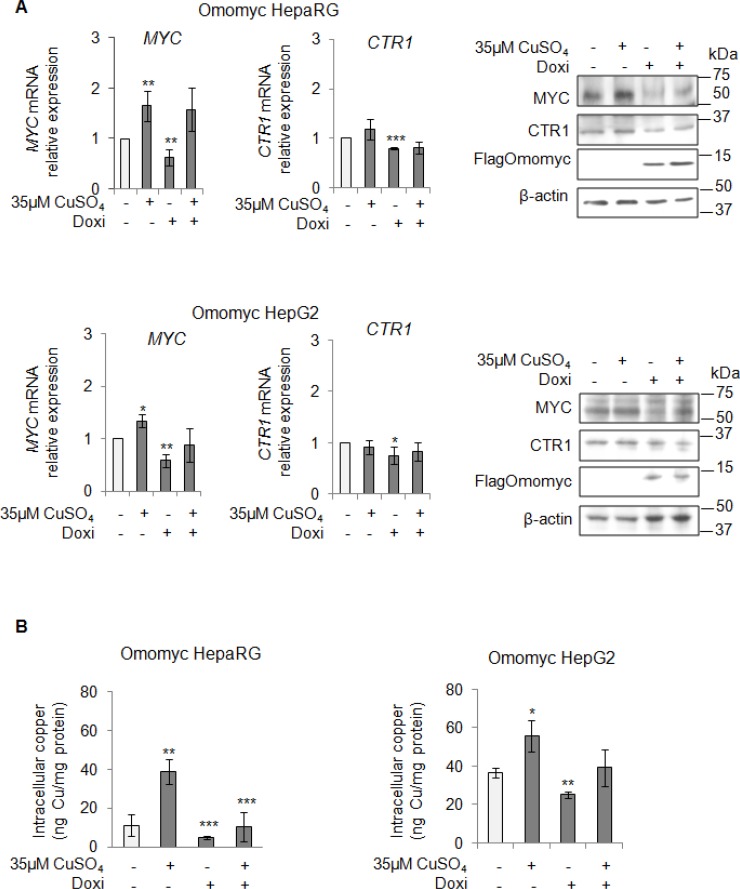
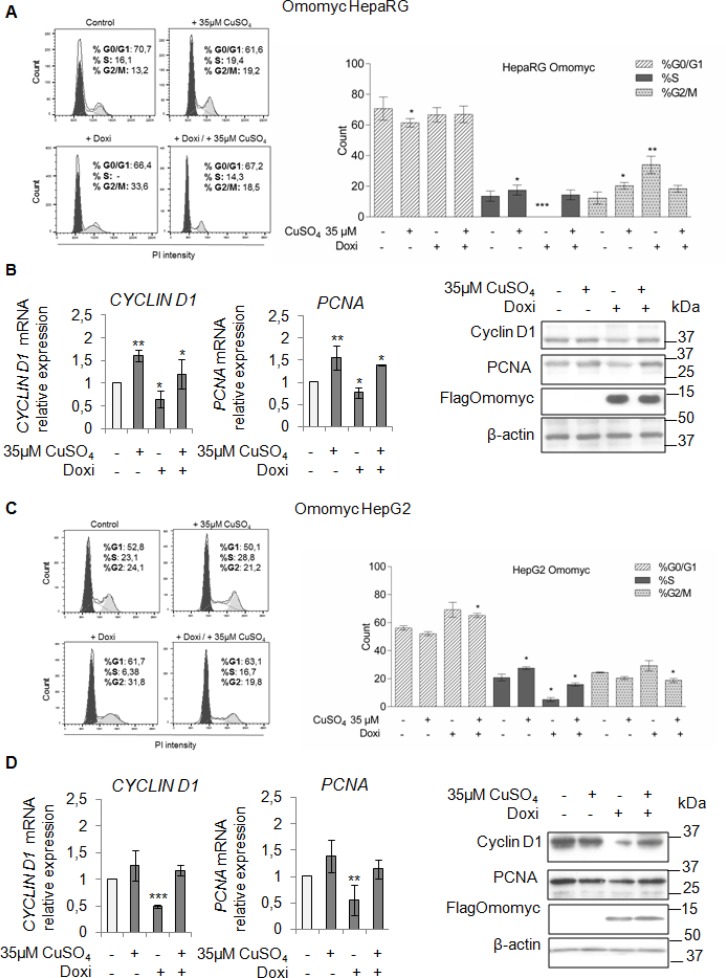
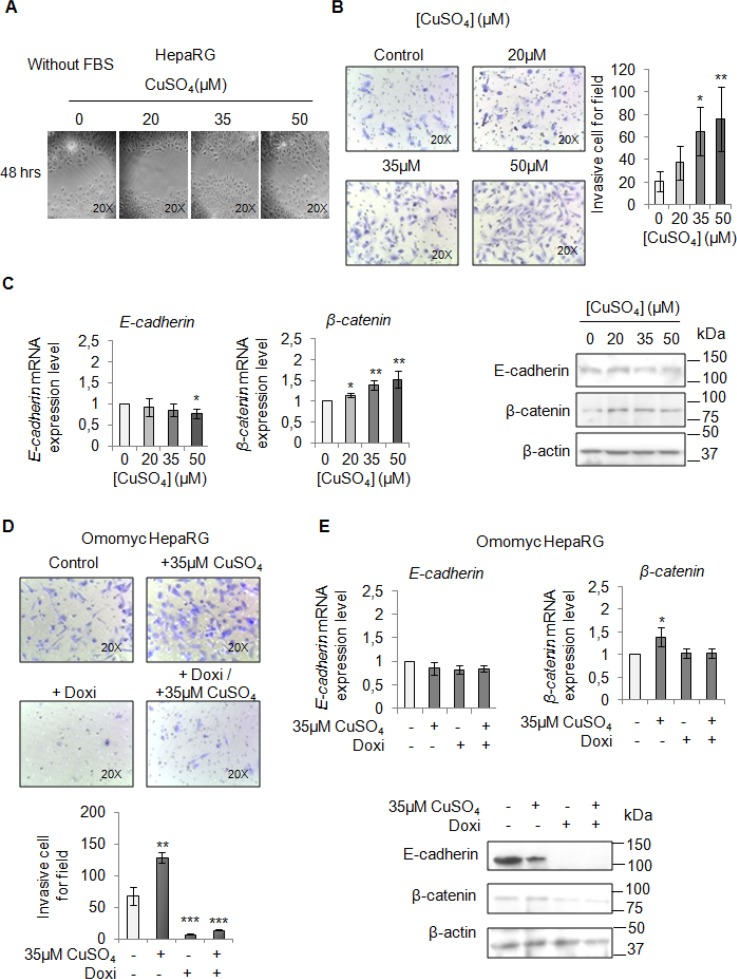
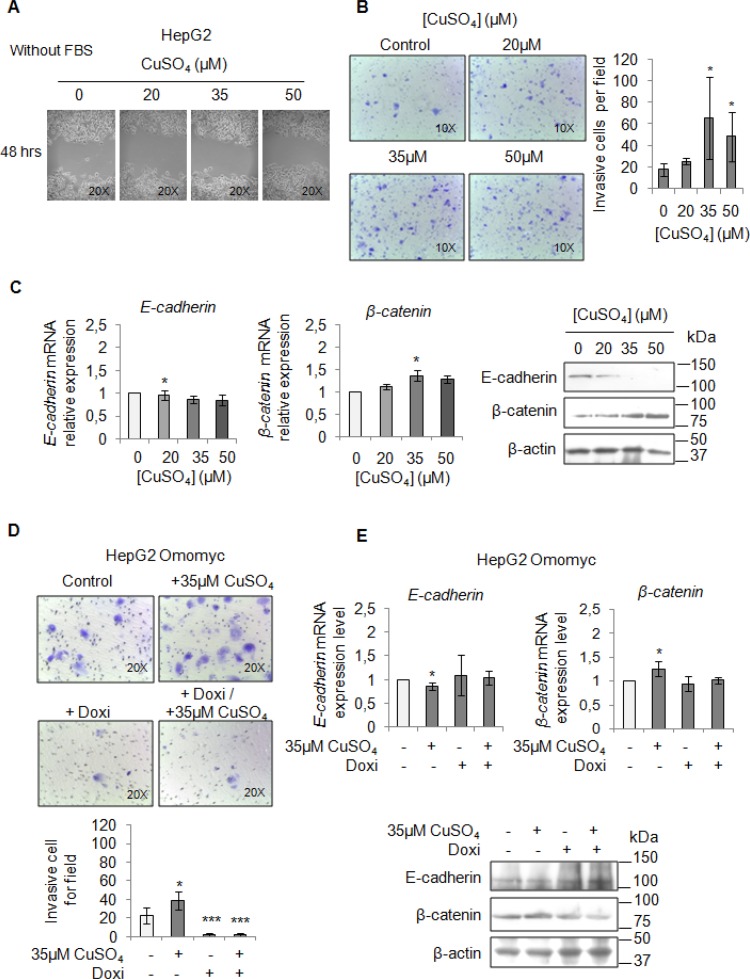
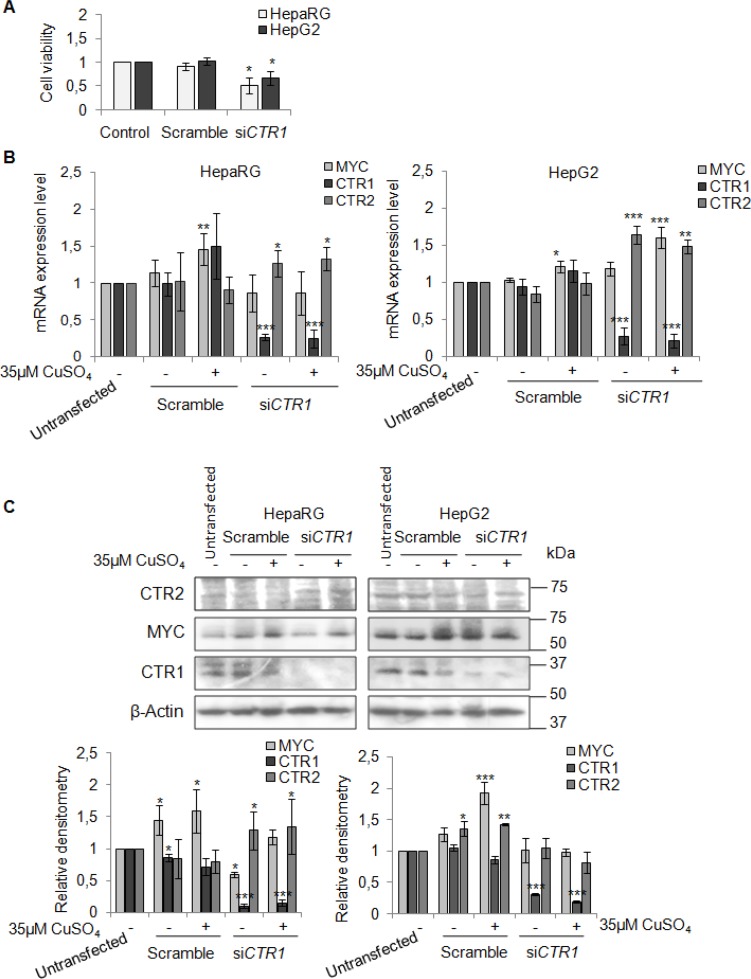
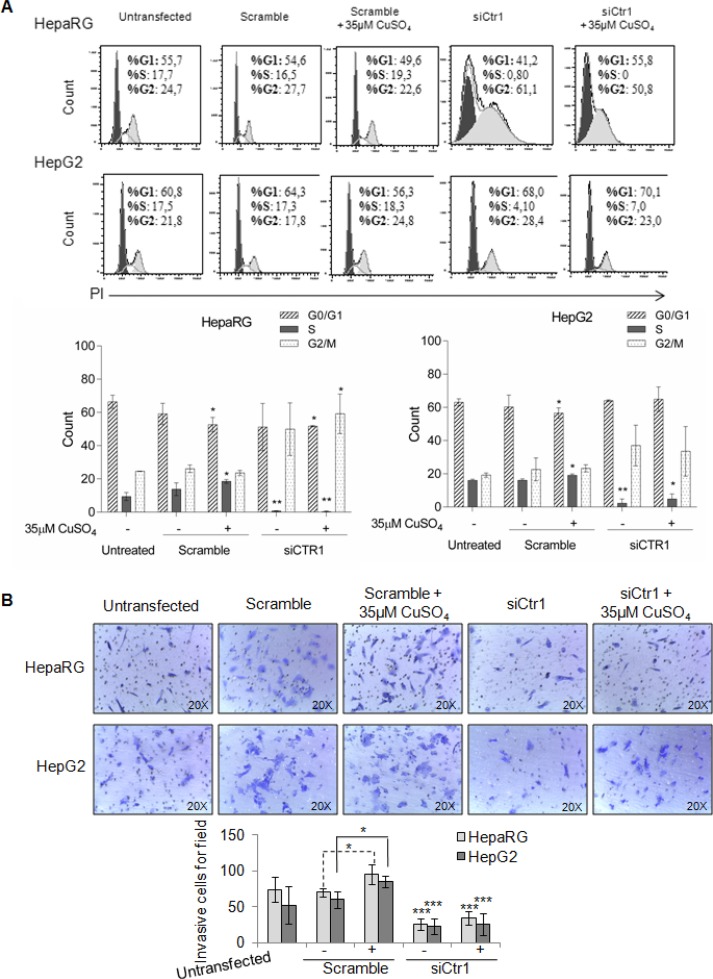
Free serum copper correlates with tumor incidence and progression of human cancers, including hepatocellular carcinoma (HCC). Copper extracellular uptake is provided by the transporter CTR1, whose expression is regulated to avoid excessive intracellular copper entry. Inadequate copper serum concentration is involved in the pathogenesis of Non Alcoholic Fatty Liver Disease (NAFLD), which is becoming a major cause of liver damage progression and HCC incidence. Finally, MYC is over-expressed in most of HCCs and is a critical regulator of cellular growth, tumor invasion and metastasis. The purpose of our study was to understand if higher serum copper concentrations might be involved in the progression of NAFLD-cirrhosis toward-HCC. We investigated whether high exogenous copper levels sensitize liver cells to transformation and if it exists an interplay between copper-related proteins and MYC oncogene. NAFLD-cirrhotic patients were characterized by a statistical significant enhancement of serum copper levels, even more evident in HCC patients. We demonstrated that high extracellular copper concentrations increase cell growth, migration, and invasion of liver cancer cells by modulating MYC/CTR1 axis. We highlighted that MYC binds a specific region of the CTR1 promoter, regulating its transcription. Accordingly, CTR1 and MYC proteins expression were progressively up-regulated in liver tissues from NAFLD-cirrhotic to HCC patients. This work provides novel insights on the molecular mechanisms by which copper may favor the progression from cirrhosis to cancer. The Cu/MYC/CTR1 interplay opens a window to refine HCC diagnosis and design new combined therapies.
游离血清铜与包括肝细胞癌(HCC)在内的人类癌症的肿瘤发生率和进展相关。铜的细胞外摄取由转运蛋白CTR1提供,其表达受到调控以避免过多的细胞内铜进入。血清铜浓度不足与非酒精性脂肪性肝病(NAFLD)的发病机制有关,NAFLD正成为肝损伤进展和HCC发生率的主要原因。最后,MYC在大多数HCC中过度表达,是细胞生长、肿瘤侵袭和转移的关键调节因子。我们研究的目的是了解较高的血清铜浓度是否可能参与NAFLD肝硬化向HCC的进展。我们研究了高外源性铜水平是否使肝细胞对转化敏感,以及铜相关蛋白与MYC癌基因之间是否存在相互作用。NAFLD肝硬化患者的血清铜水平有统计学意义的显著升高,在HCC患者中更为明显。我们证明,高细胞外铜浓度通过调节MYC/CTR1轴增加肝癌细胞的生长、迁移和侵袭。我们强调,MYC结合CTR1启动子的特定区域,调节其转录。因此,从NAFLD肝硬化患者到HCC患者的肝脏组织中,CTR1和MYC蛋白表达逐渐上调。这项工作为铜可能促进从肝硬化到癌症进展的分子机制提供了新的见解。Cu/MYC/CTR1相互作用为完善HCC诊断和设计新的联合治疗方法打开了一扇窗。