Department of Chemistry , University of California, Irvine , Irvine , California 92697-2025 , United States.
Acc Chem Res. 2018 Mar 20;51(3):706-718. doi: 10.1021/acs.accounts.7b00554. Epub 2018 Mar 6.
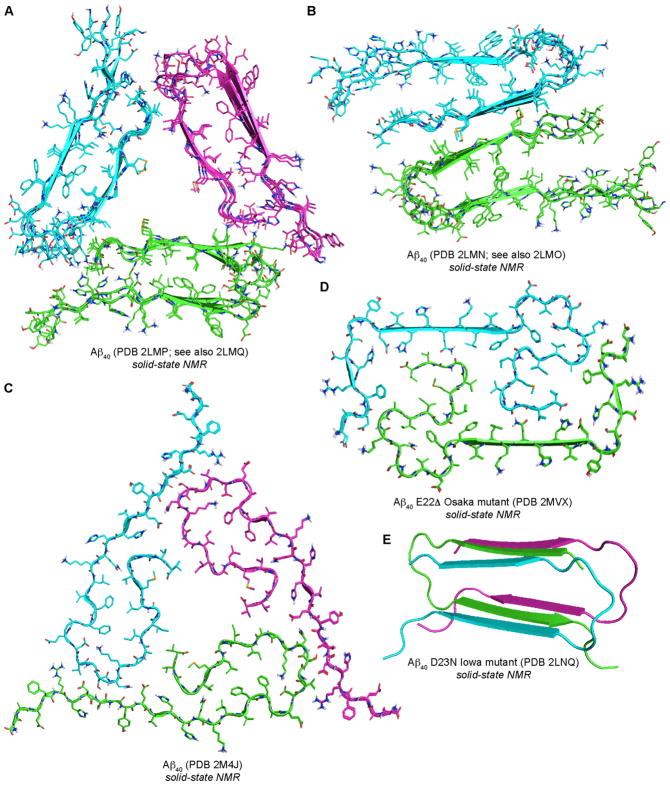
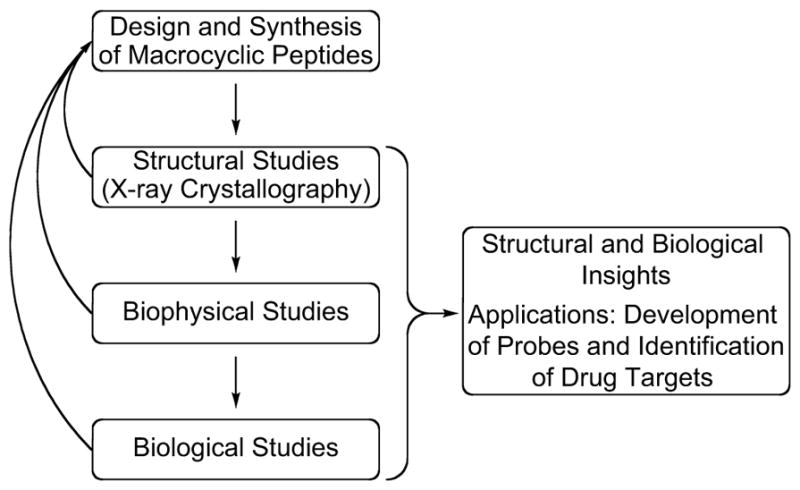
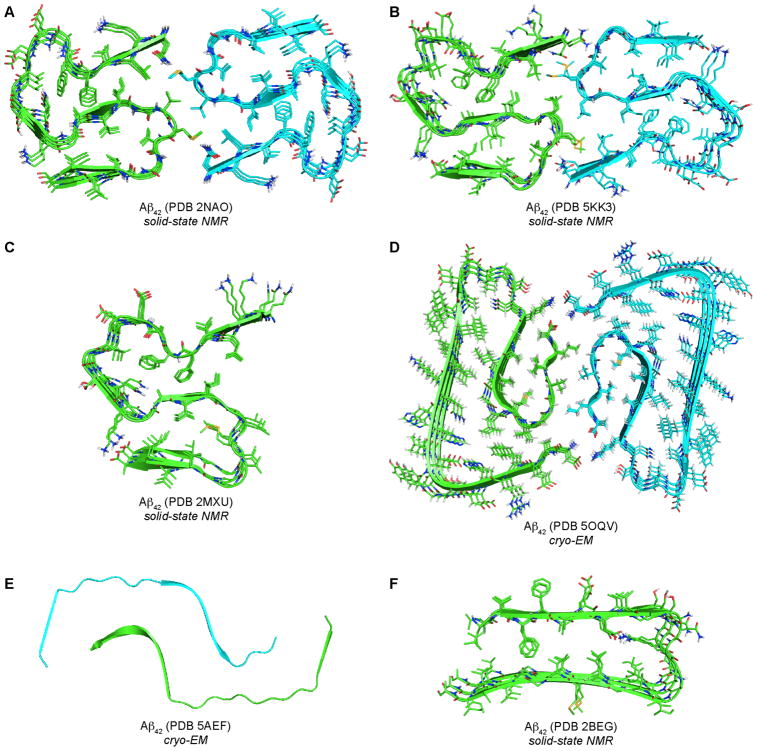
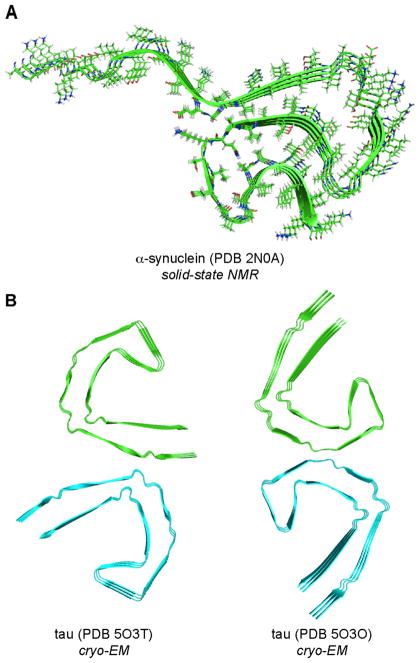
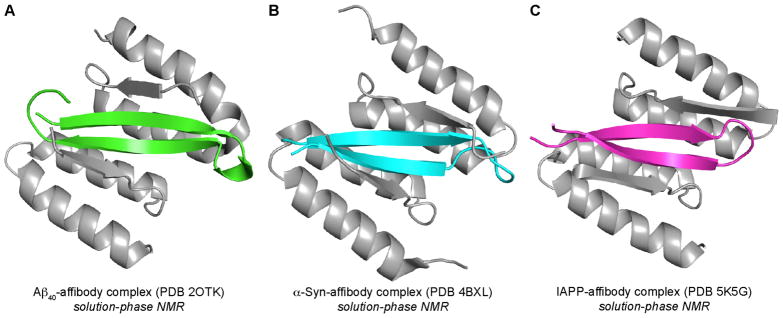
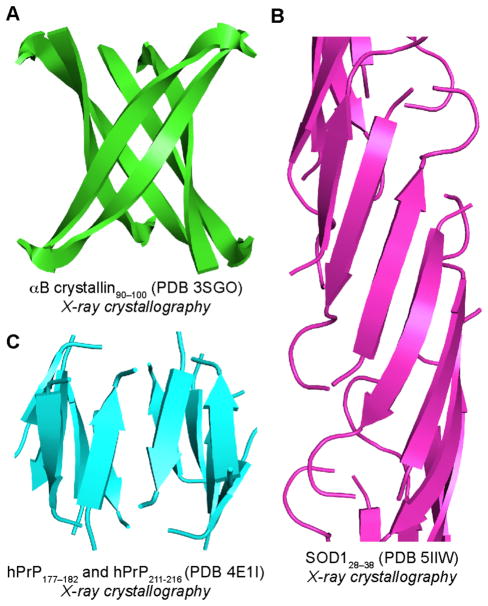
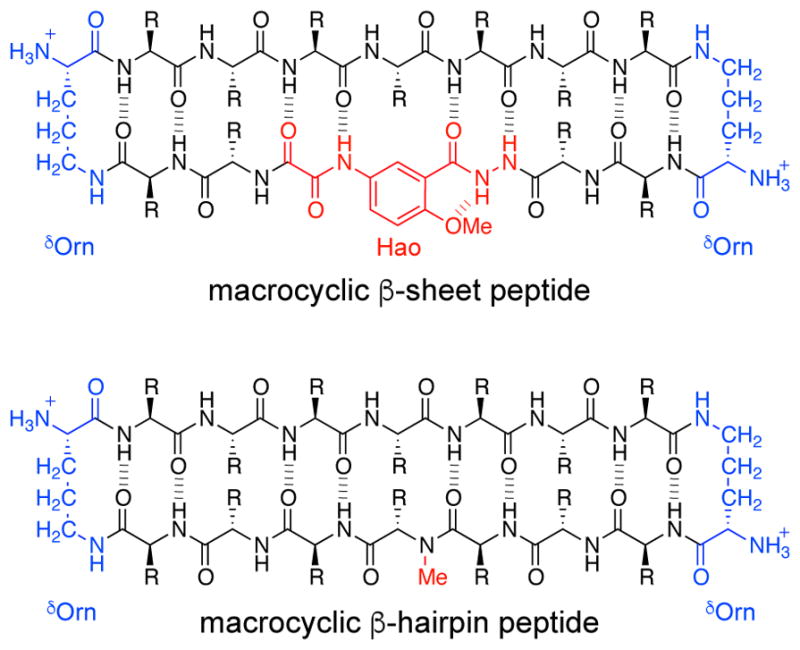
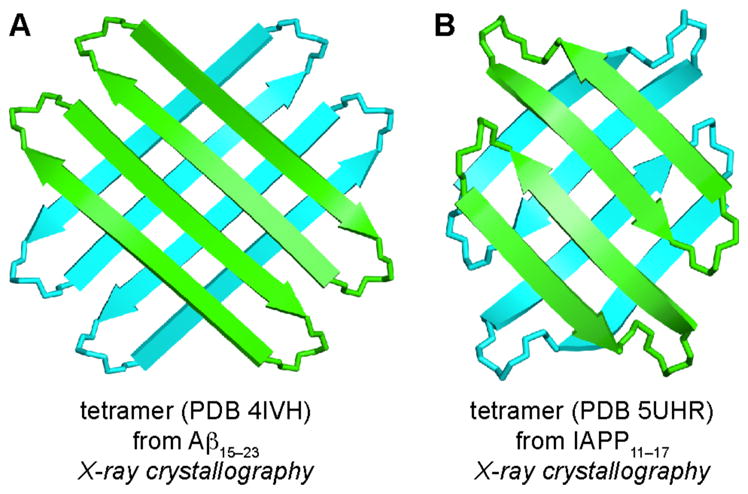
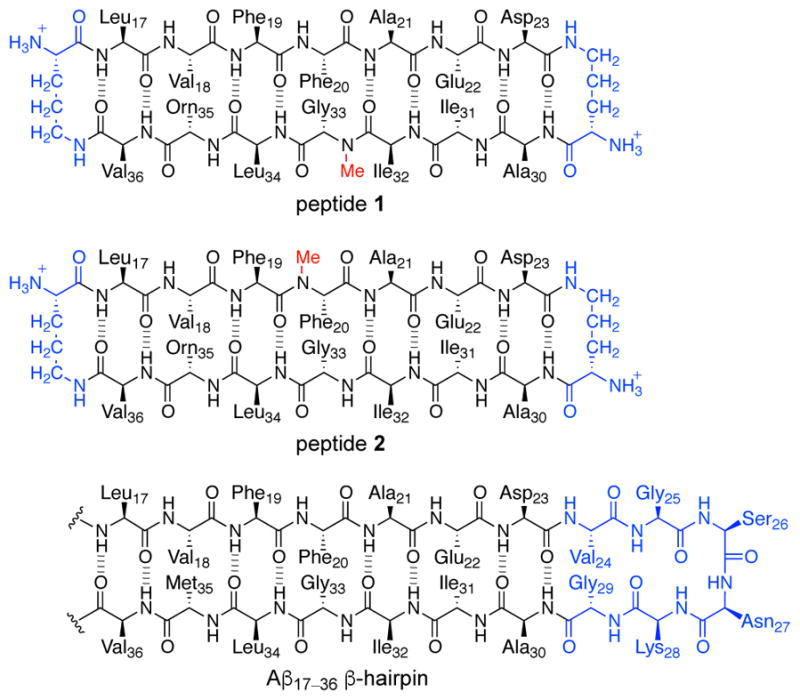
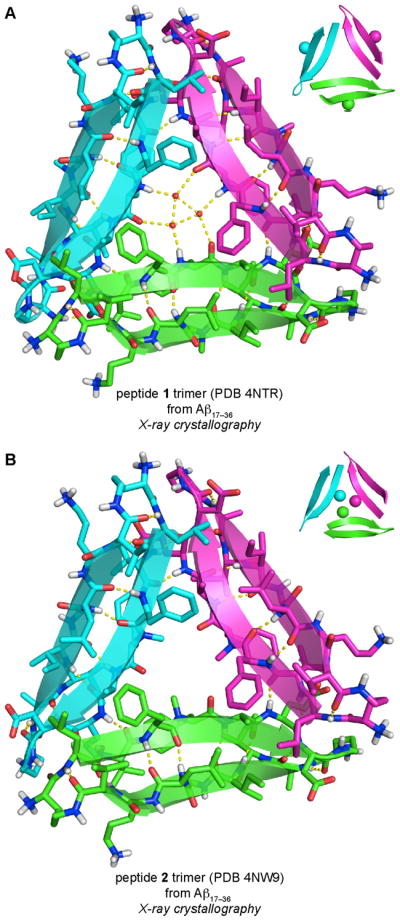
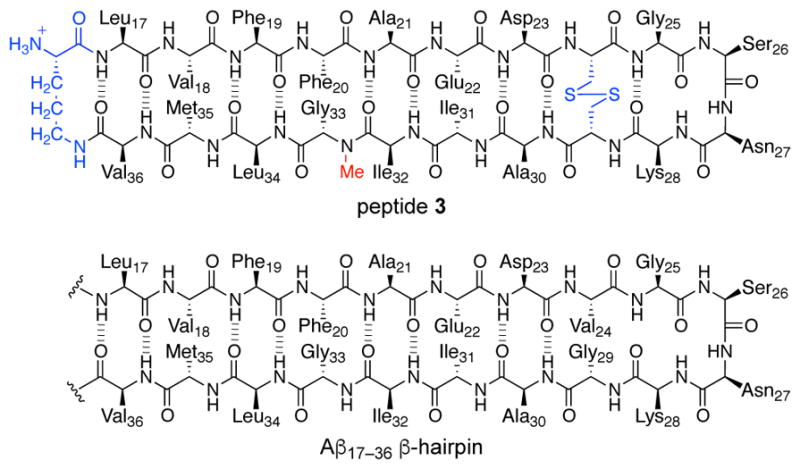
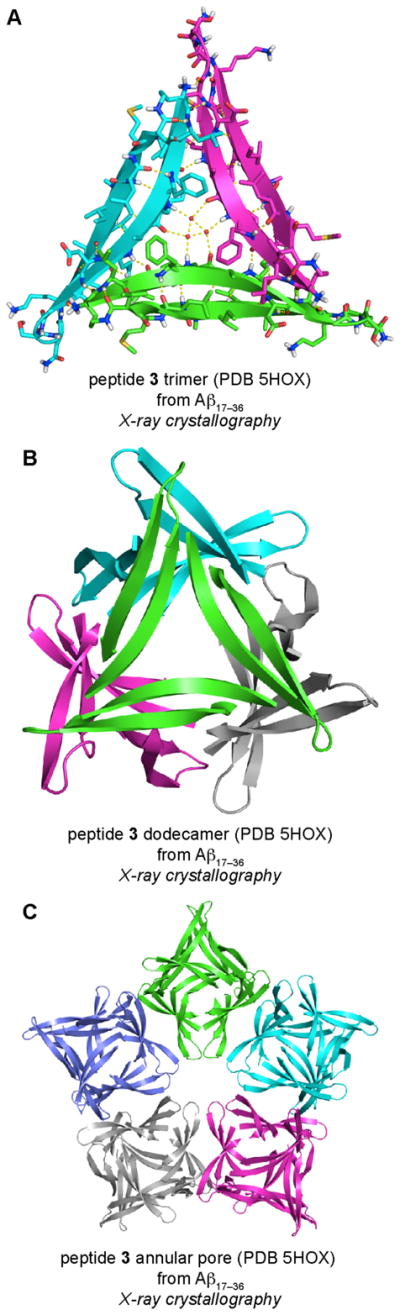
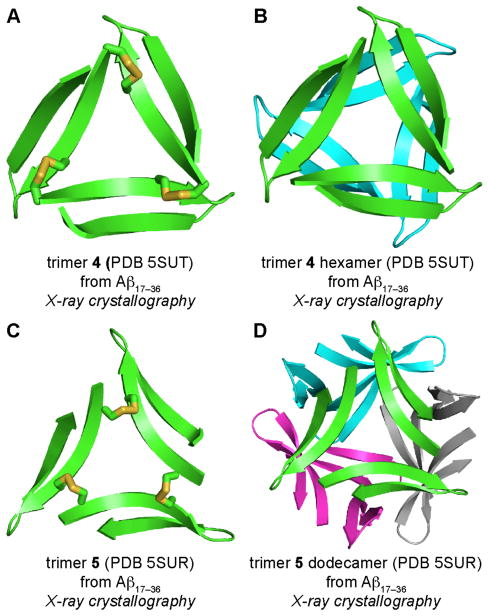
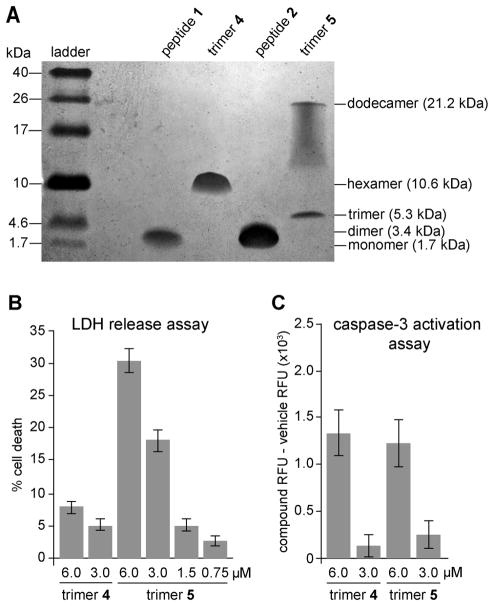
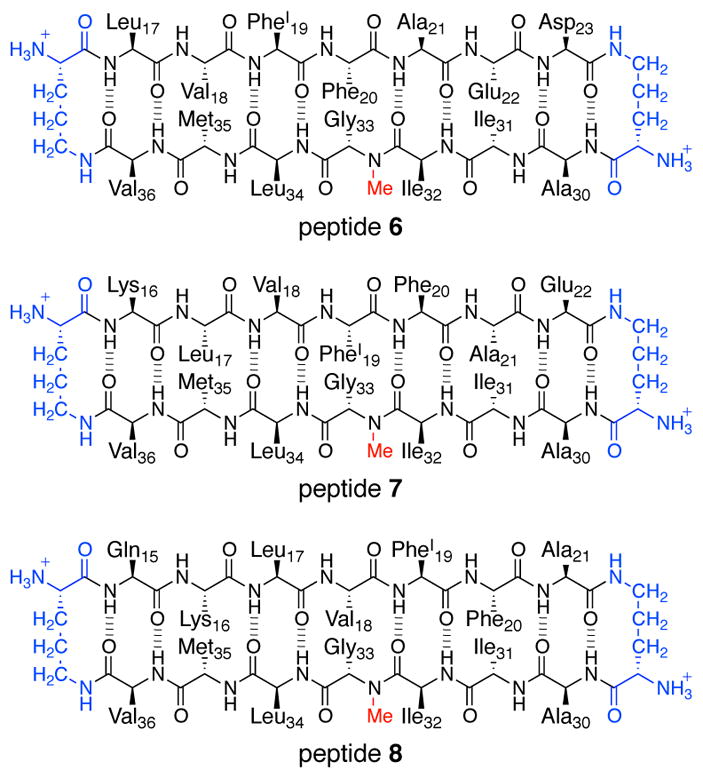
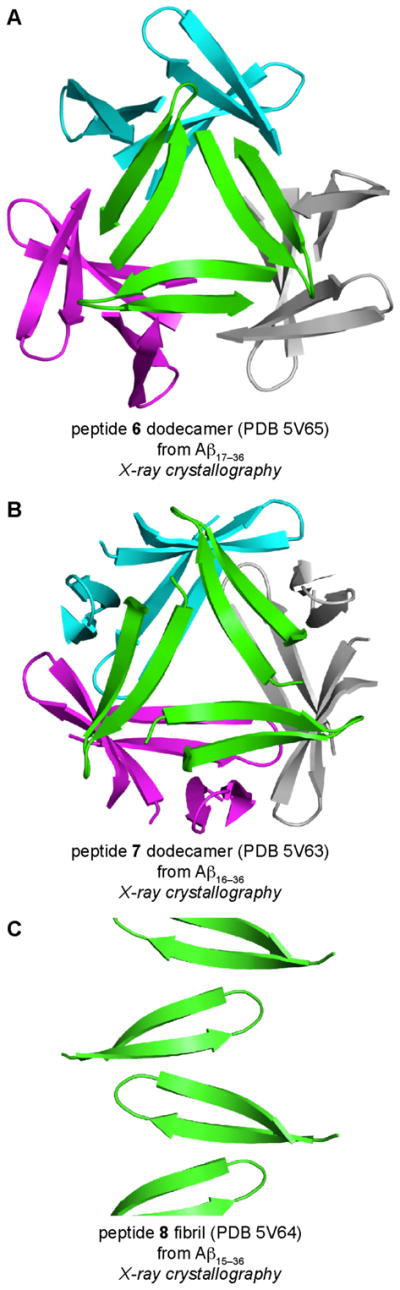
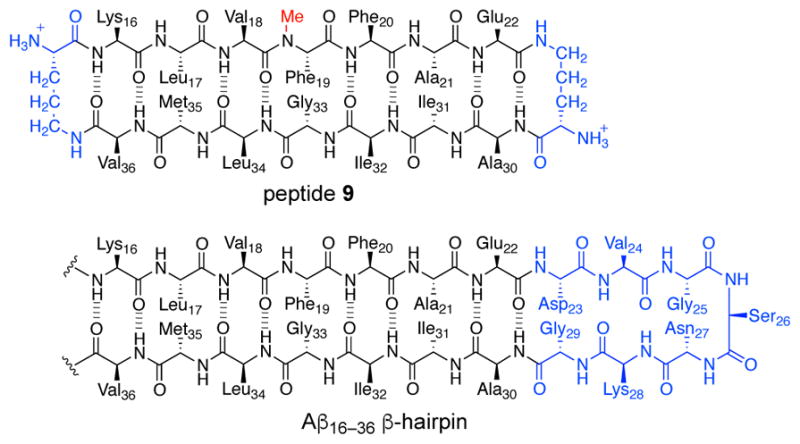
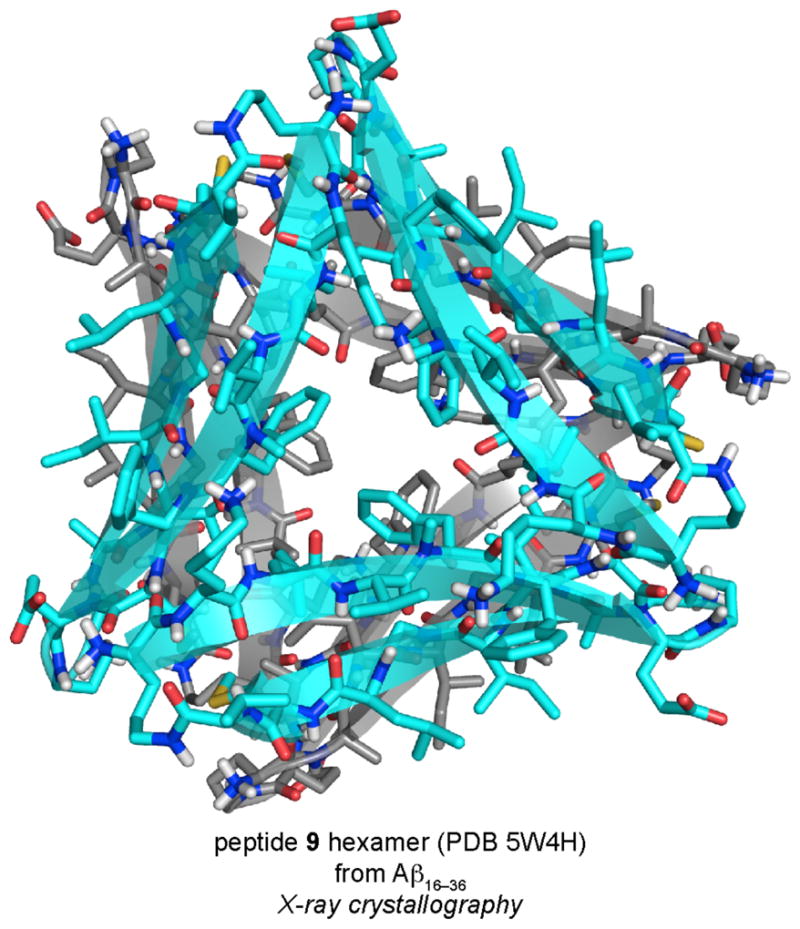
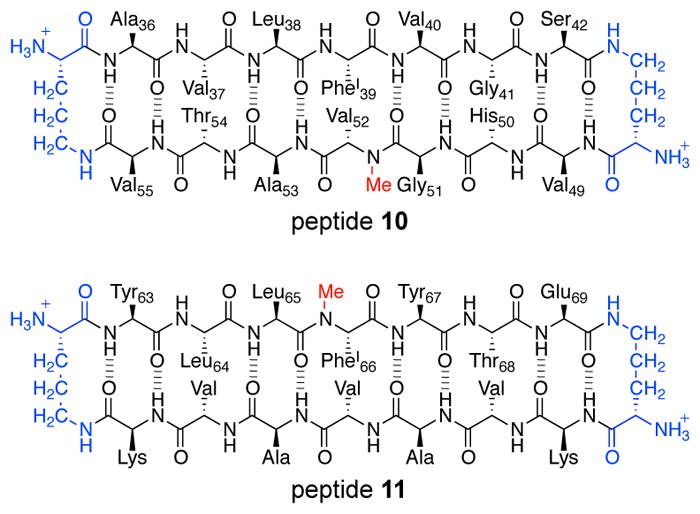
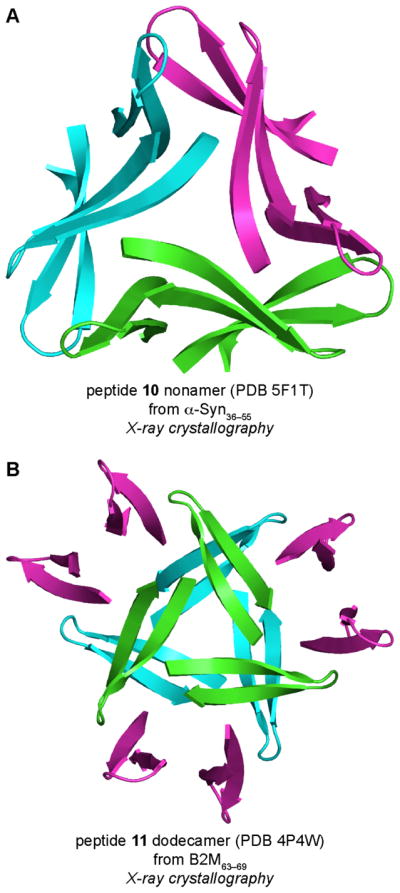
In the more than a century since its identification, Alzheimer's disease has become the archetype of amyloid diseases. The first glimpses of the chemical basis of Alzheimer's disease began with the identification of "amyloid" plaques in the brain in 1892 and extended to the identification of proteinaceous fibrils with "cross-β" structure in 1968. Further efforts led to the discovery of the β-amyloid peptide, Aβ, as a 40- or 42-amino acid peptide that is responsible for the plaques and fibrils. At this point, a three-decade-long marathon began to elucidate the structure of the fibrils and identify the molecular basis of Alzheimer's disease. Along the way, an alternative model began to emerge in which small aggregates of Aβ, called "oligomers", rather than fibrils, are the culprits that lead to neurodegeneration in Alzheimer's disease. This Account describes what is known about the structures of the fibrils and details our research group's efforts to understand the structural, biophysical, and biological properties of the oligomers in amyloid diseases. β-Sheets are the building blocks of amyloid fibrils and oligomers. Amyloid fibrils generally consist of extended networks of parallel β-sheets. Amyloid oligomers appear to be more compact enclosed structures, some of which are thought to be composed of antiparallel β-sheets comprising β-hairpins. β-Hairpins are special because their twisted shape, hydrophobic surfaces, and exposed hydrogen-bonding edges impart a unique propensity to form compact assemblies. Our laboratory has developed macrocyclic β-sheets that are designed to mimic β-hairpins formed by amyloidogenic peptides and proteins. The β-hairpin mimics contain two β-strand peptide fragments linked together at their N- and C-termini by two δ-linked ornithine turn mimics to create a macrocycle. An N-methyl group is installed on one of the β-strands to prevent uncontrolled aggregation. These design features facilitate crystallization of the β-hairpin mimics and determination of the X-ray crystallographic structures of the oligomers that they form. During the past few years, our laboratory has elucidated the X-ray crystallographic structures of oligomers formed by β-hairpin mimics derived from Aβ, α-synuclein, and β-microglobulin. Out of these three amyloidogenic peptides and proteins, the Aβ β-hairpin mimics have provided the most insight into amyloid oligomers. Our studies have revealed a previously undiscovered mode of self-assembly, whereby three Aβ β-hairpin mimics assemble to form a triangular trimer. The triangular trimers are remarkable, because they contain two largely hydrophobic surfaces that pack together with other triangular trimers to form higher-order oligomers, such as hexamers and dodecamers. Some of the dodecamers pack in the crystal lattice to form annular porelike assemblies. Some of the β-hairpin mimics and triangular trimers assemble in solution to form oligomers that recapitulate the crystallographically observed oligomers. These oligomers exhibit toxicity toward neuronally derived cells, recapitulating the toxicity of the oligomers formed by full-length amyloidogenic peptides and proteins. These findings are significant, because they address a gap in understanding the molecular basis of amyloid diseases. We anticipate that these studies will pave the way for developing diagnostics and therapeutics to combat Alzheimer's disease, Parkinson's disease, and other amyloid diseases.
自发现以来的一个多世纪以来,阿尔茨海默病已成为淀粉样蛋白疾病的典型代表。对阿尔茨海默病化学基础的最初认识始于 1892 年在大脑中发现“淀粉样”斑块,并扩展到 1968 年发现具有“交叉-β”结构的蛋白原纤维。进一步的努力导致发现β-淀粉样肽,即 Aβ,这是一种 40 或 42 个氨基酸的肽,负责斑块和原纤维的形成。此时,一个长达三十年的马拉松比赛开始阐明原纤维的结构,并确定阿尔茨海默病的分子基础。在此过程中,一种替代模型开始出现,其中 Aβ 的小聚集体,称为“寡聚物”,而不是原纤维,是导致阿尔茨海默病神经退行性变的罪魁祸首。本说明描述了已知的原纤维结构,并详细介绍了我们研究小组努力理解淀粉样蛋白疾病中寡聚物的结构、生物物理和生物学特性。β-折叠是淀粉样原纤维和寡聚物的结构单元。淀粉样原纤维通常由平行β-折叠的扩展网络组成。淀粉样寡聚物似乎是更紧凑的封闭结构,其中一些被认为由包含β-发夹的反平行β-折叠组成。β-发夹很特殊,因为它们扭曲的形状、疏水性表面和暴露的氢键边缘赋予了它们形成紧凑组装体的独特倾向。我们的实验室已经开发出了大环β-折叠,旨在模拟淀粉样肽和蛋白质形成的β-发夹。β-发夹模拟物包含通过其 N-和 C-末端由两个 δ-连接的鸟氨酸环模拟物连接在一起的两个β-链肽片段,以形成大环。在一个β-链上安装一个 N-甲基基团,以防止不受控制的聚集。这些设计特征有利于β-发夹模拟物的结晶和它们形成的寡聚物的 X 射线晶体结构的确定。在过去的几年中,我们的实验室阐明了由 Aβ、α-突触核蛋白和β-微球蛋白衍生的β-发夹模拟物形成的寡聚物的 X 射线晶体结构。在这三种淀粉样蛋白肽和蛋白质中,Aββ-发夹模拟物为淀粉样寡聚物提供了最深入的见解。我们的研究揭示了一种以前未被发现的自组装模式,即三个 Aββ-发夹模拟物组装形成三角形三聚体。这些三角形三聚体非常引人注目,因为它们包含两个主要的疏水面,这些面与其他三角形三聚体一起包装,形成更高阶的寡聚物,如六聚体和十二聚体。一些十二聚体在晶格中包装形成环形孔状组装体。一些β-发夹模拟物和三角形三聚体在溶液中组装形成寡聚物,这些寡聚物再现了晶体学观察到的寡聚物。这些寡聚物对神经源性细胞表现出毒性,再现了全长淀粉样肽和蛋白质形成的寡聚物的毒性。这些发现意义重大,因为它们解决了对淀粉样蛋白疾病分子基础理解的差距。我们预计这些研究将为开发诊断和治疗方法以对抗阿尔茨海默病、帕金森病和其他淀粉样蛋白疾病铺平道路。