Department of Radiology, Seoul National University Bundang Hospital, Seongnam 13620, Korea.
Department of Internal Medicine, Seoul National University Bundang Hospital, Seongnam 13620, Korea.
Korean J Radiol. 2018 Mar-Apr;19(2):272-283. doi: 10.3348/kjr.2018.19.2.272. Epub 2018 Feb 22.
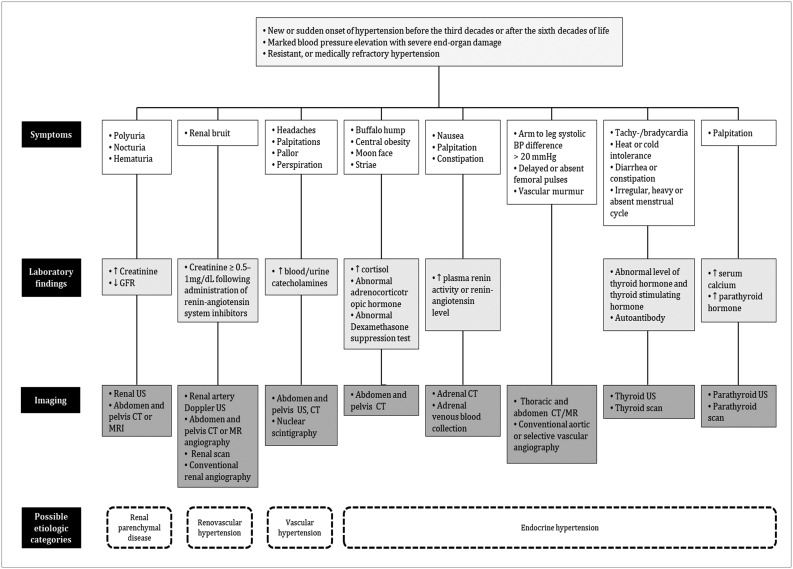
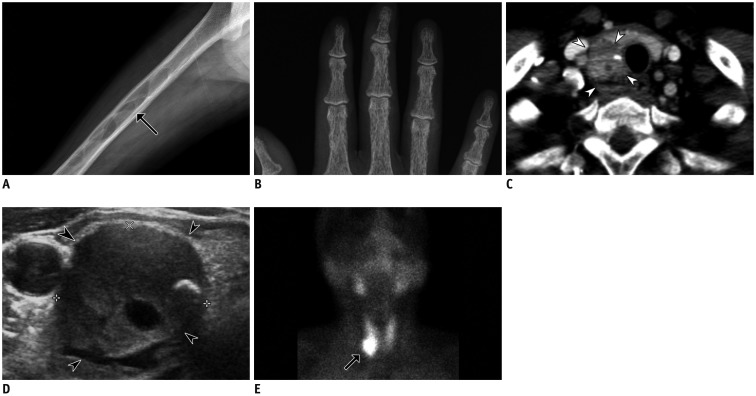
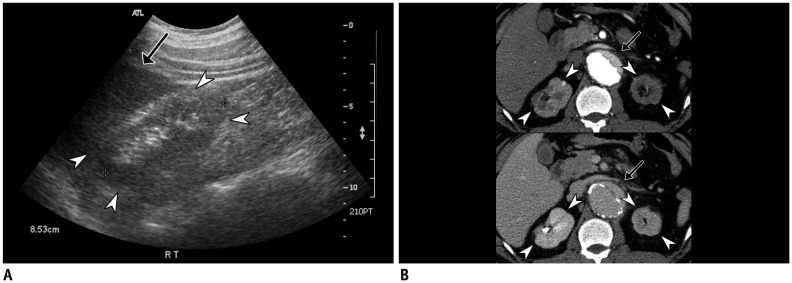
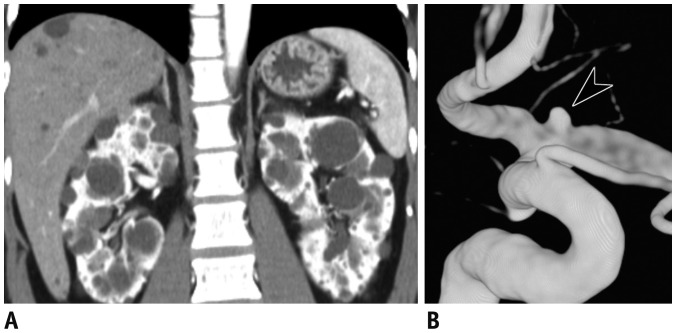
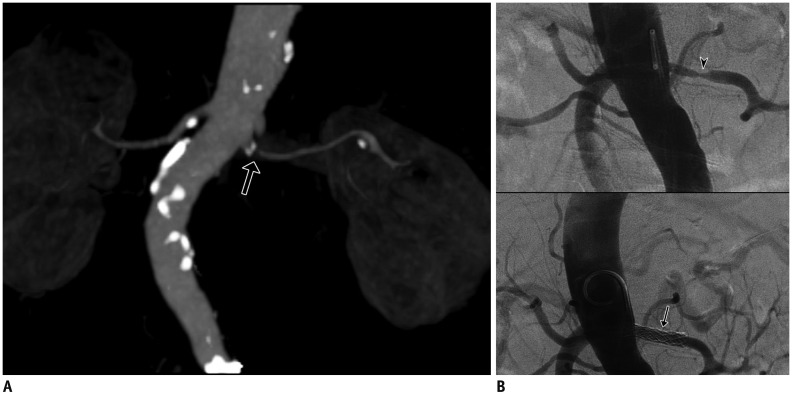
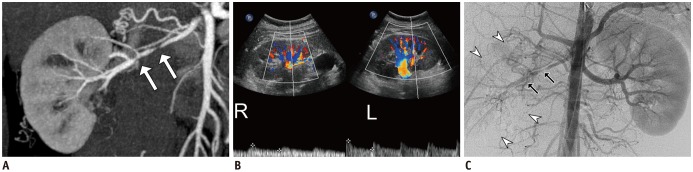
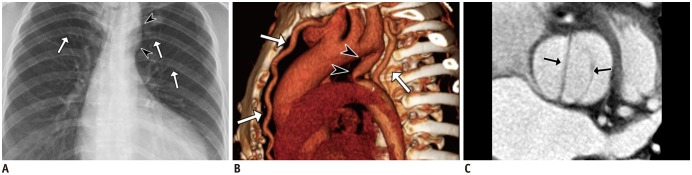
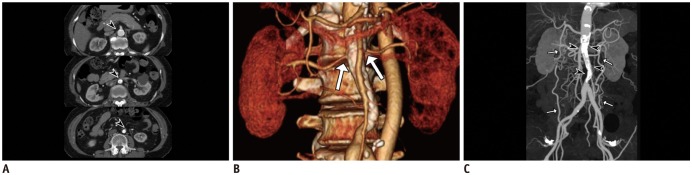
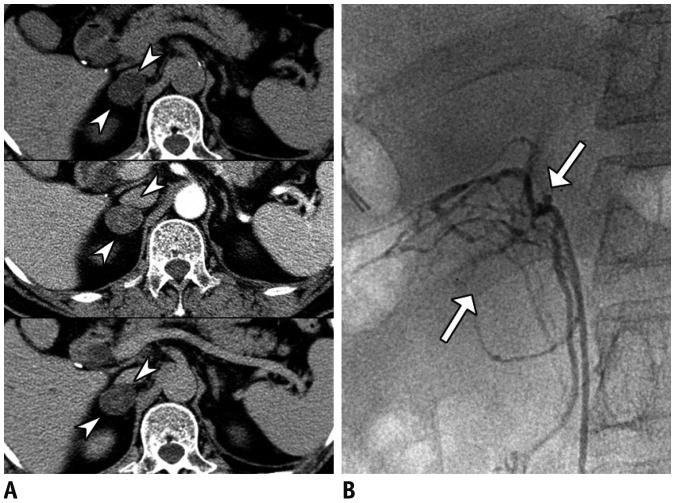
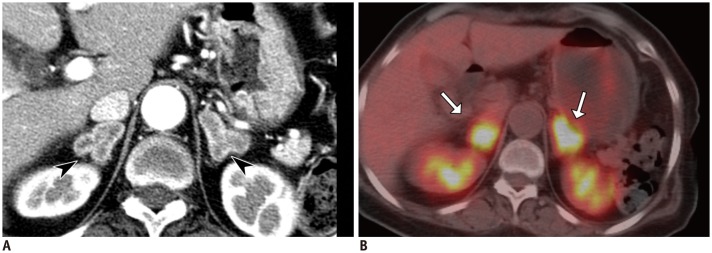
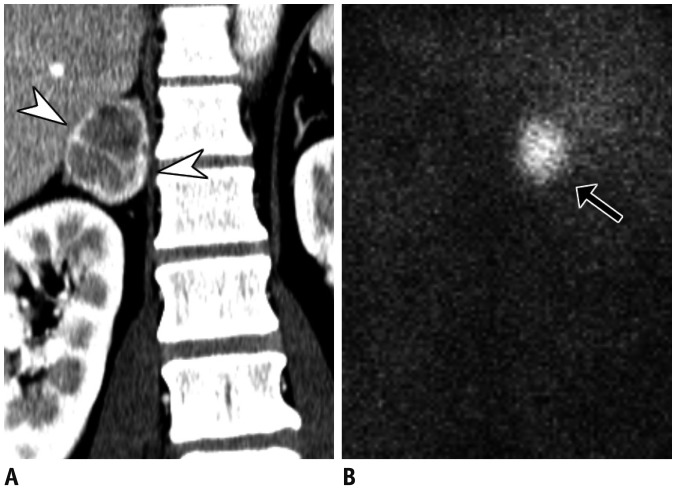
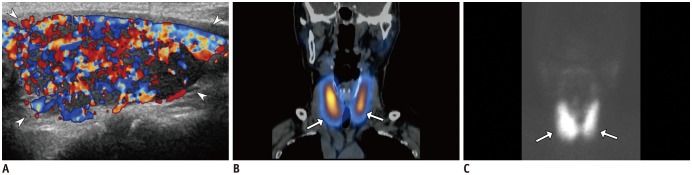
Although the causes of hypertension are usually unknown, about 10% of the cases occur secondary to specific etiologies, which are often treatable. Common categories of secondary hypertension include renal parenchymal disease, renovascular stenosis, vascular and endocrinologic disorders. For diseases involving the renal parenchyma and adrenal glands, ultrasonography (US), computed tomography (CT) or magnetic resonance (MR) imaging is recommended. For renovascular stenosis and vascular disorders, Doppler US, conventional or noninvasive (CT or MR) angiography is an appropriate modality. Nuclear imaging can be useful in the differential diagnosis of endocrine causes. Radiologists should understand the role of each imaging modality and its typical findings in various causes of secondary hypertension. This article focuses on appropriate imaging approaches in accordance with the categorized etiologies leading to hypertension.
虽然高血压的病因通常不明确,但约 10%的病例继发于特定病因,这些病因通常是可治疗的。继发性高血压的常见类型包括肾实质疾病、肾血管性狭窄、血管和内分泌疾病。对于涉及肾脏实质和肾上腺的疾病,推荐使用超声检查(US)、计算机断层扫描(CT)或磁共振成像(MR)。对于肾血管性狭窄和血管疾病,多普勒 US、传统或无创(CT 或 MR)血管造影是合适的方式。核医学成像在鉴别内分泌原因方面具有一定作用。放射科医生应了解每种成像方式的作用及其在继发性高血压各种病因中的典型表现。本文重点介绍了根据导致高血压的分类病因选择合适的影像学方法。