Institute for Infection and Immunity, St. George's Hospital Medical School, University of London, London, UK; Pharmacognosy and Pharmaceutical Botany, Faculty of Pharmaceutical Sciences, Chulalongkorn University, Bangkok, Thailand.
Wildlife Zoonoses and Vector-borne Diseases Research Group, Animal and Plant Health Agency (APHA), Addlestone, Surrey KT15 3NB, UK.
Vaccine. 2019 Aug 2;37(33):4673-4680. doi: 10.1016/j.vaccine.2018.02.057. Epub 2018 Mar 6.
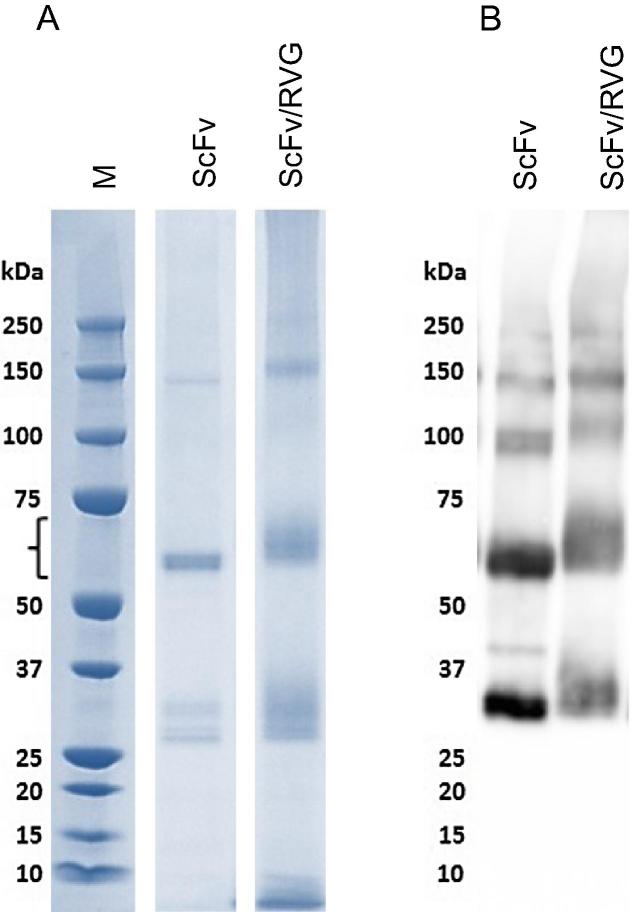
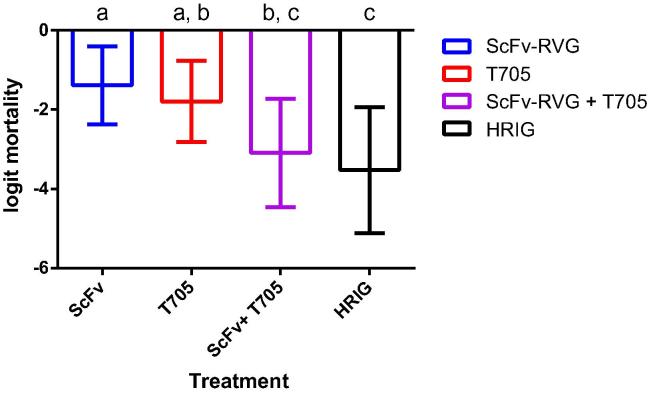
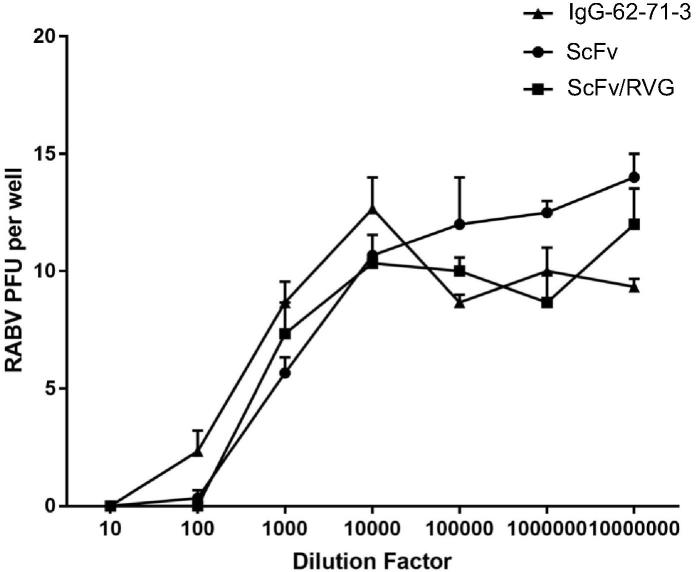
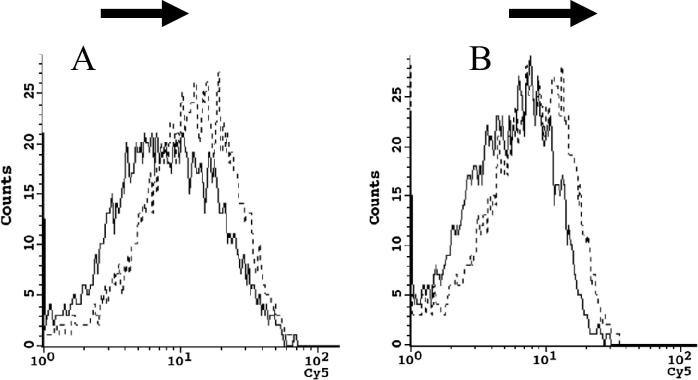
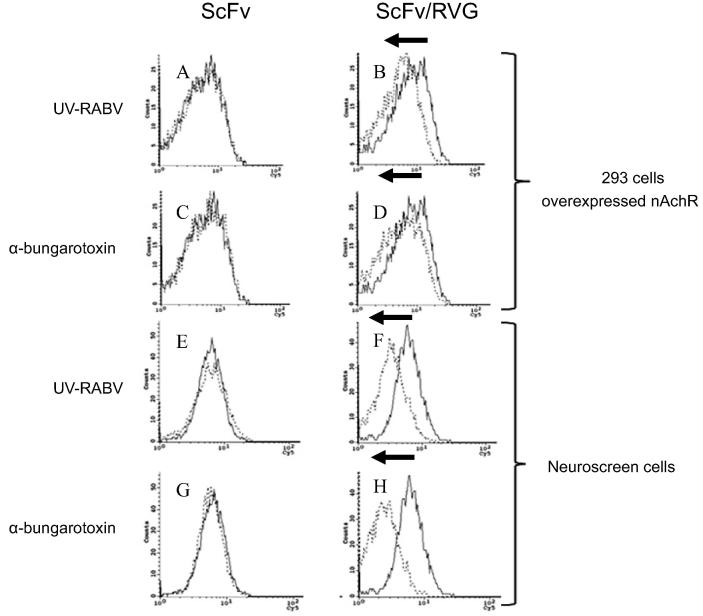
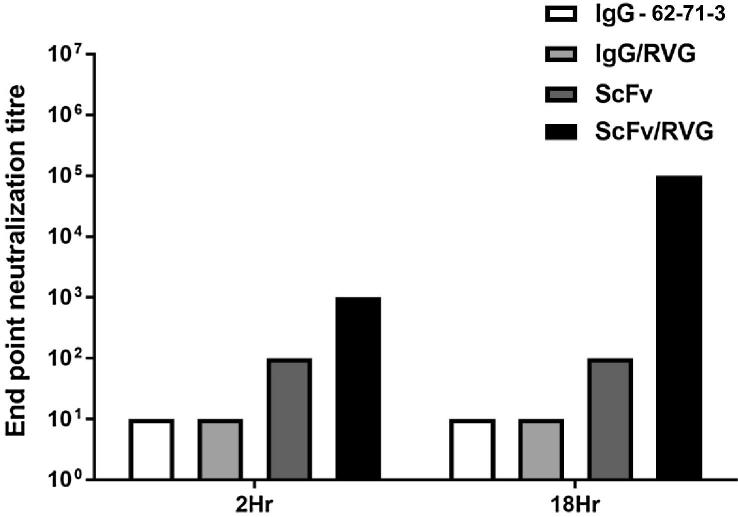
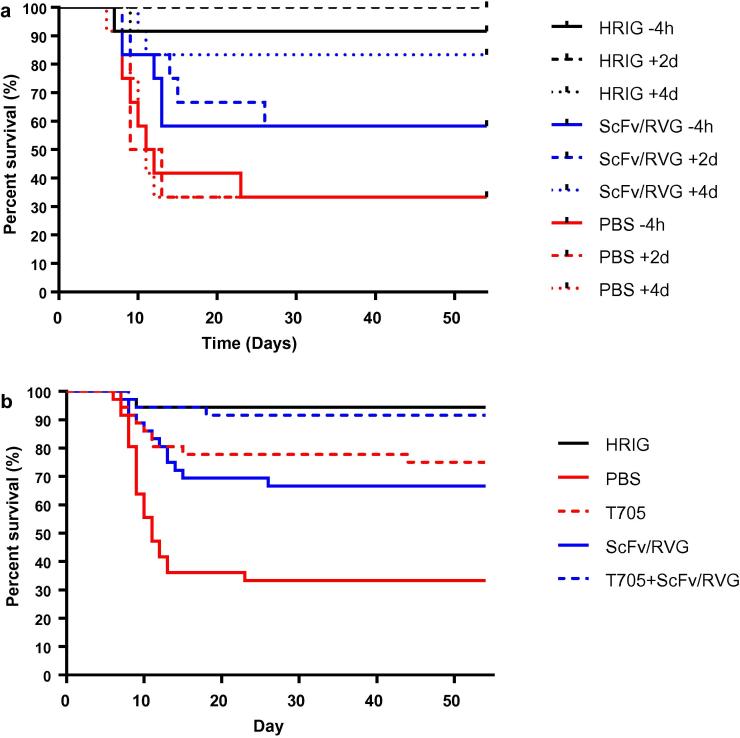
Rabies causes more than 60,000 human deaths annually in areas where the virus is endemic. Importantly, rabies is one of the few pathogens for which there is no treatment following the onset of clinical disease with the outcome of infection being death in almost 100% of cases. Whilst vaccination, and the combination of vaccine and rabies immunoglobulin treatment for post-exposure administration are available, no tools have been identified that can reduce or prevent rabies virus replication once clinical disease has initiated. The search for effective antiviral molecules to treat those that have already developed clinical disease associated with rabies virus infection is considered one of the most important goals in rabies research. The current study assesses a single chain antibody molecule (ScFv) based on a monoclonal antibody that potently neutralises rabies in vitro as a potential therapeutic candidate. The recombinant ScFv was generated in Nicotiana benthamiana by transient expression, and was chemically conjugated (ScFv/RVG) to a 29 amino acid peptide, specific for nicotinic acetylcholine receptor (nAchR) binding in the CNS. This conjugated molecule was able to bind nAchR in vitro and enter neuronal cells more efficiently than ScFv. The ability of the ScFv/RVG to neutralise virus in vivo was assessed using a staggered administration where the molecule was inoculated either four hours before, two days after or four days after infection. The ScFv/RVG conjugate was evaluated in direct comparison with HRIG and a potential antiviral molecule, Favipiravir (also known as T-705) to indicate whether there was greater bioavailability of the ScFv in the brains of treated mice. The study indicated that the approach taken with the ScFv/RVG conjugate may have utility in the design and implementation of novel tools targetting rabies virus infection in the brain.
狂犬病每年在病毒流行的地区导致超过 60000 人死亡。重要的是,狂犬病是少数几种病原体之一,一旦出现临床疾病,就没有治疗方法,感染的结果几乎 100%是死亡。虽然有疫苗,以及疫苗和狂犬病免疫球蛋白联合用于暴露后治疗,但尚未发现可减少或预防临床疾病发作后狂犬病病毒复制的工具。寻找有效的抗病毒分子来治疗那些已经出现与狂犬病病毒感染相关的临床疾病的方法,被认为是狂犬病研究中最重要的目标之一。本研究评估了一种基于单克隆抗体的单链抗体分子(ScFv),该抗体在体外能有效地中和狂犬病,是一种有希望的治疗候选物。重组 ScFv 通过瞬时表达在 Nicotiana benthamiana 中产生,并与一种 29 个氨基酸的肽(特异性结合中枢神经系统中的烟碱型乙酰胆碱受体(nAchR))化学偶联(ScFv/RVG)。该偶联分子能够在体外结合 nAchR,并且比 ScFv 更有效地进入神经元细胞。通过 staggered administration(在感染前 4 小时、感染后 2 天或感染后 4 天接种该分子)评估 ScFv/RVG 在体内中和病毒的能力。ScFv/RVG 缀合物与 HRIG 和一种潜在的抗病毒分子(法匹拉韦,也称为 T-705)进行了直接比较,以表明在治疗小鼠的大脑中,ScFv 是否具有更高的生物利用度。该研究表明,采用 ScFv/RVG 缀合物的方法可能在设计和实施针对狂犬病病毒感染的新型大脑靶向工具方面具有实用性。