Mucosal Immunology and Biology Research Center, Massachusetts General Hospital and Harvard Medical School, Charlestown, USA.
Laboratory for Lipid Medicine and Technology, Department of Medicine, Massachusetts General Hospital and Harvard Medical School, Charlestown, USA.
Sci Rep. 2018 Mar 15;8(1):4607. doi: 10.1038/s41598-018-22920-7.
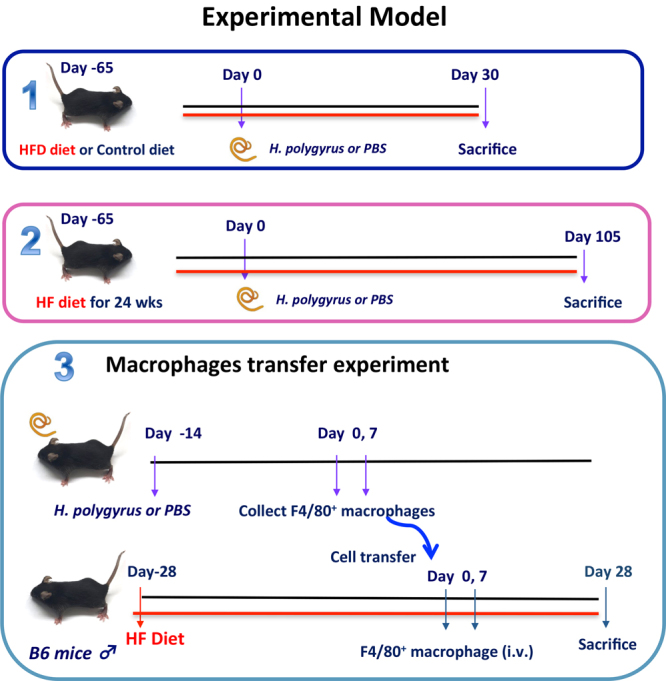
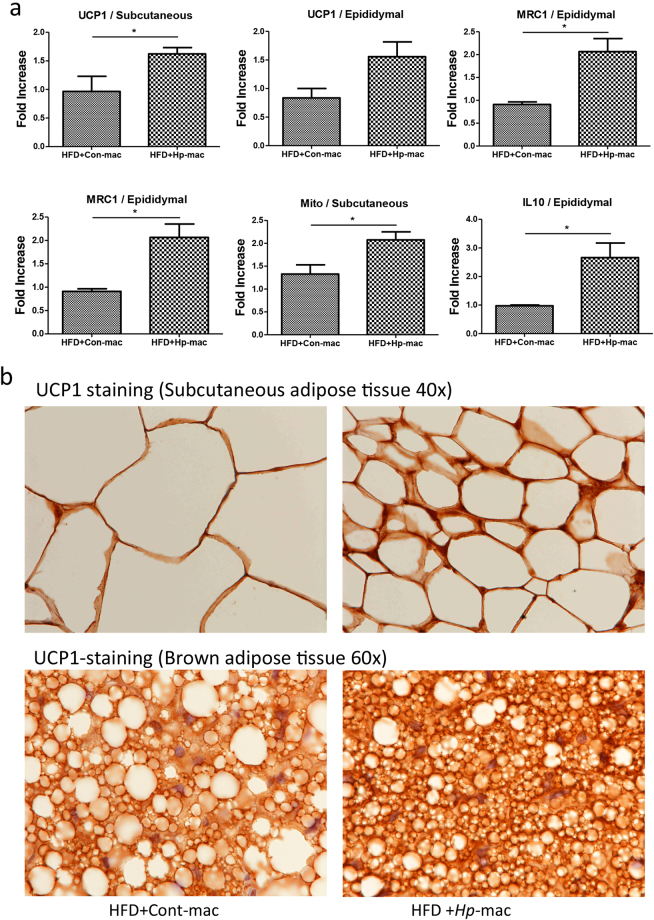
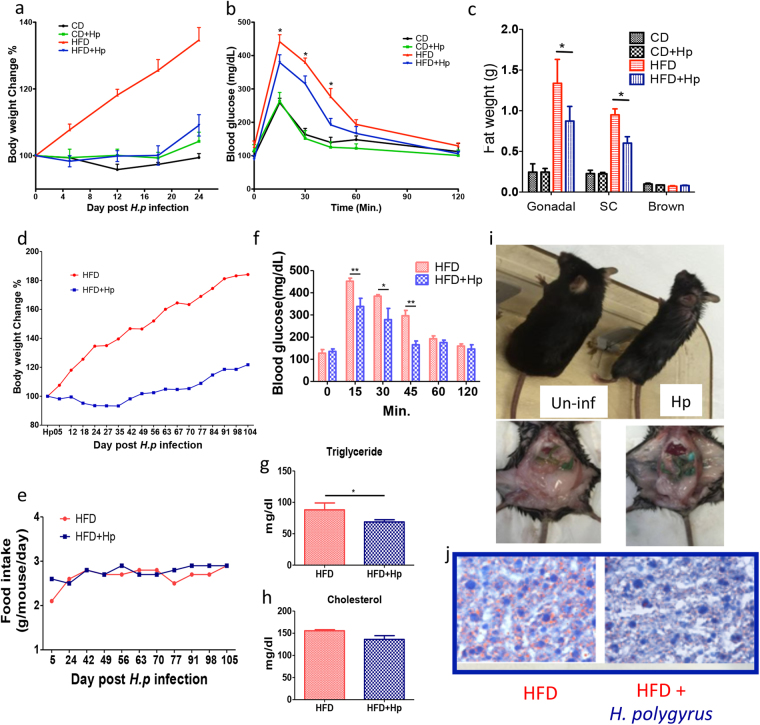
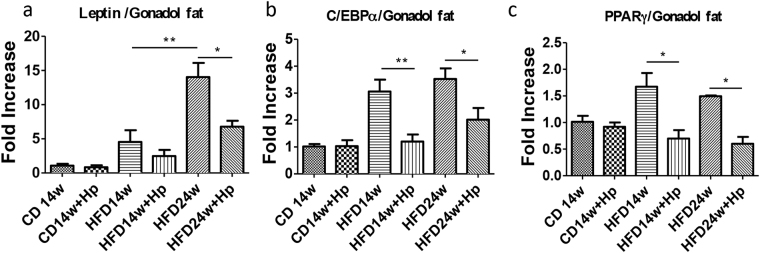
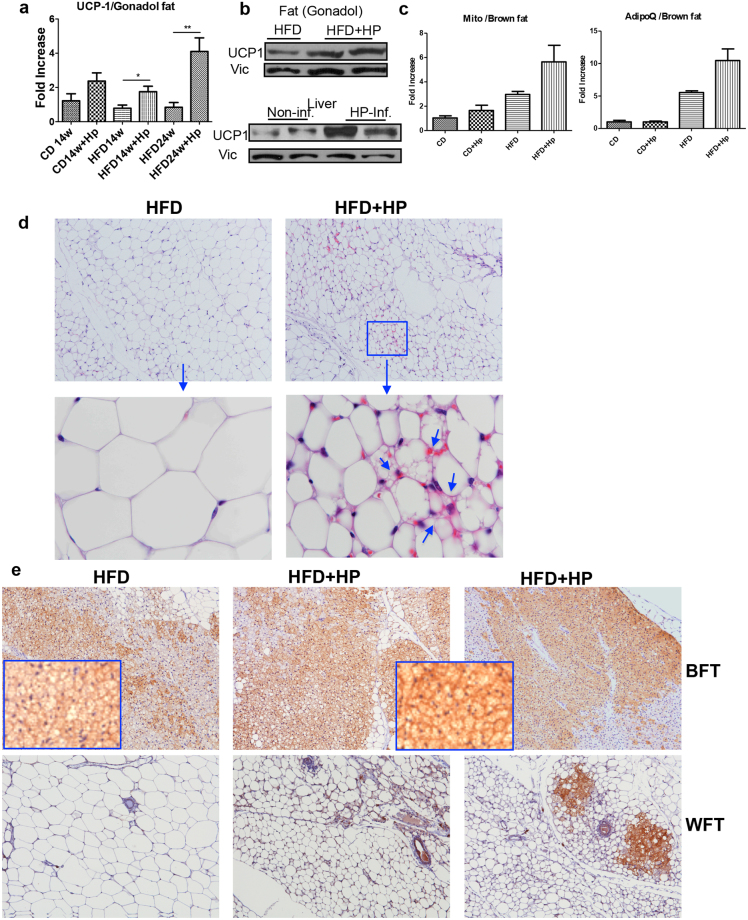
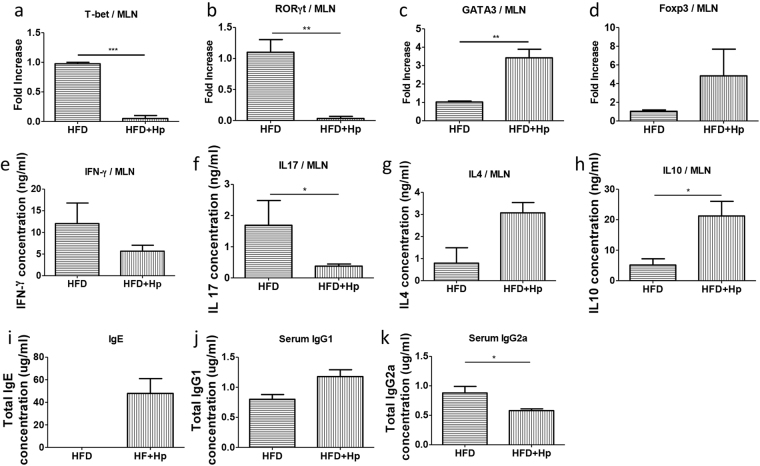
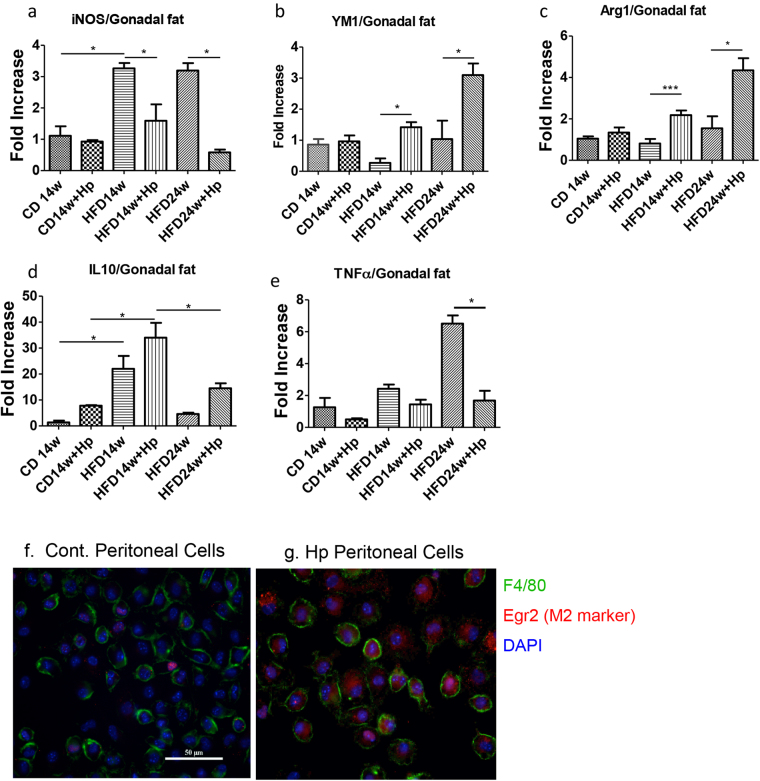
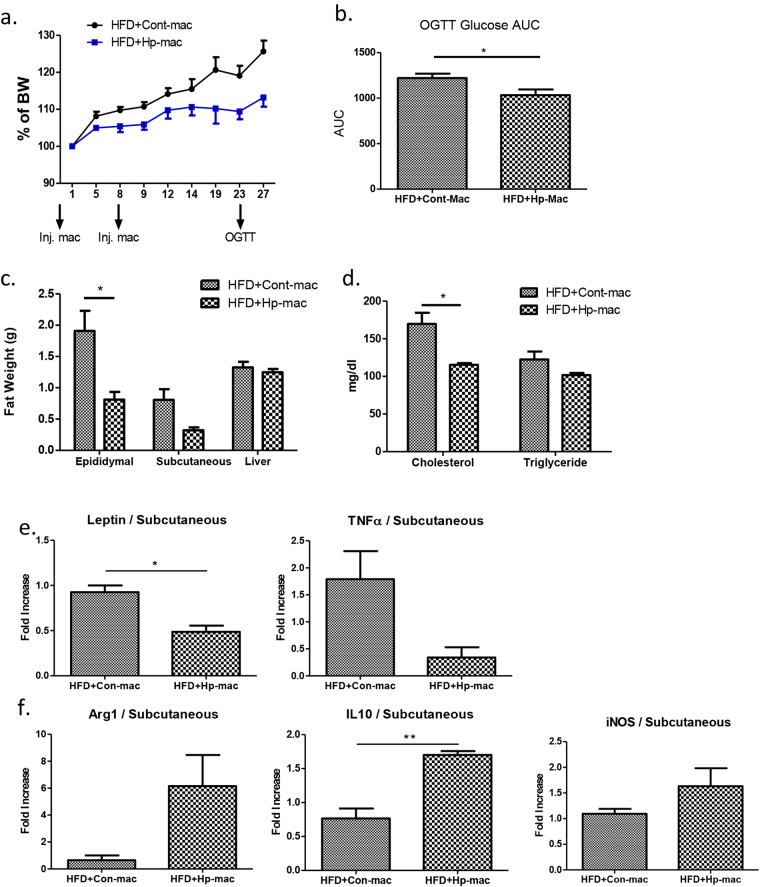
Epidemiological studies indicate an inverse correlation between the prevalence of the so-called western diseases, such as obesity and metabolic syndrome, and the exposure to helminths. Obesity, a key risk factor for many chronic health problems, is rising globally and is accompanied by low-grade inflammation in adipose tissues. The precise mechanism by which helminths modulate metabolic syndrome and obesity is not fully understood. We infected high fat diet (HFD)-induced obese mice with the intestinal nematode parasite Heligmosomoides polygyrus and observed that helminth infection resulted in significantly attenuated obesity. Attenuated obesity corresponded with marked upregulation of uncoupling protein 1 (UCP1), a key protein involved in energy expenditure, in adipose tissue, suppression of glucose and triglyceride levels, and alteration in the expression of key genes involved in lipid metabolism. Moreover, the attenuated obesity in infected mice was associated with enhanced helminth-induced Th2/Treg responses and M2 macrophage polarization. Adoptive transfer of helminth-stimulated M2 cells to mice that were not infected with H. polygyrus resulted in a significant amelioration of HFD-induced obesity and increased adipose tissue browning. Thus, our results provide evidence that the helminth-dependent protection against obesity involves the induction of M2 macrophages.
流行病学研究表明,所谓的西方疾病(如肥胖和代谢综合征)的流行与寄生虫感染之间存在反比关系。肥胖是许多慢性健康问题的关键风险因素,在全球范围内呈上升趋势,并伴有脂肪组织中的低度炎症。寄生虫调节代谢综合征和肥胖的确切机制尚未完全阐明。我们用肠道线虫寄生虫旋毛虫感染高脂肪饮食(HFD)诱导肥胖的小鼠,观察到寄生虫感染导致肥胖明显减轻。肥胖减轻与脂肪组织中解偶联蛋白 1(UCP1)的显著上调相对应,UCP1 是参与能量消耗的关键蛋白,抑制葡萄糖和甘油三酯水平,并改变参与脂质代谢的关键基因的表达。此外,感染小鼠的肥胖减轻与增强的寄生虫诱导的 Th2/Treg 反应和 M2 巨噬细胞极化有关。将寄生虫刺激的 M2 细胞过继转移到未感染 H. polygyrus 的小鼠中,可显著改善 HFD 诱导的肥胖和增加脂肪组织褐变。因此,我们的结果提供了证据,表明寄生虫依赖的肥胖保护涉及 M2 巨噬细胞的诱导。