Institut de Génétique Humaine, CNRS-University of Montpellier UMR9002, Gene Regulation Laboratory, 141 rue de la cardonille, Montpellier, France.
PLoS Pathog. 2018 Mar 19;14(3):e1006950. doi: 10.1371/journal.ppat.1006950. eCollection 2018 Mar.
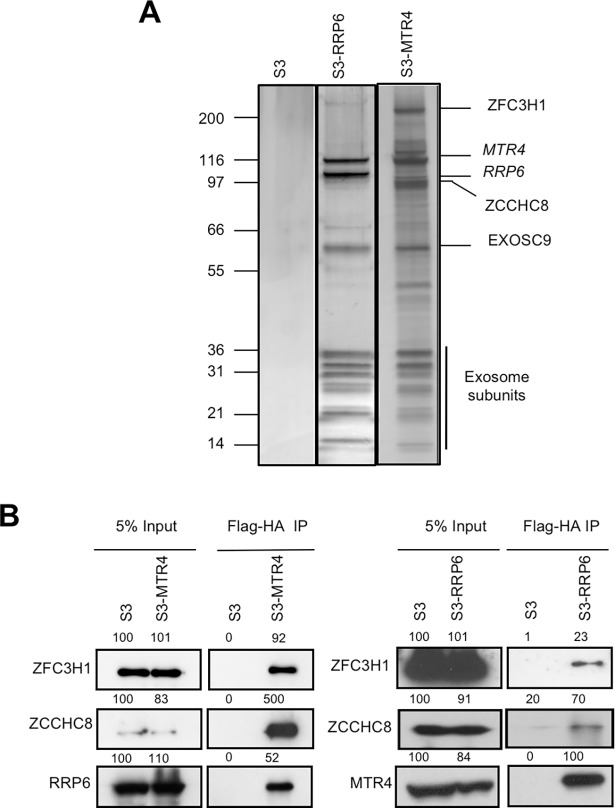
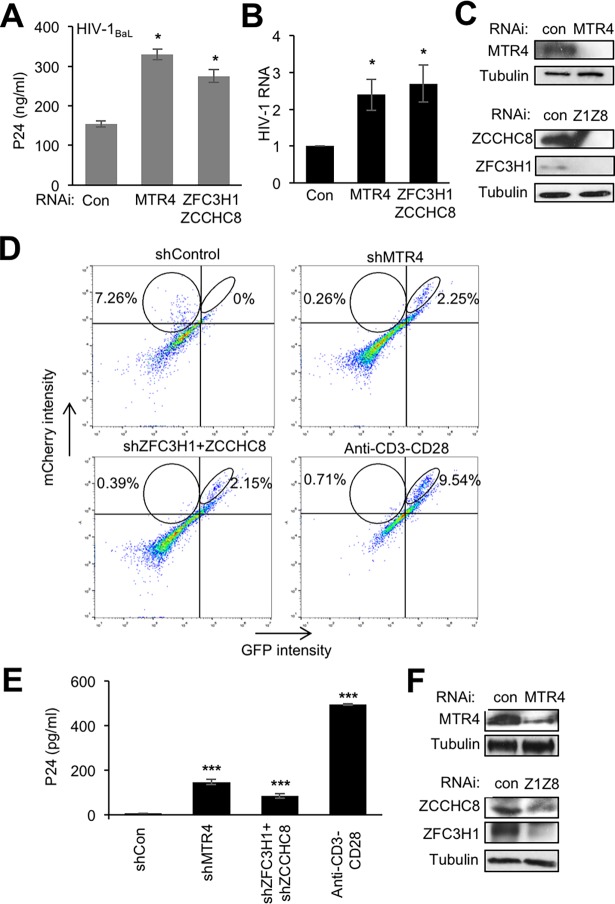
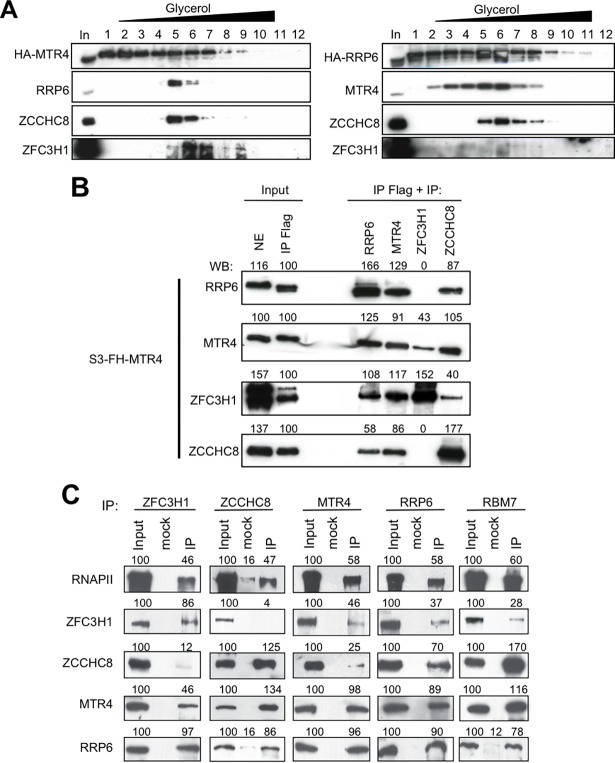
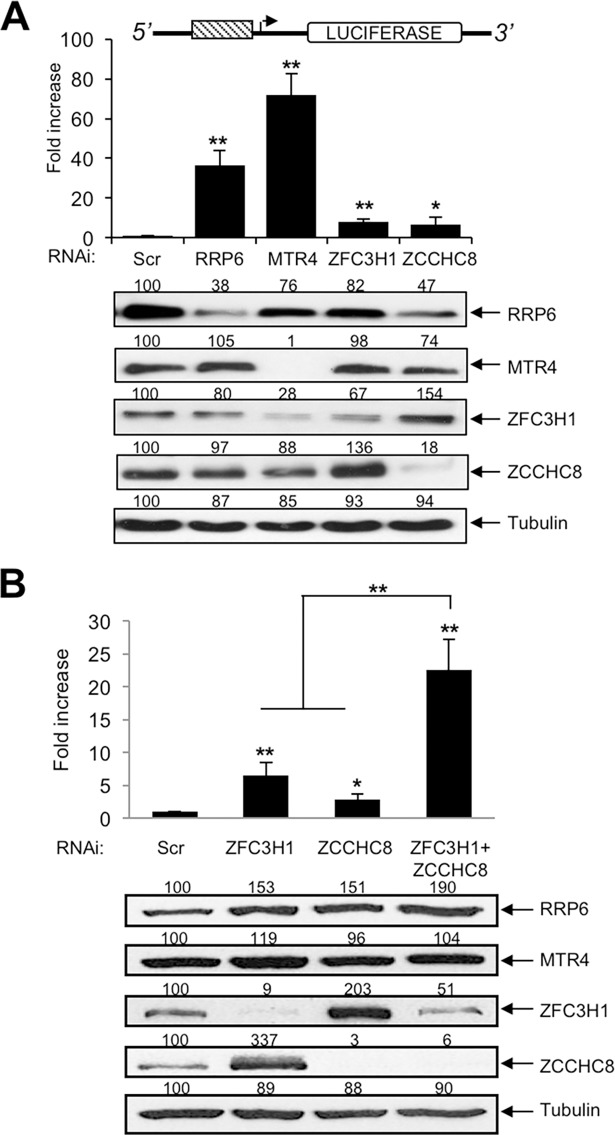
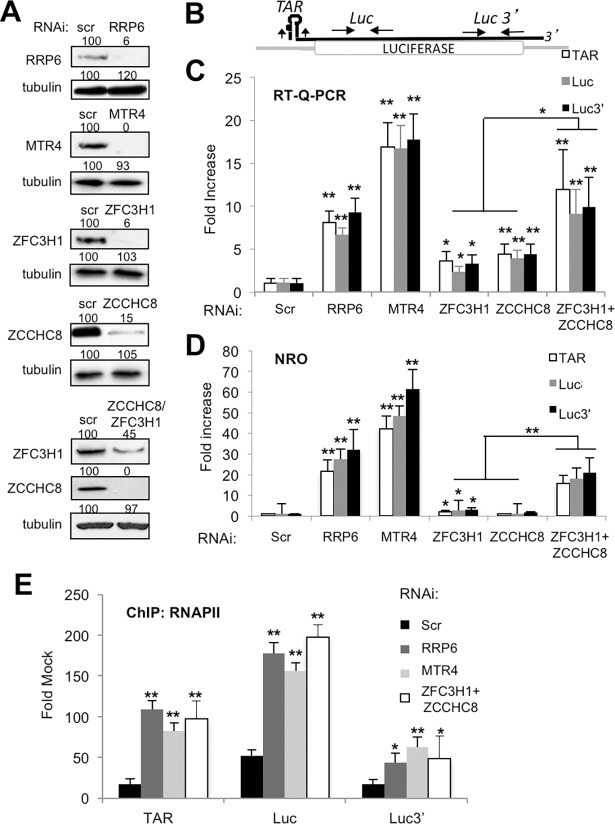
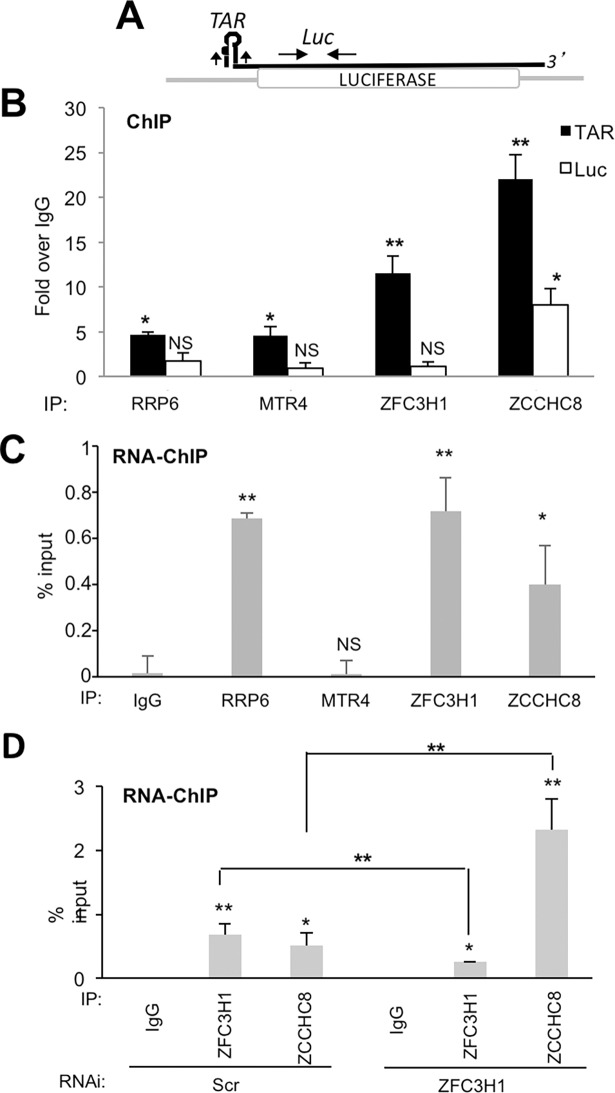
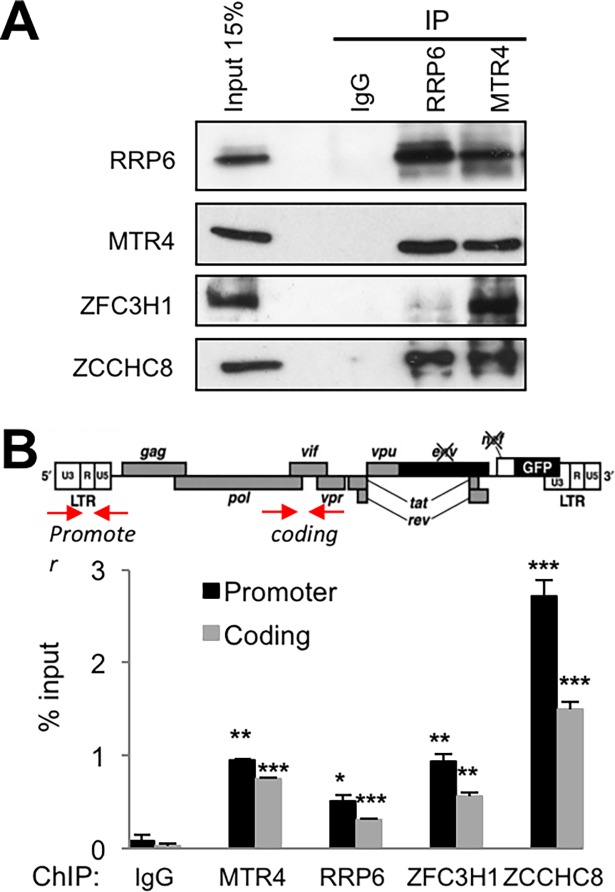
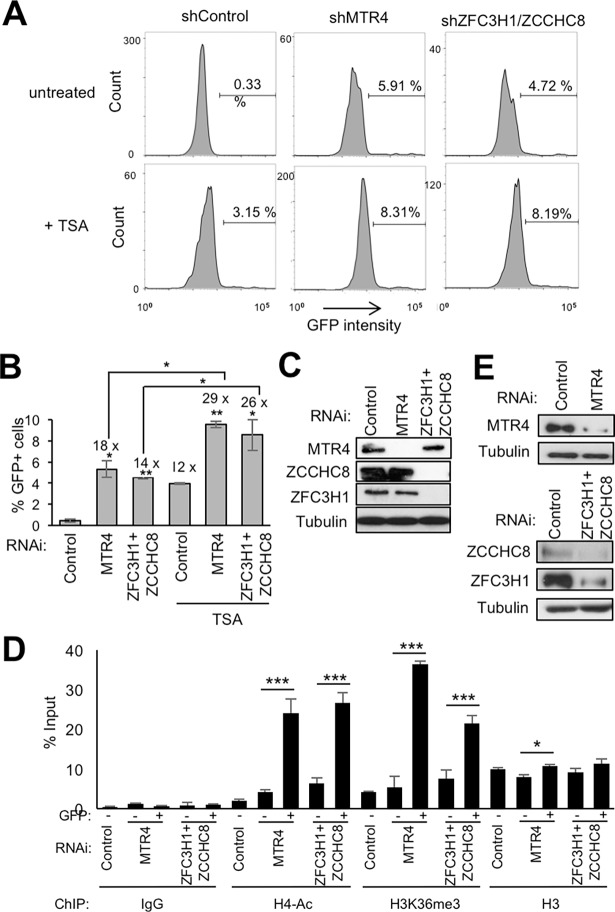
Expression from the HIV-1 LTR can be repressed in a small population of cells, which contributes to the latent reservoir. The factors mediating this repression have not been clearly elucidated. We have identified a network of nuclear RNA surveillance factors that act as effectors of HIV-1 silencing. RRP6, MTR4, ZCCHC8 and ZFC3H1 physically associate with the HIV-1 TAR region and repress transcriptional output and recruitment of RNAPII to the LTR. Knock-down of these factors in J-Lat cells increased the number of GFP-positive cells, with a concomitant increase in histone marks associated with transcriptional activation. Loss of these factors increased HIV-1 expression from infected PBMCs and led to reactivation of HIV-1 from latently infected PBMCs. These findings identify a network of novel transcriptional repressors that control HIV-1 expression and which could open new avenues for therapeutic intervention.
HIV-1 LTR 的表达可以在一小部分细胞中受到抑制,这有助于形成潜伏库。介导这种抑制的因素尚未得到明确阐明。我们已经确定了一个核 RNA 监测因子网络,它们作为 HIV-1 沉默的效应物发挥作用。RRP6、MTR4、ZCCHC8 和 ZFC3H1 与 HIV-1 TAR 区域物理结合,抑制转录输出和 RNAPII 募集到 LTR。在 J-Lat 细胞中敲低这些因子会增加 GFP 阳性细胞的数量,并伴随与转录激活相关的组蛋白标记物的增加。这些因子的缺失增加了感染 PBMC 中的 HIV-1 表达,并导致潜伏感染 PBMC 中的 HIV-1 重新激活。这些发现确定了一个新的转录抑制剂网络,它可以控制 HIV-1 的表达,并为治疗干预开辟新的途径。