Tsai Chia-Lung, Chao An-Shine, Jung Shih-Ming, Lin Chiao-Yun, Chao Angel, Wang Tzu-Hao
Genomic Medicine Research Core Laboratory, Chang Gung Memorial Hospital, Taoyuan, Taiwan.
Department of Obstetrics and Gynecology, Chang Gung Memorial Hospital, Linkou Medical Center and Chang Gung University, Taoyuan, Taiwan.
Oncogenesis. 2018 Mar 29;7(3):31. doi: 10.1038/s41389-018-0040-z.
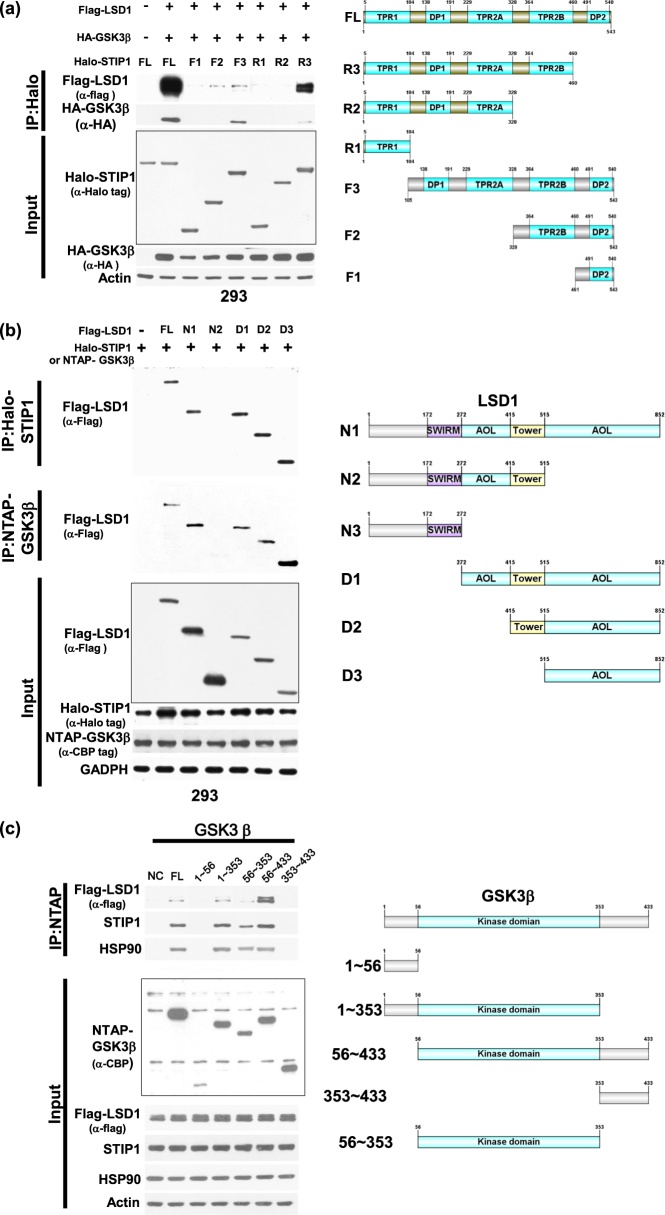
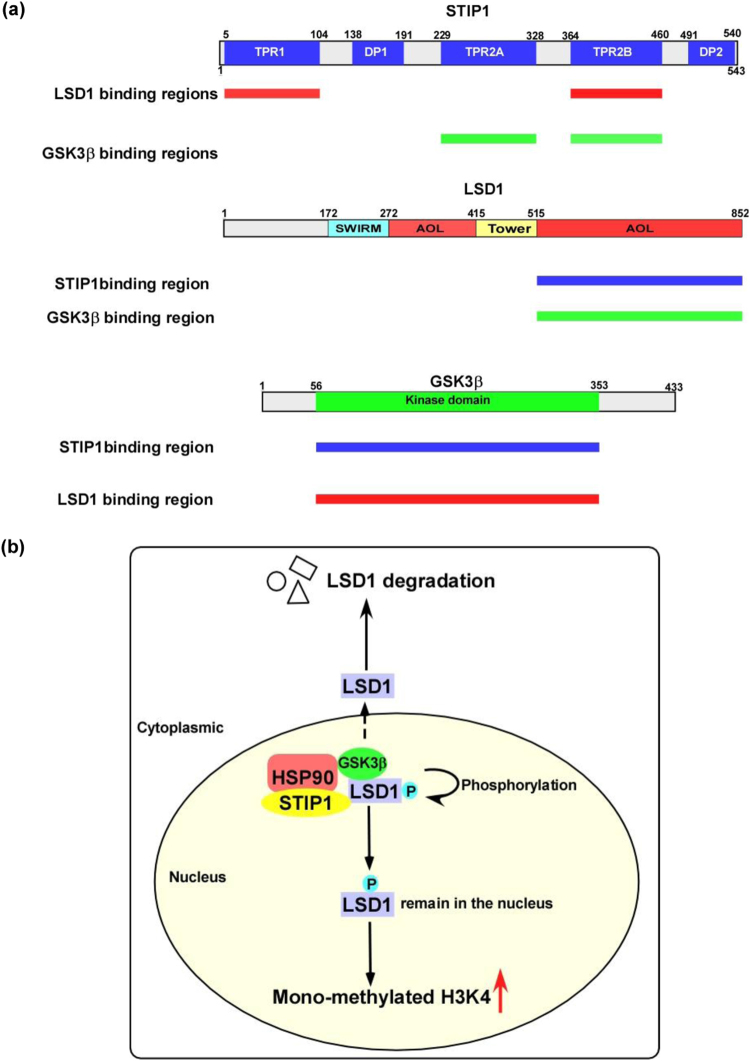
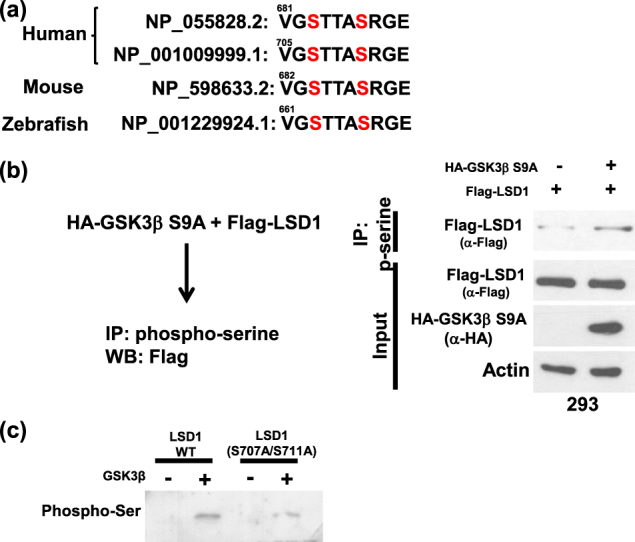
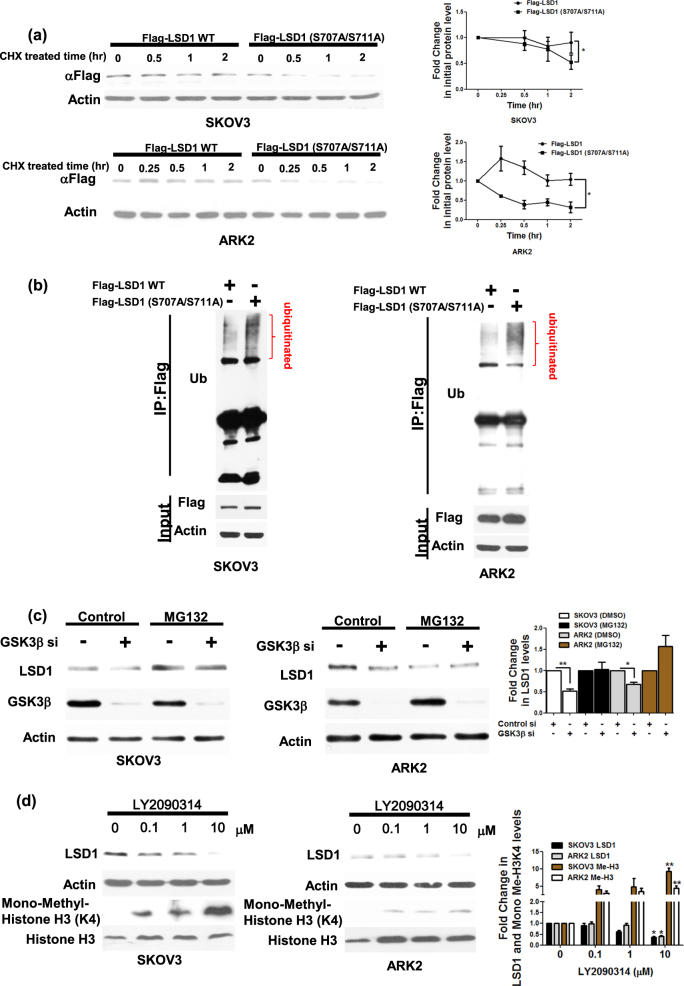
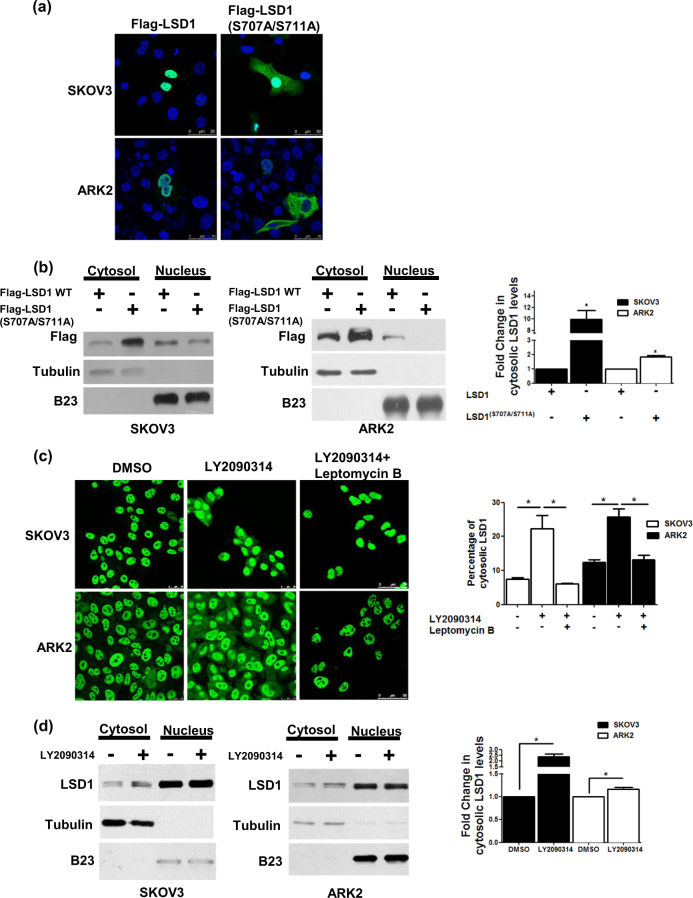
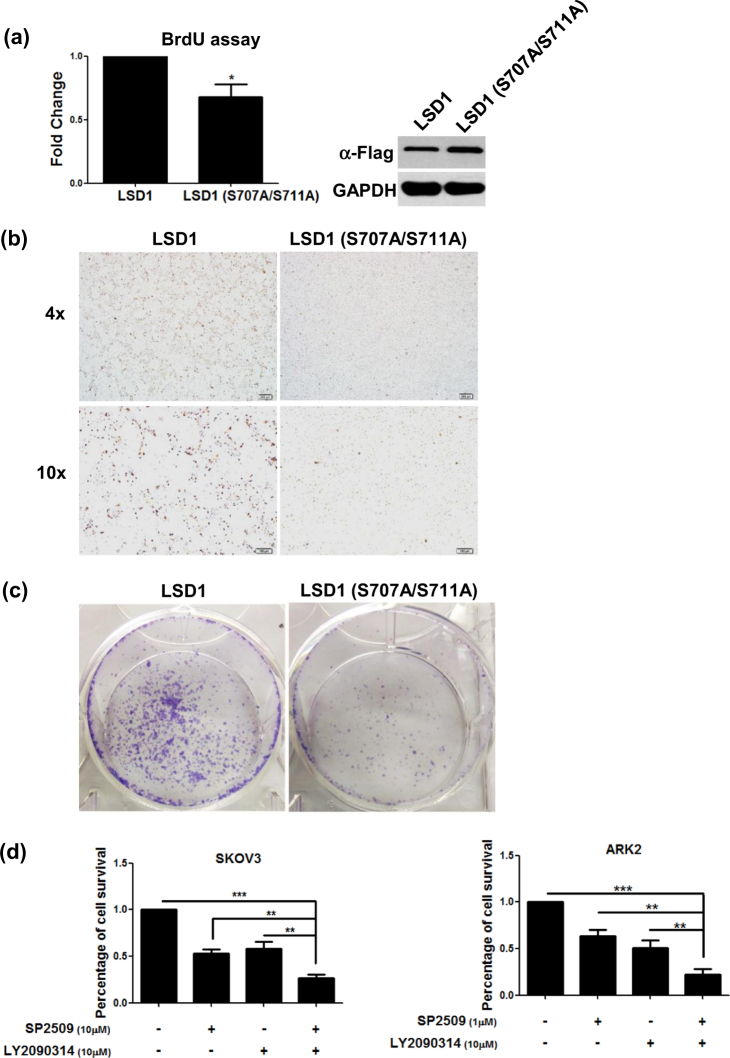
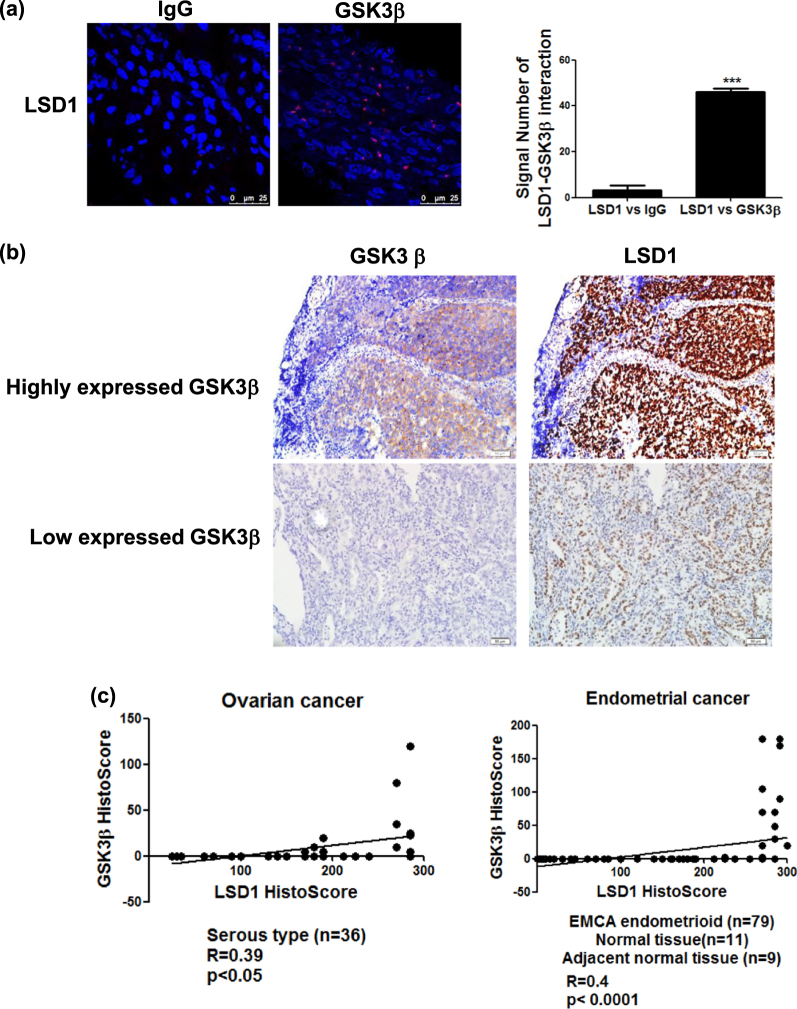
Stress-induced phosphoprotein 1 (STIP1)-a co-chaperone of heat shock proteins-promotes cell proliferation and may act as an oncogenic factor. Similarly, glycogen synthase kinase-3 beta (GSK3β)-mediated phosphorylation of lysine-specific demethylase 1 (LSD1)-an epigenetic regulator-can contribute to the development of an aggressive cell phenotype. Owing to their ability to tether different molecules into functional complexes, scaffold proteins have a key role in the regulation of different signaling pathways in tumorigenesis. Here, we show that STIP1 acts as a scaffold promoting the interaction between LSD1 and GSK3β. Specifically, the TPR1 and TPR2B domains of STIP1 are capable of binding with the AOL domain of LSD1, whereas the TPR2A and TPR2B domains of STIP1 interact with the kinase domain of GSK3β. We also demonstrate that STIP1 is required for GSK3β-mediated LSD1 phosphorylation, which promoted LSD1 stability and enhanced cell proliferation. After transfection of cancer cells with double-mutant (S707A/S711A) LSD1, subcellular localization analysis revealed that LSD1 was translocated from the nucleus to the cytoplasm. In vitro experiments also showed that the LSD1 inhibitor SP2509 and the GSK3β inhibitor LY2090314 acted synergistically to induce cancer cell death. Finally, the immunohistochemical expression of STIP1 and LSD1 showed a positively correlation in human cancer specimens. In summary, our data provide mechanistic insights into the role of STIP1 in human tumorigenesis by showing that it serves as a scaffold for GSK3β-mediated LSD1 phosphorylation. The combination of LSD1 and GSK3β inhibitors may exert synergistic antitumor effects and deserves further scrutiny in preclinical studies.
应激诱导磷蛋白1(STIP1)——热休克蛋白的一种共伴侣蛋白——可促进细胞增殖,并可能作为一种致癌因子发挥作用。同样,糖原合酶激酶-3β(GSK3β)介导的赖氨酸特异性去甲基化酶1(LSD1,一种表观遗传调节因子)的磷酸化作用,可能有助于侵袭性细胞表型的形成。由于支架蛋白能够将不同分子拴系形成功能复合物,因此在肿瘤发生过程中不同信号通路的调控中发挥关键作用。在此,我们表明STIP1作为一种支架蛋白,可促进LSD1与GSK3β之间的相互作用。具体而言,STIP1的TPR1和TPR2B结构域能够与LSD1的AOL结构域结合,而STIP1的TPR2A和TPR2B结构域则与GSK3β的激酶结构域相互作用。我们还证明,GSK3β介导的LSD1磷酸化作用需要STIP1参与,这促进了LSD1的稳定性并增强了细胞增殖。用双突变(S707A/S711A)LSD1转染癌细胞后,亚细胞定位分析显示LSD1从细胞核转移至细胞质。体外实验还表明,LSD1抑制剂SP2509和GSK3β抑制剂LY2090314协同作用可诱导癌细胞死亡。最后,在人类癌症标本中,STIP1和LSD1的免疫组化表达呈正相关。总之,我们的数据通过表明STIP1作为GSK3β介导的LSD1磷酸化的支架蛋白,为其在人类肿瘤发生中的作用提供了机制性见解。LSD1和GSK3β抑制剂的联合使用可能发挥协同抗肿瘤作用,值得在临床前研究中进一步研究。