Waisman Center, University of Wisconsin-Madison, Madison, United States.
Unit on Neural Circuits and Adaptive Behaviors, National Institute of Mental Health, Bethesda, United States.
Elife. 2018 Mar 29;7:e33417. doi: 10.7554/eLife.33417.
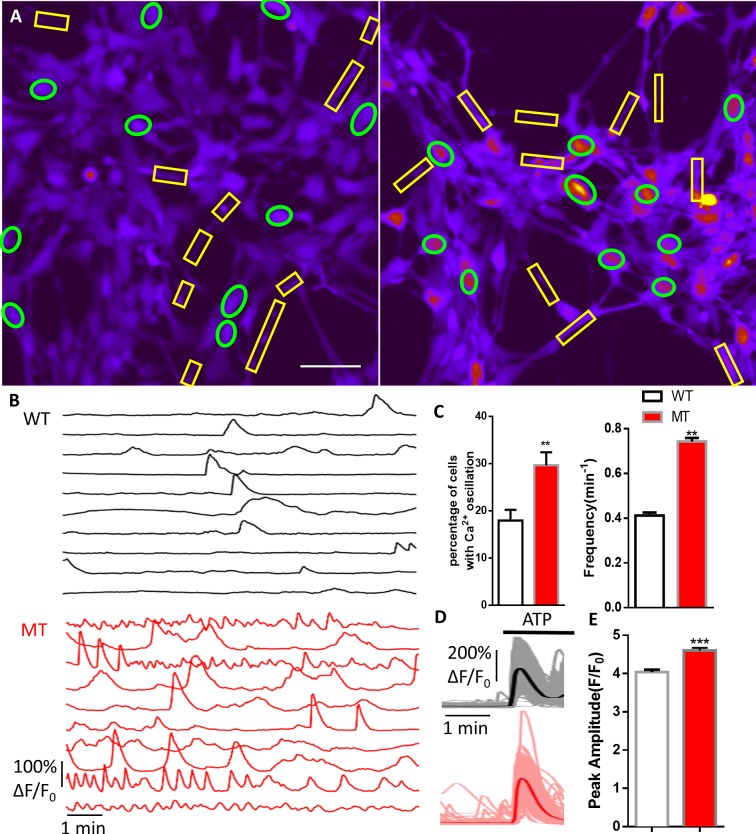
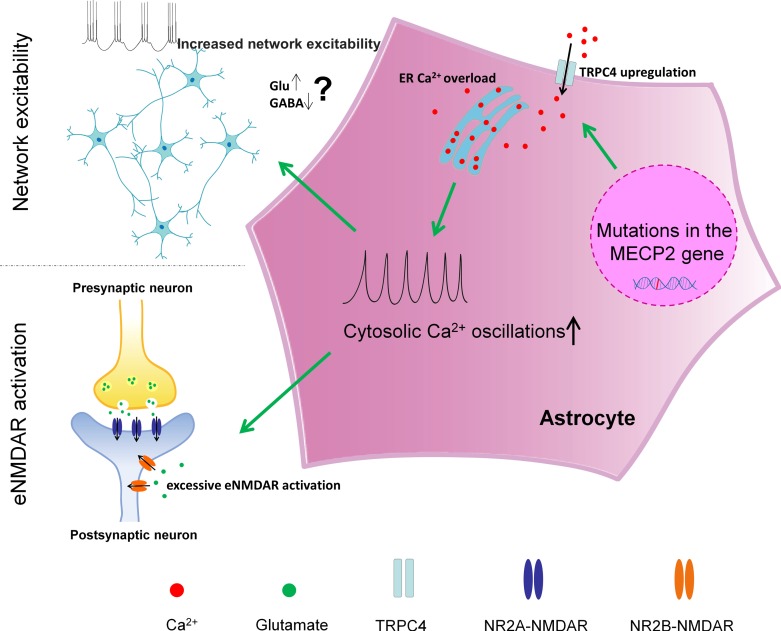
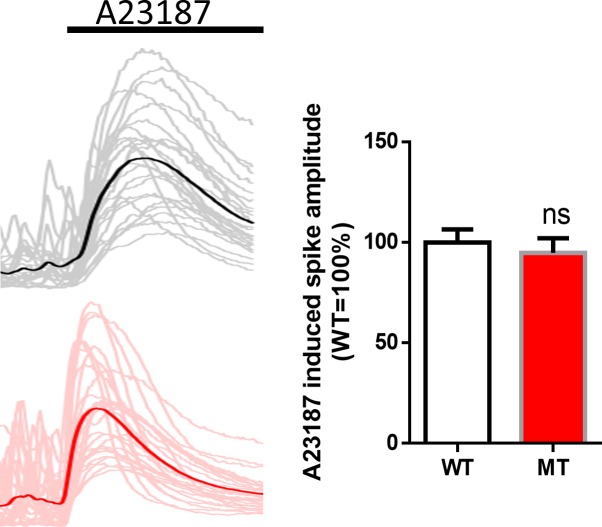
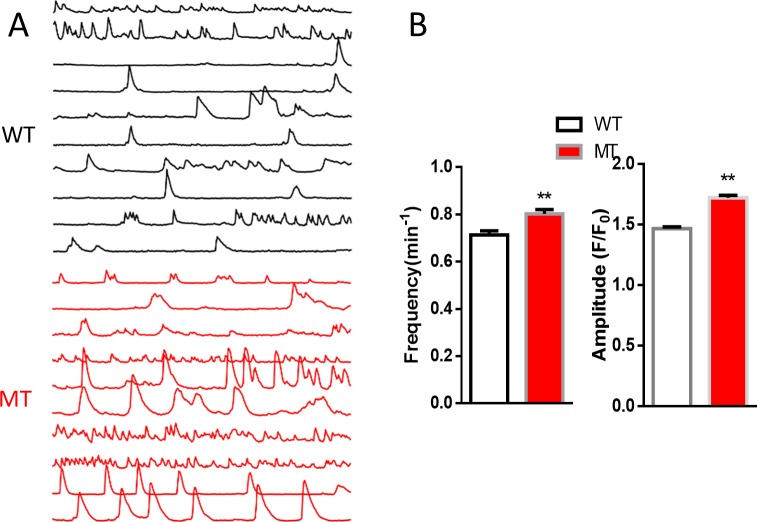
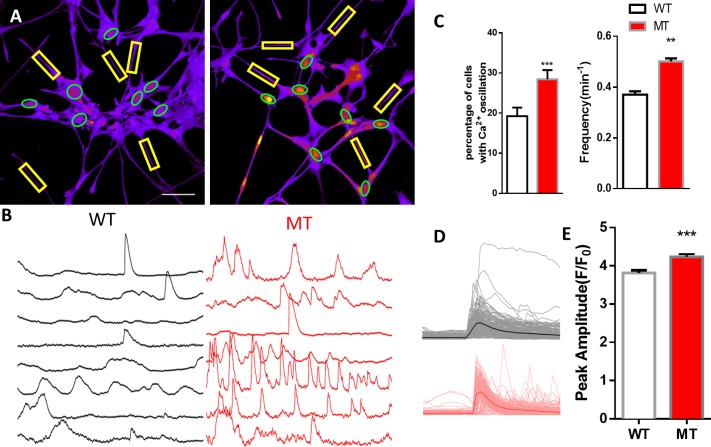
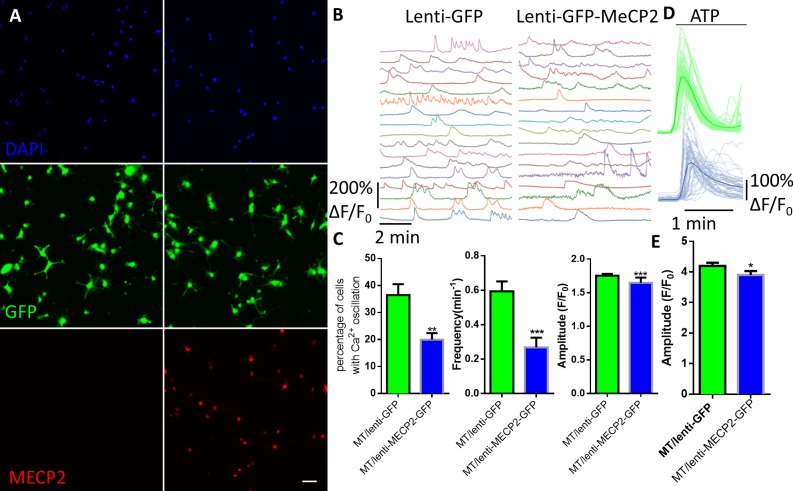
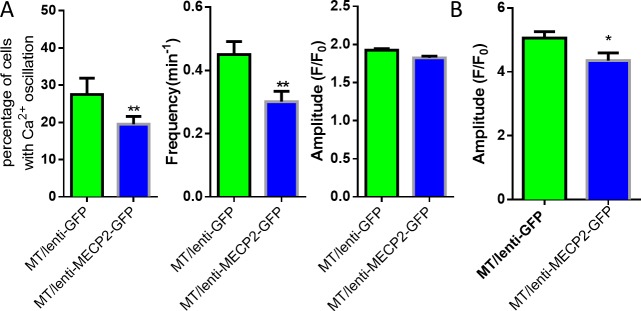
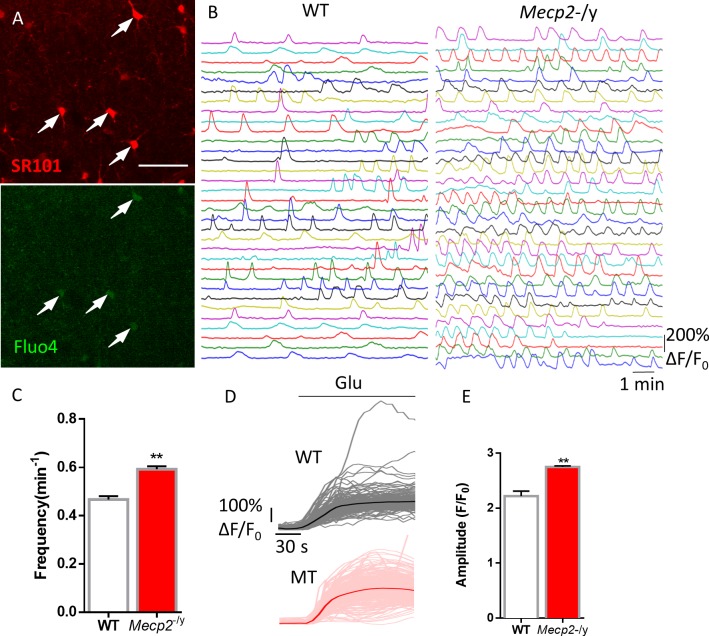
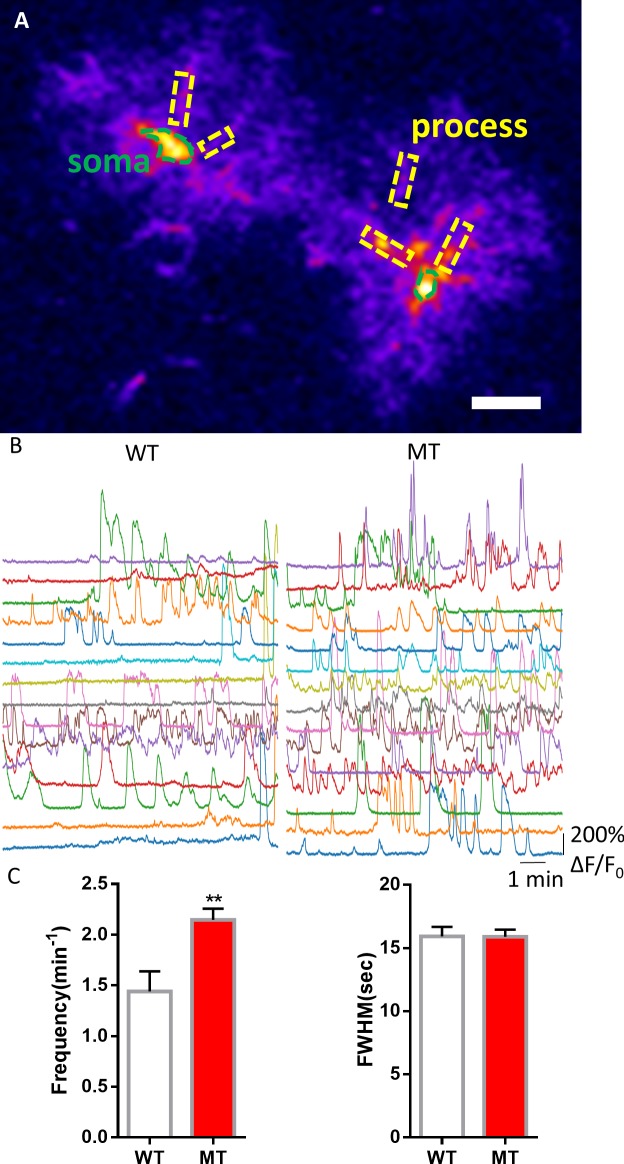
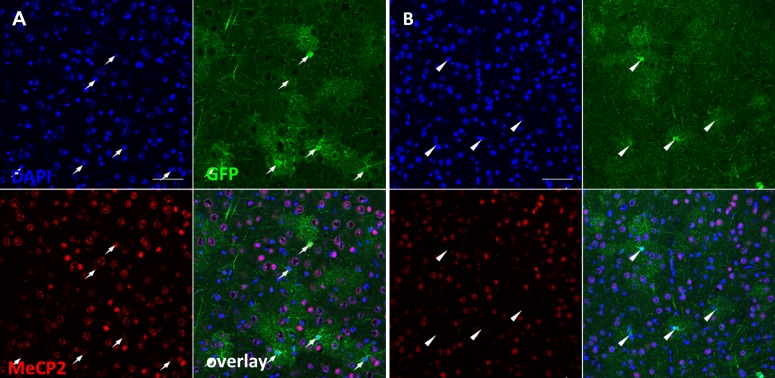
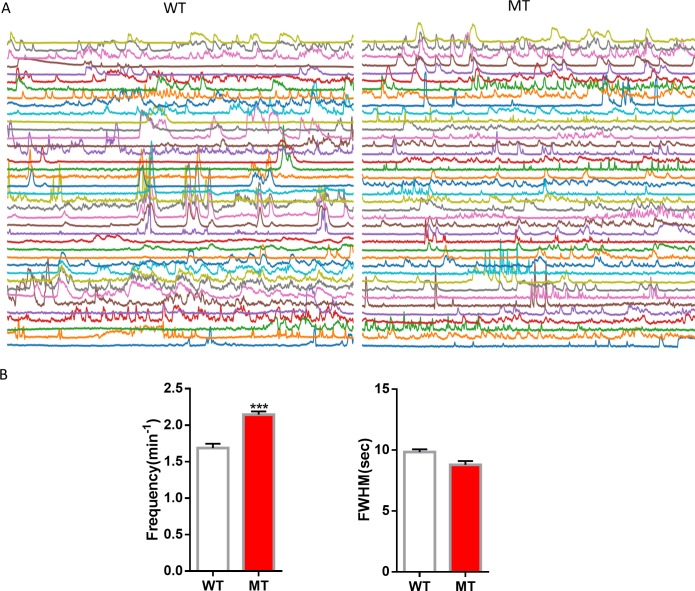
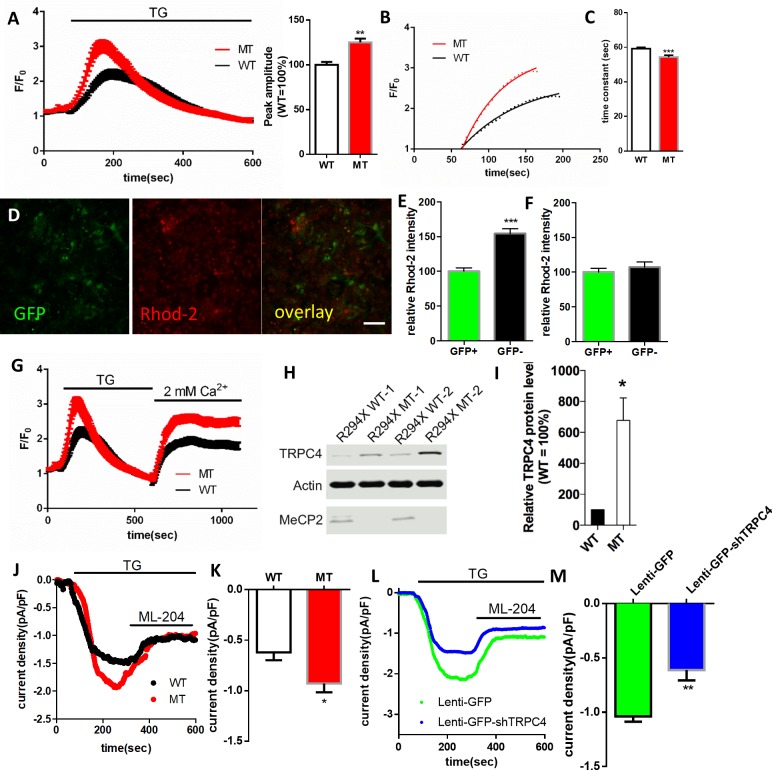
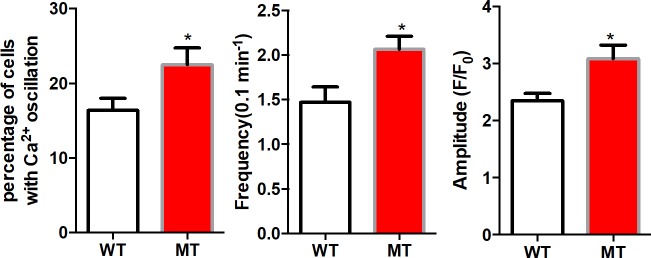
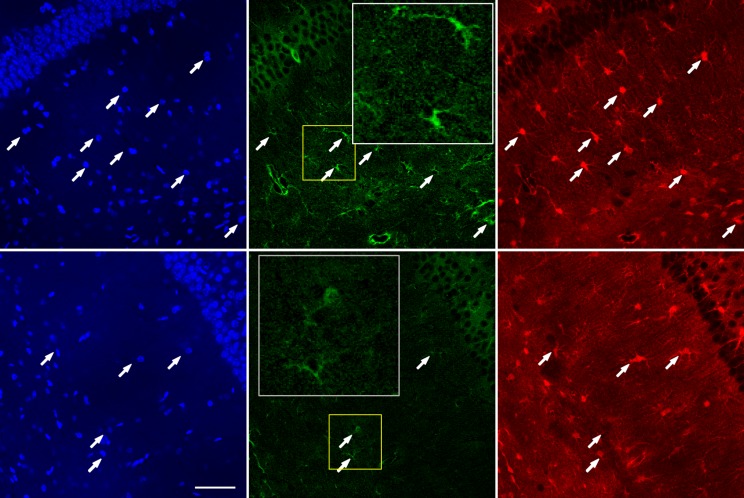
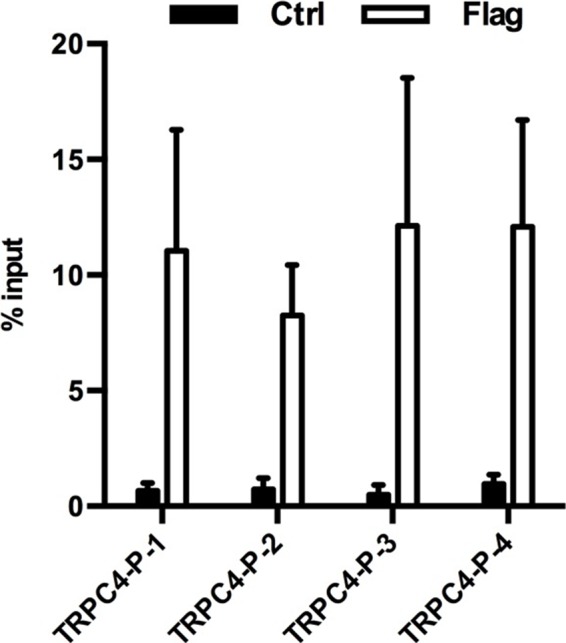
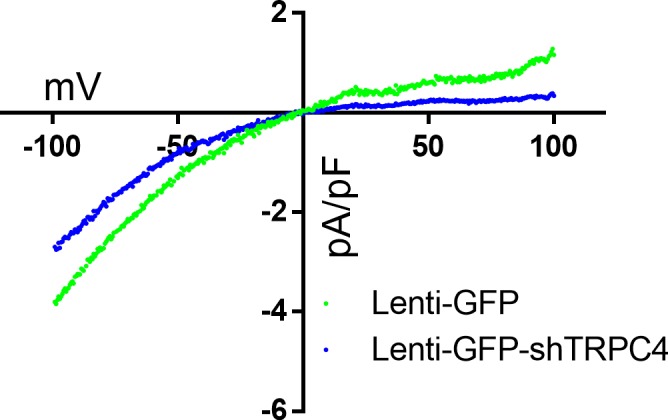
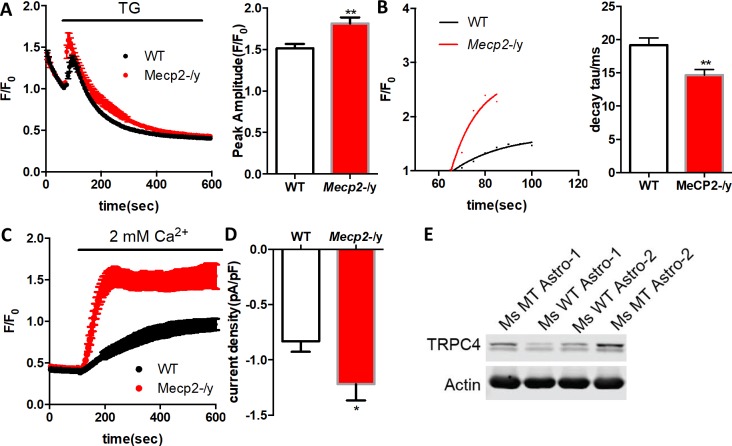
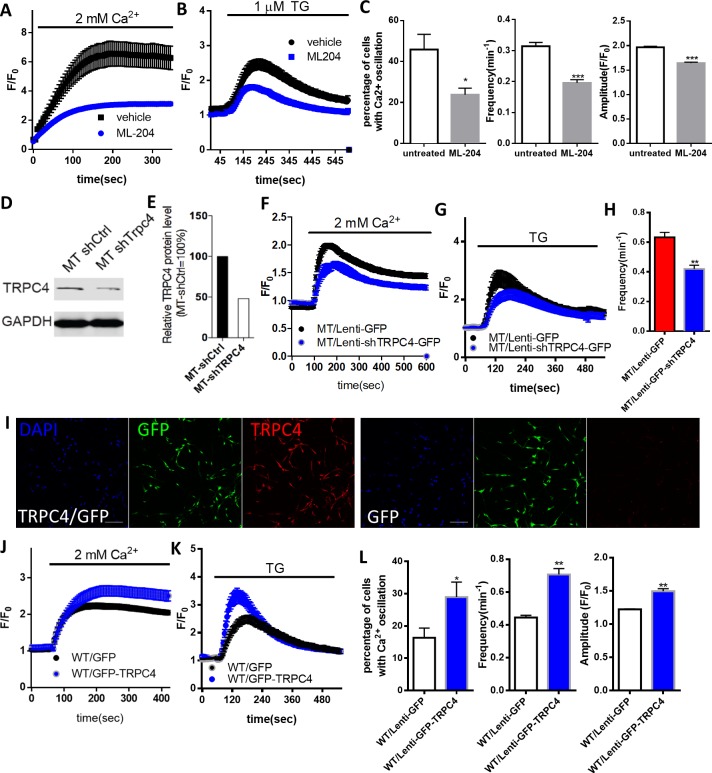
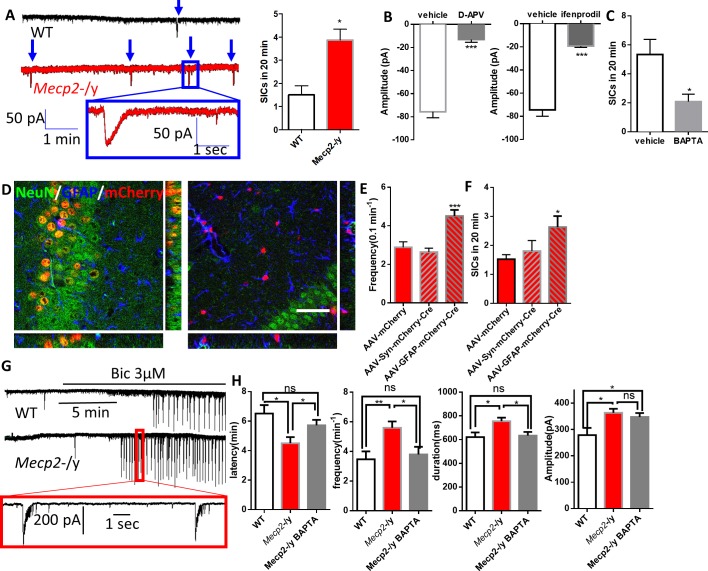
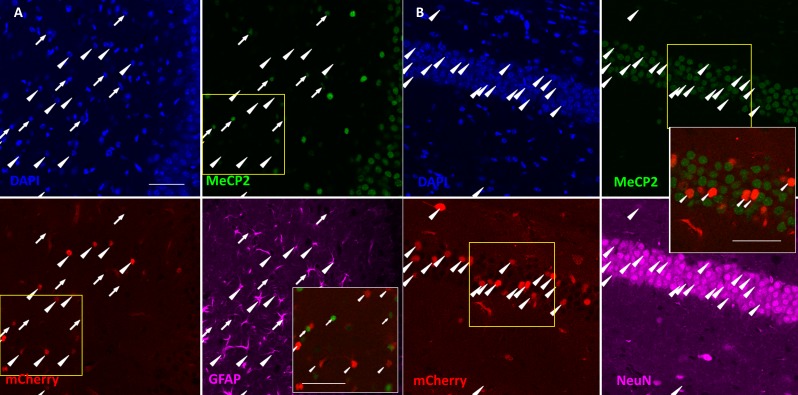
Astrocytes play an important role in Rett syndrome (RTT) disease progression. Although the non-cell-autonomous effect of RTT astrocytes on neurons was documented, cell-autonomous phenotypes and mechanisms within RTT astrocytes are not well understood. We report that spontaneous calcium activity is abnormal in RTT astrocytes in vitro, in situ, and in vivo. Such abnormal calcium activity is mediated by calcium overload in the endoplasmic reticulum caused by abnormal store operated calcium entry, which is in part dependent on elevated expression of TRPC4. Furthermore, the abnormal calcium activity leads to excessive activation of extrasynaptic NMDA receptors (eNMDARs) on neighboring neurons and increased network excitability in knockout mice. Finally, both the abnormal astrocytic calcium activity and the excessive activation of eNMDARs are caused by deletion in astrocytes in vivo. Our findings provide evidence that abnormal calcium homeostasis is a key cell-autonomous phenotype in RTT astrocytes, and reveal its mechanism and consequence.
星形胶质细胞在 Rett 综合征(RTT)疾病进展中起着重要作用。尽管已经证明 RTT 星形胶质细胞对神经元的非细胞自主效应,但 RTT 星形胶质细胞内的细胞自主表型和机制尚不清楚。我们报告说,RTT 星形胶质细胞在体外、原位和体内的自发钙活性异常。这种异常的钙活性是由内质网中钙超载引起的,这是由异常的储存操作钙内流引起的,部分依赖于 TRPC4 的表达升高。此外,异常的钙活性导致相邻神经元上的突触外 NMDA 受体(eNMDAR)过度激活,并导致 knockout 小鼠的网络兴奋性增加。最后,异常的星形胶质细胞钙活性和 eNMDAR 的过度激活都是由体内星形胶质细胞中的 缺失引起的。我们的发现为异常钙稳态是 RTT 星形胶质细胞中一个关键的细胞自主表型提供了证据,并揭示了其机制和后果。