Iwanishi Masanori, Ito-Kobayashi Jun, Washiyama Miki, Kusakabe Toru, Ebihara Ken
Department of Diabetes and Endocrinology, Kusatsu General Hospital, Japan.
Department of Endocrinology, Metabolism and Hypertension, Clinical Research Institute, National Hospital Organization Kyoto Medical Center, Japan.
Intern Med. 2018 Aug 15;57(16):2301-2313. doi: 10.2169/internalmedicine.0225-17. Epub 2018 Mar 30.
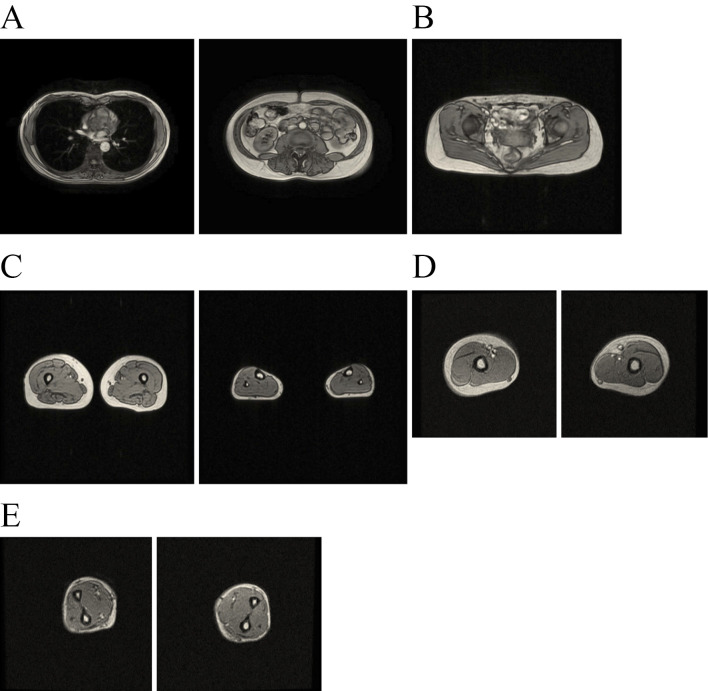
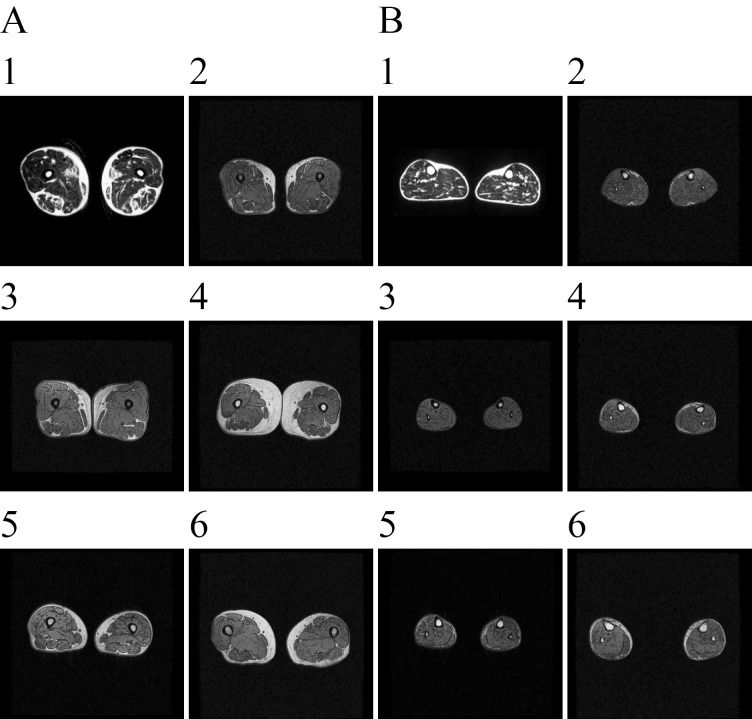
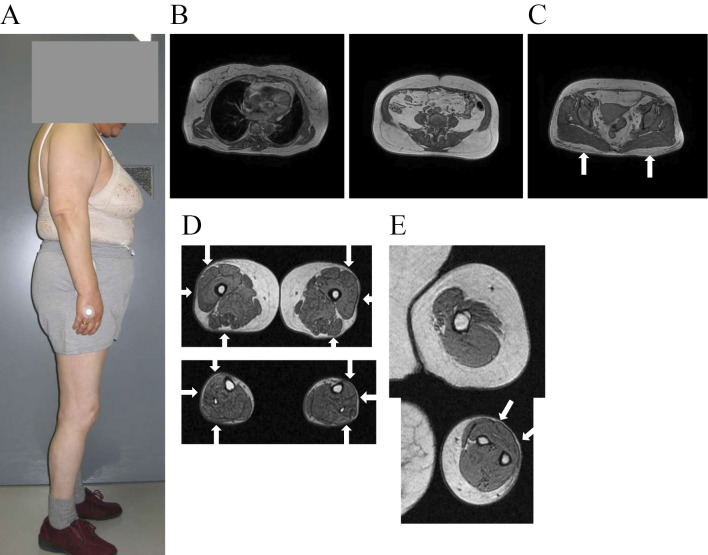
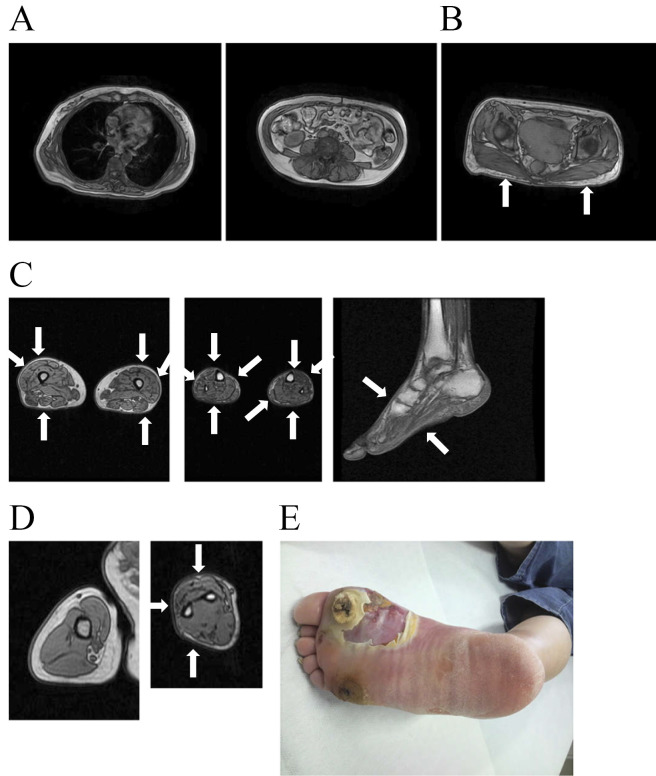
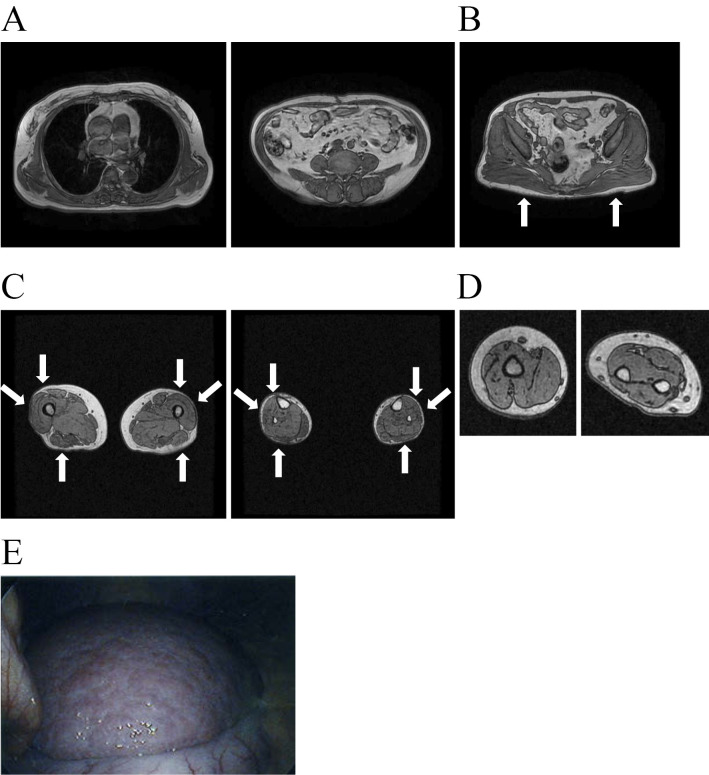
Objective Our aim was to examine the clinical characteristics and phenotype of lipodystrophy of six diabetic Japanese women with partial lipodystrophy (PL) who received a genetic analysis at a diabetic outpatient clinic. Methods We screened for PL using dual energy X-ray absorptiometry (DEXA) and magnetic resonance imaging (MRI) among patients who had a reduced peripheral skinfold thickness at the diabetic outpatient clinic of Kusatsu General Hospital between August 2003 and August 2013. We performed a mutation analysis of candidate genes, including LMNA and PPARG, in two patients with PL and whole-exome sequencing in four patients with PL. Results We identified 15 patients with PL and performed a genetic analysis in 6 of them. They had no mutations in candidate genes known to be associated with familial partial lipodystrophy (FPLD). They all had near-complete loss of subcutaneous fat, particularly in the antero-lateral and posterior thigh region and the calf region. As almost all patients were characterized by fat loss in the lower limbs with abdominal fat accumulation, a high rate of positivity for a family history, diabetes, and an unknown genetic cause, we suspected they might have FPLD1. Some patients have shown relatively severe insulin resistance, while others have shown insulin deficiency. Four and one had severe atherosclerosis and liver cirrhosis, probably due to nonalcoholic steatohepatitis, respectively. Conclusion Almost all patients with PL identified in a diabetic outpatient clinic had subcutaneous fat loss in the lower limbs with excess truncal fat and might have had FPLD1.
目的 我们的目的是研究6名日本糖尿病女性患者的临床特征和脂肪营养不良的表型,这些患者患有部分脂肪营养不良(PL),并在糖尿病门诊接受了基因分析。方法 我们在2003年8月至2013年8月期间,于草津市立综合医院糖尿病门诊对周围皮肤褶厚度降低的患者中,使用双能X线吸收法(DEXA)和磁共振成像(MRI)筛查PL。我们对2例PL患者进行了候选基因(包括LMNA和PPARG)的突变分析,对4例PL患者进行了全外显子测序。结果 我们确定了15例PL患者,并对其中6例进行了基因分析。他们在已知与家族性部分脂肪营养不良(FPLD)相关的候选基因中没有突变。他们都几乎完全丧失了皮下脂肪,尤其是大腿前外侧和后侧区域以及小腿区域。由于几乎所有患者的特征都是下肢脂肪减少伴腹部脂肪堆积、家族史阳性率高、糖尿病以及遗传原因不明,我们怀疑他们可能患有FPLD1。一些患者表现出相对严重的胰岛素抵抗,而另一些患者表现出胰岛素缺乏。分别有4例和1例患有严重的动脉粥样硬化和肝硬化,可能分别是由于非酒精性脂肪性肝炎所致。结论 在糖尿病门诊确定的几乎所有PL患者都有下肢皮下脂肪减少伴躯干脂肪过多的情况,可能患有FPLD1。