Usmani Ashar, Machado Roberto F
Department of Medicine, Division of Pulmonary, Critical Care, Sleep and Allergy, University of Illinois at Chicago, Chicago, IL, USA.
Department of Medicine, Division of Pulmonary, Critical Care, Sleep, and Occupational Medicine, Indiana University, Indianapolis, IN, USA.
Clin Hemorheol Microcirc. 2018;68(2-3):205-221. doi: 10.3233/CH-189008.
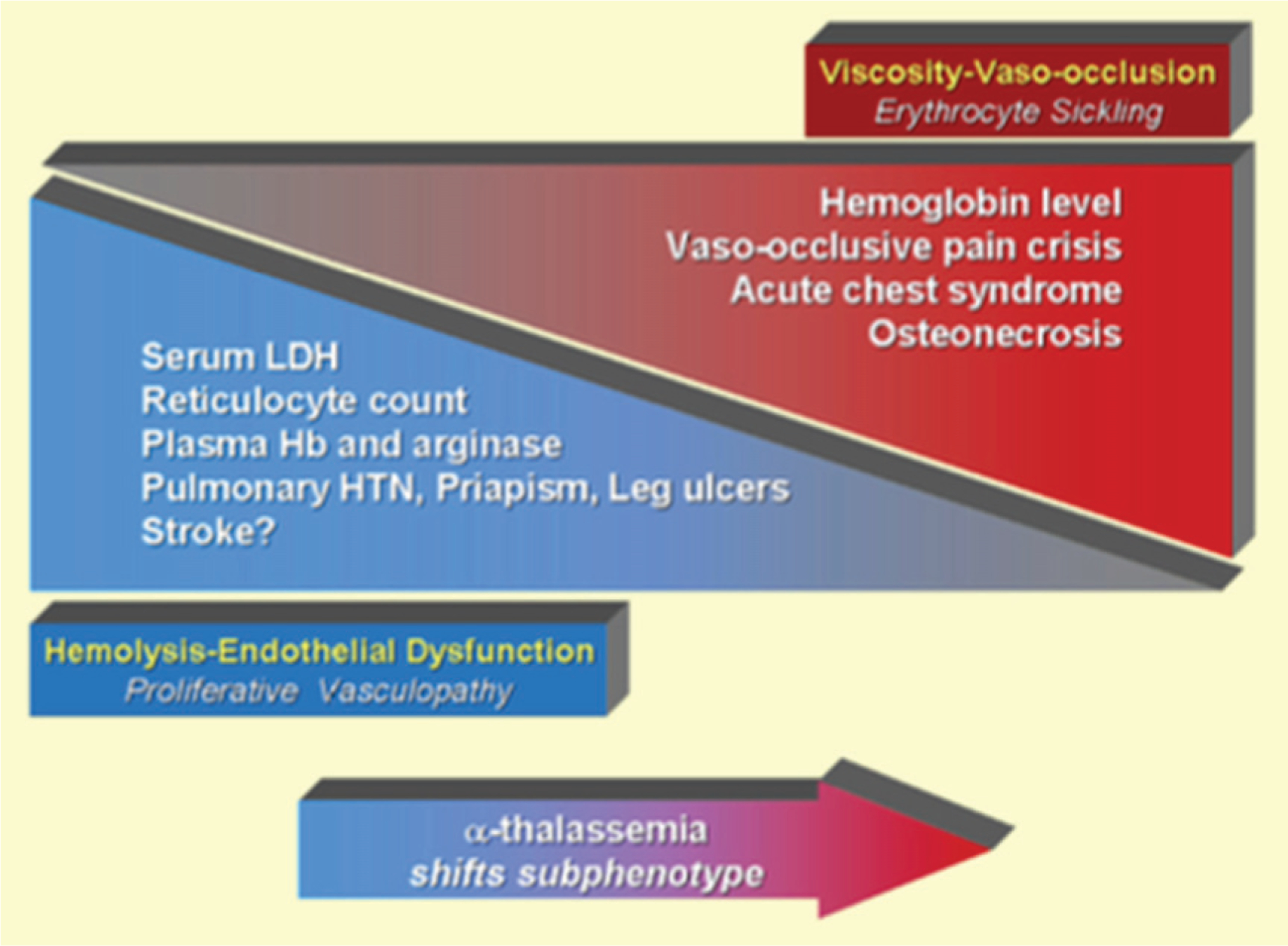
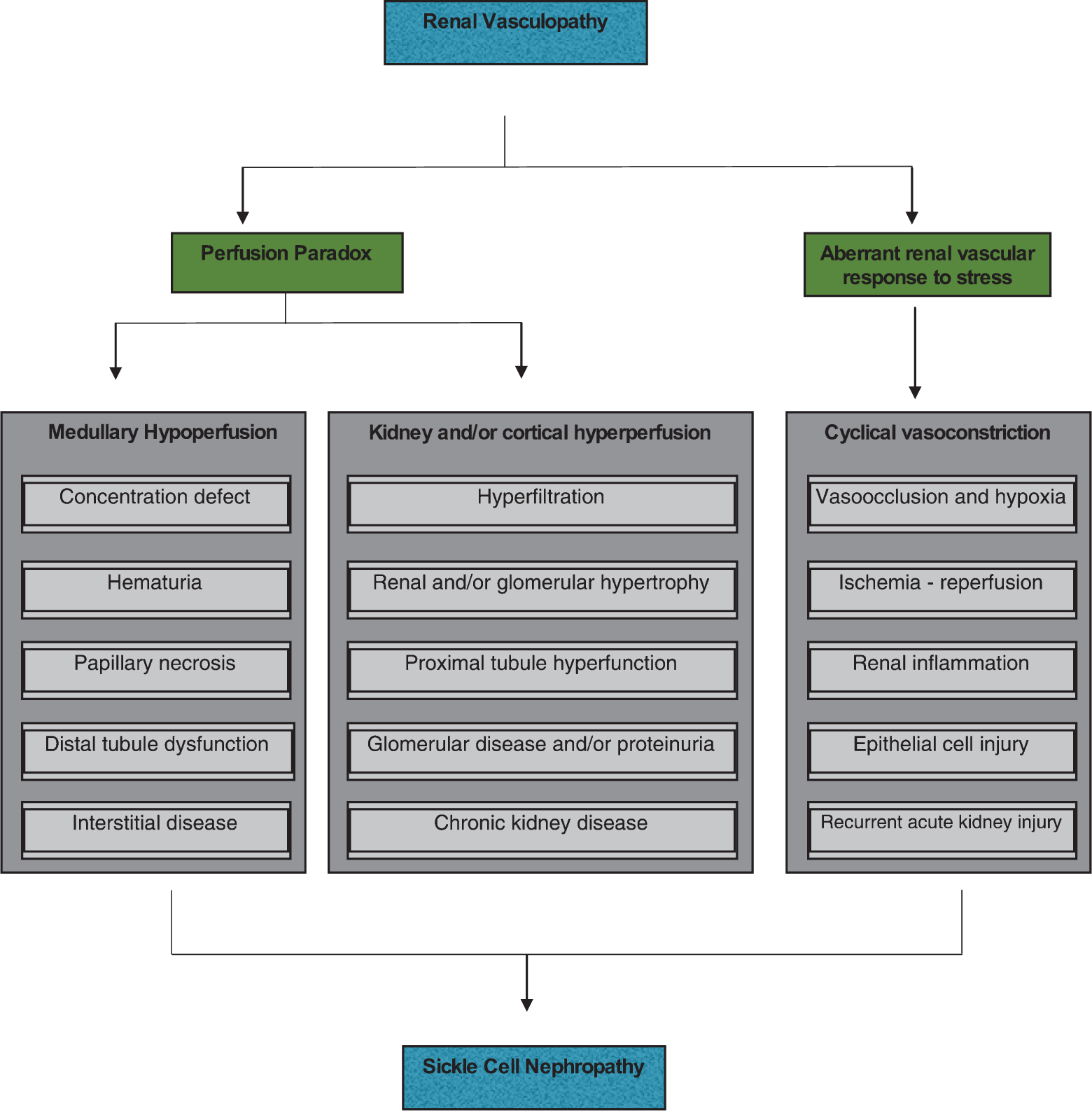
Sickle cell disease (SCD) is a monogenetic disorder caused by a mutation in the β-globin gene HBB leading to polymerization of red blood cells causing damage to cell membranes, increasing its rigidity and intravascular hemolysis. Multiple lines of evidence suggest that SCD can be viewed as pan-vasculopathy associated with multiple mechanisms but driven by hemoglobin S polymerization. Here we review the pathophysiology, clinical manifestations and management strategies for cerebrovascular disease, pulmonary hypertension and renal disease associated with SCD. These "vascular phenotypes" reflect the systemic nature of the complications of SCD and are a major threat to the well-being of patients with the disorder.
镰状细胞病(SCD)是一种单基因疾病,由β-珠蛋白基因HBB突变引起,导致红细胞聚合,损伤细胞膜,增加其硬度并引发血管内溶血。多条证据表明,SCD可被视为一种与多种机制相关但由血红蛋白S聚合驱动的全身性血管病变。在此,我们综述了与SCD相关的脑血管疾病、肺动脉高压和肾脏疾病的病理生理学、临床表现及管理策略。这些“血管表型”反映了SCD并发症的全身性本质,是该疾病患者健康的主要威胁。