Department of Electronic and Electrical Engineering, University of Bath, Claverton Down, Bath, BA2 7AY, United Kingdom.
IPMA - Instituto Português do Mar e da Atmosfera, I. P., Av. Brasília, 1449-006, Lisboa, Portugal.
Sci Rep. 2018 Apr 3;8(1):5484. doi: 10.1038/s41598-018-23928-9.
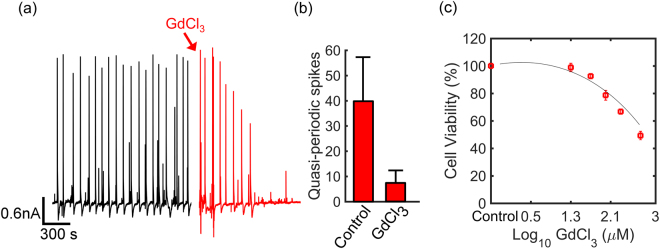
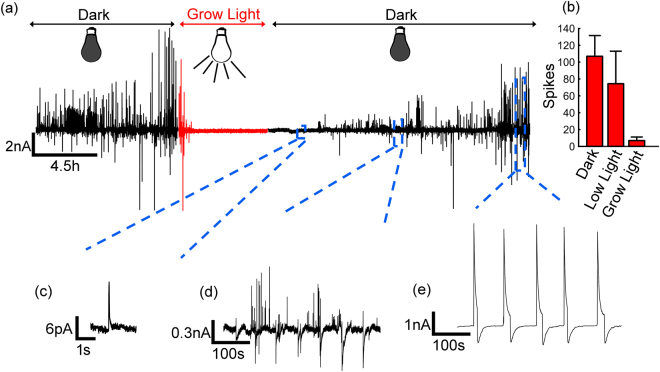
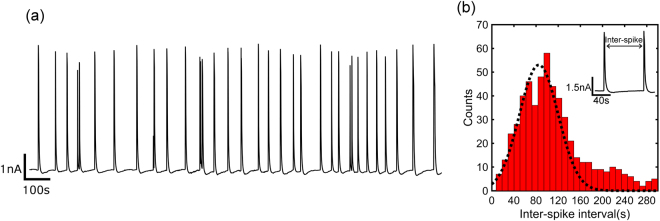
Diatoms are photosynthetic microalgae, a group with a major environmental role on the planet due to the biogeochemical cycling of silica and global fixation of carbon. However, they can evolve into harmful blooms through a resourceful communication mechanism, not yet fully understood. Here, we demonstrate that a population of diatoms under darkness show quasi-periodic electrical oscillations, or intercellular waves. The origin is paracrine signaling, which is a feedback, or survival, mechanism that counteracts changes in the physicochemical environment. The intracellular messenger is related to Ca ions since spatiotemporal changes in their concentration match the characteristics of the intercellular waves. Our conclusion is supported by using a Ca channel inhibitor. The transport of Ca ions through the membrane to the extracellular medium is blocked and the intercellular waves disappear. The translation of microalgae cooperative signaling paves the way for early detection and prevention of harmful blooms and an extensive range of stress-induced alterations in the aquatic ecosystem.
硅藻是光合微藻,由于硅的生物地球化学循环和全球碳固定,它们在地球上扮演着重要的环境角色。然而,它们可以通过一种尚未完全理解的富有创意的通讯机制演变成有害的水华。在这里,我们证明了在黑暗中生长的硅藻种群表现出准周期性的电振荡,或细胞间波。其起源是旁分泌信号,这是一种反馈或生存机制,可对抗物理化学环境的变化。细胞内信使与 Ca 离子有关,因为它们浓度的时空变化与细胞间波的特征相匹配。我们的结论得到了使用 Ca 通道抑制剂的支持。Ca 离子通过膜向细胞外介质的运输被阻断,细胞间波消失。微藻合作信号的翻译为早期检测和预防有害水华以及水生生态系统中广泛的应激诱导改变铺平了道路。