Fan Huifeng, Huang Li, Yang Diyuan, Lin Yunting, Lu Gen, Xie Yaping, Yu Jialu, Zhang Dongwei
Department of Respiratory Infection Pediatric Intensive Care Unit Institute of Pediatrics, Guangzhou Women and Children's Medical Center, Guangzhou Medical University, Guangzhou, China.
Medicine (Baltimore). 2018 Apr;97(14):e0215. doi: 10.1097/MD.0000000000010215.
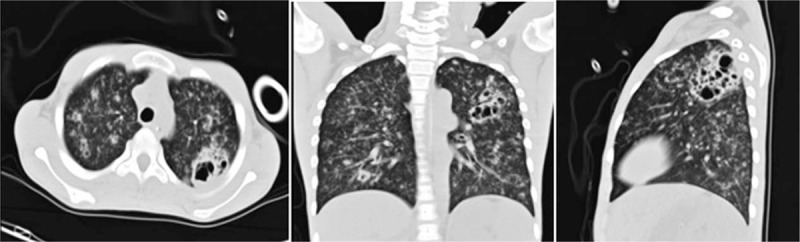
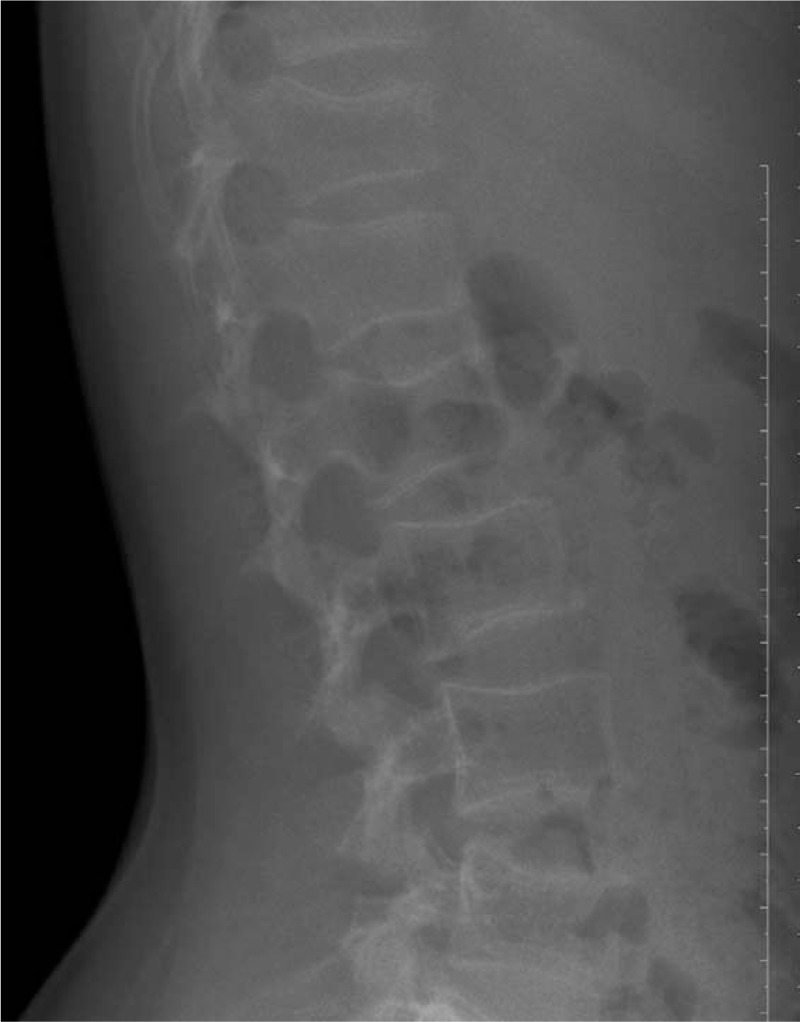
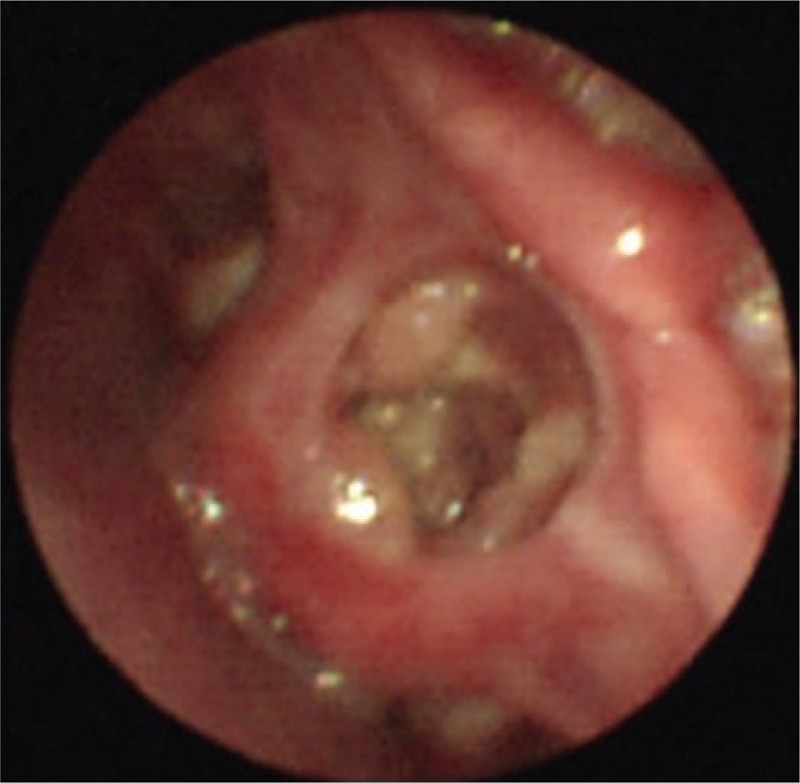
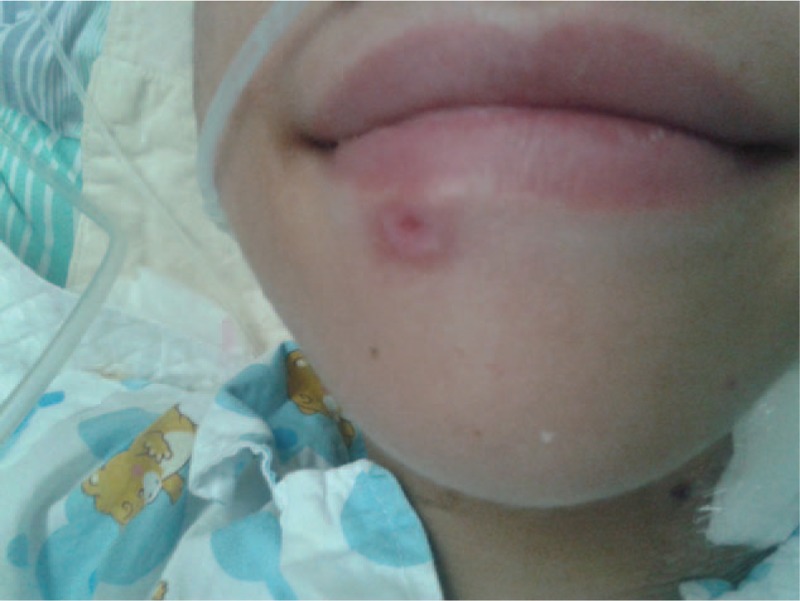
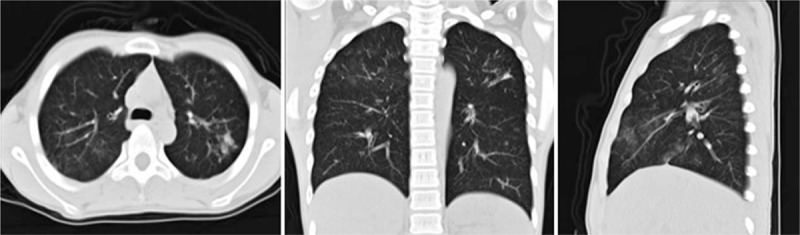
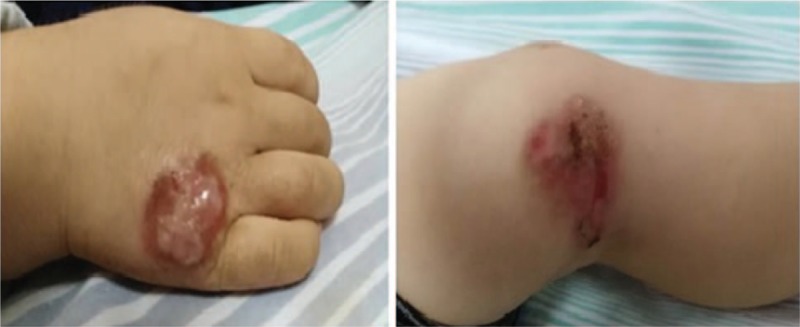
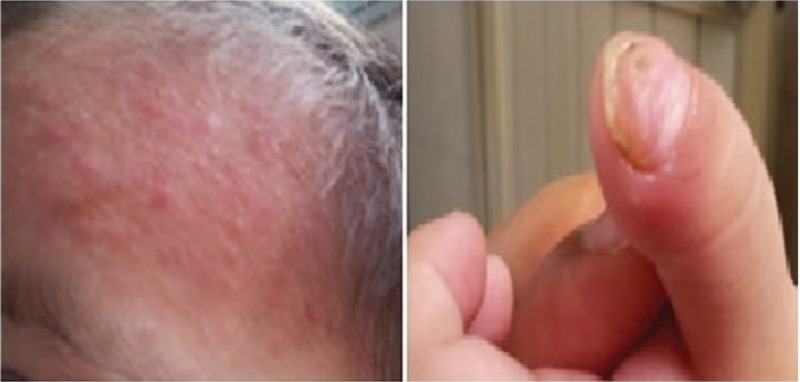
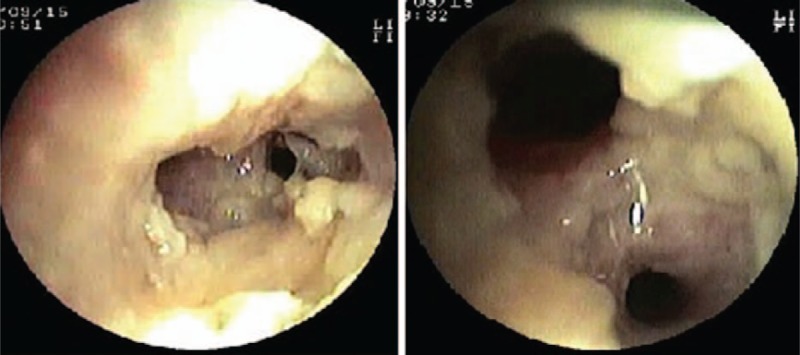
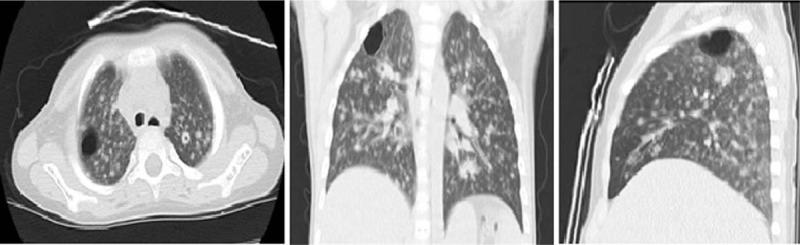
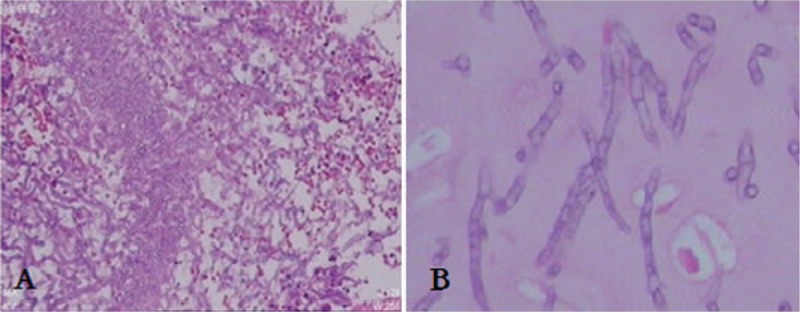
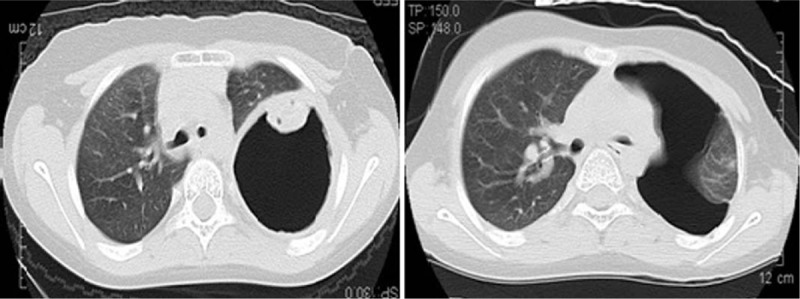
Hyperimmunoglobulin E syndromes (HIES) are rare primary immunodeficiency diseases characterized by markedly elevated serum immunoglobulin (Ig) E, recurrent pneumonia, and chronic eczema. To date, information about pediatric HIES is limited. We aimed to evaluate the spectrum of clinical and immunological features in pediatric patients with HIES in China.We retrospectively reviewed the cases of 4 pediatric patients with HIES followed at the Guangzhou Women and Children's Medical Center from May 2013 to September 2017. We analyzed clinical presentation, laboratory data, immunological evaluations, imagenological characteristics, treatment, response to therapy, genetic and bronchoalveolar lavage fluid (BALF) findings, and prognosis.The common clinical features of the patients were recurrent respiratory and mucocutaneous infections and eczematoid skin lesions. In 3 of 4 patients, BALF and transbronchial lung biopsy (TBLB) demonstrated fungal pneumonia with organisms including invasive Aspergillus and Penicillium marneffei. Elevated serum IgG and IgM were detected in 3 and 2 cases, respectively, while CD4+ T and CD19+ B cells were slightly reduced in only 1 patient. Nitroblue tetrazolium tests (NBTs) were normal in all patients, and reduced natural killer cell counts were identified in 3 patients. A novel missense mutation in exon 17 (c.1593A>T, p.K531N) was identified in the signal transducer and activator of transcription 3 (STAT3) gene that has not been reported previously. One patient had 3 homozygous nonsynonymous variations of the complement receptor 2 (CR2) gene distributed in exons 10 (c.1916G>A, p.S639N) and 11 (c.1987T>C, p.S663P and c.2012G>A, p.R671H) with high frequency.This case series suggests that fungi are important respiratory pathogens in children with HIES and should be considered in cases of pneumonia in this population. The NIH scoring system does not allow diagnostic certainty, particularly in infants, because some of the common manifestations of HIES may not develop until the patient matures. Pulmonary complications must be identified in the early stage of the disease to treat them effectively. In addition, we report a mutation in STAT3 that has not been identified previously.
高免疫球蛋白E综合征(HIES)是一种罕见的原发性免疫缺陷病,其特征为血清免疫球蛋白(Ig)E显著升高、反复肺炎和慢性湿疹。迄今为止,关于儿童HIES的信息有限。我们旨在评估中国儿童HIES患者的临床和免疫学特征谱。我们回顾性分析了2013年5月至2017年9月在广州妇女儿童医疗中心随访的4例儿童HIES患者的病例。我们分析了临床表现、实验室数据、免疫学评估、影像学特征、治疗、治疗反应、基因及支气管肺泡灌洗液(BALF)检查结果以及预后情况。患者的常见临床特征为反复的呼吸道和皮肤黏膜感染以及湿疹样皮肤损害。4例患者中有3例,BALF和经支气管肺活检(TBLB)显示真菌性肺炎,病原体包括侵袭性曲霉菌和马尔尼菲青霉菌。分别在3例和2例患者中检测到血清IgG和IgM升高,而仅1例患者的CD4 + T细胞和CD19 + B细胞略有减少。所有患者的硝基蓝四唑试验(NBT)均正常,3例患者的自然杀伤细胞计数减少。在信号转导和转录激活因子3(STAT3)基因的第17外显子中发现了一个新的错义突变(c.1593A>T,p.K531N),此前未见报道。1例患者在补体受体2(CR2)基因的第10外显子(c.1916G>A,p.S639N)和第11外显子(c.1987T>C,p.S663P和c.2012G>A,p.R671H)中存在3个高频纯合非同义变异。该病例系列表明,真菌是儿童HIES重要的呼吸道病原体,在该人群的肺炎病例中应予以考虑。美国国立卫生研究院(NIH)评分系统无法确诊,尤其是对于婴儿,因为HIES的一些常见表现可能要到患者长大后才会出现。必须在疾病早期识别肺部并发症以便有效治疗。此外,我们报告了一个此前未发现过的STAT3突变。