Vascular Biology Center, Augusta University, Augusta, GA 30912, USA.
Department of Pharmacology and Toxicology, Augusta University, Augusta, GA 30912, USA.
J Mol Cell Cardiol. 2018 May;118:225-236. doi: 10.1016/j.yjmcc.2018.04.001. Epub 2018 Apr 6.
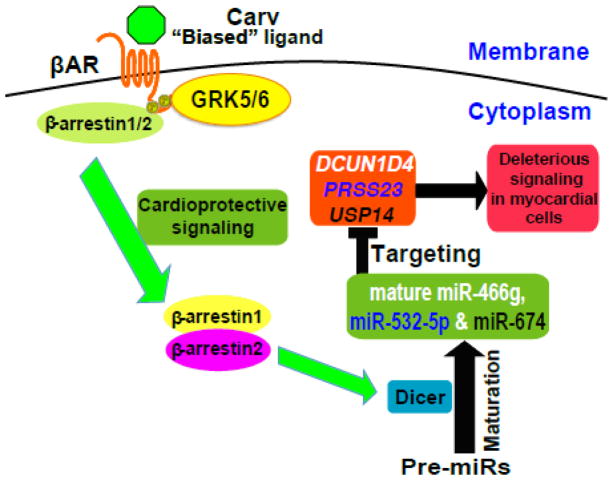
MicroRNAs (miRs) are small, non-coding RNAs that function to post-transcriptionally regulate target genes. First transcribed as primary miR transcripts (pri-miRs), they are enzymatically processed by Drosha into premature miRs (pre-miRs) and further cleaved by Dicer into mature miRs. Initially discovered to desensitize β-adrenergic receptor (βAR) signaling, β-arrestins are now well-appreciated to modulate multiple pathways independent of G protein signaling, a concept known as biased signaling. Using the β-arrestin-biased βAR ligand carvedilol, we previously showed that β-arrestin1 (not β-arrestin2)-biased β1AR (not β2AR) cardioprotective signaling stimulates Drosha-mediated processing of six miRs by forming a multi-protein nuclear complex, which includes β-arrestin1, the Drosha microprocessor complex and a single-stranded RNA binding protein hnRNPA1.
Here, we investigate whether β-arrestin-mediated βAR signaling induced by carvedilol could regulate Dicer-mediated miR maturation in the cytoplasm and whether this novel mechanism promotes cardioprotective signaling.
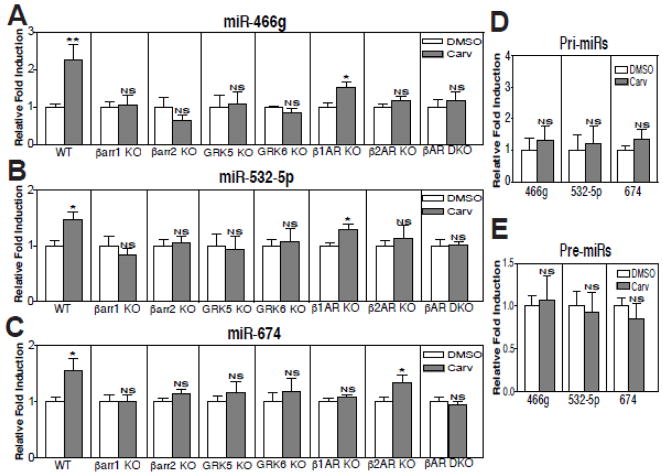
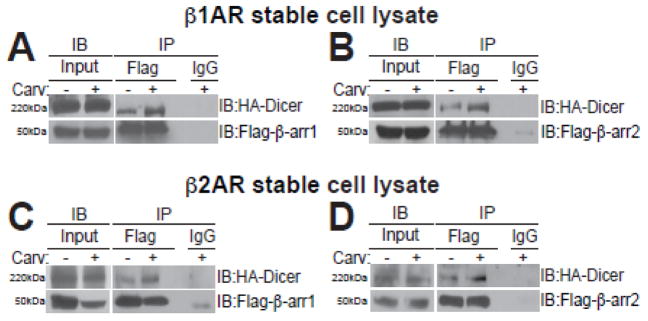
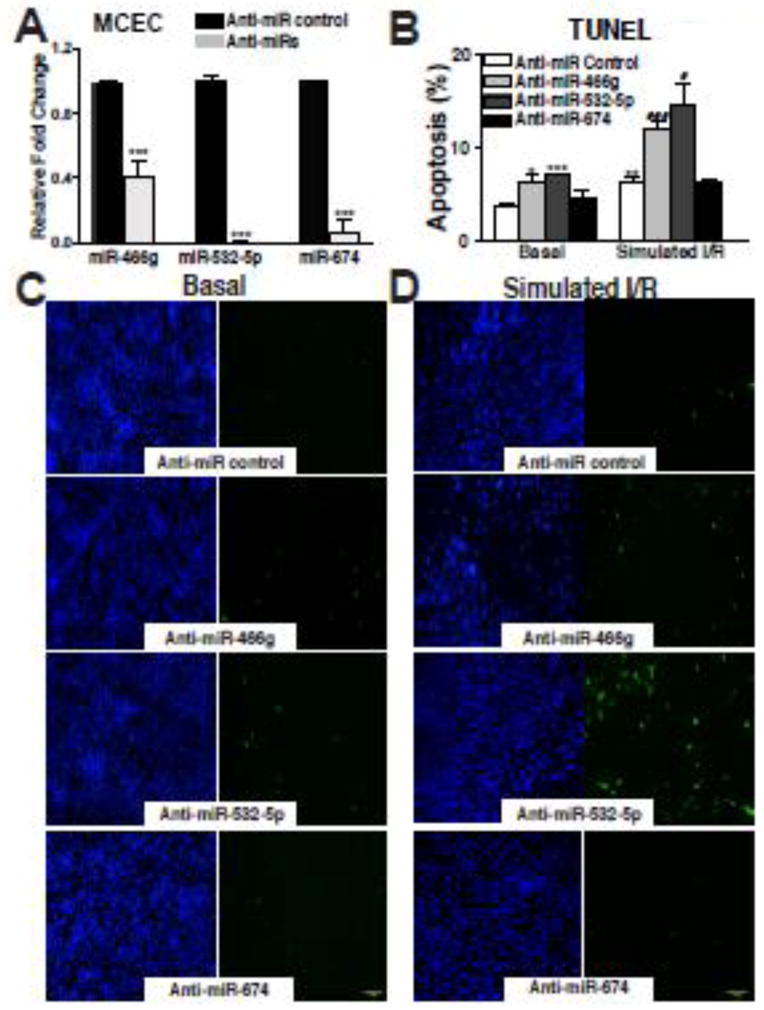
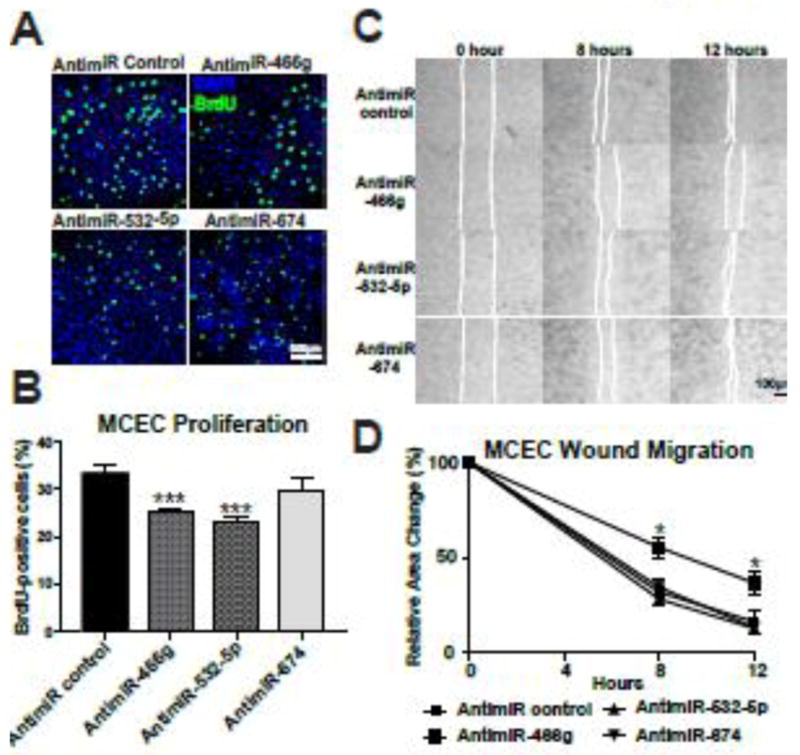
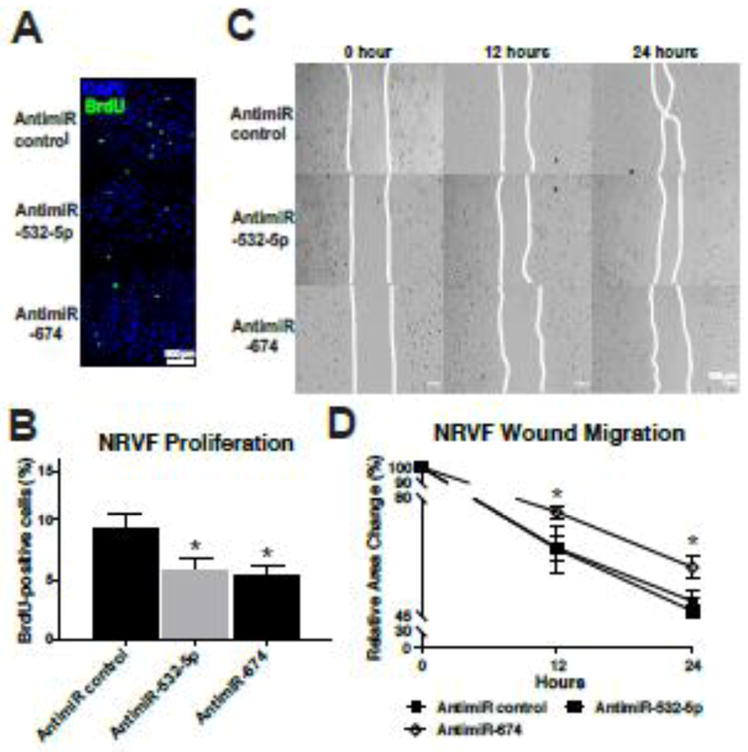
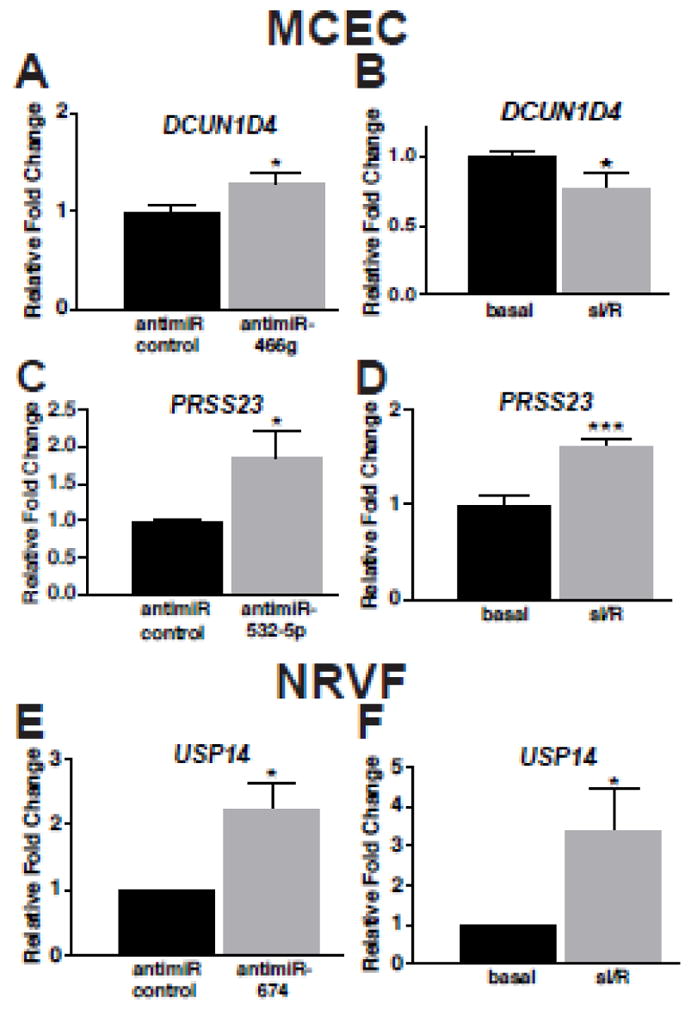
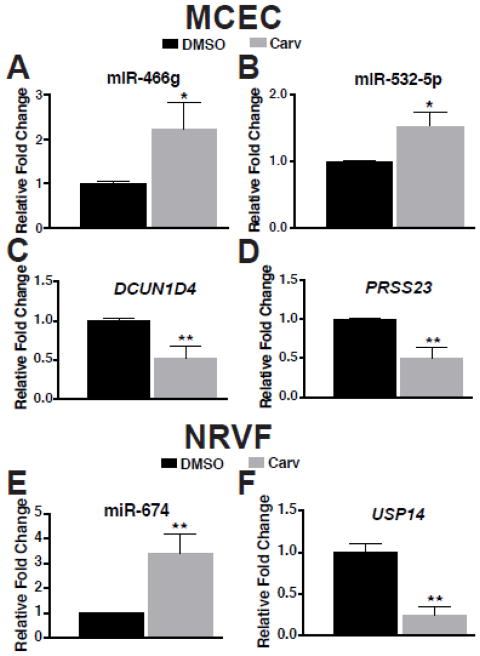
In mouse hearts, carvedilol indeed upregulates three mature miRs, but not their pre-miRs and pri-miRs, in a β-arrestin 1- or 2-dependent manner. Interestingly, carvedilol-mediated activation of miR-466g or miR-532-5p, and miR-674 is dependent on β2ARs and β1ARs, respectively. Mechanistically, β-arrestin 1 or 2 regulates maturation of three newly identified βAR/β-arrestin-responsive miRs (β-miRs) by associating with the Dicer maturation RNase III enzyme on three pre-miRs of β-miRs. Myocardial cell approaches uncover that despite their distinct roles in different cell types, β-miRs act as gatekeepers of cardiac cell functions by repressing deleterious targets.
Our findings indicate a novel role for βAR-mediated β-arrestin signaling activated by carvedilol in Dicer-mediated miR maturation, which may be linked to its protective mechanisms.
MicroRNAs (miRs) 是一类小的非编码 RNA,通过转录后调控靶基因的表达。miRs 最初被转录为初级 miR 转录本 (pri-miRs),然后被 Drosha 酶切为前体 miR (pre-miRs),进一步被 Dicer 酶切为成熟 miR。miRs 最初被发现可使 β-肾上腺素能受体 (βAR) 信号脱敏,现在已经很好地被认为可以独立于 G 蛋白信号调节多条途径,这一概念称为偏倚信号。我们之前使用 β-肾上腺素能受体的偏倚配体卡维地洛证明,β-arrestin1(而非β-arrestin2)的偏倚β1AR(而非β2AR)心脏保护信号通过形成多蛋白核复合物来刺激 Drosha 介导的六种 miR 的加工,该复合物包括β-arrestin1、Drosha 微处理器复合物和单链 RNA 结合蛋白 hnRNPA1。
本研究旨在探讨卡维地洛诱导的β-arrestin 介导的 βAR 信号是否可以调节细胞质中的 Dicer 介导的 miR 成熟,以及这种新机制是否促进心脏保护信号。
在小鼠心脏中,卡维地洛确实以β-arrestin 1 或 2 依赖的方式上调三种成熟的 miR,但不影响它们的前体 miR 和 pri-miRs。有趣的是,卡维地洛介导的 miR-466g 或 miR-532-5p 的激活依赖于β2AR 和β1AR,而 miR-674 的激活则依赖于β-arrestin 2。机制上,β-arrestin 1 或 2 通过与三个βAR/β-arrestin 反应性 miR (β-miRs) 的前体 miR 上的 Dicer 成熟 RNase III 酶结合,调节三个新鉴定的βAR/β-arrestin 反应性 miR (β-miRs) 的成熟。心肌细胞方法揭示,尽管它们在不同细胞类型中发挥不同的作用,但β-miRs 通过抑制有害靶标来作为心脏细胞功能的守门员。
我们的研究结果表明,卡维地洛激活的βAR 介导的β-arrestin 信号在 Dicer 介导的 miR 成熟中具有新的作用,这可能与其保护机制有关。