Division of Respiratory Medicine, Queen's Medical Centre, University of Nottingham, Nottingham, NG7 2UH, UK.
Division of Endocrinology, Nottingham University Hospitals NHS Trust, Nottingham, UK.
Curr Hypertens Rep. 2018 Apr 10;20(4):31. doi: 10.1007/s11906-018-0826-6.
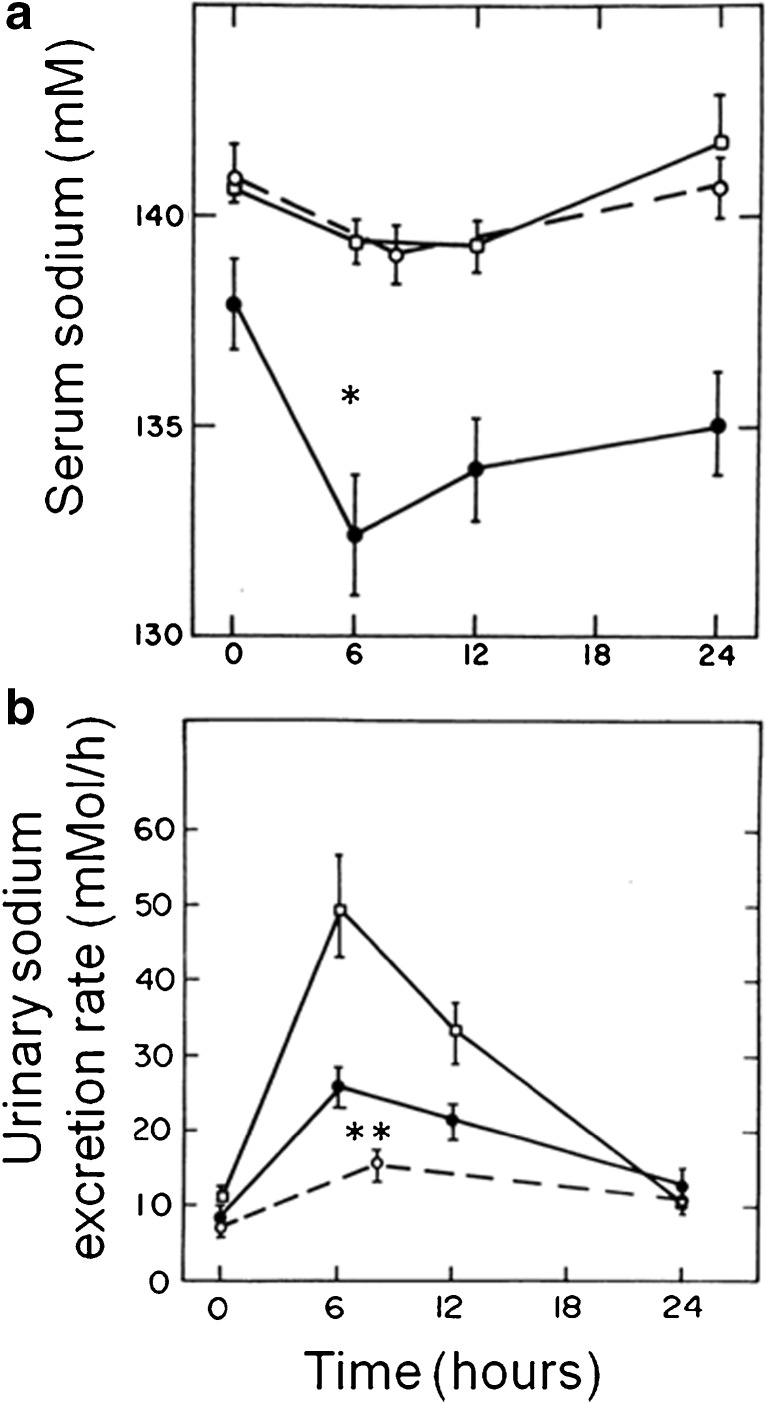
Hypertension affects more than 30% of the world's adult population and thiazide (and thiazide-like) diuretics are amongst the most widely used, effective, and least costly treatments available, with all-cause mortality benefits equivalent to angiotensin-converting enzyme inhibitors or calcium channel antagonists. A minority of patients develop thiazide-induced hyponatremia (TIH) and this is largely unpredictable at the point of thiazide prescription. In some cases, TIH can cause debilitating symptoms and require hospital admission. Although TIH affects only a minority of patients exposed to thiazides, the high prevalence of hypertension leads to TIH being the most common cause of drug-induced hyponatremia requiring hospital admission in the UK. This review examines current clinical and scientific understanding of TIH. Consideration is given to demographic associations, limitations of current electrolyte monitoring regimens, clinical presentation, the phenotype evident on routine clinical blood and urine tests as well as more extensive analyses of blood and urine in research settings, recent genetic associations with TIH, and thoughts on management of the condition.
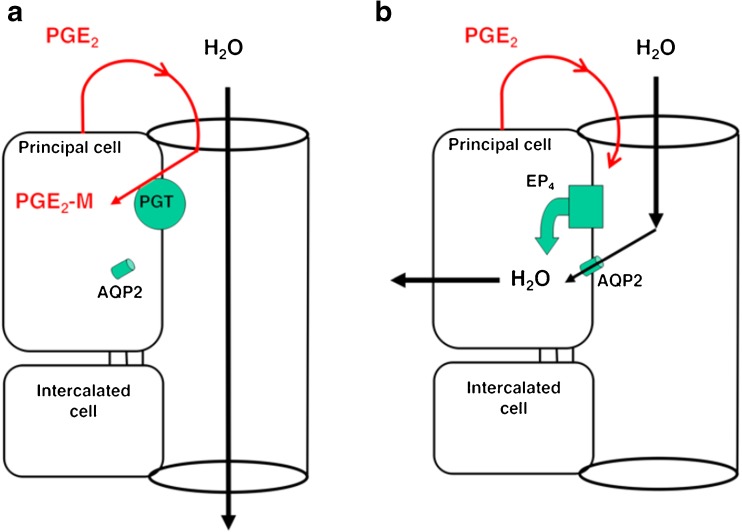
Recent genetic and phenotyping analysis has suggested that prostaglandin E2 pathways in the collecting duct may have a role in the development of TIH in a subgroup of patients. Greater understanding of the molecular pathophysiology of TIH raises the prospect of pre-prescription TIH risk profiling and may offer novel insights into how TIH may be avoided, prevented and treated. The rising prevalence of hypertension and the widespread use of thiazides mean that further understanding of TIH will continue to be a pressing issue for patients, physicians, and scientists alike for the foreseeable future.
高血压影响着全球超过 30%的成年人,噻嗪类(和噻嗪样)利尿剂是应用最广泛、最有效且成本最低的治疗药物之一,其全因死亡率获益与血管紧张素转换酶抑制剂或钙通道拮抗剂相当。少数患者会出现噻嗪类药物引起的低钠血症(TIH),而在噻嗪类药物处方开具时,这种情况在很大程度上是无法预测的。在某些情况下,TIH 可引起使人衰弱的症状并需要住院治疗。尽管 TIH 仅影响少数暴露于噻嗪类药物的患者,但由于高血压的高患病率,TIH 是英国因药物引起的低钠血症而需要住院治疗的最常见原因。本文综述了目前对 TIH 的临床和科学认识。考虑了人口统计学关联、目前电解质监测方案的局限性、临床表现、常规临床血液和尿液检查中表现出的表型,以及在研究环境中对血液和尿液的更广泛分析、与 TIH 相关的最近遗传关联,以及对该疾病管理的思考。
最近的遗传和表型分析表明,集合管中的前列腺素 E2 通路可能在一部分患者的 TIH 发展中起作用。对 TIH 分子病理生理学的进一步了解提高了 TIH 风险预测的可能性,并可能为如何避免、预防和治疗 TIH 提供新的思路。高血压的患病率不断上升和噻嗪类药物的广泛应用意味着,在可预见的未来,进一步了解 TIH 将继续成为患者、医生和科学家的紧迫问题。