Ferhadian Damien, Contrant Maud, Printz-Schweigert Anne, Smyth Redmond P, Paillart Jean-Christophe, Marquet Roland
CNRS - UPR 9002, Architecture et Réactivité de l'ARN, IBMC, Université de Strasbourg, Strasbourg, France.
Front Microbiol. 2018 Mar 29;9:559. doi: 10.3389/fmicb.2018.00559. eCollection 2018.
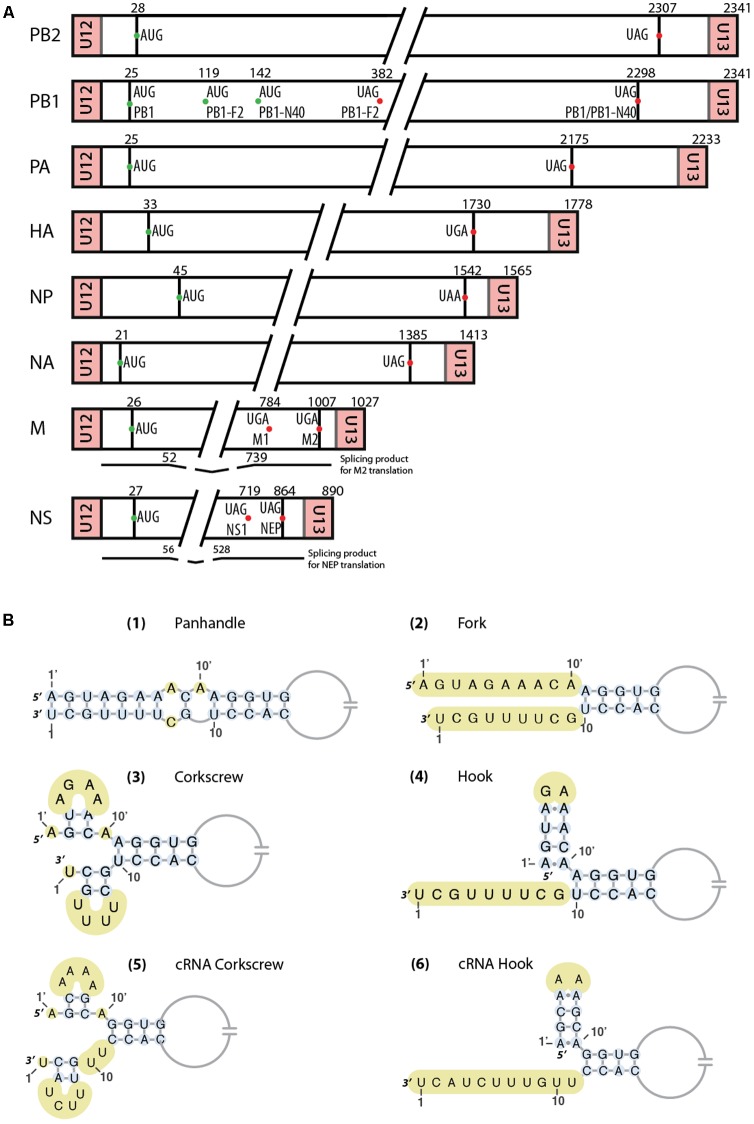
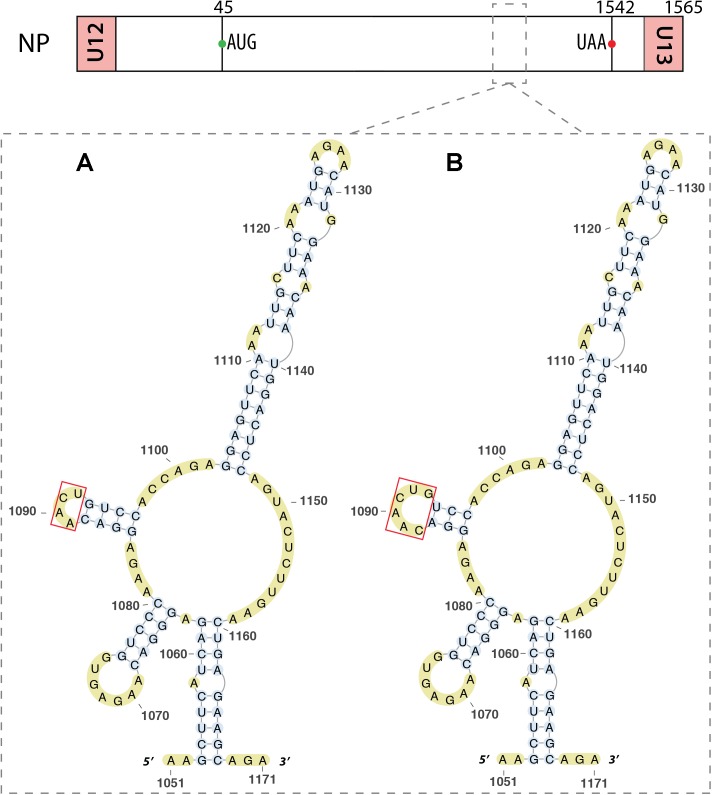
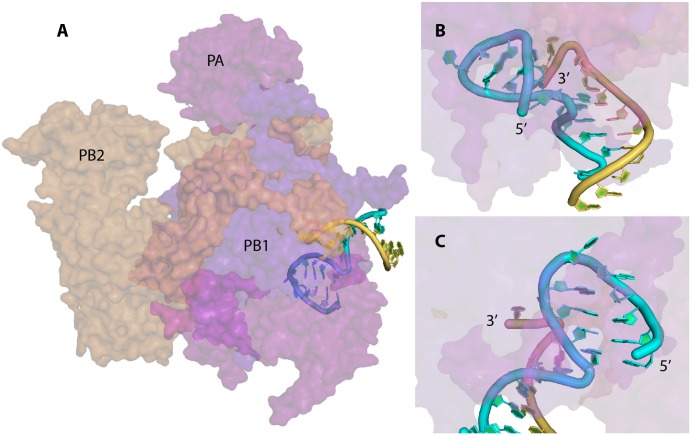
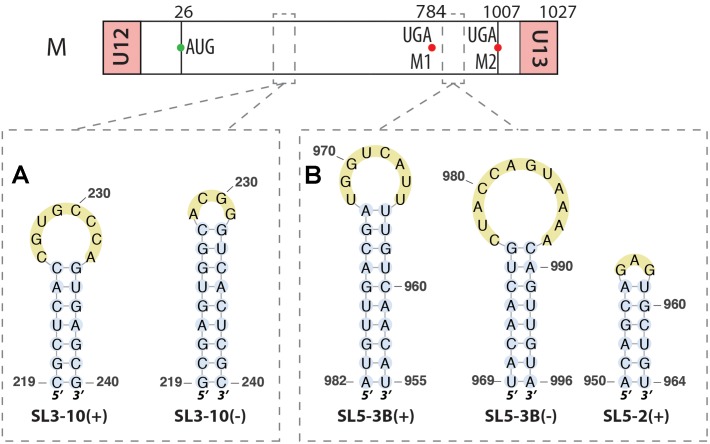
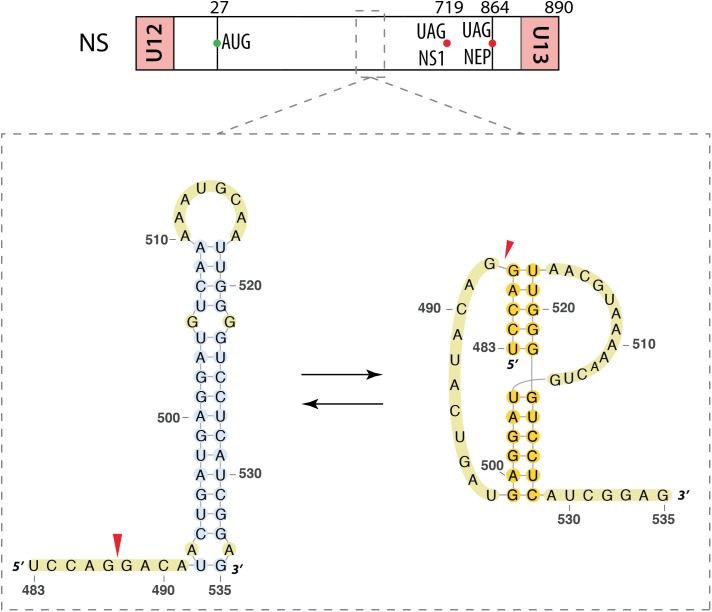
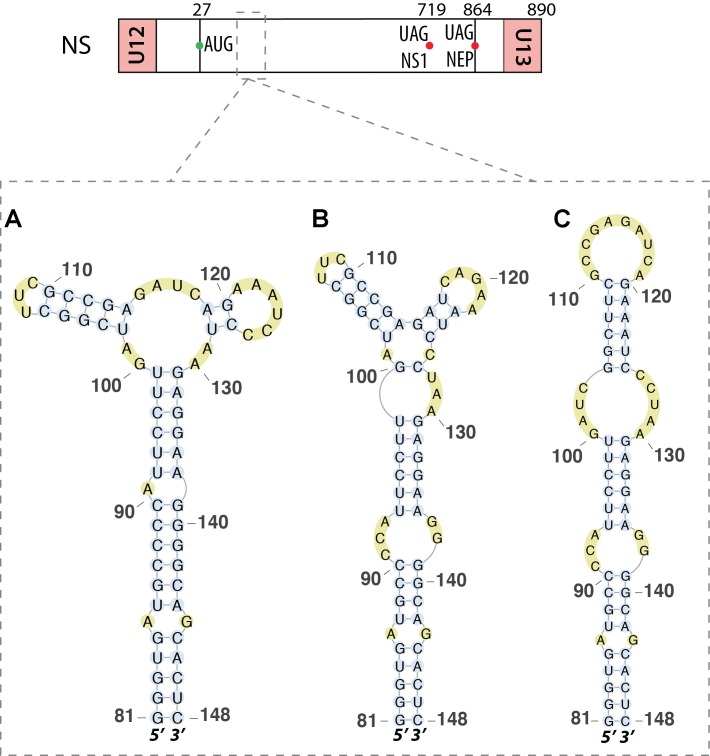
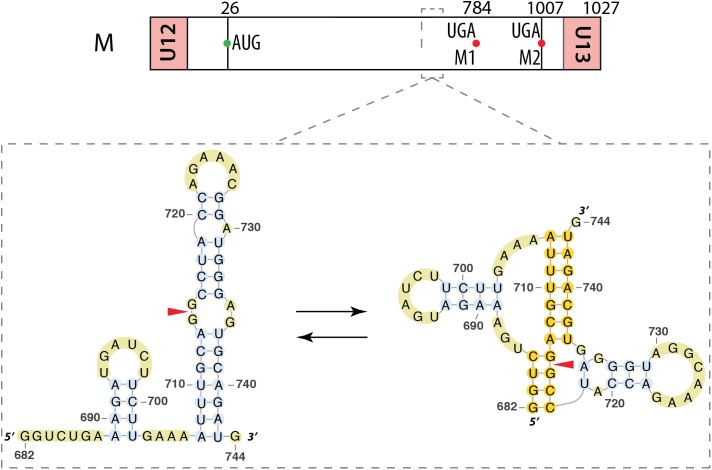
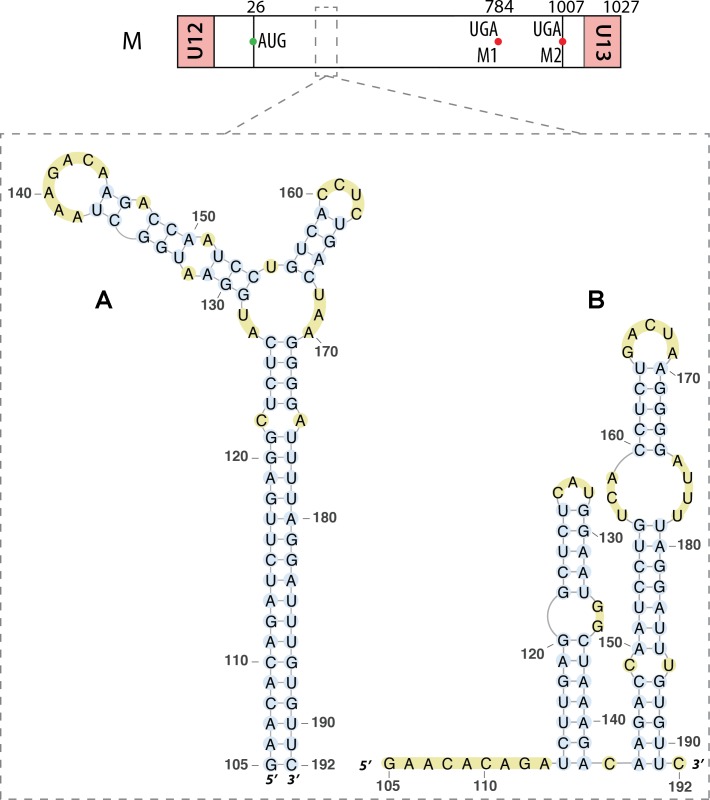
Influenza A viruses (IAV) are responsible for recurrent influenza epidemics and occasional devastating pandemics in humans and animals. They belong to the family and their genome consists of eight (-) sense viral RNA (vRNA) segments of different lengths coding for at least 11 viral proteins. A heterotrimeric polymerase complex is bound to the promoter consisting of the 13 5'-terminal and 12 3'-terminal nucleotides of each vRNA, while internal parts of the vRNAs are associated with multiple copies of the viral nucleoprotein (NP), thus forming ribonucleoproteins (vRNP). Transcription and replication of vRNAs result in viral mRNAs (vmRNAs) and complementary RNAs (cRNAs), respectively. Complementary RNAs are the exact positive copies of vRNAs; they also form ribonucleoproteins (cRNPs) and are intermediate templates in the vRNA amplification process. On the contrary, vmRNAs have a 5' cap snatched from cellular mRNAs and a 3' polyA tail, both gained by the viral polymerase complex. Hence, unlike vRNAs and cRNAs, vmRNAs do not have a terminal promoter able to recruit the viral polymerase. Furthermore, synthesis of at least two viral proteins requires vmRNA splicing. Except for extensive analysis of the viral promoter structure and function and a few, mostly bioinformatics, studies addressing the vRNA and vmRNA structure, structural studies of the influenza A vRNAs, cRNAs, and vmRNAs are still in their infancy. The recent crystal structures of the influenza polymerase heterotrimeric complex drastically improved our understanding of the replication and transcription processes. The vRNA structure has been mainly studied using RNA probing, but its structure has been very recently studied within native vRNPs using crosslinking and RNA probing coupled to next generation RNA sequencing. Concerning vmRNAs, most studies focused on the segment M and NS splice sites and several structures initially predicted by bioinformatics analysis have now been validated experimentally and their role in the viral life cycle demonstrated. This review aims to compile the structural motifs found in the different RNA classes (vRNA, cRNA, and vmRNA) of influenza viruses and their function in the viral replication cycle.
甲型流感病毒(IAV)引发人类和动物反复出现的流感流行以及偶尔的毁灭性大流行。它们属于该病毒科,其基因组由八个不同长度的负链病毒RNA(vRNA)片段组成,编码至少11种病毒蛋白。一种异源三聚体聚合酶复合物与由每个vRNA的13个5'末端和12个3'末端核苷酸组成的启动子结合,而vRNA的内部部分与病毒核蛋白(NP)的多个拷贝相关联,从而形成核糖核蛋白(vRNP)。vRNA的转录和复制分别产生病毒mRNA(vmRNA)和互补RNA(cRNA)。互补RNA是vRNA的精确正链拷贝;它们也形成核糖核蛋白(cRNP),并且是vRNA扩增过程中的中间模板。相反,vmRNA具有从细胞mRNA抢夺来的5'帽和3'多聚A尾,两者均由病毒聚合酶复合物获得。因此,与vRNA和cRNA不同,vmRNA没有能够招募病毒聚合酶的末端启动子。此外,至少两种病毒蛋白的合成需要vmRNA剪接。除了对病毒启动子结构和功能进行广泛分析以及一些主要是生物信息学的研究涉及vRNA和vmRNA结构外,对甲型流感病毒vRNA、cRNA和vmRNA的结构研究仍处于起步阶段。流感病毒聚合酶异源三聚体复合物的最新晶体结构极大地增进了我们对复制和转录过程的理解。vRNA结构主要通过RNA探针进行研究,但最近在天然vRNP中使用交联和RNA探针结合下一代RNA测序对其结构进行了研究。关于vmRNA,大多数研究集中在片段M和NS剪接位点,并且一些最初通过生物信息学分析预测的结构现在已经通过实验得到验证,并且它们在病毒生命周期中的作用也得到了证明。本综述旨在汇总在流感病毒不同RNA类别(vRNA、cRNA和vmRNA)中发现的结构基序及其在病毒复制周期中的功能。