The Italian National Research Council - Tree and Timber Institute (CNR-IVALSA) Via Madonna del Piano 10, Sesto Fiorentino, 50019, Florence, Italy.
University of Exeter wildFIRE Lab, Hatherly Labs Prince Wales Road Exeter, EX PS, Devon, England.
Sci Rep. 2018 Apr 18;8(1):6206. doi: 10.1038/s41598-018-24459-z.
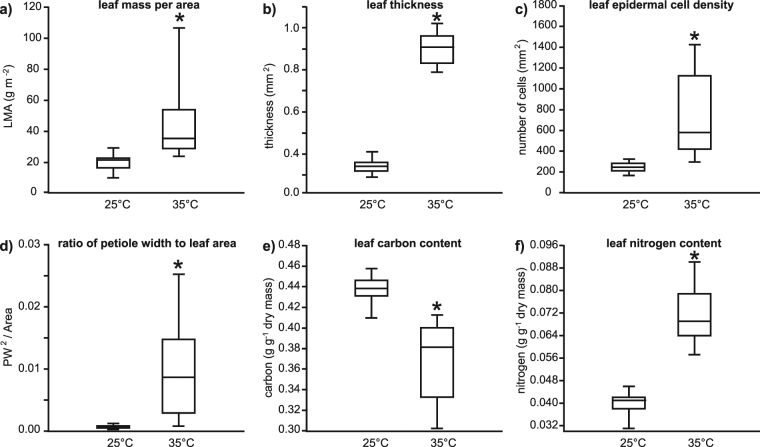
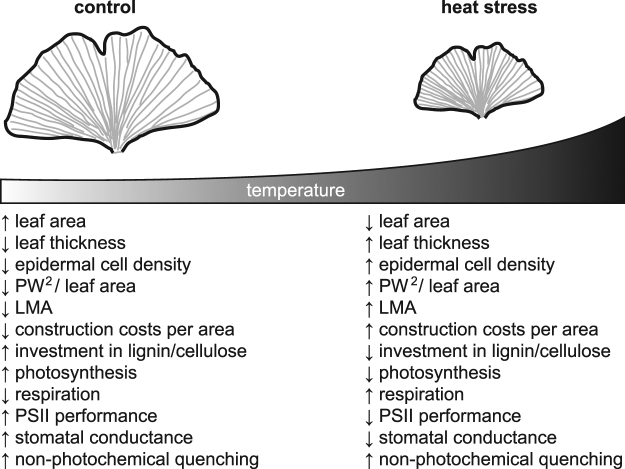
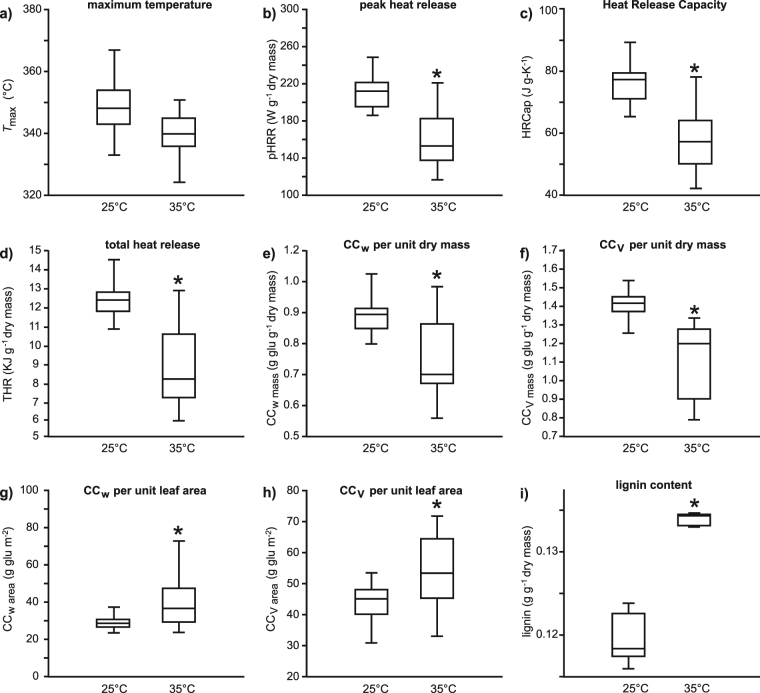
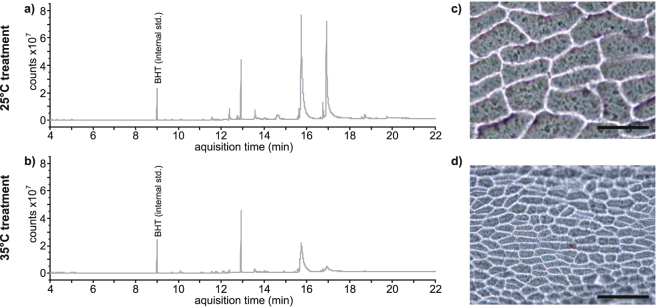
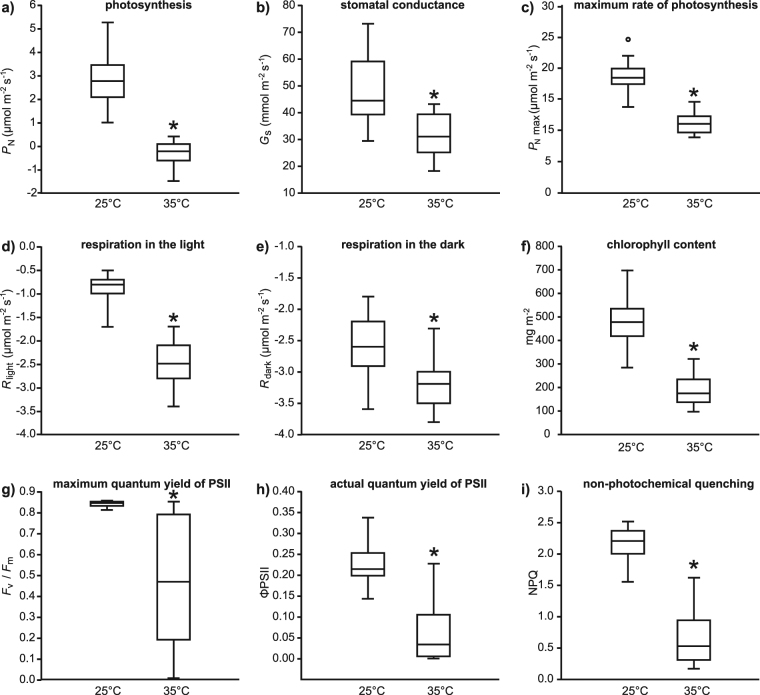
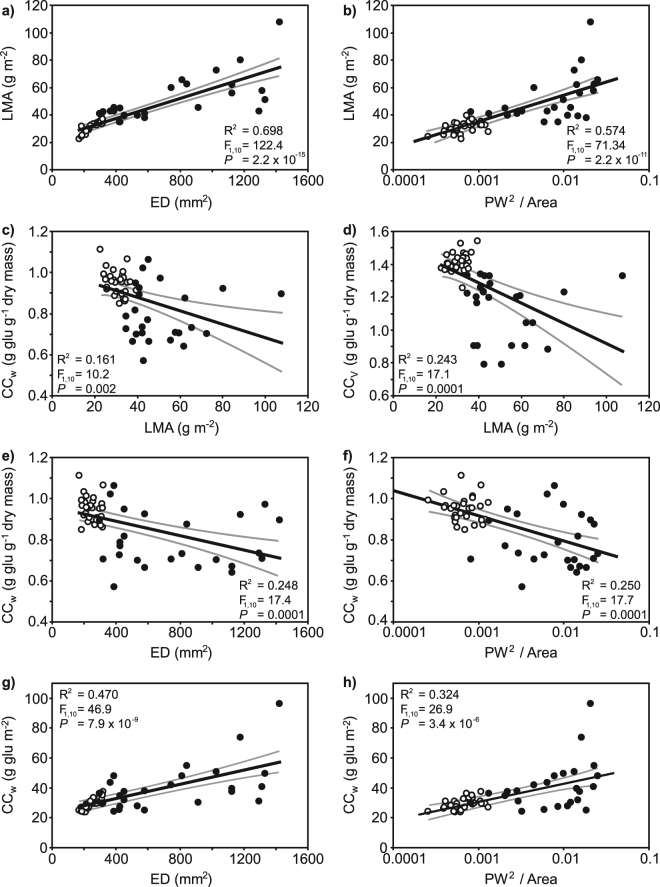
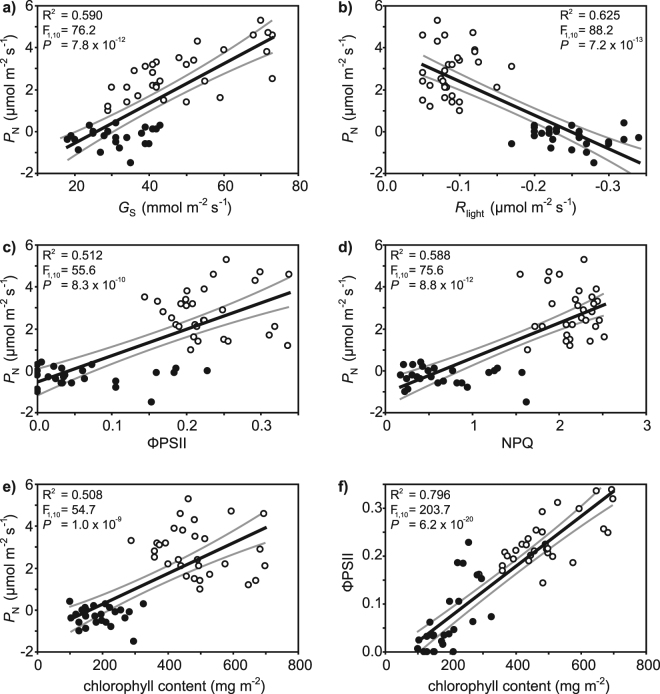
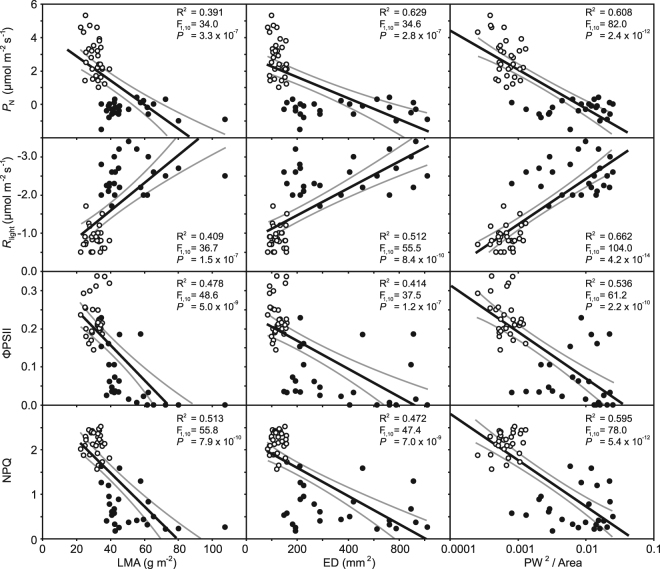
Global warming events have coincided with turnover of plant species at intervals in Earth history. As mean global temperatures rise, the number, frequency and duration of heat-waves will increase. Ginkgo biloba was grown under controlled climatic conditions at two different day/night temperature regimes (25/20 °C and 35/30 °C) to investigate the impact of heat stress. Photosynthetic CO-uptake and electron transport were reduced at the higher temperature, while rates of respiration were greater; suggesting that the carbon balance of the leaves was adversely affected. Stomatal conductance and the potential for evaporative cooling of the leaves was reduced at the higher temperature. Furthermore, the capacity of the leaves to dissipate excess energy was also reduced at 35/30 °C, indicating that photo-protective mechanisms were no longer functioning effectively. Leaf economics were adversely affected by heat stress, exhibiting an increase in leaf mass per area and leaf construction costs. This may be consistent with the selective pressures experienced by fossil Ginkgoales during intervals of global warming such as the Triassic - Jurassic boundary or Early Eocene Climatic Optimum. The physiological and morphological responses of the G. biloba leaves were closely interrelated; these relationships may be used to infer the leaf economics and photosynthetic/stress physiology of fossil plants.
全球变暖事件与地球历史上植物物种更替的时间间隔相吻合。随着全球平均气温的升高,热浪的数量、频率和持续时间将会增加。为了研究热应激的影响,我们将银杏在两种不同的昼夜温度条件(25/20°C 和 35/30°C)下进行了控制气候条件下的生长。在较高温度下,光合作用的 CO 摄取和电子传递减少,而呼吸速率增加;这表明叶片的碳平衡受到了不利影响。在较高温度下,气孔导度和叶片蒸发冷却的潜力降低。此外,叶片耗散过剩能量的能力在 35/30°C 时也降低了,表明光保护机制不再有效。叶片的经济性受到热应激的不利影响,表现为叶面积和叶片构建成本的增加。这可能与化石银杏在全球变暖期间(如三叠纪-侏罗纪边界或早始新世气候最优期)所经历的选择压力相一致。银杏叶片的生理和形态响应密切相关;这些关系可用于推断化石植物的叶片经济性和光合作用/胁迫生理学。