Fernández Marcos, Javaid Faiza, Chudasama Vijay
Department of Chemistry , University College London , London , UK.
Research Institute for Medicines (iMed.ULisboa) , Faculty of Pharmacy , Universidade de Lisboa , Lisbon , Portugal . Email:
Chem Sci. 2017 Dec 18;9(4):790-810. doi: 10.1039/c7sc04004k. eCollection 2018 Jan 28.
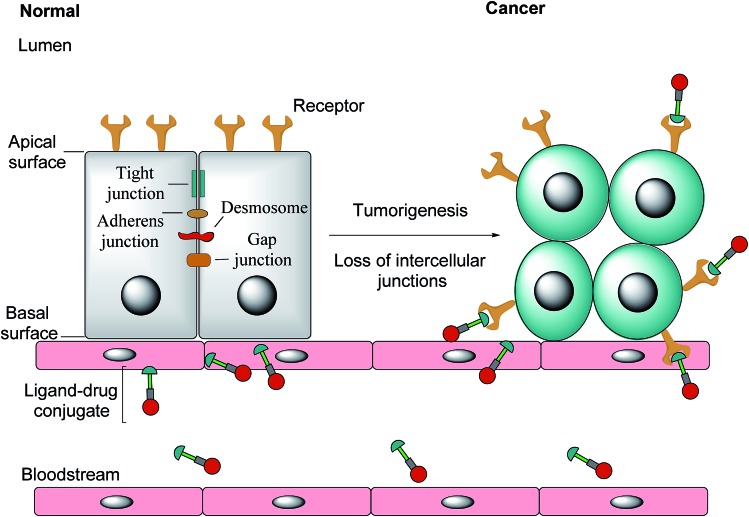
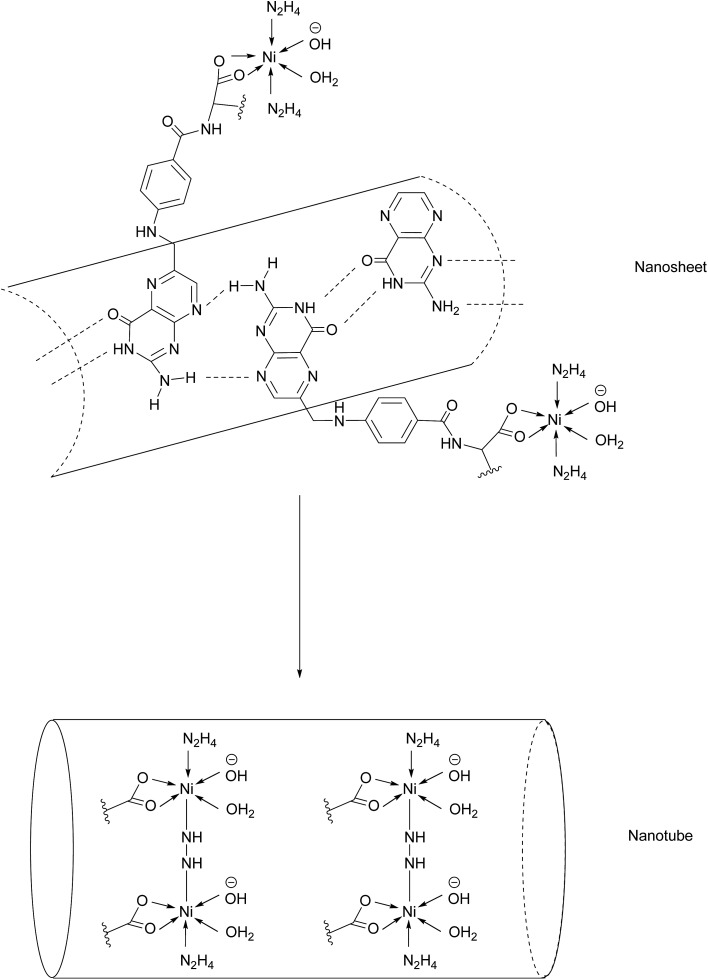
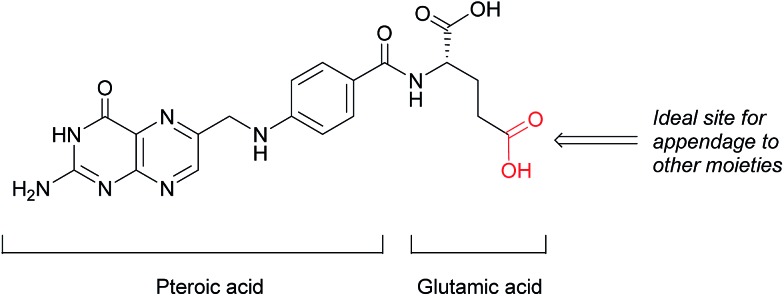
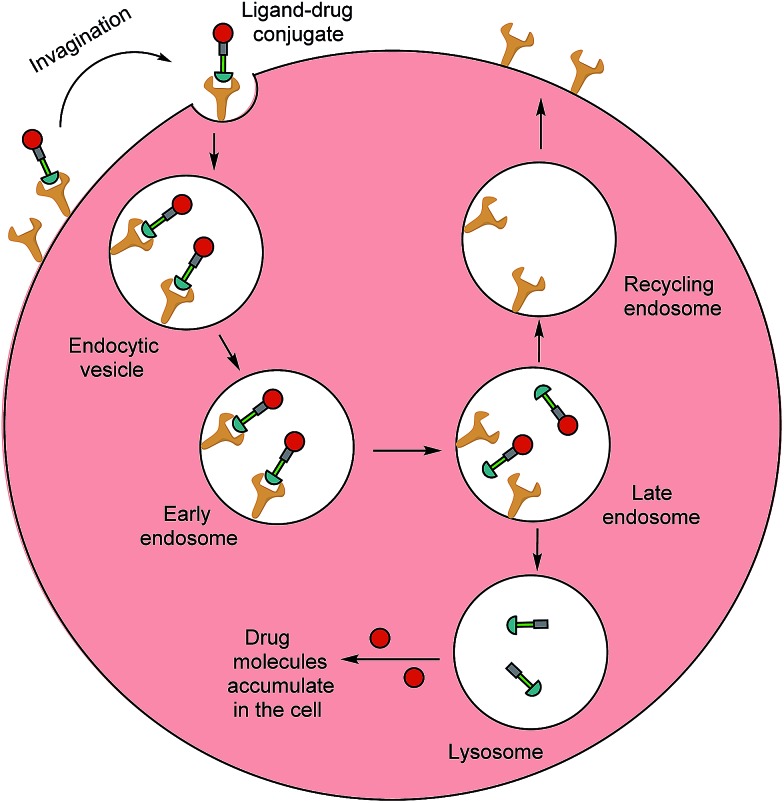
The folate receptor (FR) is a recognised biomarker for tumour cells due to its overexpression on a large number of tumours. Consequently, the FR has been exploited by many diagnostic and therapeutic tools to allow targeted delivery to, and imaging of, cancer cells. Herein, we describe the many different approaches by which this has been achieved, including the attachment of folate to potent chemotherapeutic drugs to form FR-targeting small molecule-drug conjugates (SMDCs), FR-targeting antibodies (as antibody alone and as an antibody-drug conjugate), and in the form of complementary nanotechnology-folate platforms; as well as imaging variants thereof. The potential of exploiting the FR for targeted therapy/imaging has the potential to revolutionise the way several cancers are treated. These FR-targeted technologies can also pave the way for inspiring further sophisticated drug conjugates, especially as this receptor is being targeted by use of several complementary technologies: small molecule, nanoparticle and protein-based - thus providing broad and distinct knowledge in the area.
叶酸受体(FR)因其在大量肿瘤细胞上的过表达而成为公认的肿瘤细胞生物标志物。因此,许多诊断和治疗工具都利用FR来实现对癌细胞的靶向递送和成像。在此,我们描述了实现这一目标的多种不同方法,包括将叶酸与强效化疗药物连接以形成靶向FR的小分子药物偶联物(SMDC)、靶向FR的抗体(单独作为抗体以及作为抗体-药物偶联物),以及以互补的纳米技术-叶酸平台形式;还有其成像变体。利用FR进行靶向治疗/成像的潜力有可能彻底改变几种癌症的治疗方式。这些靶向FR的技术还可为开发更复杂的药物偶联物铺平道路,特别是因为该受体正通过小分子、纳米颗粒和基于蛋白质的几种互补技术进行靶向——从而在该领域提供广泛而独特的知识。