Molteni Monica, Bosi Annalisa, Rossetti Carlo
Dipartimento di Biotecnologie e Scienze della Vita, Università degli Studi dell'Insubria, Via Dunant, 3-21100 Varese, Italy.
Int J Inflam. 2018 Mar 1;2018:2859135. doi: 10.1155/2018/2859135. eCollection 2018.
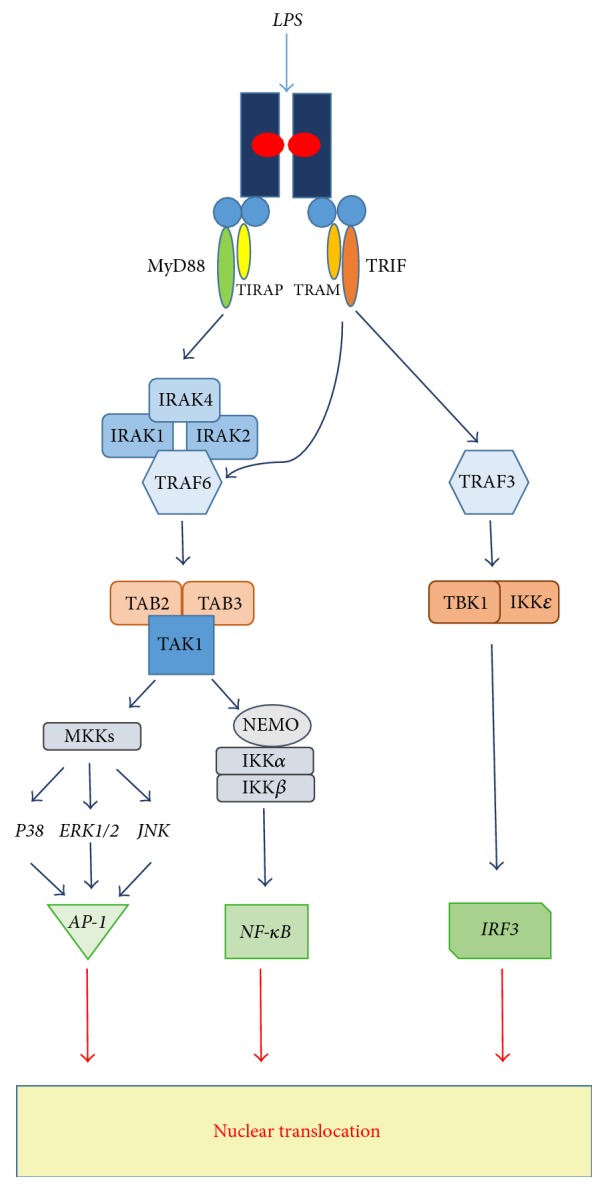
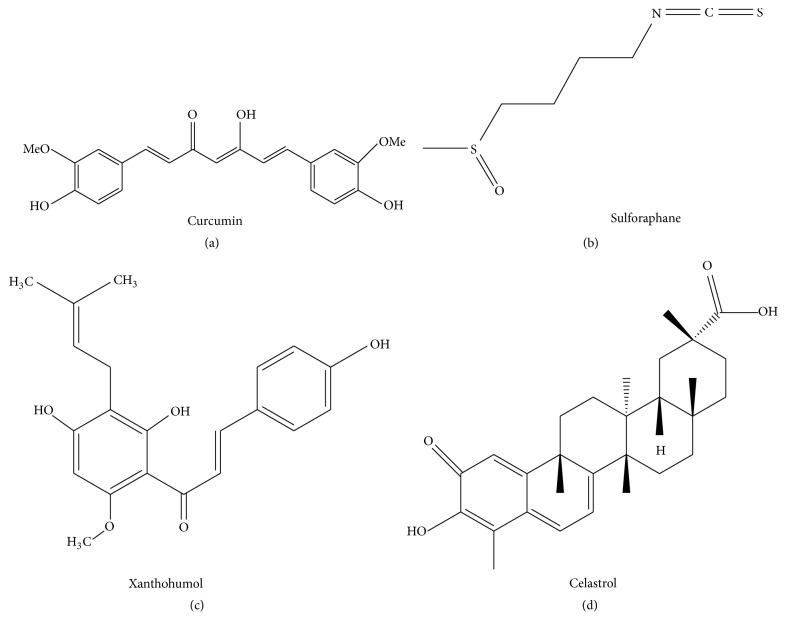
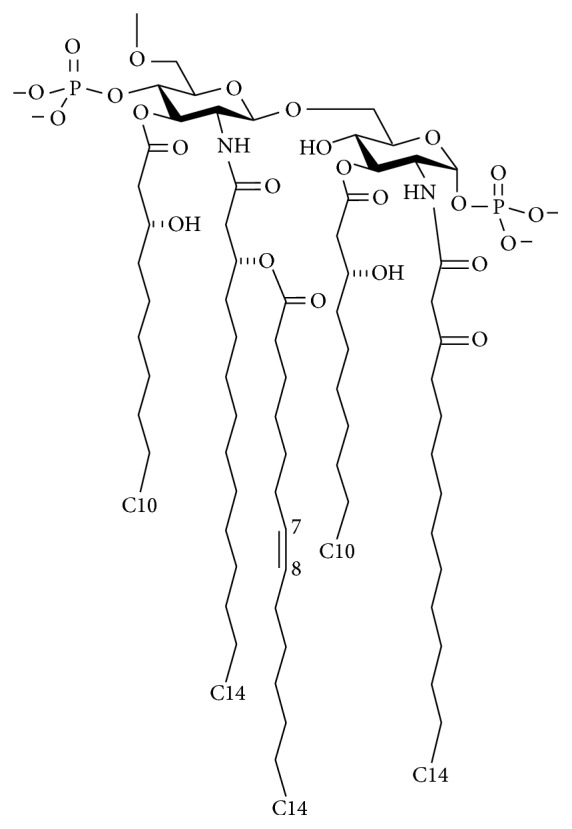
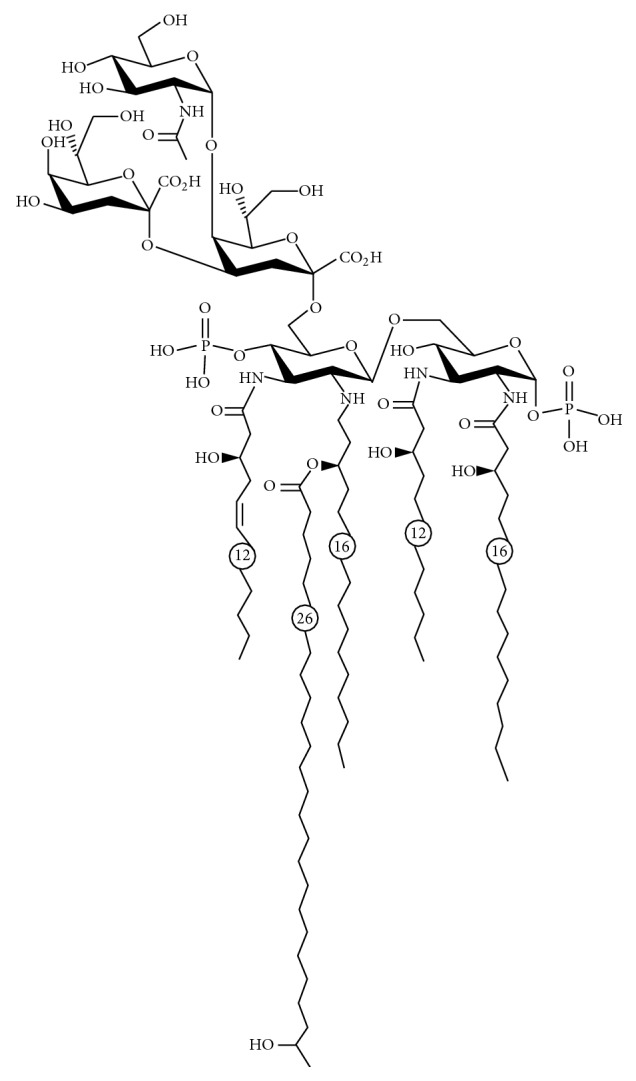
Toll-Like Receptors (TLRs) are the innate immunity receptors that play an activating role when interacting with molecules released by bacteria and viruses (PAMPs, pathogen-associated molecular patterns) or with molecules released by injured cells and tissues (DAMPs, danger-associated molecular patterns). TLR triggering leads to the induction of proinflammatory cytokines and chemokines, driving the activation of both innate and adaptive immunity. In particular, Toll-Like Receptor 4 (TLR4) has been described to be involved in the inflammatory processes observed in several pathologies (such as ischemia/reperfusion injury, neuropathic pain, neurodegenerative diseases, and cancer). Molecules obtained by natural sources have been discovered to exert an anti-inflammatory action by targeting TLR4 activation pathways. This review focuses on TLR4 antagonists obtained from bacteria, cyanobacteria, and plants.
Toll样受体(TLRs)是天然免疫受体,在与细菌和病毒释放的分子(病原体相关分子模式,PAMPs)或受损细胞和组织释放的分子(危险相关分子模式,DAMPs)相互作用时发挥激活作用。TLR触发导致促炎细胞因子和趋化因子的诱导,驱动天然免疫和适应性免疫的激活。特别是,Toll样受体4(TLR4)已被描述参与多种病理状态下观察到的炎症过程(如缺血/再灌注损伤、神经性疼痛、神经退行性疾病和癌症)。已发现从天然来源获得的分子通过靶向TLR4激活途径发挥抗炎作用。本综述重点关注从细菌、蓝细菌和植物中获得的TLR4拮抗剂。