Pallegedara Asankha, Grimm Michael
Department of Industrial Management, Wayamba University of Sri Lanka, Kuliyapitiya, Sri Lanka.
University of Passau, Passau, Germany.
Int J Health Plann Manage. 2018 Apr 26;33(3):e781-97. doi: 10.1002/hpm.2535.
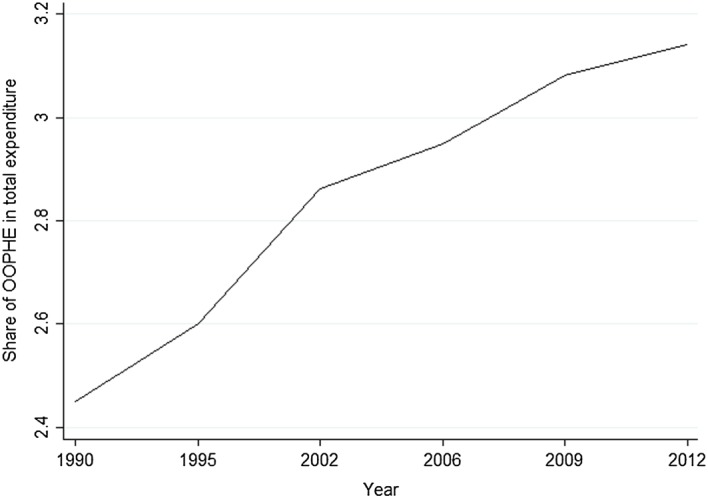
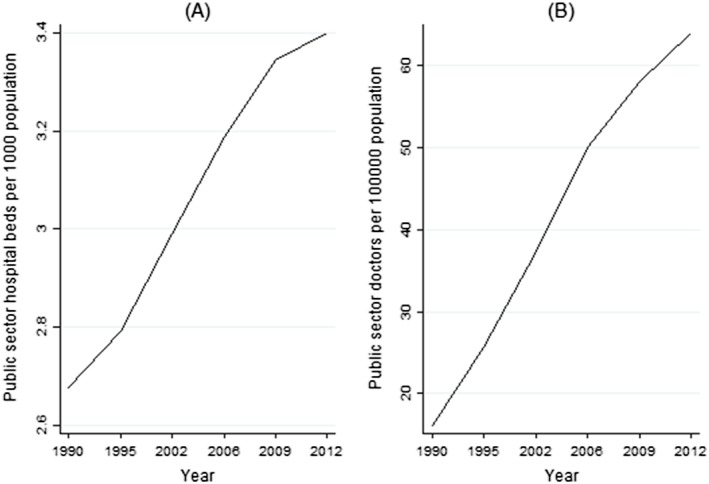
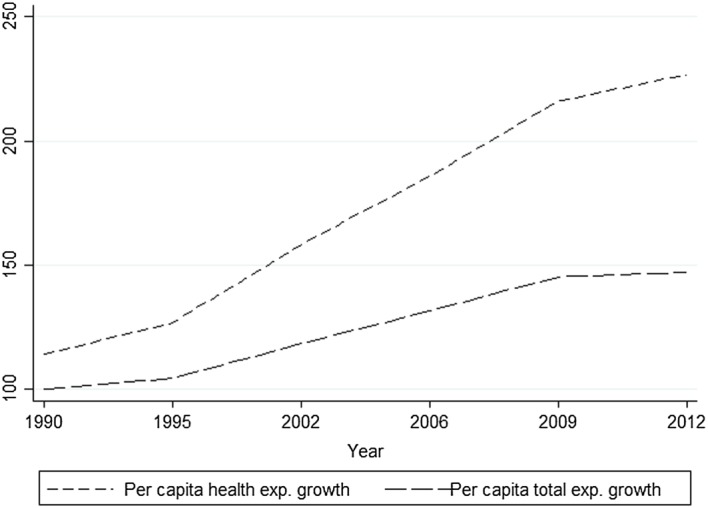
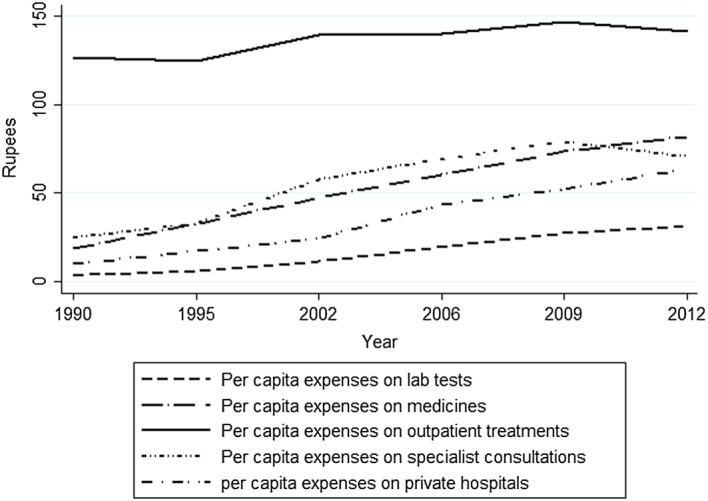
Compared to its neighbors, Sri Lanka performs well in terms of health. Health care is provided for free in the public sector, yet households' out-of-pocket health expenditures are steadily increasing. We explore whether this increase can be explained by supply shortages and insufficient public health care financing or whether it is rather the result of an income-induced demand for supplementary and higher quality services from the private sector. We focus on total health care expenditures and health care expenditures for specific services such as expenses on private outpatient treatments and expenses on laboratory and other diagnostic services. Overall, we find little indication that limited supply of public health care per se pushes patients into the private sector. Yet income is identified as one key driver of rising health care expenditures, ie, as households get richer, they spend an increasing amount on private services suggesting a dissatisfaction with the quality offered by the public sector. Hence, quality improvements in the public sector seem to be necessary to ensure sustainability of the public health care sector. If the rich and the middle class increasingly opt out of public health care, the willingness to pay taxes to finance the free health care policy will certainly shrink.
与邻国相比,斯里兰卡在健康方面表现良好。公共部门提供免费医疗保健,但家庭自掏腰包的医疗支出却在稳步增加。我们探讨这种增加是可以由供应短缺和公共医疗保健资金不足来解释,还是相反,是收入引发的对私营部门补充性和更高质量服务需求的结果。我们关注总医疗保健支出以及特定服务的医疗保健支出,如私人门诊治疗费用和实验室及其他诊断服务费用。总体而言,我们几乎没有发现迹象表明公共医疗保健供应有限本身会将患者推向私营部门。然而,收入被确定为医疗保健支出上升的一个关键驱动因素,也就是说,随着家庭变得更加富有,他们在私人服务上的支出越来越多,这表明对公共部门提供的质量不满意。因此,公共部门的质量提升似乎对于确保公共医疗保健部门的可持续性是必要的。如果富人和中产阶级越来越多地选择退出公共医疗保健,为免费医疗保健政策提供资金的纳税意愿肯定会下降。