Experimental Rheumatology, Department of Rheumatology, Radboud Institute for Molecular Life Sciences, Radboud University Medical Center, Nijmegen, Netherlands.
Front Immunol. 2018 Apr 13;9:742. doi: 10.3389/fimmu.2018.00742. eCollection 2018.
Rheumatoid arthritis (RA) is a chronic and progressive joint disease. It appears that anti-inflammatory feedback mechanisms that could restrain joint inflammation and restore homeostasis are insufficient to perform this control. In this study, we investigated the contribution of the MER tyrosine kinase-mediated anti-inflammatory response on arthritis and whether targeting MER could be a valid approach to treat RA.
KRN serum transfer arthritis (KRN STA) was induced in either -deficient mice or in mice that adenovirally overexpressed . Human synovial micromasses were treated with MER-specific antibodies or PROS1. Collagen-induced arthritis (CIA) mice were treated with MER-specific agonistic antibodies or by viral overexpression of .
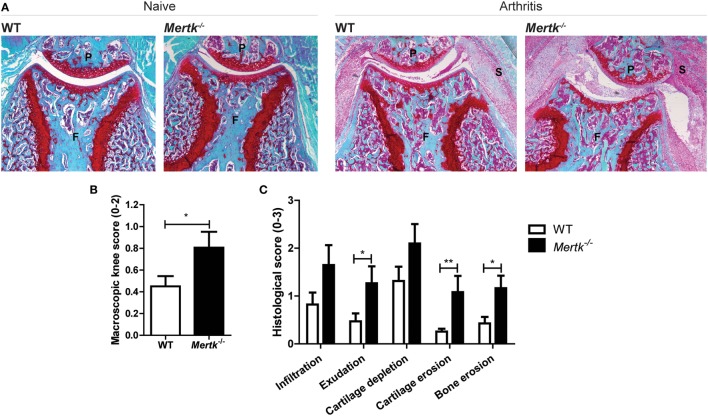
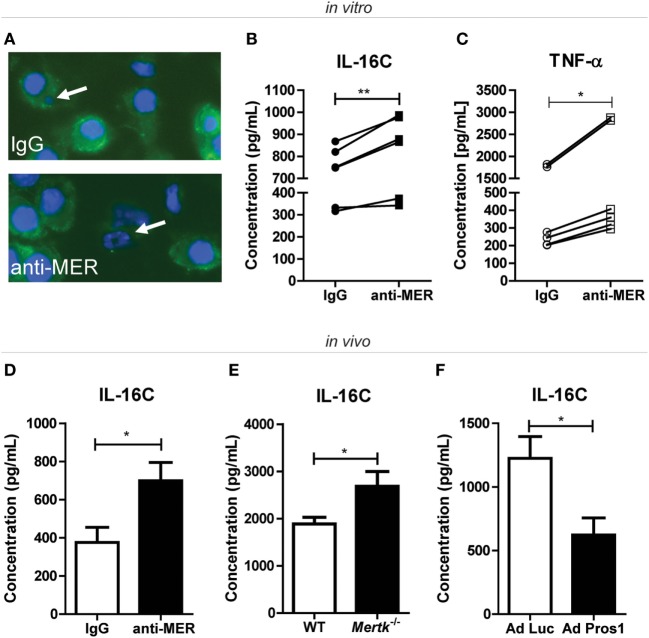
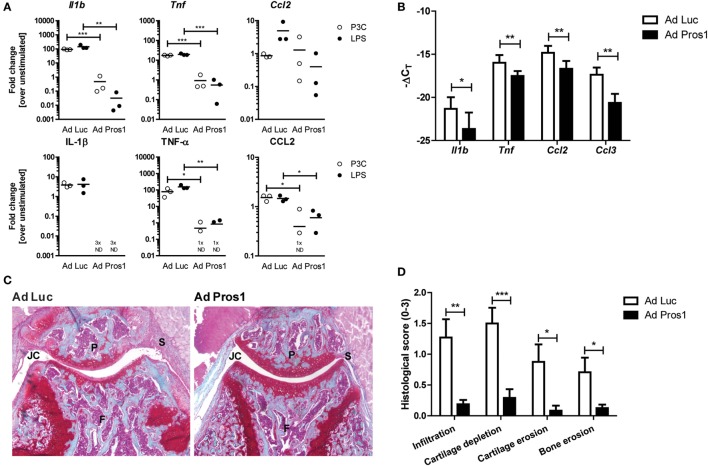
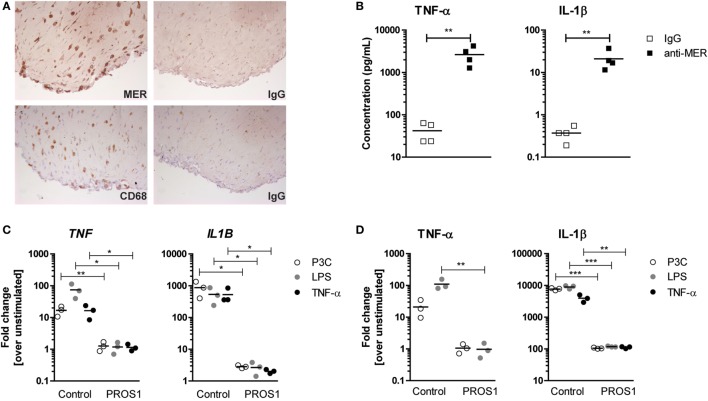
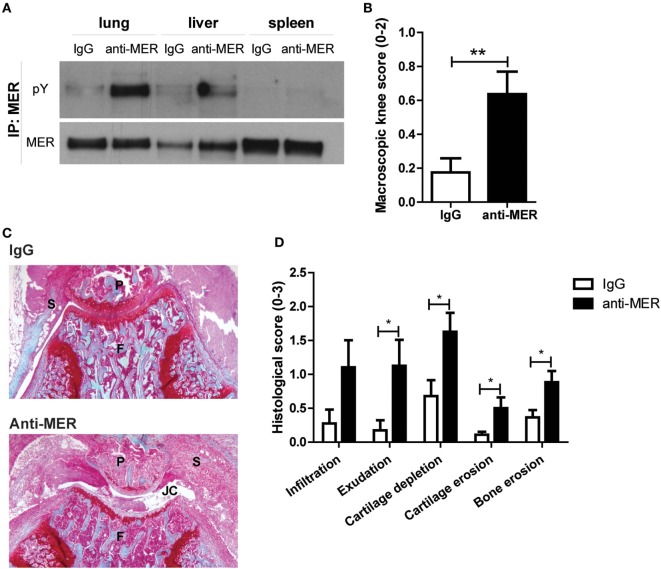
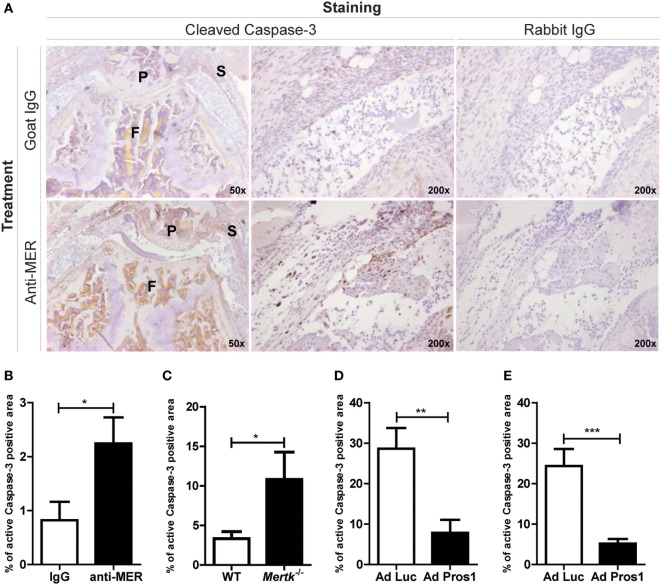
mice showed exacerbated arthritis pathology, whereas overexpression diminished joint pathology in KRN STA. Human synovial micromasses challenged with MER-specific antibodies enhanced the secretion of inflammatory cytokines, whereas stimulating MER with PROS1 reduced the secretion of these cytokines, confirming the protective role of MER. Next, we treated CIA mice with MER-specific agonistic antibodies, and this unexpectedly resulted in exacerbated arthritis pathology. This was associated with increased numbers of apoptotic cells in their knee joints and higher serum levels of interleukin (IL)-16C, a cytokine released by secondary necrotic neutrophils. Apoptotic cell numbers and IL-16C levels were enhanced during arthritis in mice and reduced in -overexpressing mice.
MER plays a protective role during joint inflammation and activating MER by its ligand PROS1 ameliorates disease. Treatment of mice with MER receptor agonistic antibodies is deleterious due to its counterproductive effect of blocking efferocytosis in the arthritic joint.
类风湿关节炎(RA)是一种慢性进行性关节疾病。似乎不足以控制炎症的抗炎反馈机制,不足以抑制关节炎症并恢复体内平衡。在这项研究中,我们研究了 MER 酪氨酸激酶介导的抗炎反应对关节炎的贡献,以及靶向 MER 是否可以成为治疗 RA 的有效方法。
在 -/- 小鼠或过表达 的腺病毒转染小鼠中诱导 KRN 血清转移关节炎(KRN STA)。用 MER 特异性抗体或 PROS1 处理人滑膜微球体。用 MER 特异性激动性抗体或过表达 治疗胶原诱导关节炎(CIA)小鼠。
-/- 小鼠关节炎病理加重,而过表达则减轻 KRN STA 的关节病理。用 MER 特异性抗体刺激人滑膜微球体增强了促炎细胞因子的分泌,而用 PROS1 刺激 MER 则减少了这些细胞因子的分泌,证实了 MER 的保护作用。接下来,我们用 MER 特异性激动性抗体治疗 CIA 小鼠,出乎意料的是,这导致关节炎病理加重。这与膝关节中凋亡细胞数量增加以及血清中白细胞介素(IL)-16C 水平升高有关,IL-16C 是由继发性坏死中性粒细胞释放的细胞因子。-/- 小鼠关节炎时凋亡细胞数量和 IL-16C 水平升高,而过表达小鼠则降低。
MER 在关节炎症中发挥保护作用,其配体 PROS1 激活 MER 可改善疾病。用 MER 受体激动性抗体治疗小鼠是有害的,因为它会阻碍关节炎关节中的吞噬作用,产生适得其反的效果。