Cortellini Alessio, Parisi Alessandro, Fargnoli Maria Concetta, Cannita Katia, Irelli Azzurra, Porzio Giampiero, Martinazzo Claudio, Ficorella Corrado
Medical Oncology Unit, St. Salvatore Hospital, L'Aquila, Italy.
Department of Biotechnological and Applied Clinical Sciences, University of L'Aquila, L'Aquila, Italy.
Case Rep Oncol Med. 2018 Mar 8;2018:2783917. doi: 10.1155/2018/2783917. eCollection 2018.
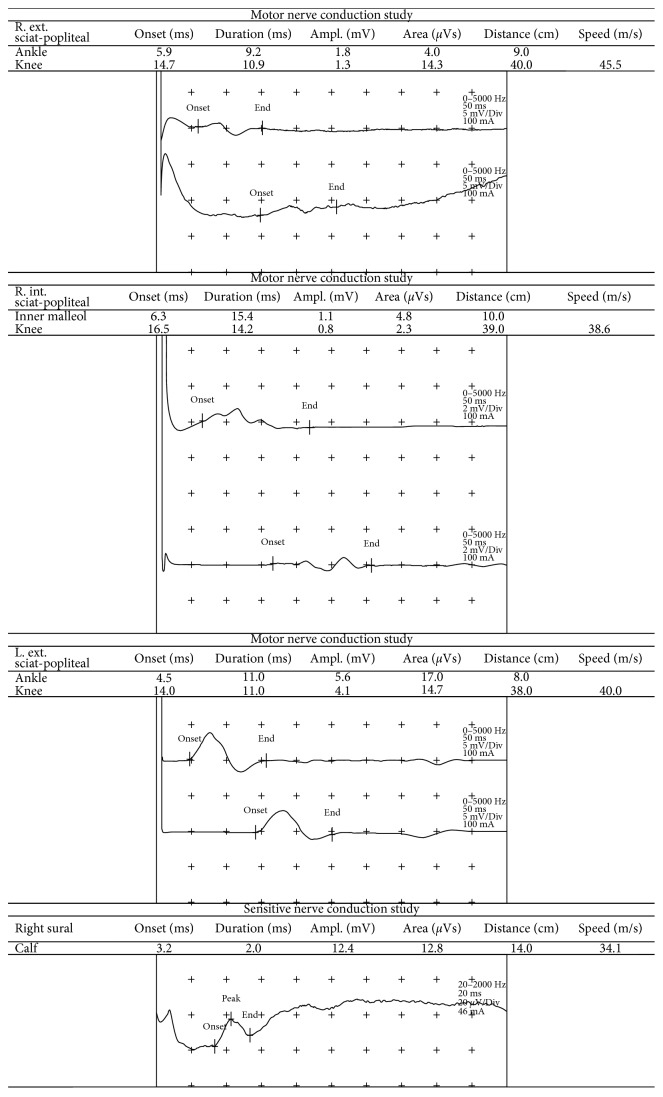
Patients with autoimmune diseases were not evaluated in clinical trials with immune checkpoint inhibitors (ICIs), since a history of immune disorders, such as Guillain-Barré syndrome (GBS) and psoriasis, is one of the major risk factors for the development of immune-related adverse events (irAEs). This risk cannot be defined; therefore, physicians are called to manage these patients in clinical practice.
We report the case of a 62-year-old male patient affected by metastatic melanoma, with a history of GBS and psoriasis, and treated with sequential ipilimumab, pembrolizumab, and nivolumab, without significant toxicities.
This case report supports that although a history of immune disorders is one of the major risk factors for development of irAEs, in some patients, it could be possible to safely administer sequential treatments with ICIs. A proper decision should be made, considering therapeutic options, disease-related risks, and those related to a recurrence of preexisting autoimmune disorders.