Vrettos Eirinaios I, Mező Gábor, Tzakos Andreas G
University of Ioannina, Department of Chemistry, Section of Organic Chemistry and Biochemistry, Ioannina, GR-45110, Greece.
Eötvös Loránd University, Faculty of Science, Institute of Chemistry, Pázmány P. stny. 1/A, H-1117 Budapest, Hungary.
Beilstein J Org Chem. 2018 Apr 26;14:930-954. doi: 10.3762/bjoc.14.80. eCollection 2018.
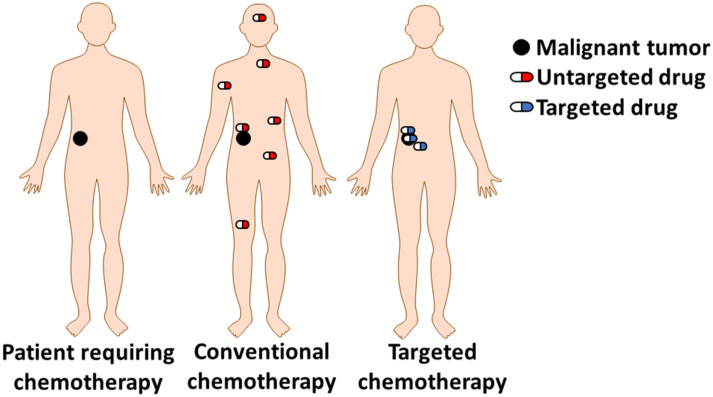
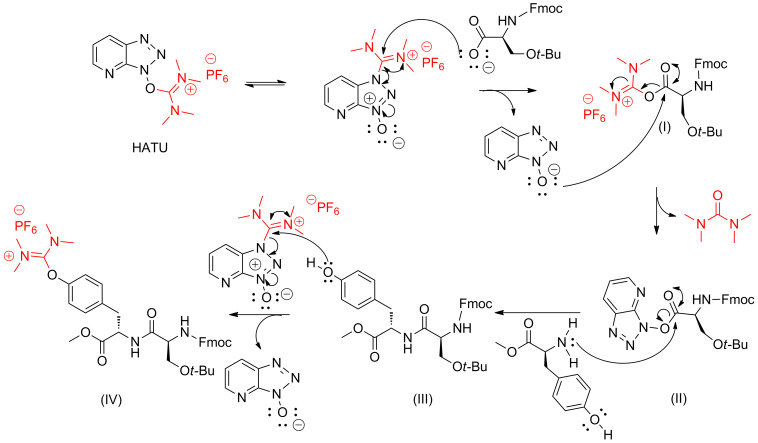
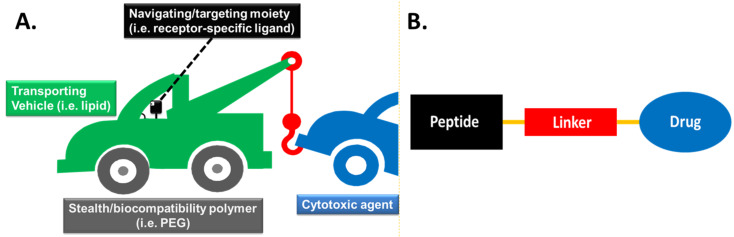
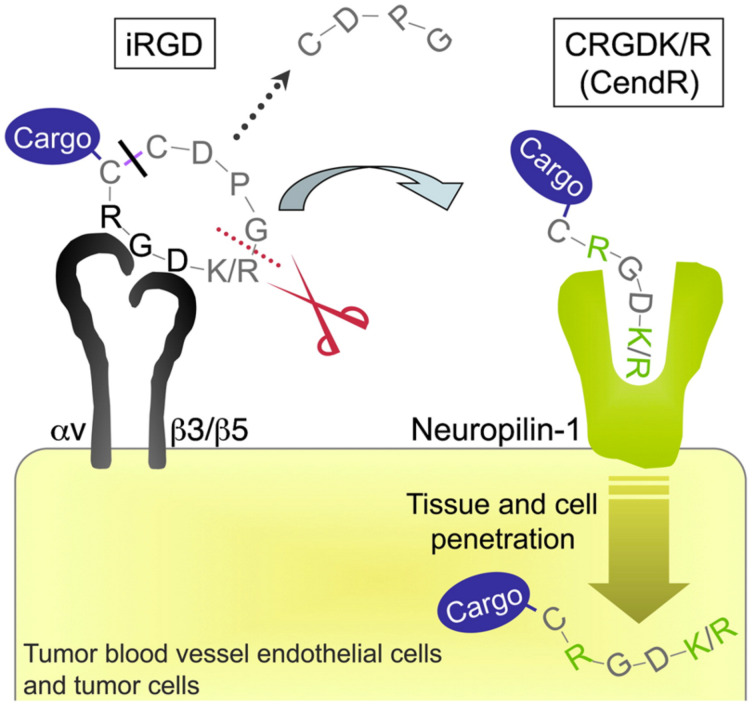
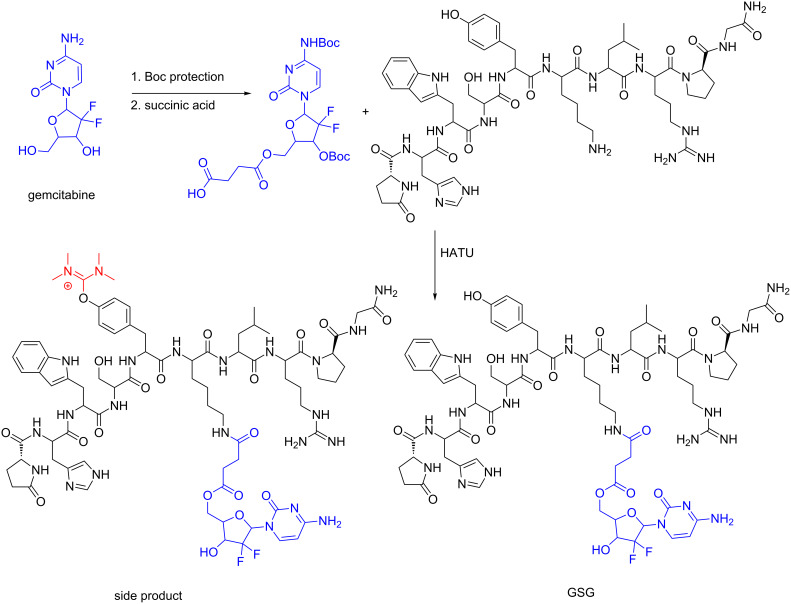
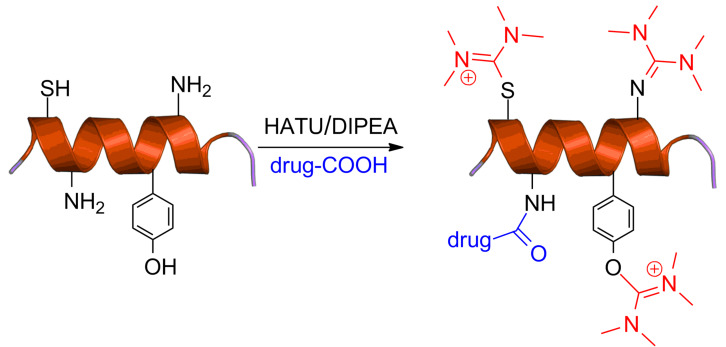
Cancer is the second leading cause of death affecting nearly one in two people, and the appearance of new cases is projected to rise by >70% by 2030. To effectively combat the menace of cancer, a variety of strategies have been exploited. Among them, the development of peptide-drug conjugates (PDCs) is considered as an inextricable part of this armamentarium and is continuously explored as a viable approach to target malignant tumors. The general architecture of PDCs consists of three building blocks: the tumor-homing peptide, the cytotoxic agent and the biodegradable connecting linker. The aim of the current review is to provide a spherical perspective on the basic principles governing PDCs, as also the methodology to construct them. We aim to offer basic and integral knowledge on the rational design towards the construction of PDCs through analyzing each building block, as also to highlight the overall progress of this rapidly growing field. Therefore, we focus on several intriguing examples from the recent literature, including important PDCs that have progressed to phase III clinical trials. Last, we address possible difficulties that may emerge during the synthesis of PDCs, as also report ways to overcome them.
癌症是第二大致死原因,几乎每两个人中就有一人受其影响,预计到2030年新病例的出现将增加70%以上。为了有效对抗癌症的威胁,人们采用了多种策略。其中,肽-药物偶联物(PDC)的开发被认为是这一武器库中不可或缺的一部分,并且作为一种靶向恶性肿瘤的可行方法不断被探索。PDC的一般结构由三个组成部分:肿瘤归巢肽、细胞毒性剂和可生物降解的连接子。本综述的目的是从整体角度提供关于PDC基本原理以及构建方法的介绍。我们旨在通过分析每个组成部分,提供关于构建PDC合理设计的基础和完整知识,同时突出这一快速发展领域的整体进展。因此,我们关注近期文献中的几个有趣例子,包括已进入III期临床试验的重要PDC。最后,我们讨论了PDC合成过程中可能出现的困难,并报告了克服这些困难的方法。