Sobell Department of Motor Neuroscience and Movement Disorders, UCL Institute of Neurology, Queen Square, London WC1N 3BG, UK; MRC Centre for Neuromuscular Diseases, UCL Institute of Neurology, Queen Square, London WC1N 3BG, UK.
Department of Molecular Neuroscience, UCL Institute of Neurology, Queen Square, London WC1N 3BG, UK.
Neurobiol Dis. 2018 Sep;117:1-14. doi: 10.1016/j.nbd.2018.05.008. Epub 2018 May 18.
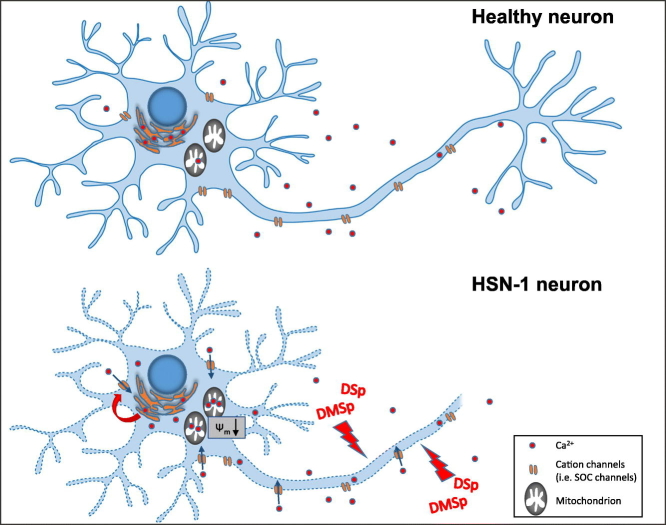
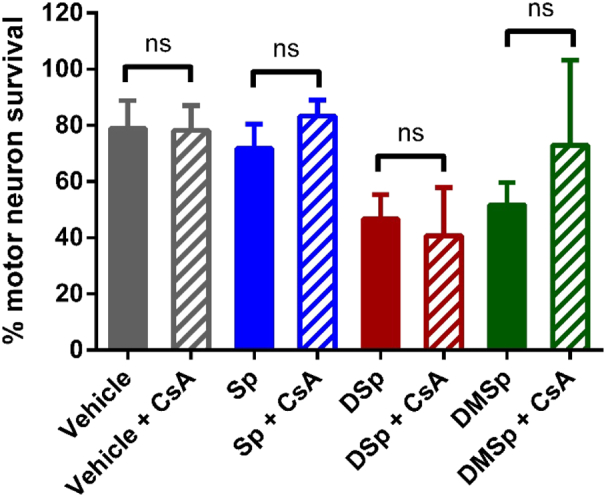
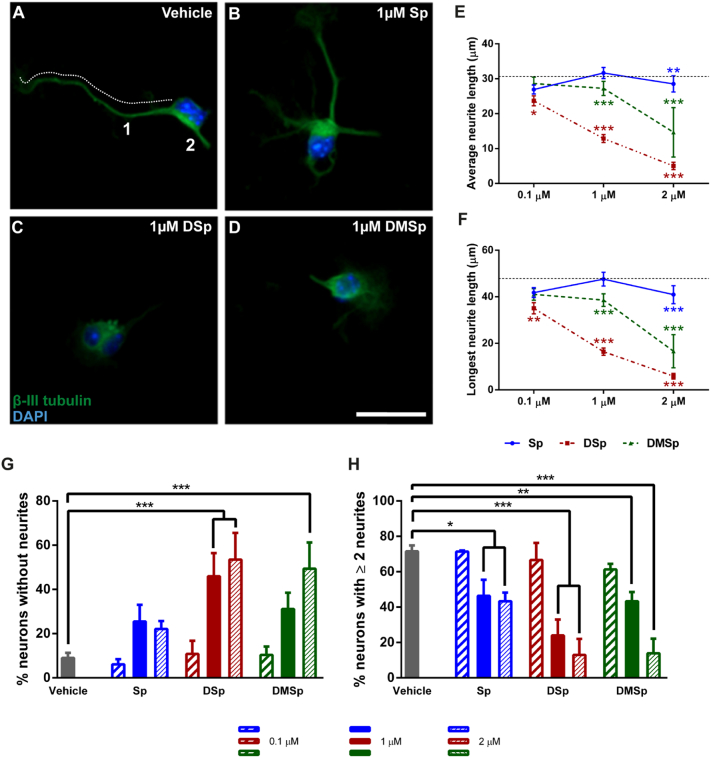
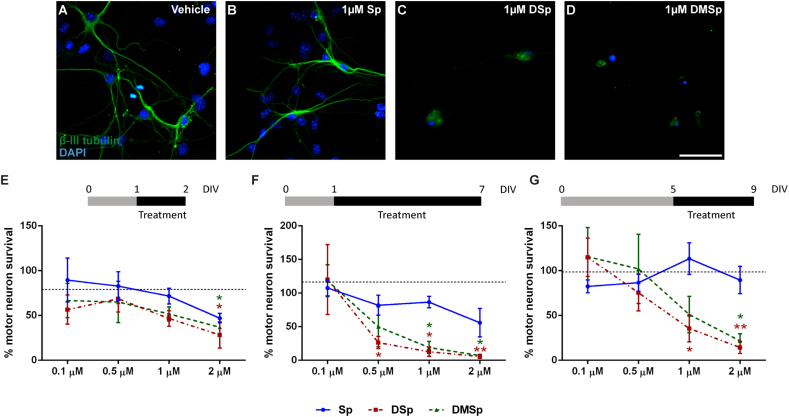
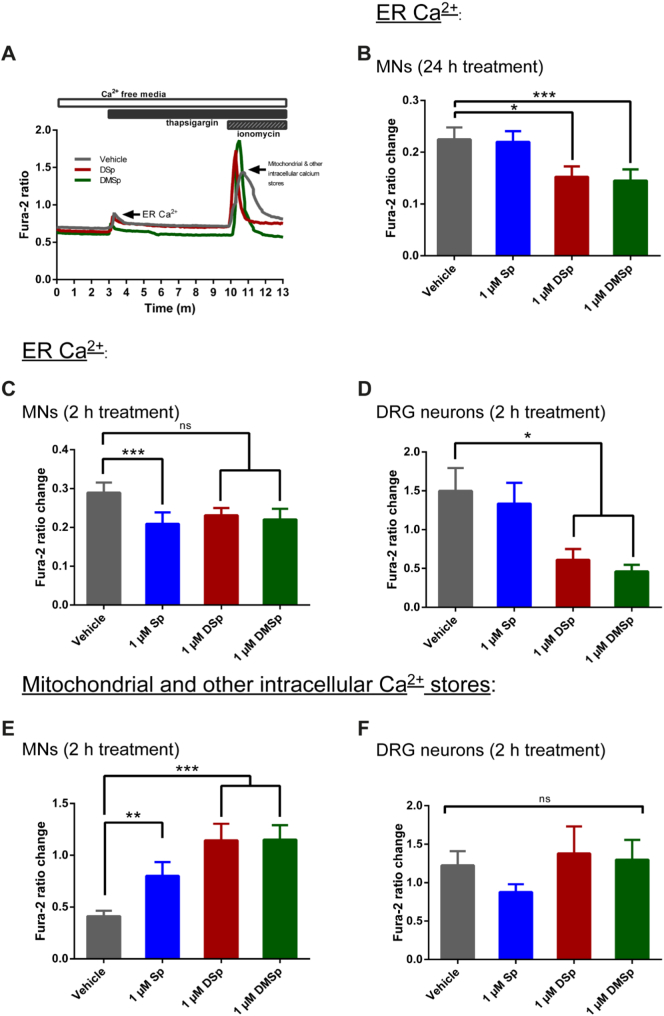
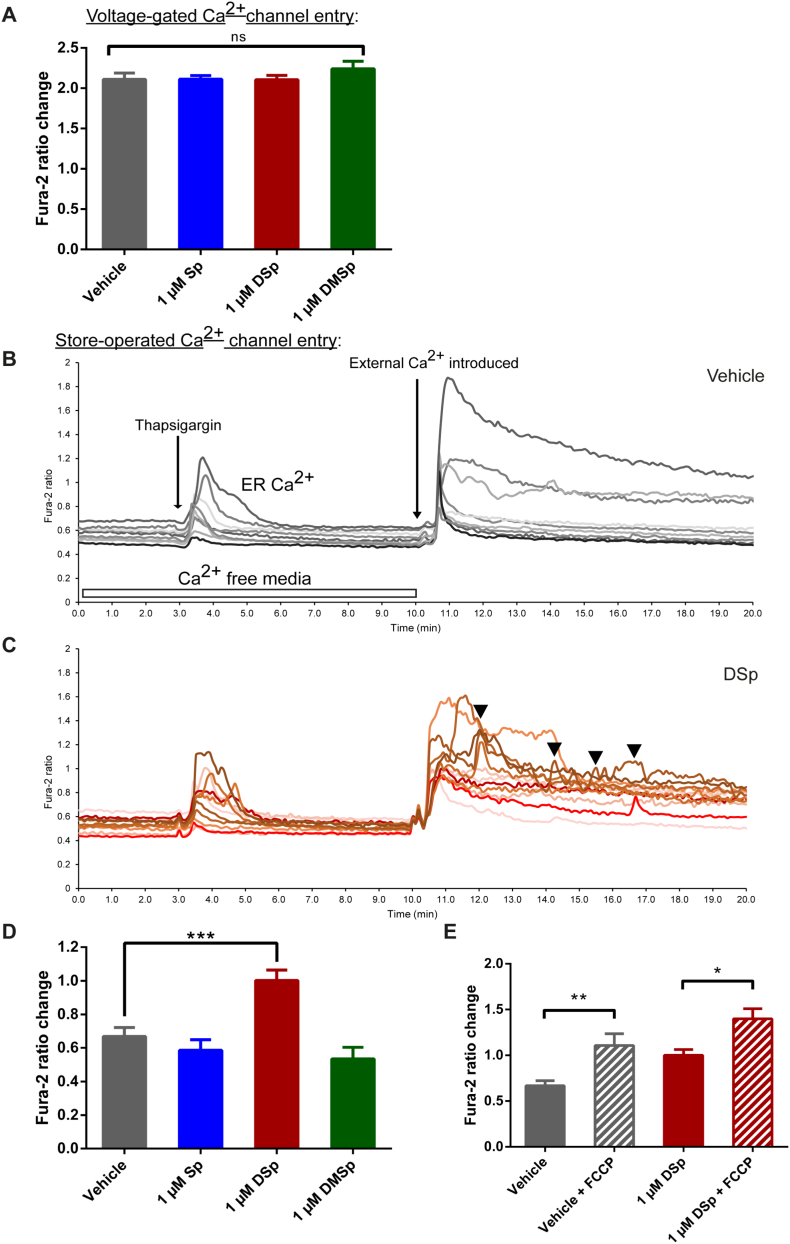
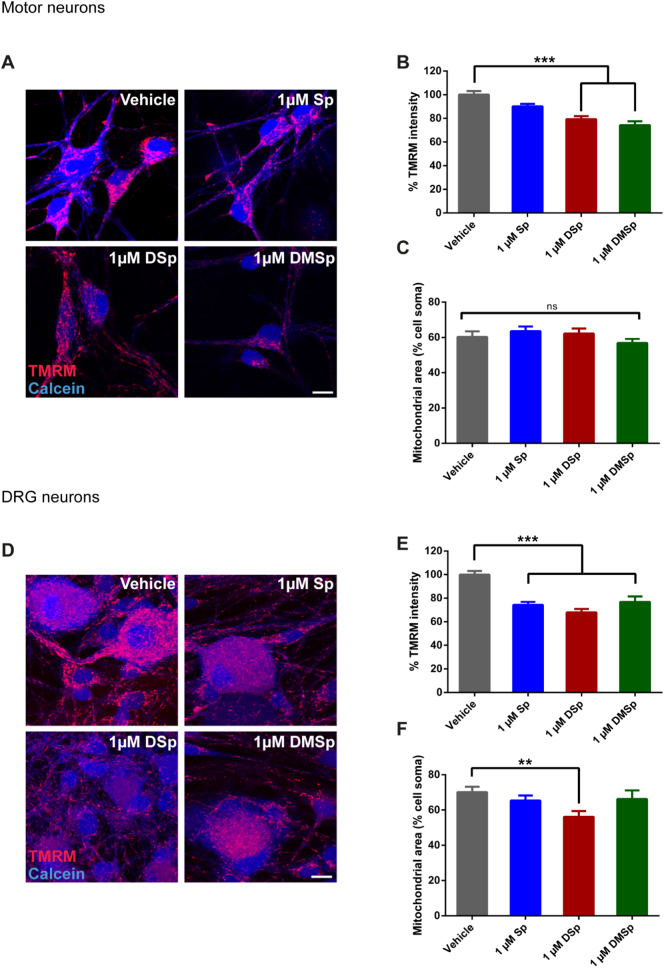
Hereditary sensory neuropathy type 1 (HSN-1) is a peripheral neuropathy most frequently caused by mutations in the SPTLC1 or SPTLC2 genes, which code for two subunits of the enzyme serine palmitoyltransferase (SPT). SPT catalyzes the first step of de novo sphingolipid synthesis. Mutations in SPT result in a change in enzyme substrate specificity, which causes the production of atypical deoxysphinganine and deoxymethylsphinganine, rather than the normal enzyme product, sphinganine. Levels of these abnormal compounds are elevated in blood of HSN-1 patients and this is thought to cause the peripheral motor and sensory nerve damage that is characteristic of the disease, by a largely unresolved mechanism. In this study, we show that exogenous application of these deoxysphingoid bases causes dose- and time-dependent neurotoxicity in primary mammalian neurons, as determined by analysis of cell survival and neurite length. Acutely, deoxysphingoid base neurotoxicity manifests in abnormal Ca handling by the endoplasmic reticulum (ER) and mitochondria as well as dysregulation of cell membrane store-operated Ca channels. The changes in intracellular Ca handling are accompanied by an early loss of mitochondrial membrane potential in deoxysphingoid base-treated motor and sensory neurons. Thus, these results suggest that exogenous deoxysphingoid base application causes neuronal mitochondrial dysfunction and Ca handling deficits, which may play a critical role in the pathogenesis of HSN-1.
遗传性感觉神经病 1 型(HSN-1)是一种周围神经病,最常由丝氨酸棕榈酰转移酶(SPT)的两个亚基 SPTLC1 或 SPTLC2 基因的突变引起。SPT 催化从头合成鞘脂的第一步。SPT 的突变导致酶底物特异性发生变化,导致产生非典型的去氧鞘氨醇和去甲甲基鞘氨醇,而不是正常的酶产物鞘氨醇。HSN-1 患者血液中这些异常化合物的水平升高,据推测,这通过一种尚未完全阐明的机制引起疾病特征性的周围运动和感觉神经损伤。在这项研究中,我们表明,这些脱氧鞘氨醇碱基的外源性应用会导致原代哺乳动物神经元产生剂量和时间依赖性的神经毒性,这可以通过细胞存活和神经突长度的分析来确定。急性情况下,脱氧鞘氨醇碱基的神经毒性表现为内质网(ER)和线粒体中异常的 Ca 处理以及细胞膜储存操作 Ca 通道的失调。细胞内 Ca 处理的变化伴随着脱氧鞘氨醇碱基处理的运动和感觉神经元中线粒体膜电位的早期丧失。因此,这些结果表明,外源性脱氧鞘氨醇碱基的应用导致神经元线粒体功能障碍和 Ca 处理缺陷,这可能在 HSN-1 的发病机制中起关键作用。