Department of Biological Sciences, Towson University, Towson, Maryland, United States of America.
PLoS One. 2018 Jun 1;13(6):e0197166. doi: 10.1371/journal.pone.0197166. eCollection 2018.
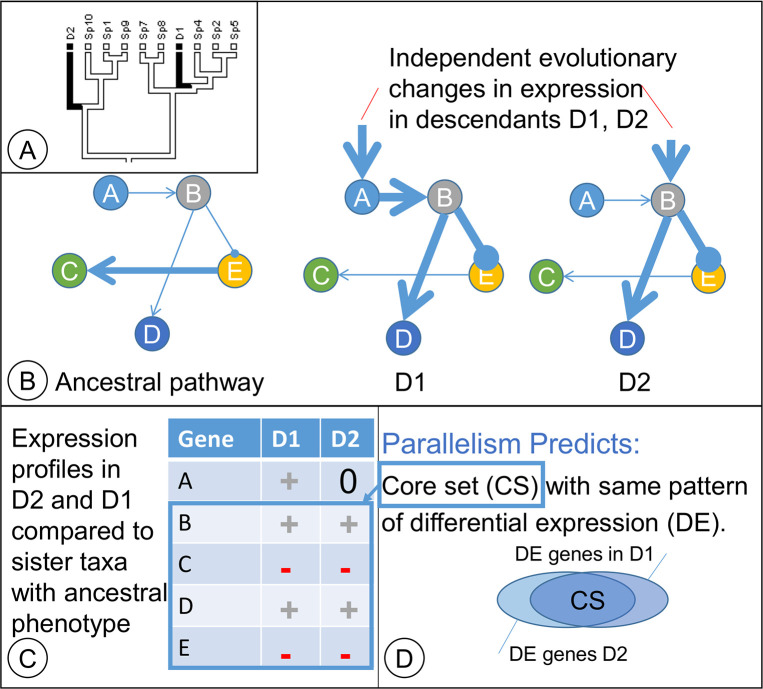
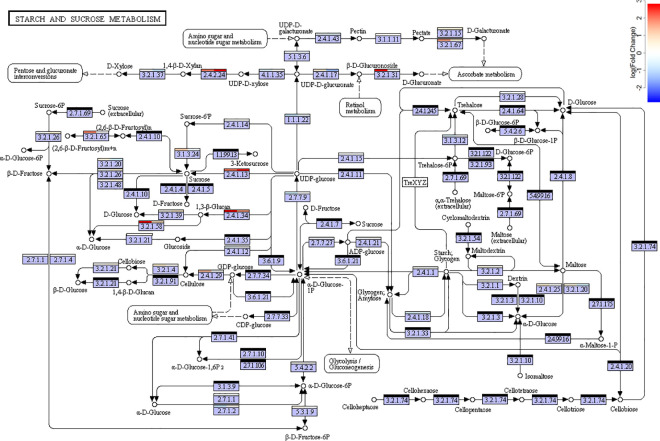
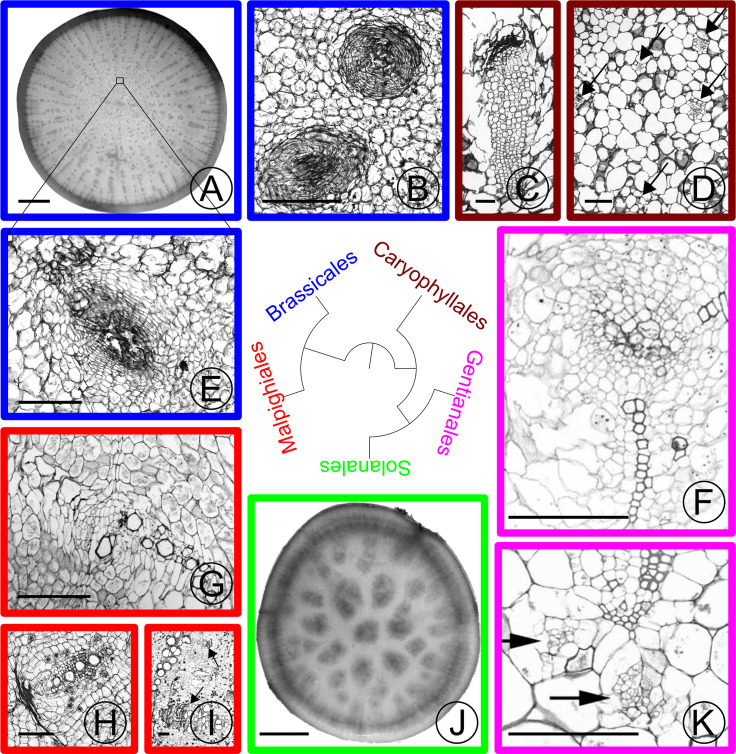
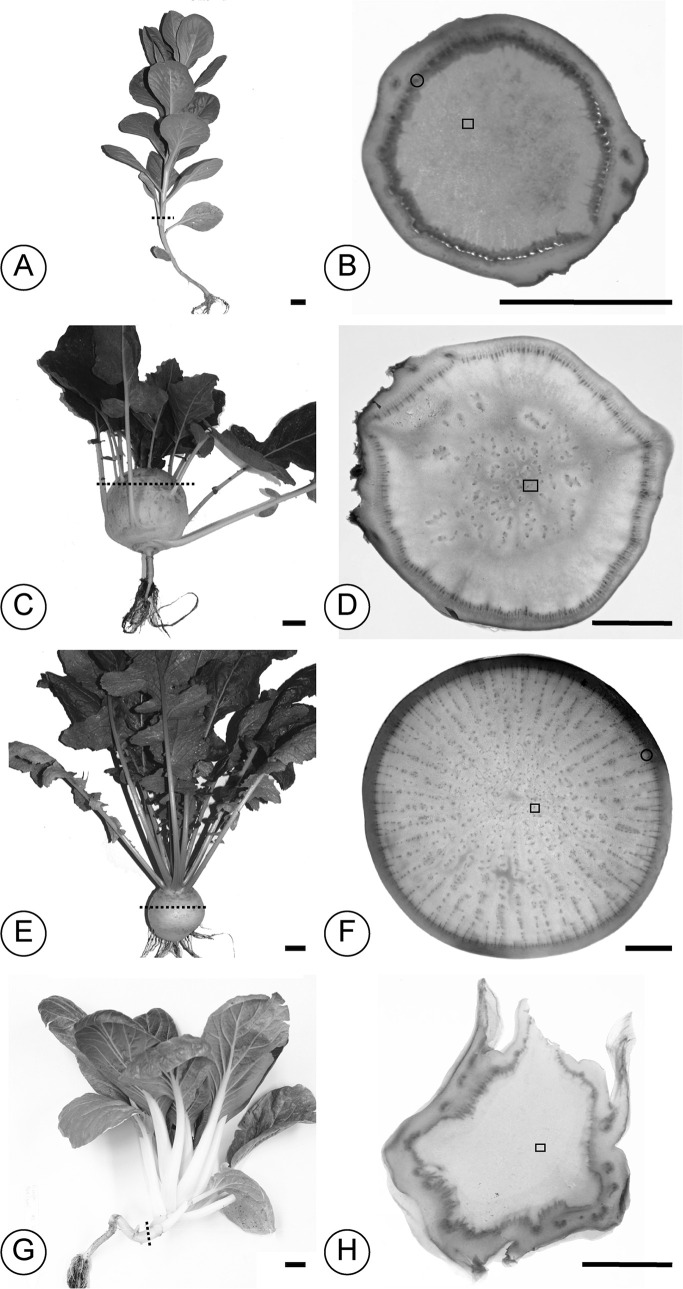
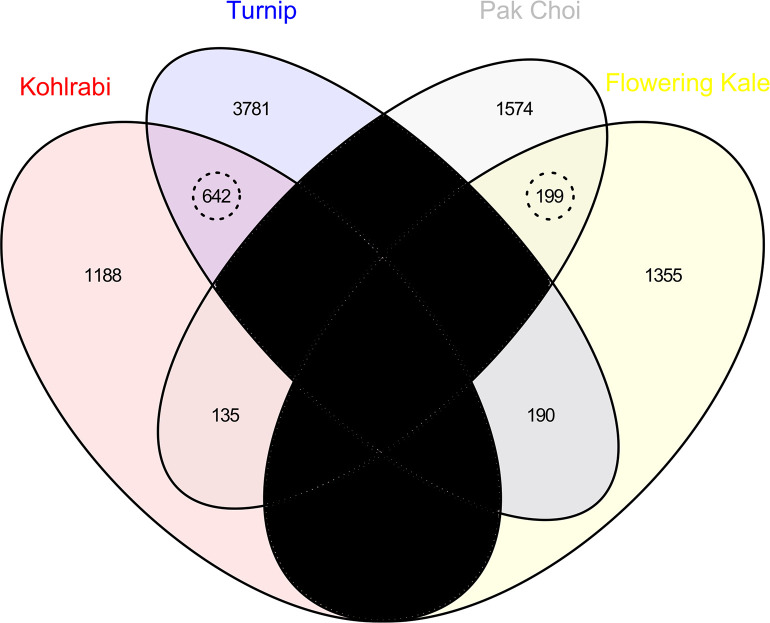
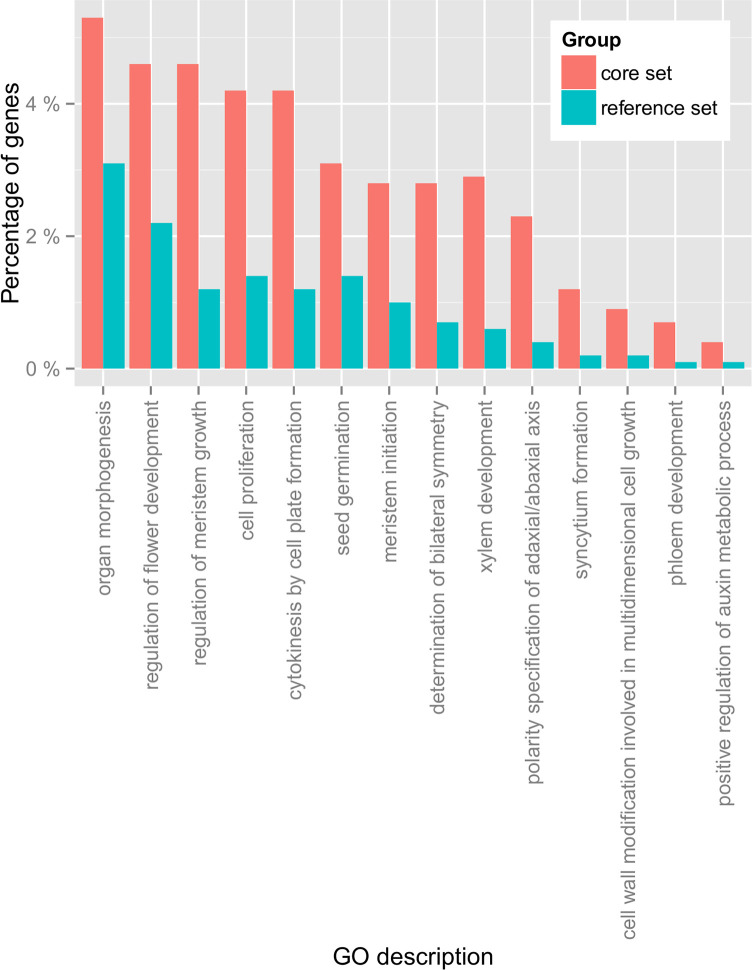
Plant succulence provides a classic example of evolutionary convergence in over 40 plant families. If evolutionary parallelism is in fact responsible for separate evolutionary origins of expanded storage tissues in stems, hypocotyls, and roots, we expect similar gene expression profiles in stem and hypocotyl / root tubers. We analyzed RNA-Seq transcript abundance patterns in stem and hypocotyl / root tubers of the Brassica crops kohlrabi (B. oleracea) and turnip (B. rapa) and compared their transcript expression profiles to those in the conspecific thin-stemmed and thin-rooted crops flowering kale and pak choi, respectively. Across these four cultivars, 38,192 expressed gene loci were identified. Of the 3,709 differentially-expressed genes (DEGs) in the turnip: pak choi comparison and the 6,521 DEGs in the kohlrabi: kale comparison, turnips and kohlrabies share a statistically disproportionate overlap of 841 DEG homologs in their tubers (p value < 1e-10). This overlapping set is statistically enriched in biochemical functions that are also associated with tuber induction in potatoes and sweet potatoes: sucrose metabolism, lipoxygenases, auxin metabolism, and meristem development. These shared expression profiles in tuberous stems and root / hypocotyls in Brassica suggest parallel employment of shared molecular genetic pathways during the evolution of tubers in stems, hypocotyls and roots of Brassica crops and more widely in other tuberous plants as well.
植物肉质组织为 40 多个植物科的进化趋同提供了一个经典范例。如果进化平行确实是导致茎、下胚轴和根中扩展储存组织的独立进化起源的原因,我们预计在茎和下胚轴/根块茎中会有相似的基因表达谱。我们分析了芸薹属作物羽衣甘蓝(B.oleracea)和芜菁(B.rapa)的茎和下胚轴/根块茎的 RNA-Seq 转录丰度模式,并将其转录表达谱与同属的薄茎和细根作物花椰菜和白菜进行了比较。在这四个品种中,鉴定出了 38192 个表达基因座。在芜菁与白菜的比较中,有 3709 个差异表达基因(DEGs),在羽衣甘蓝与花椰菜的比较中,有 6521 个 DEGs,芜菁和羽衣甘蓝在块茎中有 841 个 DEG 同源物的重叠比例不成比例(p 值<1e-10)。这个重叠的基因集在生化功能上是富集的,这些功能也与块茎在马铃薯和甘薯中的诱导有关:蔗糖代谢、脂氧合酶、生长素代谢和分生组织发育。这些在芸薹属肉质茎和根/下胚轴中的共同表达模式表明,在芸薹属作物的茎、下胚轴和根中以及更广泛的其他肉质植物中,共享分子遗传途径在块茎的进化中平行使用。