University of Exeter Medical School, UK.
Centre for Population Health Research, University of South Australia, Adelaide, Australia.
J Alzheimers Dis. 2018;64(1):181-193. doi: 10.3233/JAD-180013.
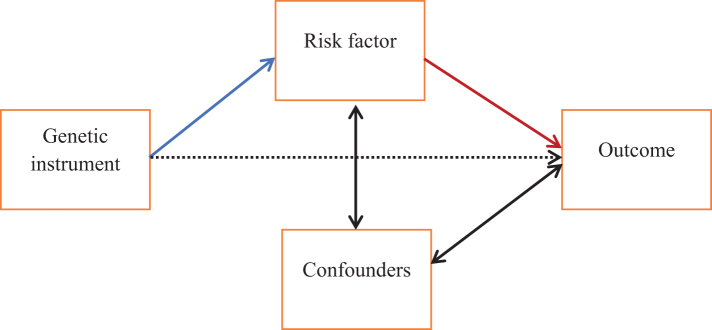
Numerous risk factors for dementia are well established, though the causal nature of these associations remains unclear.
To systematically review Mendelian randomization (MR) studies investigating causal relationships between risk factors and global cognitive function or dementia.
We searched five databases from inception to February 2017 and conducted citation searches including MR studies investigating the association between any risk factor and global cognitive function, all-cause dementia or dementia subtypes. Two reviewers independently assessed titles and abstracts, full-texts, and study quality.
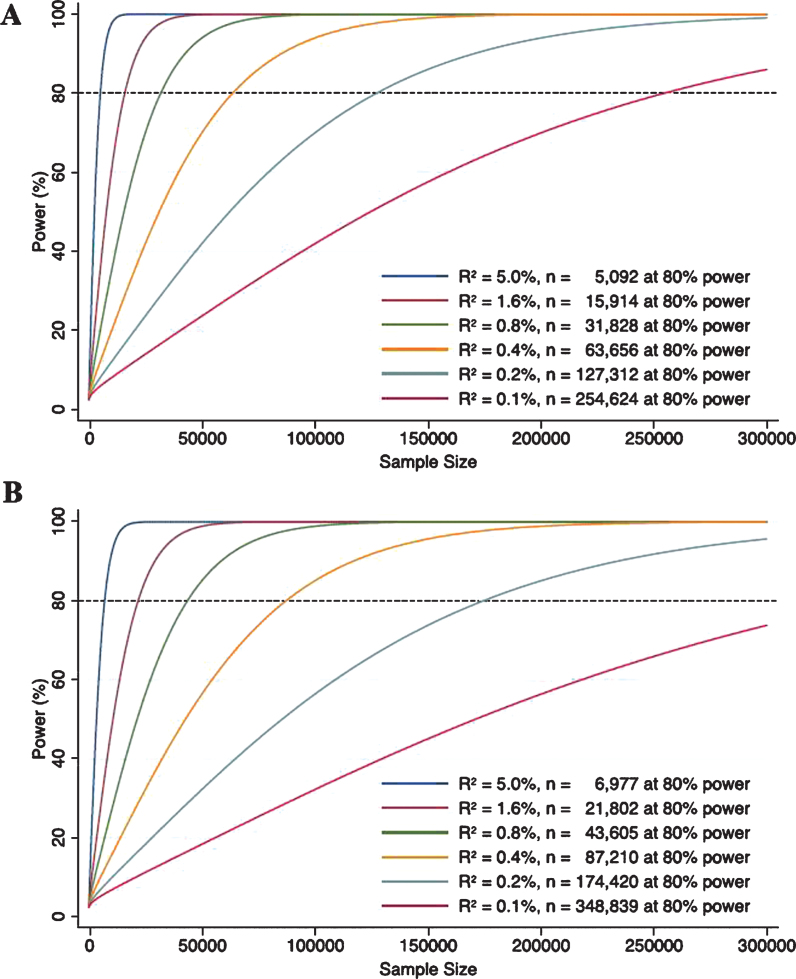
We included 18 MR studies investigating education, lifestyle factors, cardiovascular factors and related biomarkers, diabetes related and other endocrine factors, and telomere length. Studies were of predominantly good quality, however eight received low ratings for sample size and statistical power. The most convincing causal evidence was found for an association of shorter telomeres with increased risk of Alzheimer's disease (AD). Causal evidence was weaker for smoking quantity, vitamin D, homocysteine, systolic blood pressure, fasting glucose, insulin sensitivity, and high-density lipoprotein cholesterol. Well-replicated associations were not present for most exposures and we cannot fully discount survival and diagnostic bias, or the potential for pleiotropic effects.
Genetic evidence supported a causal association between telomere length and AD, whereas limited evidence for other risk factors was largely inconclusive with tentative evidence for smoking quantity, vitamin D, homocysteine, and selected metabolic markers. The lack of stronger evidence for other risk factors may reflect insufficient statistical power. Larger well-designed MR studies would therefore help establish the causal status of these dementia risk factors.
有许多已知的痴呆风险因素,但这些关联的因果性质仍不清楚。
系统综述孟德尔随机化(MR)研究,以调查风险因素与整体认知功能或痴呆之间的因果关系。
我们从开始到 2017 年 2 月搜索了五个数据库,并进行了引文搜索,包括 MR 研究,调查任何风险因素与整体认知功能、全因痴呆或痴呆亚型之间的关联。两名评审员独立评估标题和摘要、全文和研究质量。
我们纳入了 18 项 MR 研究,这些研究调查了教育、生活方式因素、心血管因素和相关生物标志物、糖尿病相关和其他内分泌因素以及端粒长度。这些研究的质量主要较好,但有八项研究因样本量和统计功效而获得较低评分。与较短的端粒与阿尔茨海默病(AD)风险增加之间的关联,有最令人信服的因果证据。吸烟量、维生素 D、同型半胱氨酸、收缩压、空腹血糖、胰岛素敏感性和高密度脂蛋白胆固醇的因果证据较弱。大多数暴露的关联没有得到很好的复制,我们不能完全排除生存和诊断偏差,或潜在的多效性影响。
遗传证据支持端粒长度与 AD 之间存在因果关联,而其他风险因素的证据有限,主要是不确定的,有吸烟量、维生素 D、同型半胱氨酸和某些代谢标志物的初步证据。其他风险因素缺乏更强的证据可能反映出统计功效不足。因此,更大的、设计良好的 MR 研究将有助于确定这些痴呆风险因素的因果地位。