He Wei, Roh Eunmiri, Yao Ke, Liu Kangdong, Meng Xing, Liu Fangfang, Wang Penglei, Bode Ann M, Dong Zigang
1The Hormel Institute, University of Minnesota, Austin, MN 55912 USA.
2The First Affiliated Hospital of Zhengzhou University, Zhengzhou, 450052 China.
NPJ Precis Oncol. 2017 Apr 27;1(1):13. doi: 10.1038/s41698-017-0014-1. eCollection 2017.
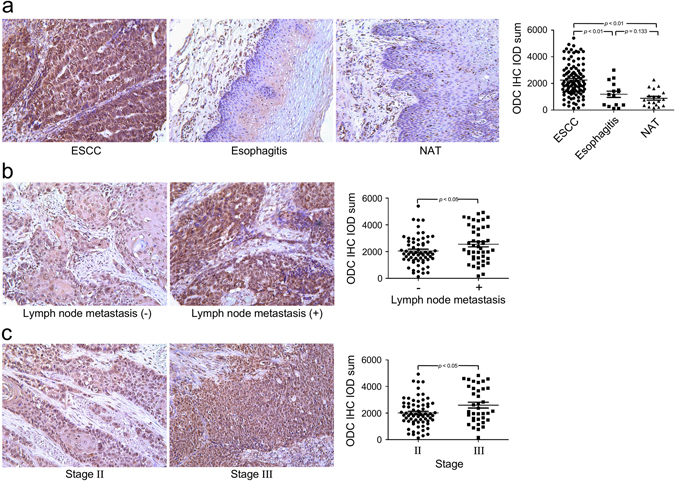
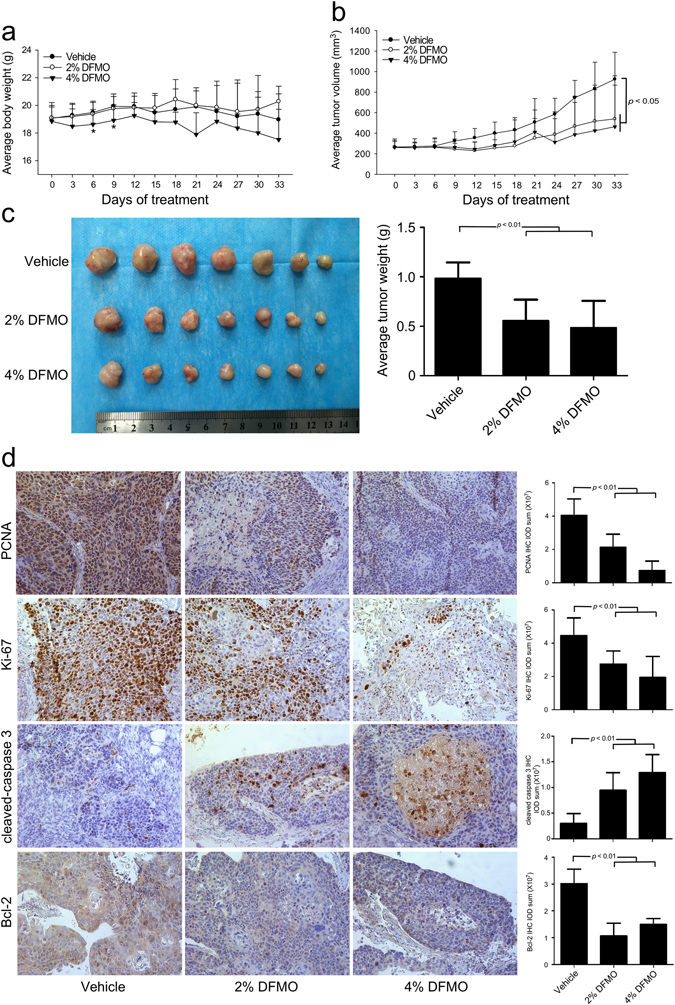
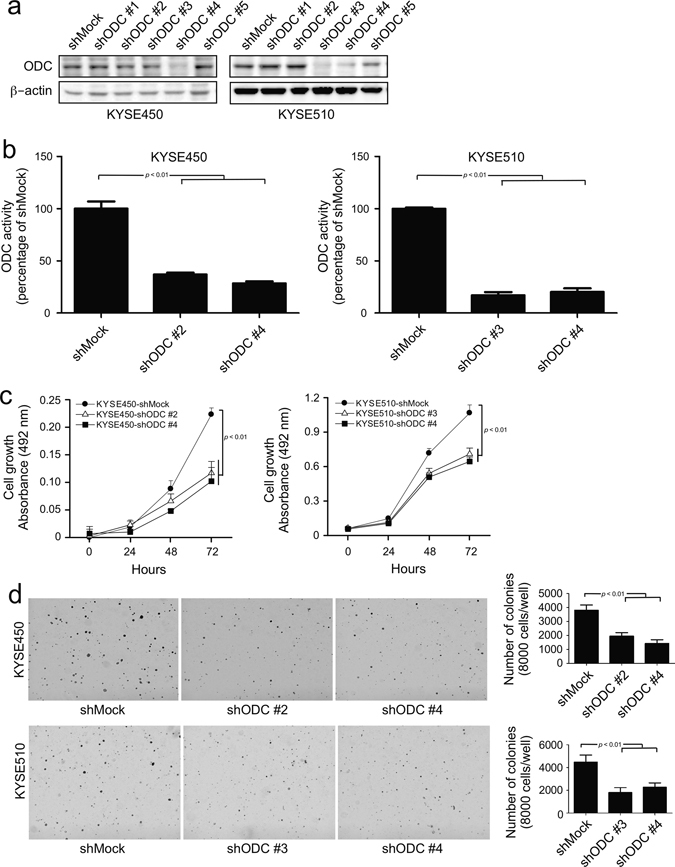
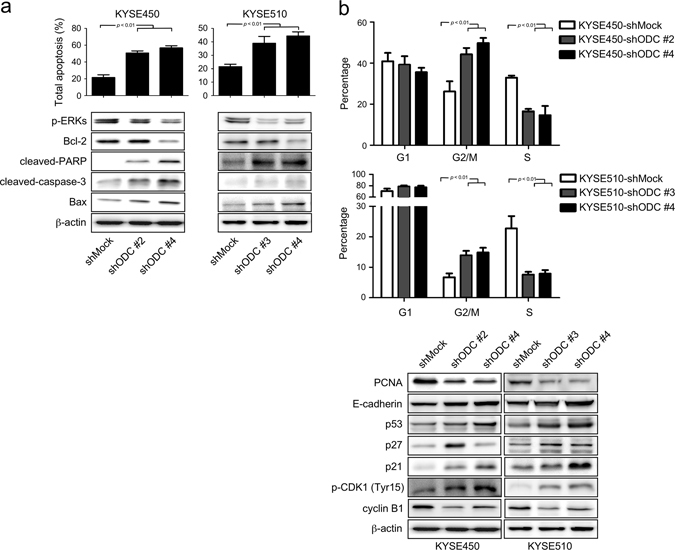
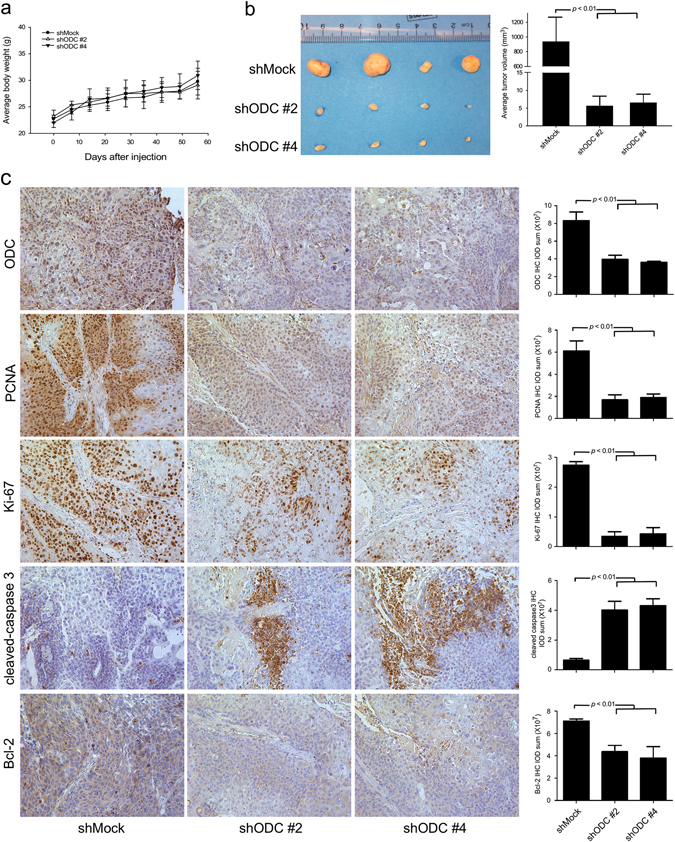
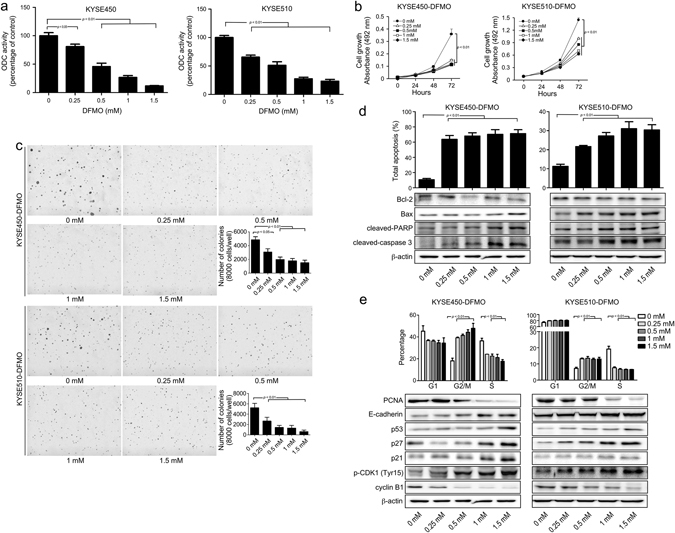
To explore the function of ornithine decarboxylase in esophageal squamous cell carcinoma progression and test the effectiveness of anti-ornithine decarboxylase therapy for esophageal squamous cell carcinoma. In this study, we examined the expression pattern of ornithine decarboxylase in esophageal squamous cell carcinoma cell lines and tissues using immunohistochemistry and Western blot analysis. Then we investigated the function of ornithine decarboxylase in ESCC cells by using and an irreversible inhibitor of ornithine decarboxylase, difluoromethylornithine. To gather more supporting pre-clinical data, a human esophageal squamous cell carcinoma patient-derived xenograft mouse model (C.B-17 severe combined immunodeficient mice) was used to determine the antitumor effects of difluoromethylornithine in vivo. Our data showed that the expression of the ornithine decarboxylase protein is increased in esophageal squamous cell carcinoma tissues compared with esophagitis or normal adjacent tissues. Polyamine depletion by not only arrests esophageal squamous cell carcinoma cells in the G2/M phase, but also induces apoptosis, which further suppresses esophageal squamous cell carcinoma cell tumorigenesis. Difluoromethylornithine treatment decreases proliferation and also induces apoptosis of esophageal squamous cell carcinoma cells and implanted tumors, resulting in significant reduction in the size and weight of tumors. The results of this study indicate that ornithine decarboxylase is a promising target for esophageal squamous cell carcinoma therapy and difluoromethylornithine warrants further study in clinical trials to test its effectiveness against esophageal squamous cell carcinoma.
探讨鸟氨酸脱羧酶在食管鳞状细胞癌进展中的作用,并测试抗鸟氨酸脱羧酶疗法对食管鳞状细胞癌的有效性。在本研究中,我们使用免疫组织化学和蛋白质印迹分析检测了鸟氨酸脱羧酶在食管鳞状细胞癌细胞系和组织中的表达模式。然后我们通过使用鸟氨酸脱羧酶的不可逆抑制剂二氟甲基鸟氨酸来研究鸟氨酸脱羧酶在食管鳞状细胞癌细胞中的功能。为了收集更多支持性的临床前数据,我们使用了人食管鳞状细胞癌患者来源的异种移植小鼠模型(C.B-17重度联合免疫缺陷小鼠)来确定二氟甲基鸟氨酸在体内的抗肿瘤作用。我们的数据表明,与食管炎或正常相邻组织相比,食管鳞状细胞癌组织中鸟氨酸脱羧酶蛋白的表达增加。通过鸟氨酸脱羧酶抑制剂不仅使食管鳞状细胞癌细胞停滞在G2/M期,还诱导细胞凋亡,这进一步抑制了食管鳞状细胞癌细胞的肿瘤发生。二氟甲基鸟氨酸治疗可降低食管鳞状细胞癌细胞和植入肿瘤的增殖并诱导其凋亡,导致肿瘤大小和重量显著降低。本研究结果表明,鸟氨酸脱羧酶是食管鳞状细胞癌治疗的一个有前景的靶点,二氟甲基鸟氨酸值得在临床试验中进一步研究以测试其对食管鳞状细胞癌的有效性。