Neurosciences and Mental Health, Hospital for Sick Children, Toronto, Ontario, Canada.
Department of Pediatrics, McMaster University, Hamilton, Ontario, Canada.
Neuroimage Clin. 2018 Mar 5;18:972-985. doi: 10.1016/j.nicl.2018.02.021. eCollection 2018.
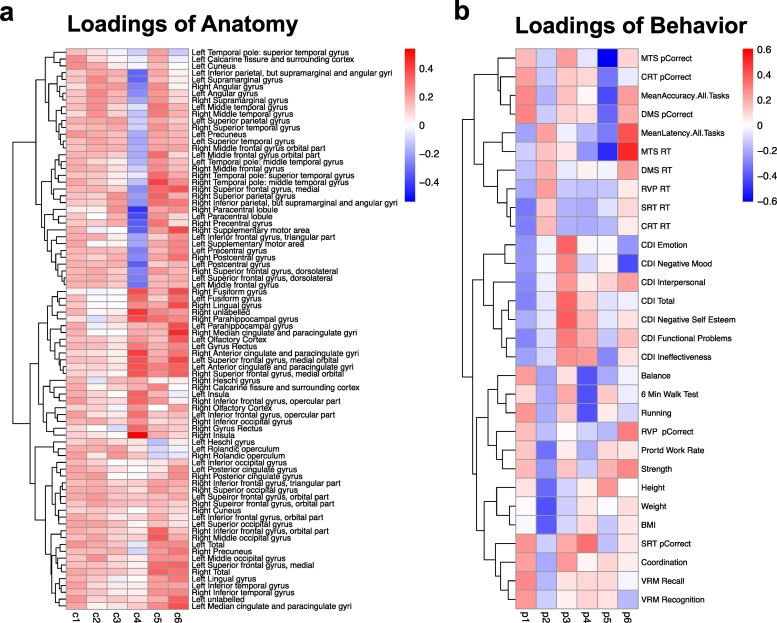
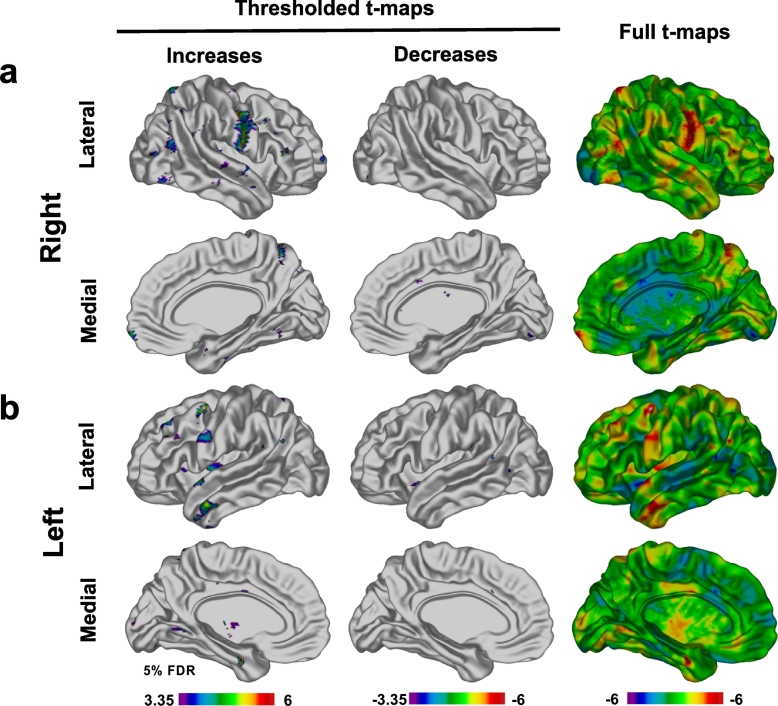
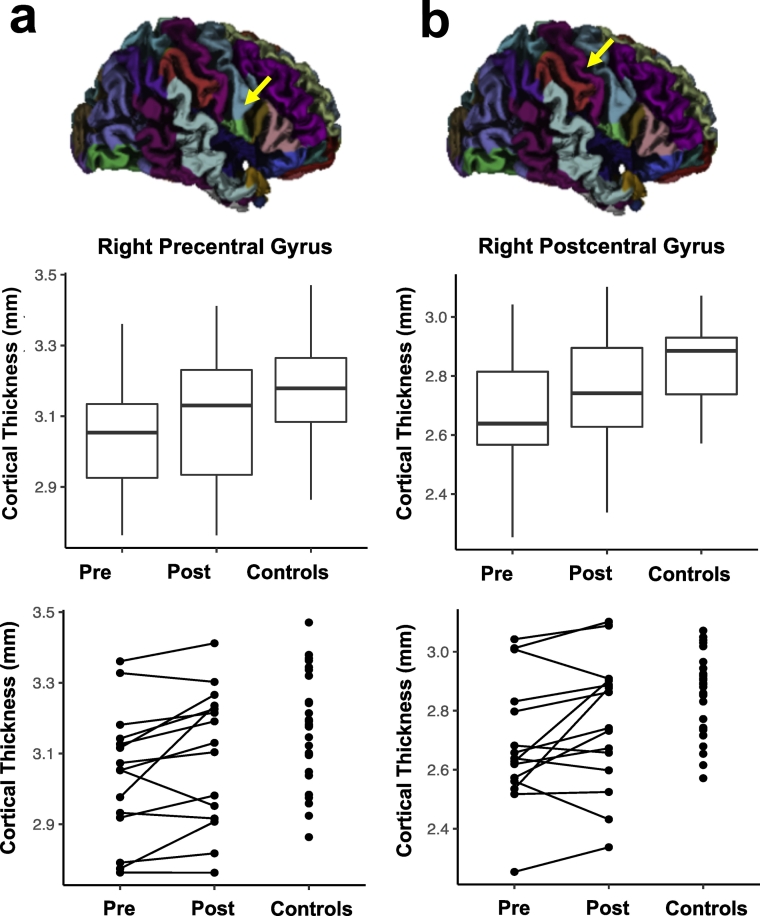
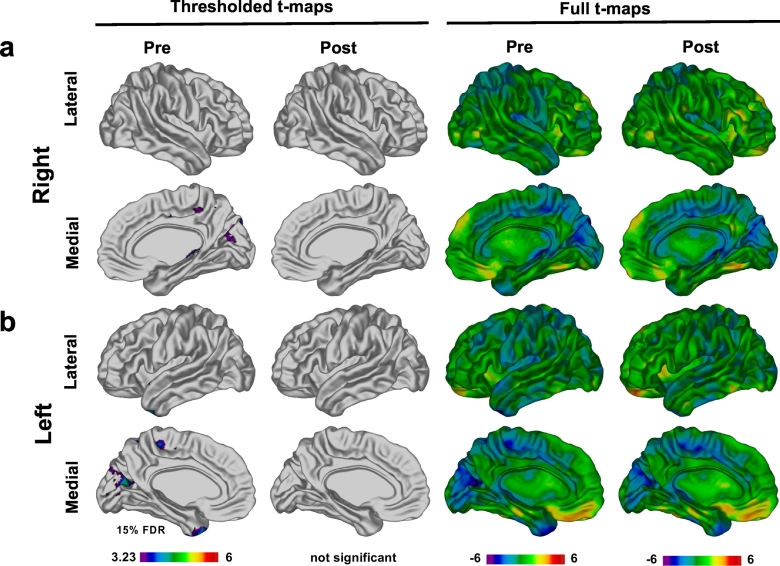
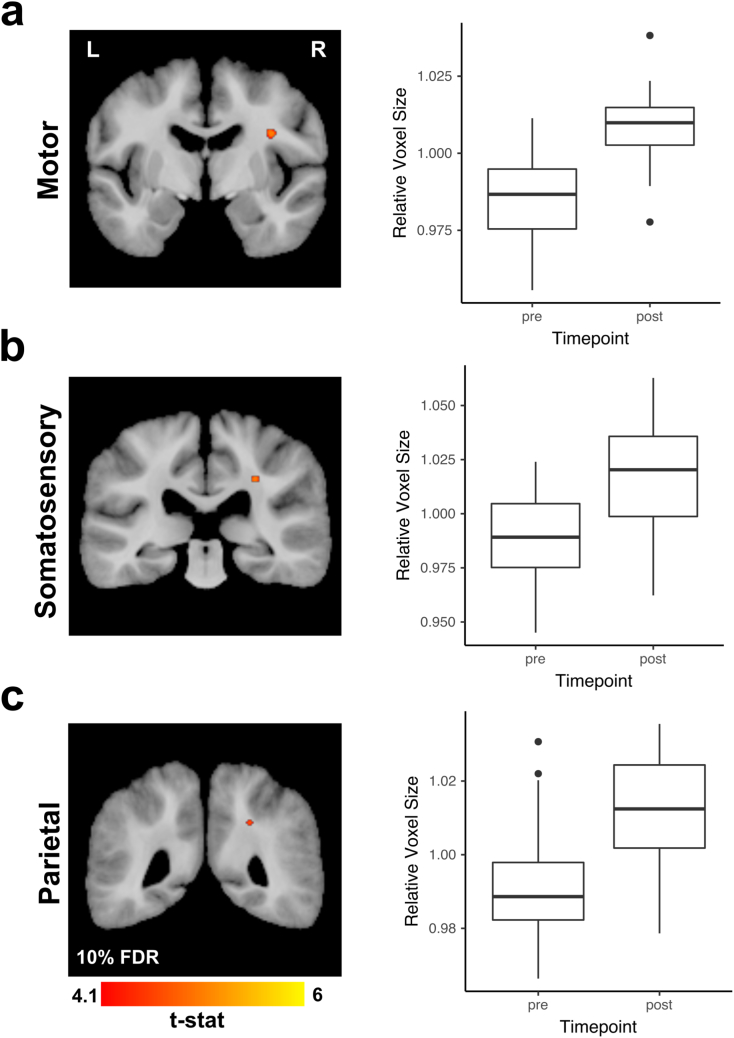
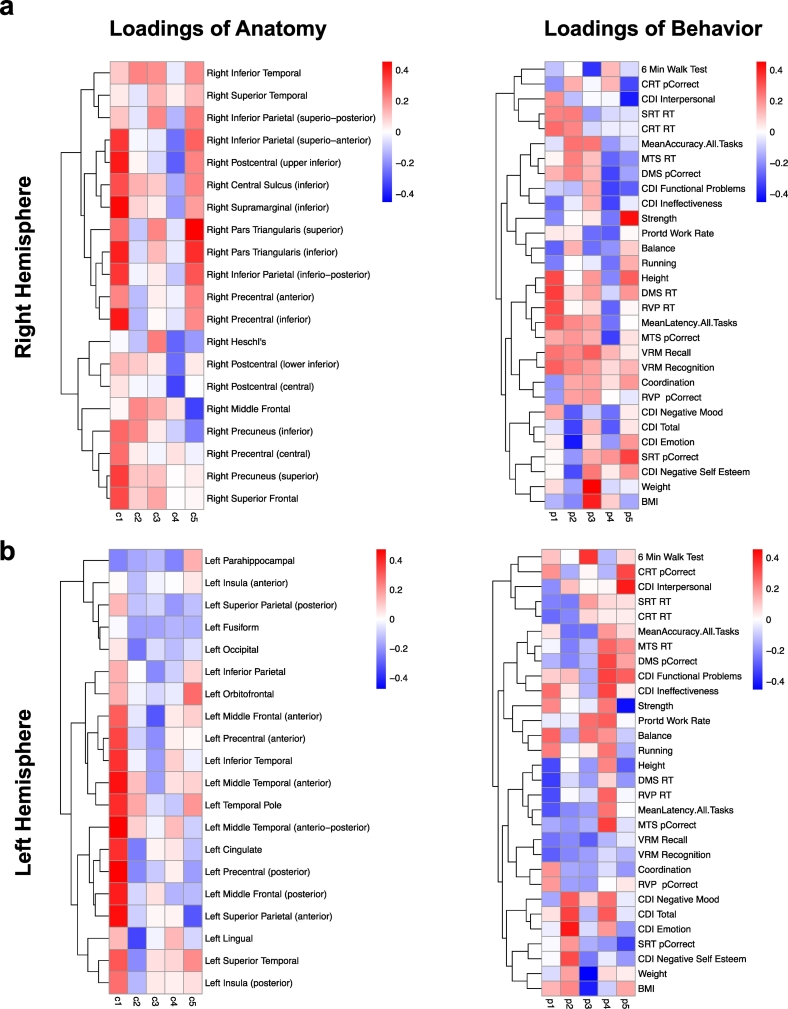
There is growing evidence that exercise induced experience dependent plasticity may foster structural and functional recovery following brain injury. We examined the efficacy of exercise training for neural and cognitive recovery in long-term pediatric brain tumor survivors treated with radiation. We conducted a controlled clinical trial with crossover of exercise training (vs. no training) in a volunteer sample of 28 children treated with cranial radiation for brain tumors (mean age = 11.5 yrs.; mean time since diagnosis = 5.7 yrs). The endpoints were anatomical T1 MRI data and multiple behavioral outcomes presenting a broader analysis of structural MRI data across the entire brain. This included an analysis of changes in cortical thickness and brain volume using automated, user unbiased approaches. A series of general linear mixed effects models evaluating the effects of exercise training on cortical thickness were performed in a voxel and vertex-wise manner, as well as for specific regions of interest. In exploratory analyses, we evaluated the relationship between changes in cortical thickness after exercise with multiple behavioral outcomes, as well as the relation of these measures at baseline. Exercise was associated with increases in cortical thickness within the right pre and postcentral gyri. Other notable areas of increased thickness related to training were present in the left pre and postcentral gyri, left temporal pole, left superior temporal gyrus, and left parahippocampal gyrus. Further, we observed that compared to a separate cohort of healthy children, participants displayed multiple areas with a significantly thinner cortex prior to training and fewer differences following training, indicating amelioration of anatomical deficits. Partial least squares analysis (PLS) revealed specific patterns of relations between cortical thickness and various behavioral outcomes both after training and at baseline. Overall, our results indicate that exercise training in pediatric brain tumor patients treated with radiation has a beneficial impact on brain structure. We argue that exercise training should be incorporated into the development of neuro-rehabilitative treatments for long-term pediatric brain tumor survivors and other populations with acquired brain injury. (ClinicalTrials.gov, NCT01944761).
越来越多的证据表明,运动引起的经验依赖性可塑性可能促进脑损伤后的结构和功能恢复。我们研究了运动训练对接受放射治疗的长期儿科脑肿瘤幸存者的神经和认知恢复的效果。我们对 28 名接受颅部放射治疗脑肿瘤的儿童(平均年龄为 11.5 岁;平均诊断后时间为 5.7 年)进行了一项对照临床试验,对志愿者样本进行了交叉训练(无训练)。终点是解剖 T1 MRI 数据和多个行为结果,这些结果更广泛地分析了整个大脑的结构 MRI 数据。这包括使用自动、用户无偏见的方法分析皮质厚度和脑体积的变化。使用一系列一般线性混合效应模型,以体素和顶点方式以及特定感兴趣区域的方式,评估了运动训练对皮质厚度的影响。在探索性分析中,我们评估了运动后皮质厚度变化与多个行为结果之间的关系,以及这些指标在基线时的关系。运动与右侧中央前回和中央后回的皮质厚度增加有关。与训练相关的其他明显增厚区域位于左侧中央前回和中央后回、左侧颞极、左侧颞上回和左侧海马旁回。此外,我们发现与另一组健康儿童相比,参与者在训练前有多个区域的皮质明显变薄,在训练后皮质变薄的区域较少,表明解剖缺陷得到改善。偏最小二乘法分析(PLS)揭示了皮质厚度与各种行为结果之间的特定关系,包括训练后和基线时的关系。总体而言,我们的研究结果表明,接受放射治疗的儿科脑肿瘤患者的运动训练对大脑结构有有益的影响。我们认为,运动训练应纳入长期儿科脑肿瘤幸存者和其他获得性脑损伤人群的神经康复治疗的发展。(临床试验.gov,NCT01944761)。