Hu Jin, Cheng Junjun, Tang Liudi, Hu Zhanying, Luo Yue, Li Yuhuan, Zhou Tianlun, Chang Jinhong, Guo Ju-Tao
Baruch S. Blumberg Institute , 3805 Old Easton Road , Doylestown , Pennsylvania 18902 , United States.
Institute of Medicinal Biotechnology , Chinese Academy of Medical Science , 1 Tian-tan Xi-li , Beijing , 100050 , China.
ACS Infect Dis. 2019 May 10;5(5):659-674. doi: 10.1021/acsinfecdis.8b00081. Epub 2018 Jun 25.
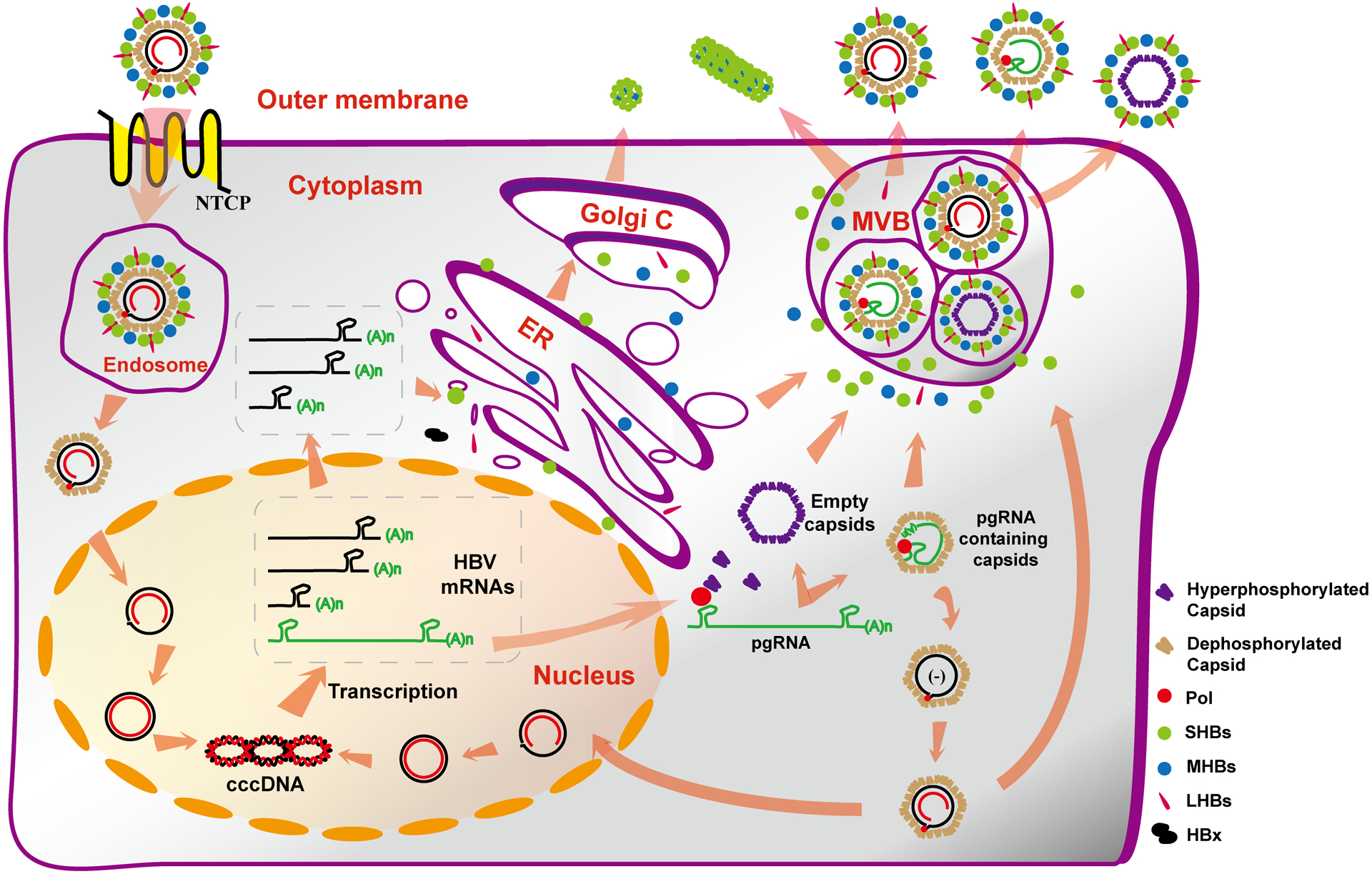
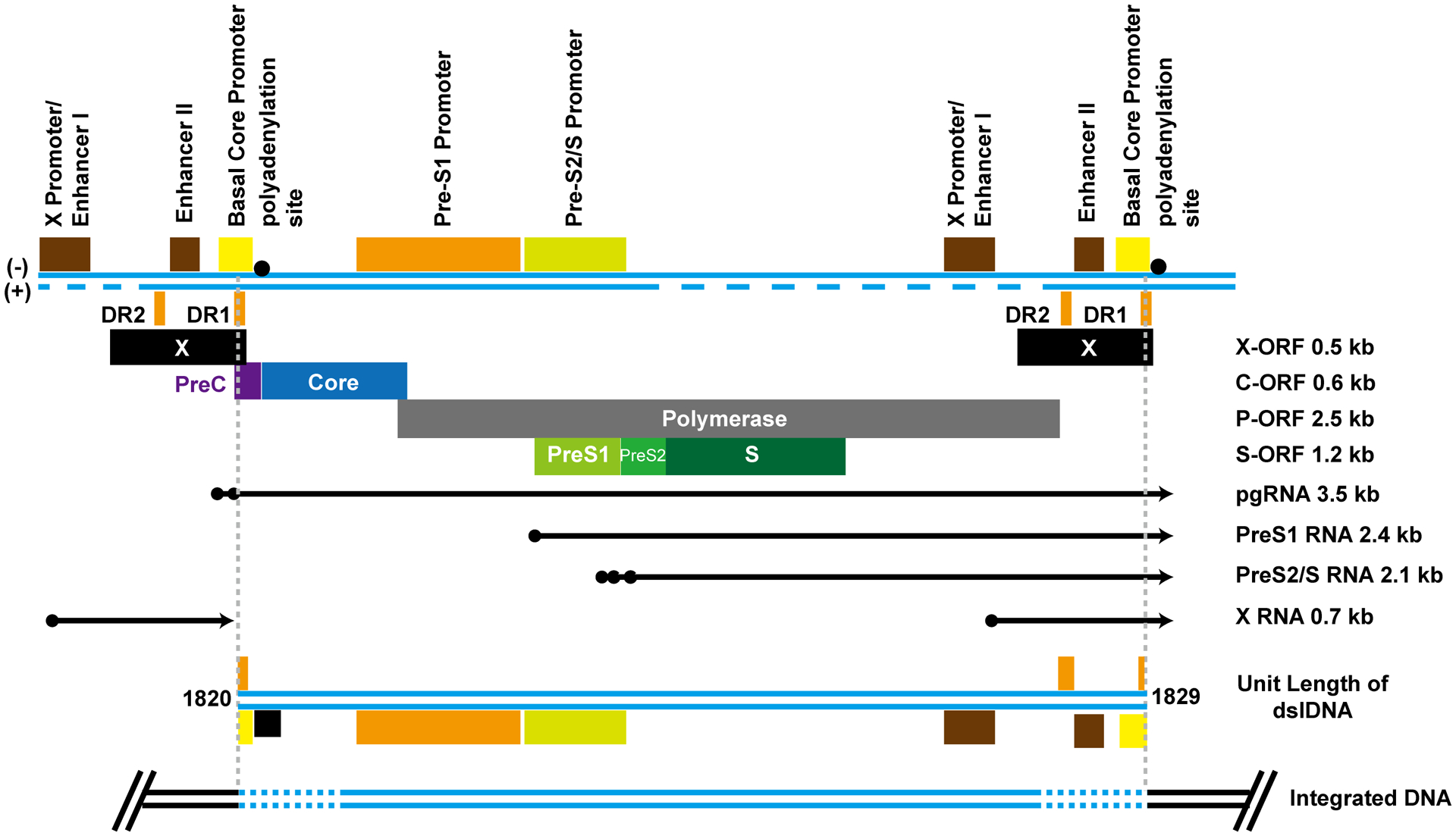
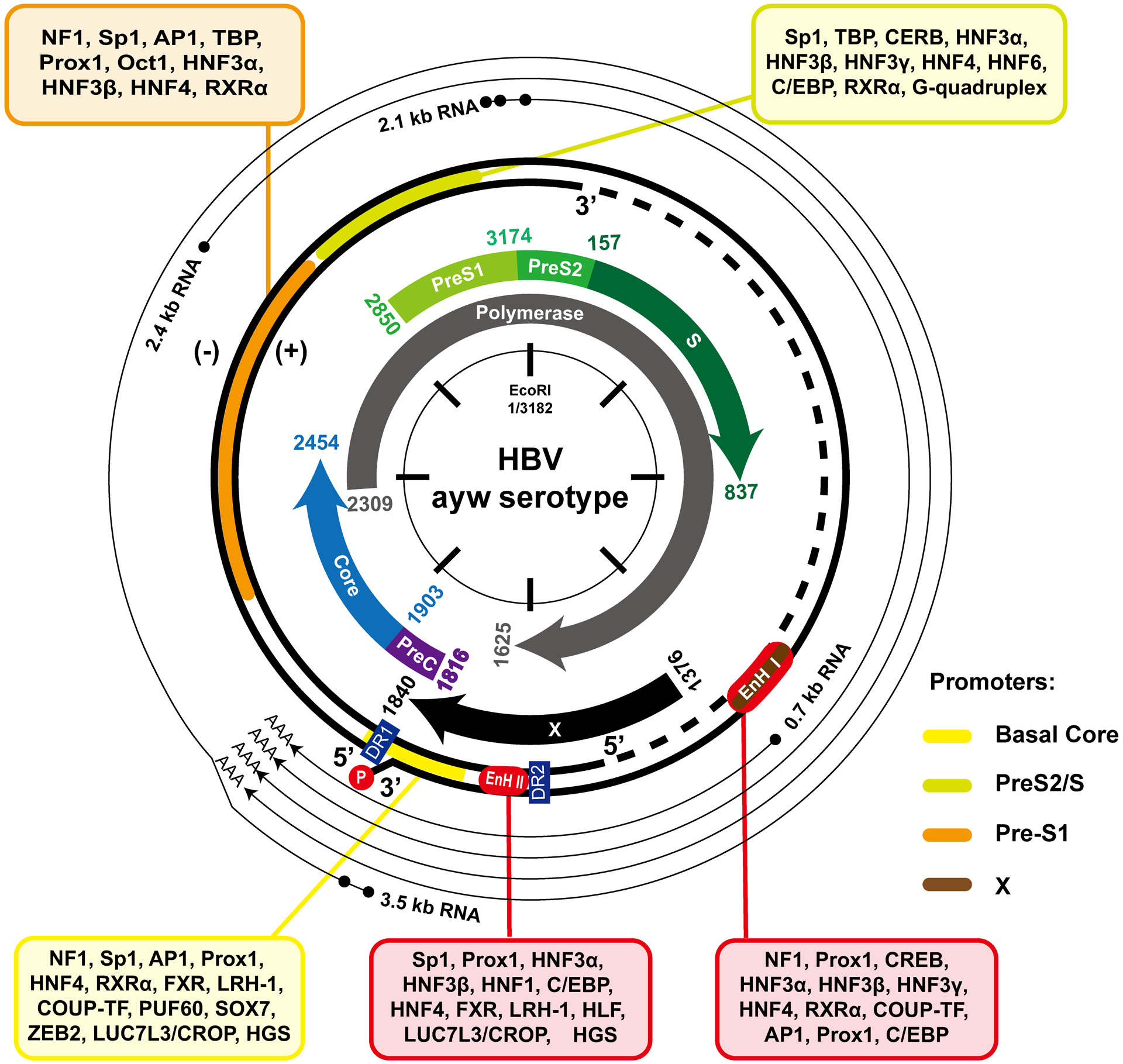
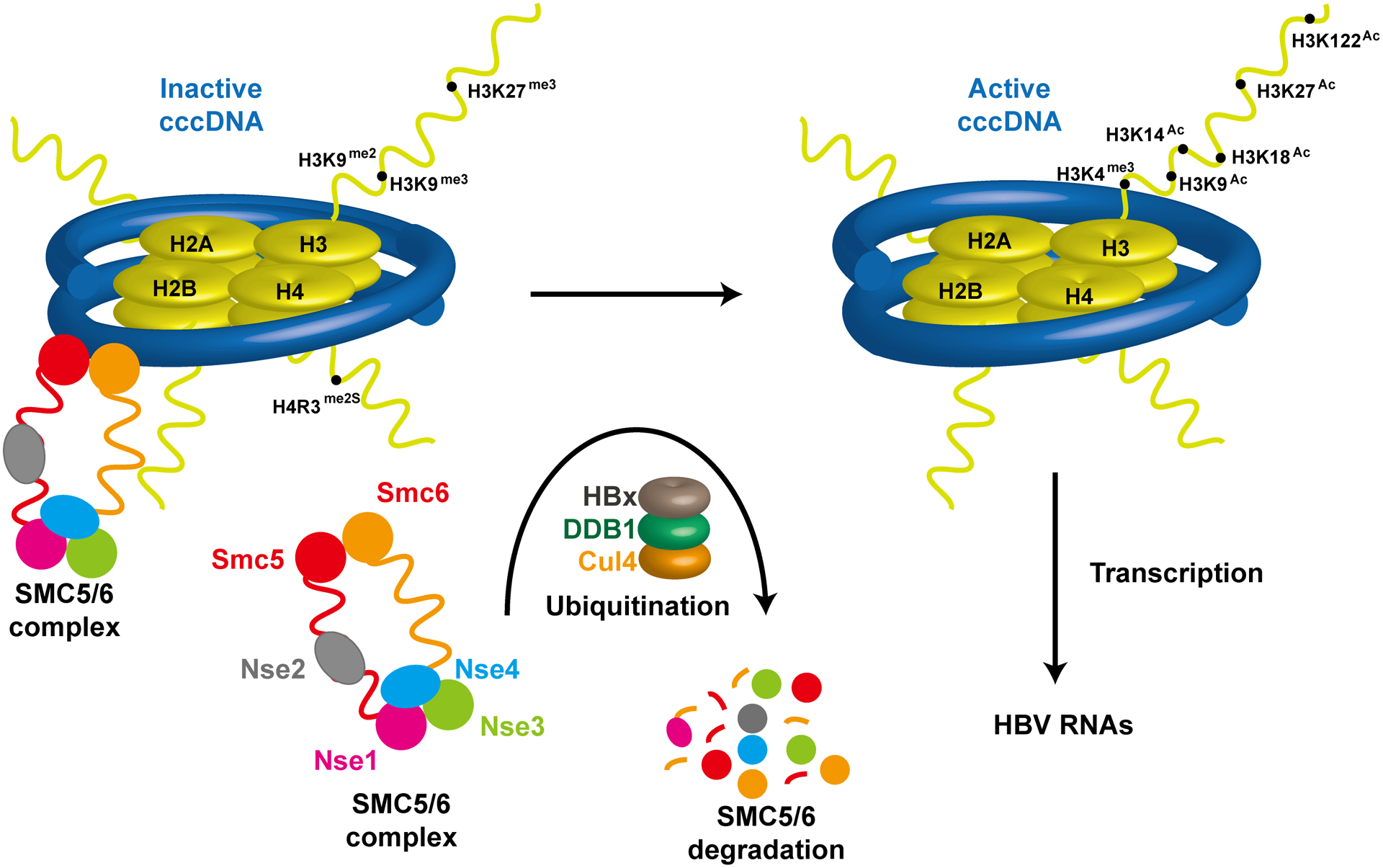
Hepatitis B virus (HBV) has infected one-third of world population, and 240 million people are chronic carriers, to whom a curative therapy is still not available. Similar to other viruses, persistent HBV infection relies on the virus to exploit host cell functions to support its replication and efficiently evade host innate and adaptive antiviral immunity. Understanding HBV replication and concomitant host cell interactions is thus instrumental for development of therapeutics to disrupt the virus-host interactions critical for its persistence and cure chronic hepatitis B. Although the currently available cell culture systems of HBV infection are refractory to genome-wide high throughput screening of key host cellular factors essential for and/or regulating HBV replication, classic one-gene (or pathway)-at-a-time studies in the last several decades have already revealed many aspects of HBV-host interactions. An overview of the landscape of HBV-hepatocyte interaction indicates that, in addition to more tightly suppressing viral replication by directly targeting viral proteins, disruption of key viral-host cell interactions to eliminate or inactivate the covalently closed circular (ccc) DNA, the most stable HBV replication intermediate that exists as an episomal minichromosome in the nucleus of infected hepatocyte, is essential to achieve a functional cure of chronic hepatitis B. Moreover, therapeutic targeting of integrated HBV DNA and their transcripts may also be required to induce hepatitis B virus surface antigen (HBsAg) seroclearance and prevent liver carcinogenesis.
乙型肝炎病毒(HBV)已感染全球三分之一的人口,有2.4亿人是慢性携带者,目前仍没有针对他们的治愈性疗法。与其他病毒相似,HBV持续感染依赖于病毒利用宿主细胞功能来支持其复制,并有效逃避宿主的先天性和适应性抗病毒免疫。因此,了解HBV复制以及与之相关的宿主细胞相互作用,对于开发能够破坏病毒与宿主之间关键相互作用(这些相互作用对病毒的持续存在至关重要)并治愈慢性乙型肝炎的治疗方法具有重要意义。尽管目前可用的HBV感染细胞培养系统难以对HBV复制所必需的和/或调节HBV复制的关键宿主细胞因子进行全基因组高通量筛选,但在过去几十年中一次研究一个基因(或通路)的经典研究已经揭示了HBV与宿主相互作用的许多方面。对HBV与肝细胞相互作用情况的概述表明,除了通过直接靶向病毒蛋白更严格地抑制病毒复制外,破坏关键的病毒-宿主细胞相互作用以消除或使共价闭合环状(ccc)DNA失活,对于实现慢性乙型肝炎的功能性治愈至关重要。cccDNA是最稳定的HBV复制中间体,以游离型微型染色体的形式存在于受感染肝细胞的细胞核中。此外,可能还需要对整合的HBV DNA及其转录本进行治疗性靶向,以诱导乙肝病毒表面抗原(HBsAg)血清清除并预防肝癌发生。