UMR 7156 Génétique Moléculaire, Génomique, Microbiologie (GMGM), Strasbourg University-CNRS, Strasbourg, France.
PLoS One. 2018 Jun 18;13(6):e0199258. doi: 10.1371/journal.pone.0199258. eCollection 2018.
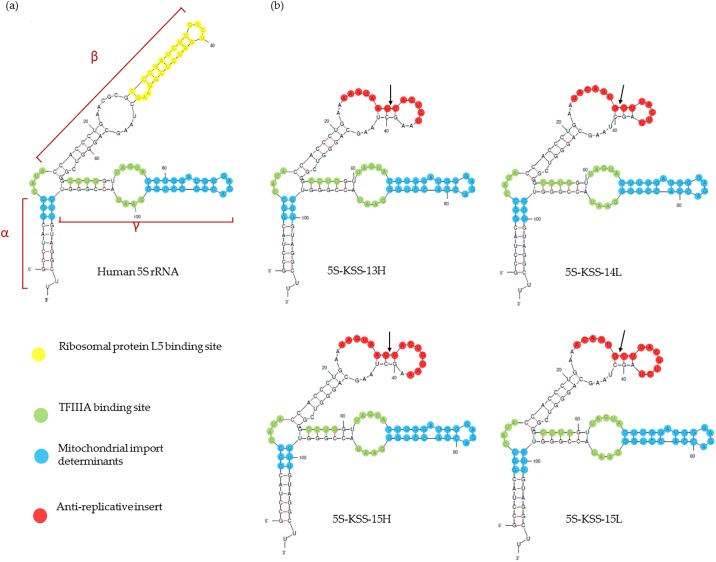
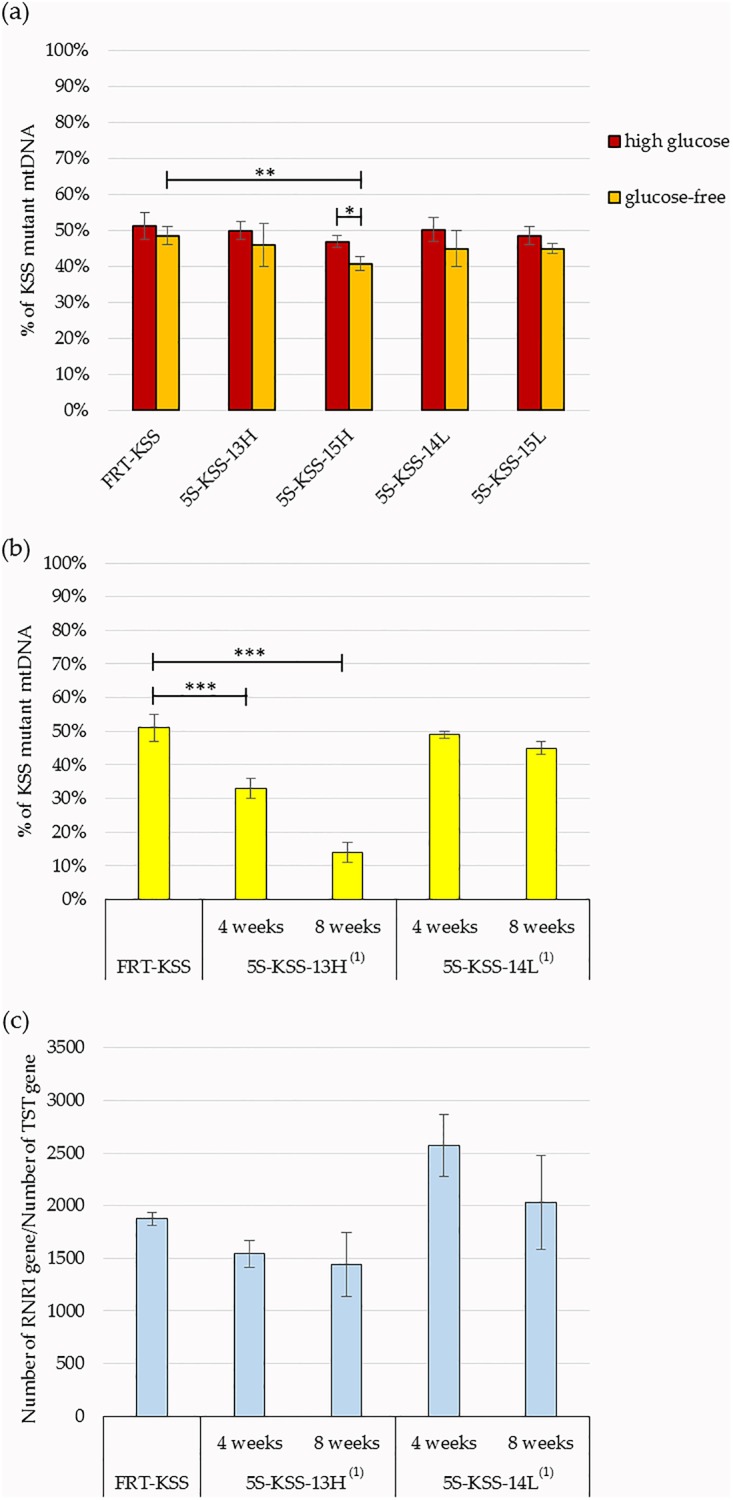
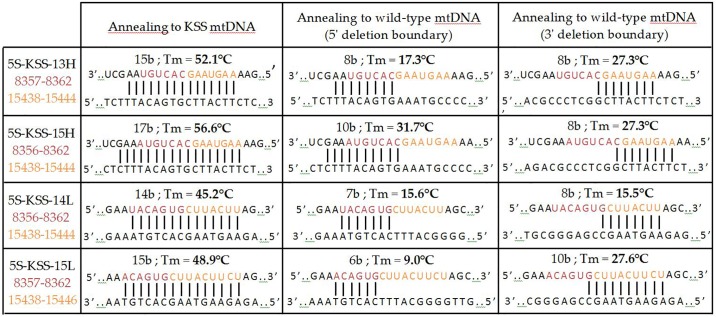
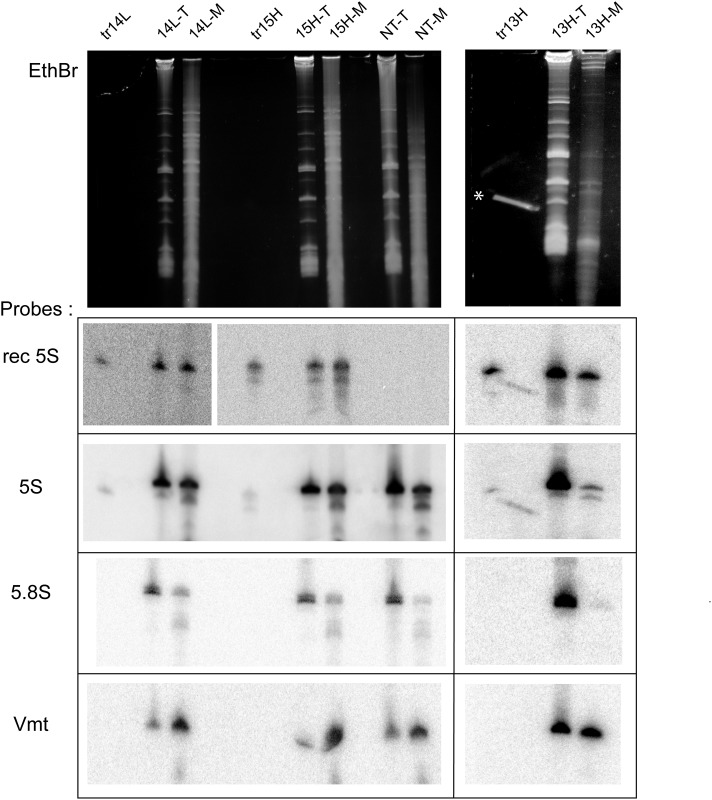
Mutations in mitochondrial DNA are an important source of severe and incurable human diseases. The vast majority of these mutations are heteroplasmic, meaning that mutant and wild-type genomes are present simultaneously in the same cell. Only a very high proportion of mutant mitochondrial DNA (heteroplasmy level) leads to pathological consequences. We previously demonstrated that mitochondrial targeting of small RNAs designed to anneal with mutant mtDNA can decrease the heteroplasmy level by specific inhibition of mutant mtDNA replication, thus representing a potential therapy. We have also shown that 5S ribosomal RNA, partially imported into human mitochondria, can be used as a vector to deliver anti-replicative oligoribonucleotides into human mitochondria. So far, the efficiency of cellular expression of recombinant 5S rRNA molecules bearing therapeutic insertions remained very low. In the present study, we designed new versions of anti-replicative recombinant 5S rRNA targeting a large deletion in mitochondrial DNA which causes the KSS syndrome, analyzed their specific annealing to KSS mitochondrial DNA and demonstrated their import into mitochondria of cultured human cells. To obtain an increased level of the recombinant 5S rRNA stable expression, we created transmitochondrial cybrid cell line bearing a site for Flp-recombinase and used this system for the recombinase-mediated integration of genes coding for the anti-replicative recombinant 5S rRNAs into nuclear genome. We demonstrated that stable expression of anti-replicative 5S rRNA versions in human transmitochondrial cybrid cells can induce a shift in heteroplasmy level of KSS mutation in mtDNA. This shift was directly dependent on the level of the recombinant 5S rRNA expression and the sequence of the anti-replicative insertion. Quantification of mtDNA copy number in transfected cells revealed the absence of a non-specific effect on wild type mtDNA replication, indicating that the decreased proportion between mutant and wild type mtDNA molecules is not a consequence of a random repopulation of depleted pool of mtDNA genomes. The heteroplasmy change could be also modulated by cell growth conditions, namely increased by cells culturing in a carbohydrate-free medium, thus forcing them to use oxidative phosphorylation and providing a selective advantage for cells with improved respiration capacities. We discuss the advantages and limitations of this approach and propose further development of the anti-replicative strategy based on the RNA import into human mitochondria.
线粒体 DNA 突变是导致严重和无法治愈的人类疾病的重要原因。这些突变绝大多数为异质性,这意味着突变型和野生型基因组同时存在于同一个细胞中。只有非常高比例的突变型线粒体 DNA(异质性水平)才会导致病理性后果。我们之前已经证明,靶向与突变 mtDNA 退火的小 RNA 的线粒体靶向可以通过特异性抑制突变 mtDNA 复制来降低异质性水平,因此代表了一种潜在的治疗方法。我们还表明,部分导入人线粒体的 5S 核糖体 RNA 可作为载体,将抗复制寡核苷酸递送人线粒体。到目前为止,携带治疗性插入物的重组 5S rRNA 分子在细胞中的表达效率仍然非常低。在本研究中,我们设计了针对导致 KSS 综合征的线粒体 DNA 大片段缺失的新型抗复制重组 5S rRNA,分析了它们与 KSS 线粒体 DNA 的特异性退火,并证明了它们导入培养的人细胞的线粒体。为了获得更高水平的重组 5S rRNA 稳定表达,我们创建了携带 Flp 重组酶位点的传线粒体杂种细胞系,并利用该系统将编码抗复制重组 5S rRNA 的基因通过重组酶介导整合到核基因组中。我们证明,人传线粒体杂种细胞中抗复制 5S rRNA 版本的稳定表达可以诱导 mtDNA 中 KSS 突变的异质性水平发生变化。这种转变直接依赖于重组 5S rRNA 的表达水平和抗复制插入的序列。转染细胞中 mtDNA 拷贝数的定量分析显示,对野生型 mtDNA 复制没有非特异性影响,表明突变型和野生型 mtDNA 分子之间的比例降低不是耗尽 mtDNA 基因组库的随机再填充的结果。异质性变化还可以通过细胞生长条件进行调节,即在无碳水化合物的培养基中培养细胞时增加,从而迫使它们利用氧化磷酸化,并为呼吸能力提高的细胞提供选择性优势。我们讨论了这种方法的优点和局限性,并提出了基于人线粒体 RNA 导入的抗复制策略的进一步发展。